St Louis Photography Studio
Commercial Photographers | Product and Food Photography | Business Portraits
Photography Tips Every Marketing Director Should Know
In today’s visually-driven world, the impact of high-quality photography on marketing cannot be overstated. As decision-makers in the realm of photography and video production services, marketing directors understand that compelling visuals are key to capturing and retaining the audience’s attention. This blog post delves into essential photography tips that every marketing director should know to enhance their brand’s visual storytelling and drive engagement.
1. Understand Your Brand Identity
Before diving into any photography project, it is crucial to have a clear understanding of your brand identity. What emotions do you want to evoke? What story do you want to tell? Your brand’s visual style should be consistent across all platforms, reflecting its core values and messaging. Collaborate with your photographer to ensure that the images align with your brand’s aesthetic and narrative.
2. Invest in Professional Photography
While smartphone cameras have come a long way, they cannot replace the expertise and equipment of a professional photographer. Investing in professional photography ensures that your images are of the highest quality, properly lit, composed, and edited. Professional photographers bring years of experience and an eye for detail that can make your brand stand out.
3. Focus on Composition and Lighting
Composition and lighting are fundamental aspects of photography that can significantly impact the final image. A well-composed photo draws the viewer’s eye to the subject, while good lighting enhances the subject’s features and mood. Discuss these elements with your photographer to ensure that each shot is meticulously planned and executed.
4. Utilize Visual Storytelling
Photos should do more than just showcase products; they should tell a story. Visual storytelling involves creating a narrative through images that resonate with your audience on an emotional level. Whether it’s behind-the-scenes shots of your team at work or customer testimonials, compelling stories can build a deeper connection with your audience.
5. Leverage Different Types of Photography
Different types of photography can serve various marketing needs. Here are a few to consider:
- Product Photography: Highlight the features and benefits of your products.
- Lifestyle Photography: Show your products in real-life settings to help customers envision using them.
- Corporate Headshots: Professional headshots of your team members can add a personal touch to your brand.
- Event Photography: Capture key moments from corporate events to share on social media and marketing materials.
6. Edit with Care
Editing is where good photos become great. Subtle adjustments in color, contrast, and sharpness can enhance the overall look and feel of your images. However, over-editing can lead to unnatural results. Work with your photographer to strike the right balance, ensuring that the final images look polished yet authentic.





7. Repurpose Visual Content
Maximize the value of your visual content by repurposing it across different platforms. A single photo can be used in blog posts, social media updates, email newsletters, and print materials. This approach not only saves time and resources but also ensures consistency in your brand’s visual messaging.
8. Stay Updated on Trends
The photography industry is constantly evolving, with new trends and technologies emerging regularly. Stay updated on the latest trends, such as drone photography, 360-degree images, and virtual reality. Incorporating these trends can keep your brand’s visuals fresh and engaging.
9. Collaborate with Experienced Professionals
Partnering with experienced professionals is key to executing a successful photography project. A seasoned photographer or video producer brings technical expertise and creative insights that can elevate your brand’s visual content. Their experience in working with businesses and marketing firms ensures they understand your unique needs and challenges.
At St Louis Photography Studio, we pride ourselves on being a full-service professional commercial photography and video production company. With the right equipment and a creative crew, we excel in delivering successful image acquisition. Our services include full-service studio and location video and photography, editing, post-production, and licensed drone pilots. We customize productions for diverse media requirements, ensuring your photography and video branding gain maximum traction.
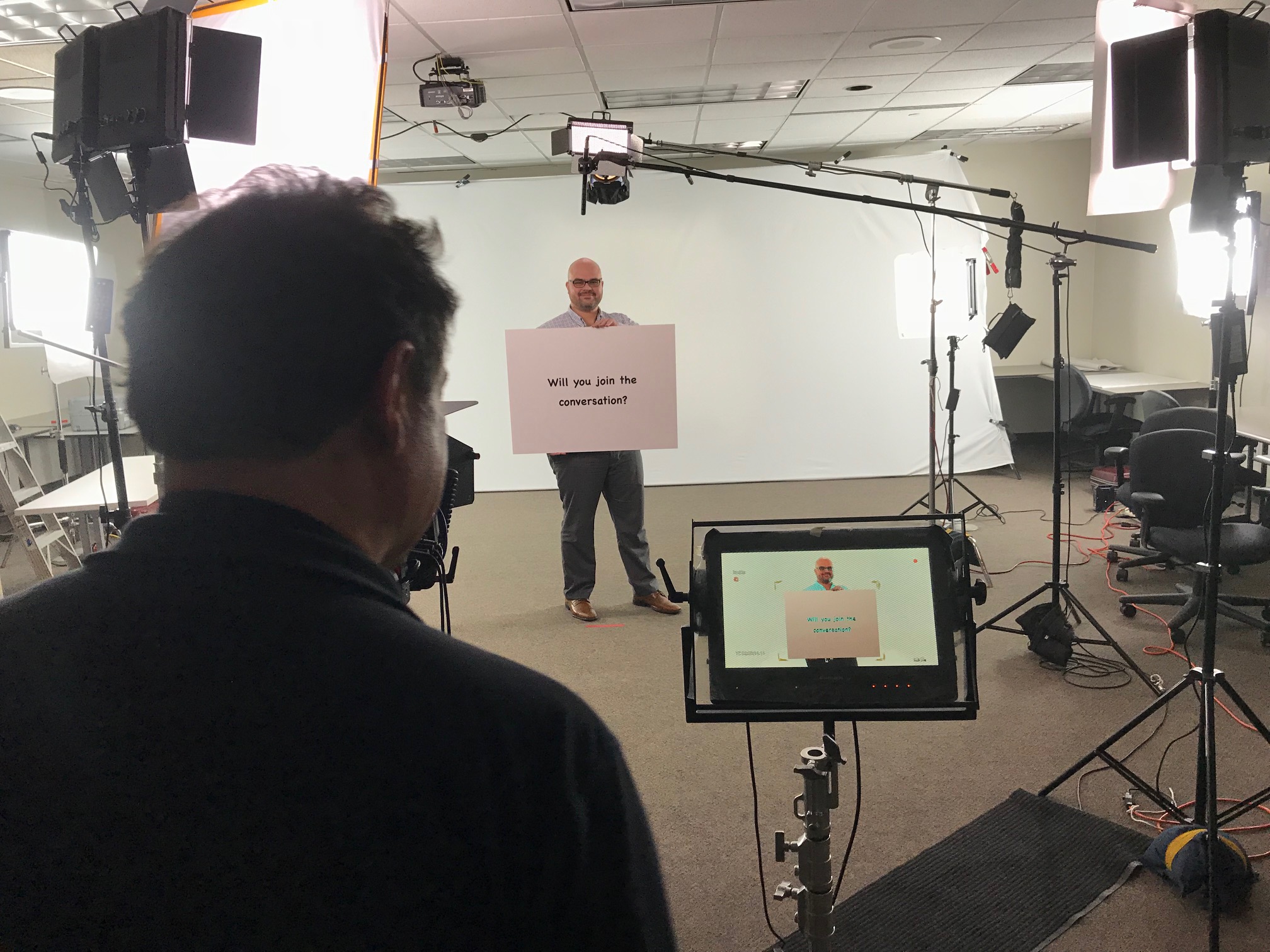
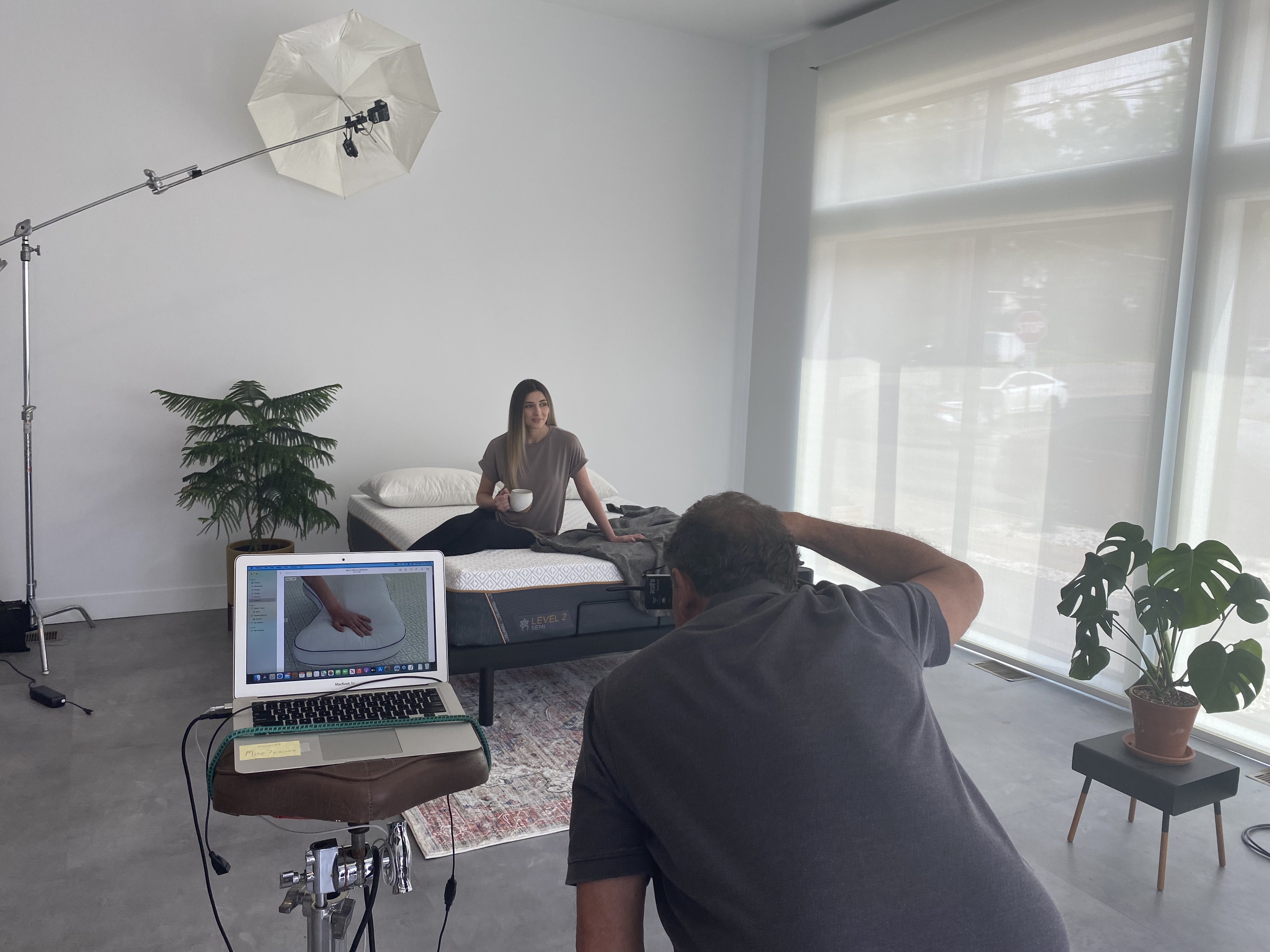
Our expertise extends to handling all file types and media styles, supported by the latest software. Our private studio lighting and visual setups are ideal for small productions and interview scenes, and our studio space can accommodate various props to enhance your set. We provide comprehensive support for your production needs, from custom interview setups to sound and camera operators and specialized indoor drones.
Since 1982, St Louis Photography Studio has partnered with numerous businesses, marketing firms, and agencies in the St. Louis area, delivering top-notch corporate photography and video services. Let us help you create the perfect visual content to elevate your brand and drive your marketing success.
Product Photography Studio Techniques for Capturing the Perfect Shot
In the competitive world of business, the importance of high-quality product photography cannot be overstated. The images of your products serve as the visual representation of your brand, often making the first impression on potential customers. As a decision-maker for your organization, ensuring that your product photography is top-notch is crucial. In this blog post, we’ll delve into advanced studio techniques that can help you capture the perfect shot, elevating your brand’s visual appeal and driving customer engagement.
Understanding the Basics
Before diving into advanced techniques, it’s essential to have a solid grasp of the basics of product photography:
- Lighting: Proper lighting is the cornerstone of excellent photography. Use soft, diffused light to eliminate harsh shadows and highlights. A combination of key lights, fill lights, and backlights can create a balanced and visually appealing image.
- Background: A clean, uncluttered background ensures that the focus remains on the product. White backgrounds are commonly used for their simplicity and ability to make products stand out. However, colored or textured backgrounds can be used creatively to enhance the product’s appeal.
- Composition: The arrangement of elements within the frame should guide the viewer’s eye to the product. Utilize the rule of thirds, leading lines, and framing techniques to create a balanced and engaging composition.
Advanced Studio Techniques
1. Focus Stacking
Focus stacking is a technique where multiple images of the same subject are taken at different focus distances and then merged together in post-production. This ensures that every part of the product is in sharp focus, creating a crisp and detailed final image. This technique is particularly useful for products with intricate details.
2. Lighting Modifiers
Using lighting modifiers such as softboxes, reflectors, and diffusers can significantly enhance the quality of light in your studio. Softboxes create soft, even light, reducing harsh shadows. Reflectors can bounce light back onto the product, filling in shadows and adding dimension. Diffusers help soften the light, creating a more flattering effect on reflective or glossy surfaces.
3. Creative Angles and Perspectives
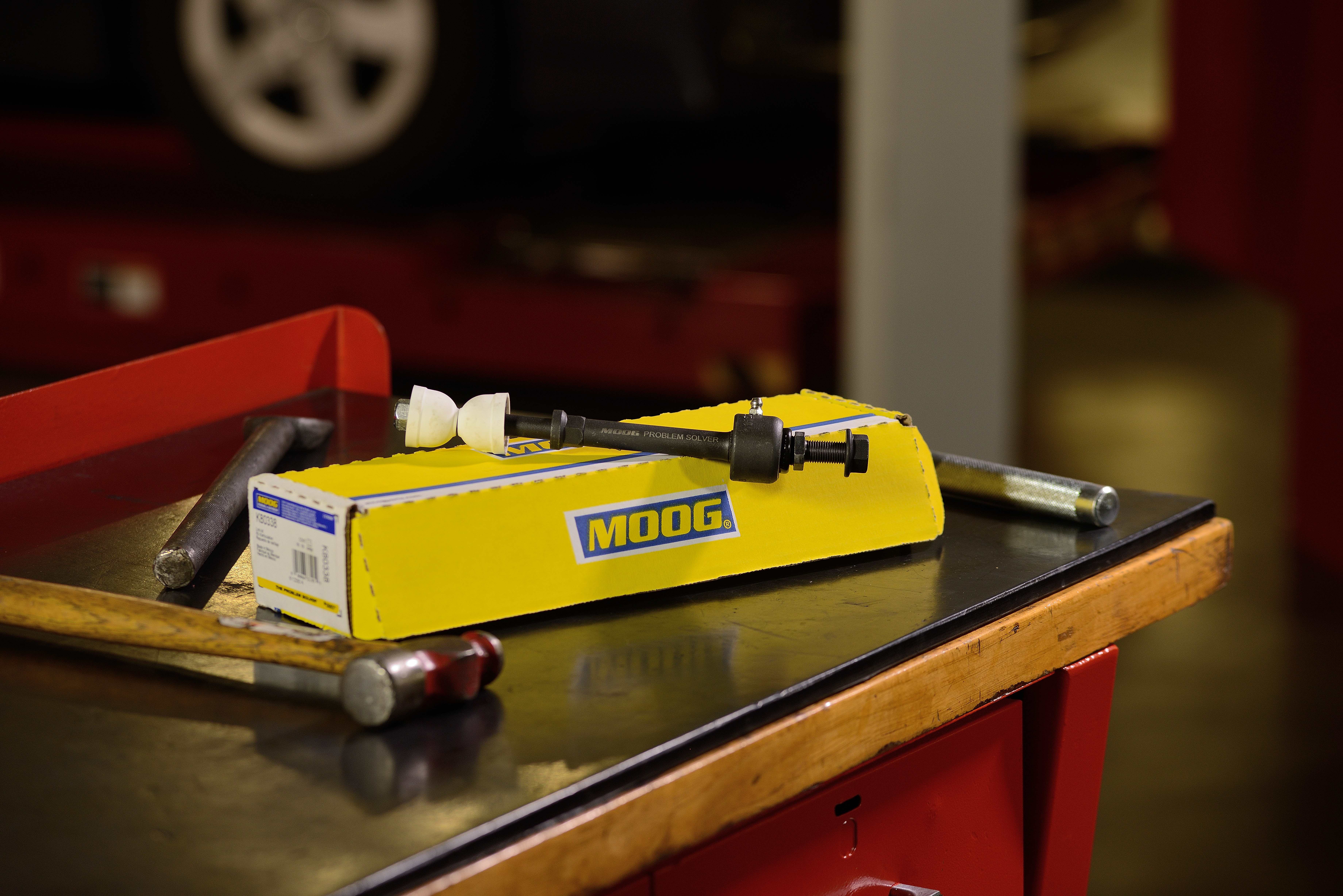
Experimenting with different angles and perspectives can add a unique touch to your product photography. Shooting from above, below, or at unusual angles can showcase the product’s features in an interesting and engaging way. Macro photography is another technique that allows you to capture minute details, highlighting the craftsmanship and quality of the product.



4. Post-Production Mastery
Editing is a critical phase in product photography. Using software like Adobe Photoshop or Lightroom, you can enhance colors, adjust exposure, and remove imperfections. Techniques such as color grading, retouching, and background removal can transform a good image into a great one. Consistency in editing style is also important for maintaining a cohesive brand identity.
5. Utilizing Props and Context
Incorporating props can provide context and scale, helping customers visualize the product’s use. However, it’s essential to ensure that props do not overshadow the product. Props should complement and enhance the product, adding to the overall story you want to convey.
Why Choose St Louis Photography Studio?
At St Louis Photography Studio, we understand that exceptional product photography is a blend of technical expertise, creativity, and attention to detail. As a full-service professional commercial photography and video production company, we are equipped with state-of-the-art equipment and a highly skilled creative crew. Our services include:
- Studio and Location Video and Photography: Whether you need in-studio shoots or on-location photography, we’ve got you covered.
- Editing and Post-Production: Our team is proficient in all types of media and accompanying software, ensuring your images are polished to perfection.
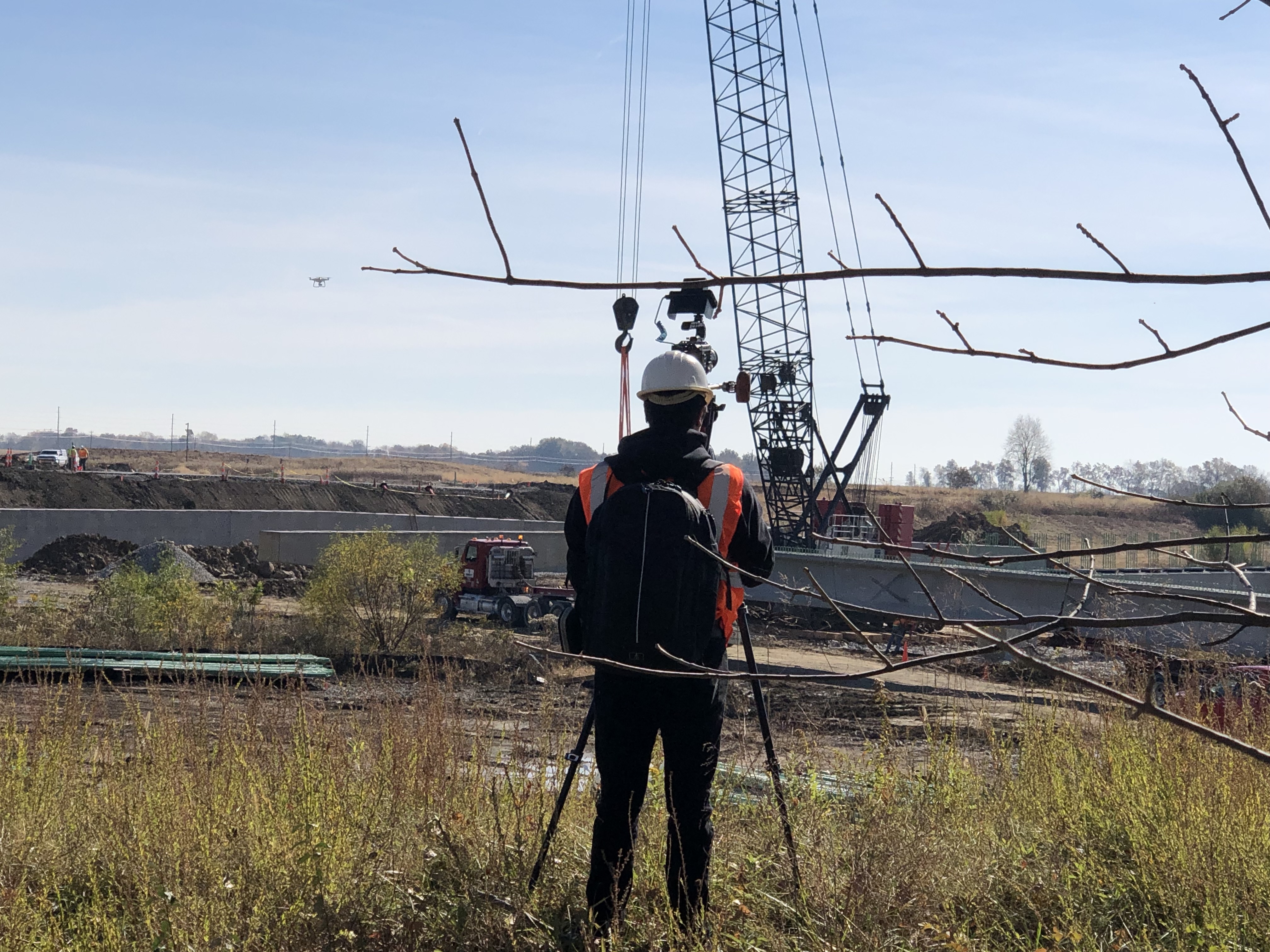
- Licensed Drone Pilots: For unique perspectives and aerial shots, our licensed drone pilots can capture stunning images.
- Custom Productions: We tailor our services to meet your specific media requirements, ensuring your brand stands out.
- Repurposing for Branding: We specialize in repurposing your photography and video for various platforms, maximizing your reach and impact.
- Private Studio Setup: Our studio is perfect for small productions and interview scenes, with ample space for props to enhance your set.
- Comprehensive Support: From custom interview setups to providing sound and camera operators, we offer everything you need for a flawless production.
With extensive experience working with businesses, marketing firms, and agencies in the St. Louis area, St Louis Photography Studio is your go-to partner for all your corporate photography and video needs. Our expertise and dedication ensure that your products are showcased in the best possible light, driving engagement and boosting your brand’s image.
By leveraging these advanced studio techniques and partnering with a professional service like St Louis Photography Studio, you can elevate your product photography to new heights. Contact us today to discuss how we can help you capture the perfect shot for your brand.
What are the Top 10 Questions Asked About a Product Photography Studio
Choosing the right product photography studio is crucial for businesses and organizations that rely on high-quality visual content to market their products. Decision-makers need to ensure they partner with a studio that not only delivers stunning images but also understands the nuances of their brand and marketing strategy. Here, we address the top 10 questions often asked about a product photography studio to help you make an informed decision.
1. What Types of Products Do You Specialize In?
Understanding the studio’s experience with specific product types is essential. Some studios excel in photographing small items like jewelry, while others might specialize in larger items like furniture or fashion.
2. Can You Provide Examples of Previous Work?
Reviewing a studio’s portfolio gives insight into their style, quality, and versatility. Look for diversity in their work and how well they capture different types of products.
3. What is Your Process for a Typical Shoot?
A professional studio will have a clear and organized process from pre-production planning to post-production editing. This includes understanding the client’s vision, setting up the shoot, and delivering the final product.
4. Do You Offer On-Location Shoots?
Depending on your needs, you might require on-location shoots. Ask if the studio is equipped to handle location shoots and what additional services they offer, such as site scouting and set design.

5. What Equipment Do You Use?
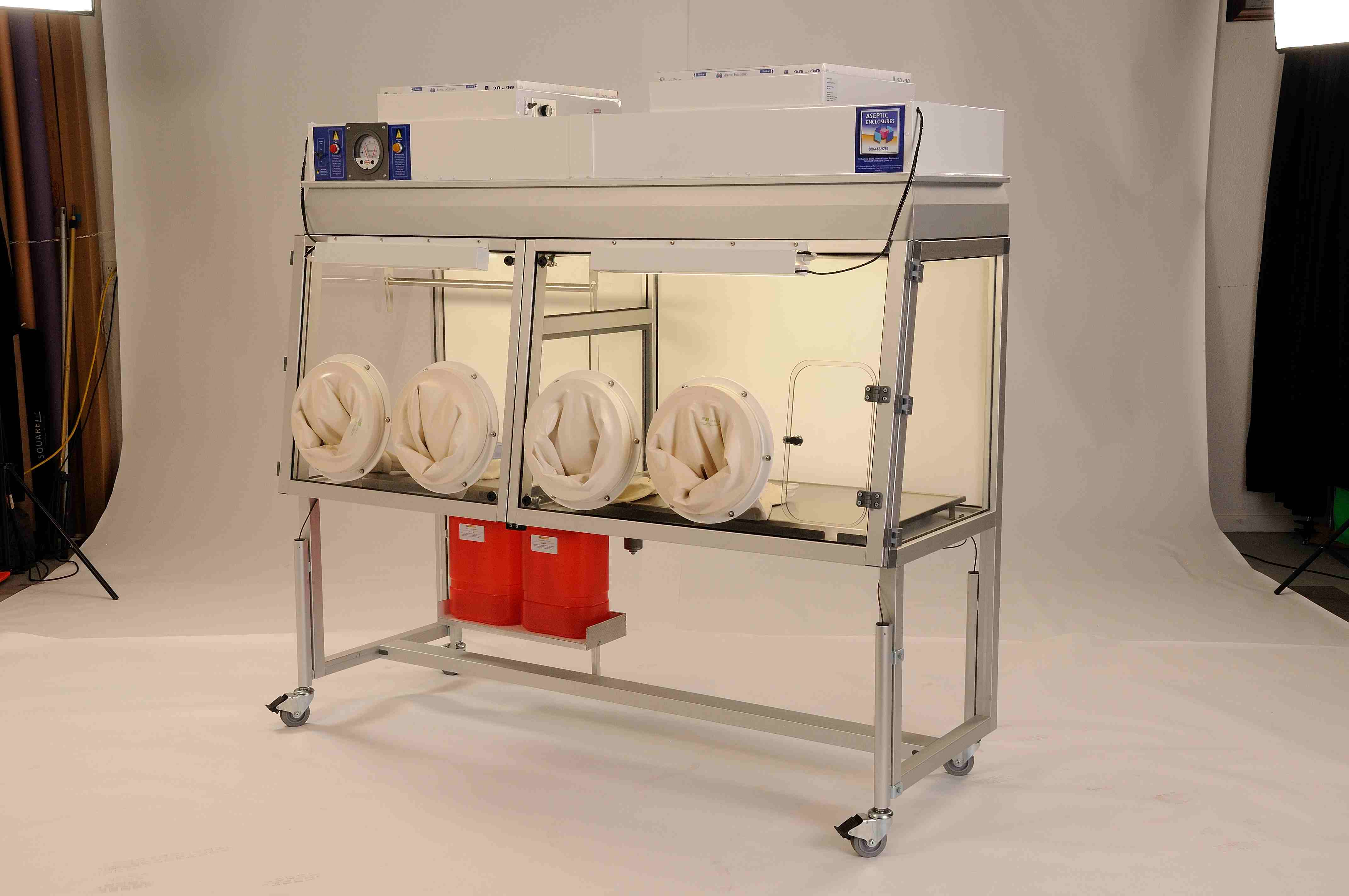
High-quality equipment is essential for professional results. Inquire about the cameras, lenses, lighting, and other equipment the studio uses. This can be a good indicator of their commitment to quality.
6. Do You Provide Post-Production Services?
Editing and post-production are critical aspects of product photography. Ask if the studio offers retouching, color correction, and other post-production services to ensure your images are perfect.
7. Can You Handle Large Volumes of Products?
For businesses with extensive product lines, it’s important to know if the studio can handle large volumes efficiently without compromising on quality.
8. What Are Your Rates and Payment Terms?
Understanding the pricing structure and payment terms is crucial. Ask for a detailed quote and clarify any additional costs that might arise during the project.
9. How Do You Ensure Consistency Across Multiple Shoots?
Consistency is key for brand recognition. The studio should have protocols in place to maintain consistent lighting, background, and styling across all your product images.
10. Do You Have Experience with E-Commerce and Print Requirements?
Different platforms have different requirements. Ensure the studio is familiar with the specifications for both e-commerce and print media to ensure your images meet all necessary standards.
Why Choose St Louis Photography Studio?
At St Louis Photography Studio, we are a full-service professional commercial photography and video production company with extensive experience and expertise. Our services include:
- Studio and Location Video and Photography: Whether you need a controlled studio environment or an on-location shoot, we have the right equipment and creative crew to deliver exceptional results.
- Editing and Post-Production: Our skilled editors and post-production team ensure your images and videos are polished and ready for any media platform.
- Licensed Drone Pilots: Our licensed drone pilots can capture stunning aerial shots, adding a unique perspective to your visual content. We can even fly our specialized drones indoors.
- Custom Productions for Diverse Media Requirements: We tailor our services to meet your specific needs, ensuring your photography and video branding gain more traction.
- Versatility in File Types and Media Styles: We are well-versed in various file types and styles, using the latest software to ensure your content is compatible with all media platforms.
- Private Studio Lighting and Visual Setup: Our private studio is perfect for small productions and interview scenes, with ample space to incorporate props for a comprehensive set design.
With a proven track record of working with many businesses, marketing firms, and agencies in the St. Louis area, St Louis Photography Studio is your go-to partner for corporate photography and video. We handle every part of your production, from custom interview studio setups to providing sound and camera operators, ensuring your next video production is perfect.
Partner with us and experience the difference of working with a dedicated and professional team that understands the importance of high-quality visual content for your brand.
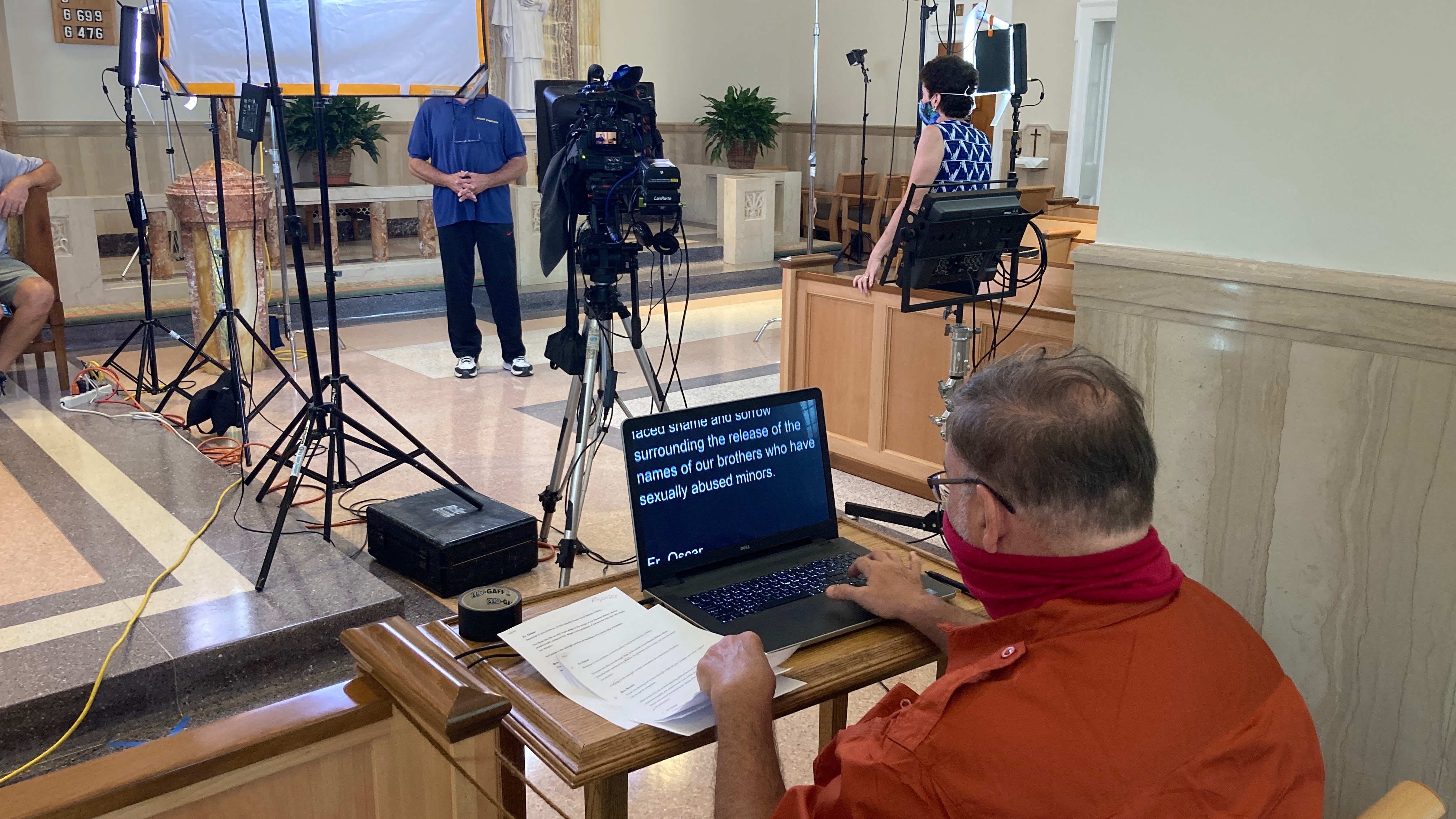
Working with Non-Professional Talent on Video
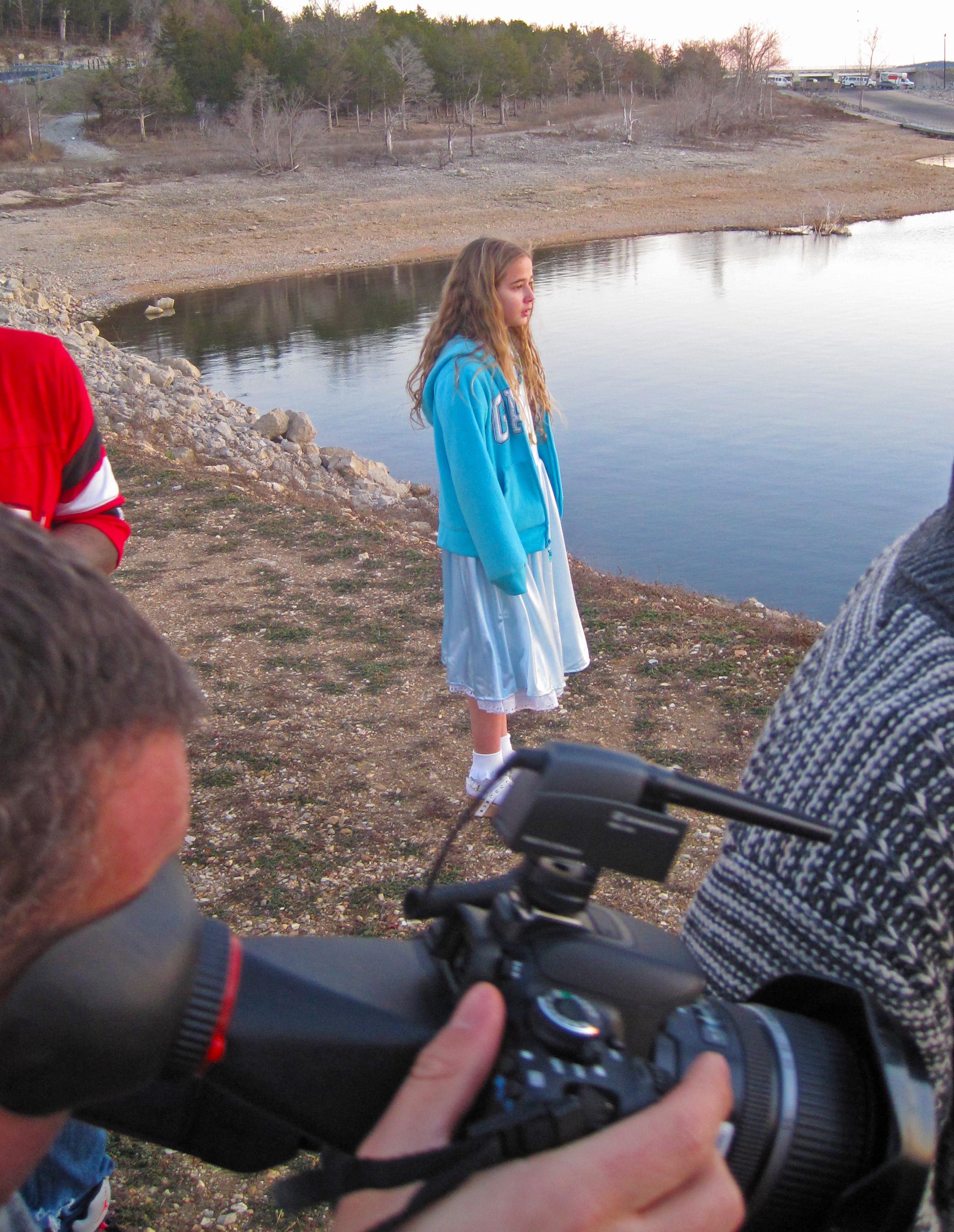
In the realm of video production, one of the most crucial aspects that can make or break a project is the talent involved. While seasoned actors and presenters may offer a polished performance, there are instances where working with non-professional talent becomes necessary or desirable. Whether due to budget constraints, authenticity requirements, or the need for a specific look or demographic, the ability to effectively collaborate with non-professional talent is a valuable skill for any video producer.
Understanding the Challenges
Working with non-professional talent presents unique challenges that require careful consideration and management. These challenges may include:
- Limited Experience: Non-professional talent often lacks experience in front of the camera, which can result in stiffness, awkwardness, or difficulty delivering lines convincingly.
- Nervousness: Many individuals feel nervous or self-conscious when appearing on camera, which can affect their performance and confidence.
- Inconsistent Performance: Unlike seasoned professionals, non-professional talent may struggle to deliver consistent performances take after take.
- Limited Availability: Non-professional talent may have other commitments or limited availability, which can impact scheduling and production timelines.
Strategies for Success
Despite these challenges, there are several strategies that video producers can employ to effectively work with non-professional talent:
- Establish Clear Expectations: Clearly communicate expectations regarding performance, wardrobe, and behavior to ensure everyone is on the same page from the outset.
- Create a Comfortable Environment: Foster a relaxed and supportive atmosphere on set to help alleviate nerves and encourage natural performances.
- Provide Guidance and Direction: Offer clear direction and feedback to help non-professional talent understand their role and deliver the desired performance.
- Offer Reassurance: Encourage and reassure non-professional talent, emphasizing that it’s okay to make mistakes and that the focus is on capturing authentic moments.
- Be Patient and Flexible: Understand that working with non-professional talent may require additional time and patience, and be flexible with scheduling and expectations.



Leveraging the Benefits
While there are certainly challenges associated with working with non-professional talent, there are also significant benefits to be gained:
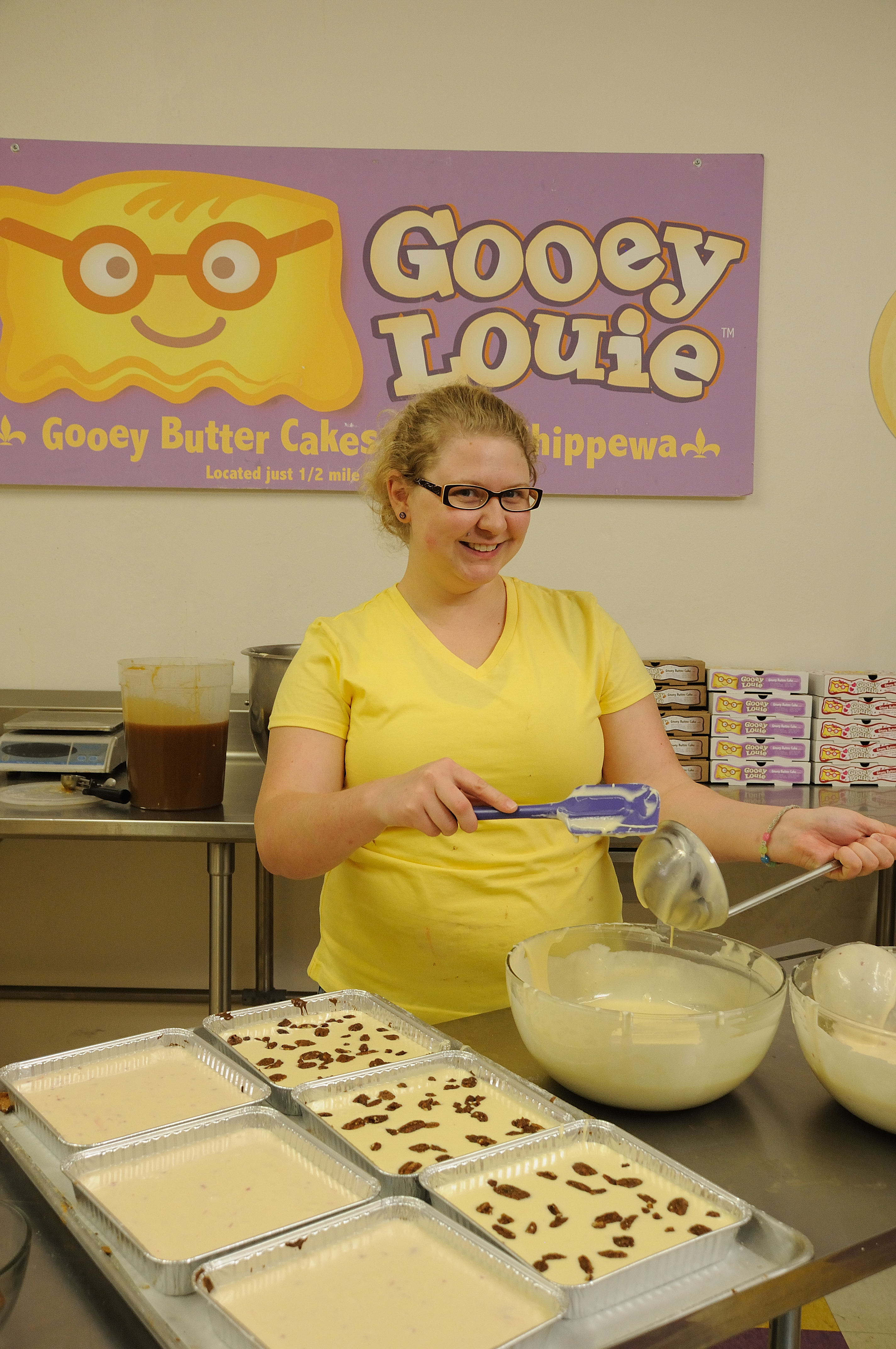
- Authenticity: Non-professional talent can bring a level of authenticity and relatability to a video that may be lacking with professional actors.
- Cost-Effectiveness: Working with non-professional talent can be more budget-friendly than hiring professional actors, making it a practical choice for projects with limited resources.
- Diverse Representation: Non-professional talent offers the opportunity to showcase a diverse range of voices, faces, and perspectives that may be underrepresented in mainstream media.
Conclusion
In conclusion, working with non-professional talent on video productions requires patience, skill, and careful management. By understanding the challenges involved and employing effective strategies for success, video producers can leverage the authenticity and cost-effectiveness of non-professional talent to create compelling and impactful content.
At St Louis Photography Studio, we understand the intricacies of video production and have extensive experience working with both professional and non-professional talent. As a full-service professional commercial photography and video production company, we offer a range of services tailored to meet the diverse needs of our clients. From studio and location video and photography to editing, post-production, and licensed drone piloting, we have the expertise and resources to bring your vision to life. Contact us today to learn more about how we can help you achieve your video production goals.
Insider Tips for Shooting Headshots at Your Next Conference Event
Are you gearing up for an upcoming conference or corporate event? Amongst the myriad of details you’re managing, don’t overlook the importance of capturing professional headshots. Whether for internal use, marketing materials, or individual branding, quality headshots are indispensable assets for any business or organization. As experienced photographers and videographers at St Louis Photography Studio, we understand the significance of headshots and offer these insider tips to ensure you make the most of your headshot session at your next event.
Planning Ahead is Key
1. Communicate Early:
- Reach out to your photography team well in advance to discuss your specific requirements, the event schedule, and any logistical considerations.
2. Location Scouting:
- Familiarize yourself with the event venue and identify suitable spaces for setting up a headshot station. Look for areas with ample natural light and minimal distractions.
3. Schedule Wisely:
- Plan the headshot sessions strategically, taking into account peak traffic times and breaks in the event schedule to ensure minimal disruption for attendees.
Setting Up for Success
4. Lighting Matters:
- Opt for soft, diffused lighting to minimize harsh shadows and create flattering portraits. Consider using reflectors or portable studio lights to enhance the overall lighting setup.
5. Backdrop Selection:
- Choose a clean and neutral backdrop that complements your brand aesthetic. Solid colors or branded backdrops work well for professional headshots.
6. Equipment Check:
- Ensure all camera gear, lenses, and accessories are in proper working condition. Have backup equipment on hand to mitigate any unforeseen technical issues.
Nailing the Shoot
7. Posing Guidance:
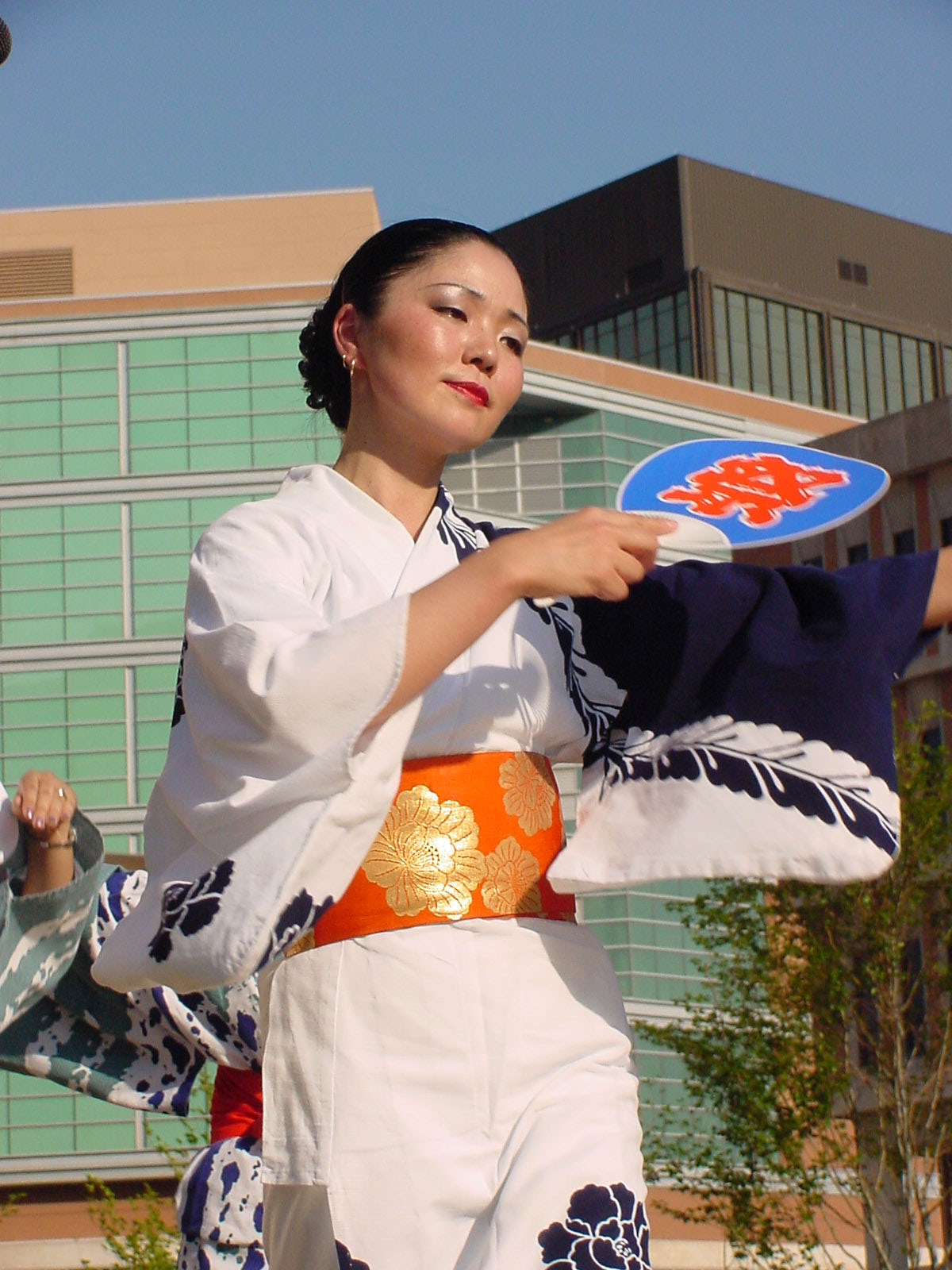
- Provide clear instructions to subjects on posing and posture to capture confident and approachable expressions. Encourage natural smiles and relaxed body language.
8. Engage with Subjects:
- Create a comfortable and relaxed atmosphere to help subjects feel at ease in front of the camera. Engage in friendly conversation to elicit genuine expressions.



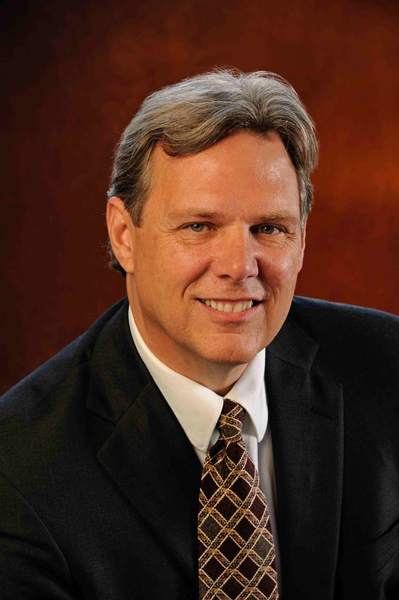

9. Review and Retouch:
- Offer on-site preview options for subjects to review their headshots immediately. Provide retouching services to enhance the final images as needed.
Maximizing the Results
10. Brand Consistency:
- Ensure consistency in style and branding across all headshots to maintain a cohesive visual identity for your organization.
11. Utilize the Assets:
- Incorporate the headshots into various marketing materials, websites, and social media profiles to maximize their impact and reach.
12. Feedback Loop:
- Solicit feedback from attendees and stakeholders to gauge satisfaction with the headshot sessions and identify areas for improvement.
By implementing these insider tips, you can elevate the quality of headshots captured at your next conference event and enhance your organization’s professional image.
As a full-service video and photography production company, St Louis Photography Studio has worked with many businesses, marketing firms, and agencies in the St. Louis area for their corporate photography and video needs. Contact us today to learn how we can tailor our services to meet your specific requirements and help you achieve your branding goals.
St Louis Photography Studio – Your Partner for Professional Image Acquisition.
Mastering the Art of Corporate Headshots: Best Practices and Trends
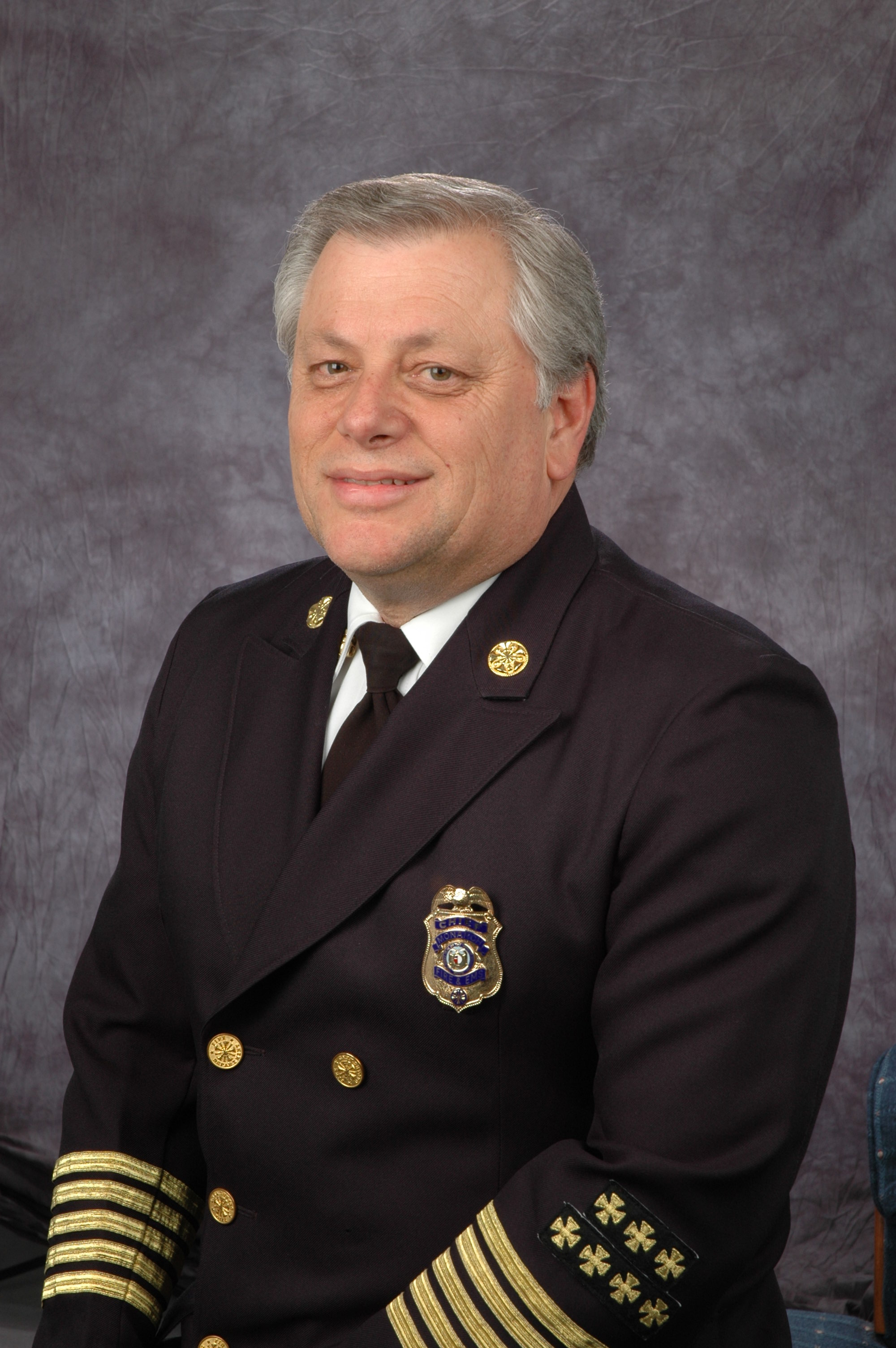
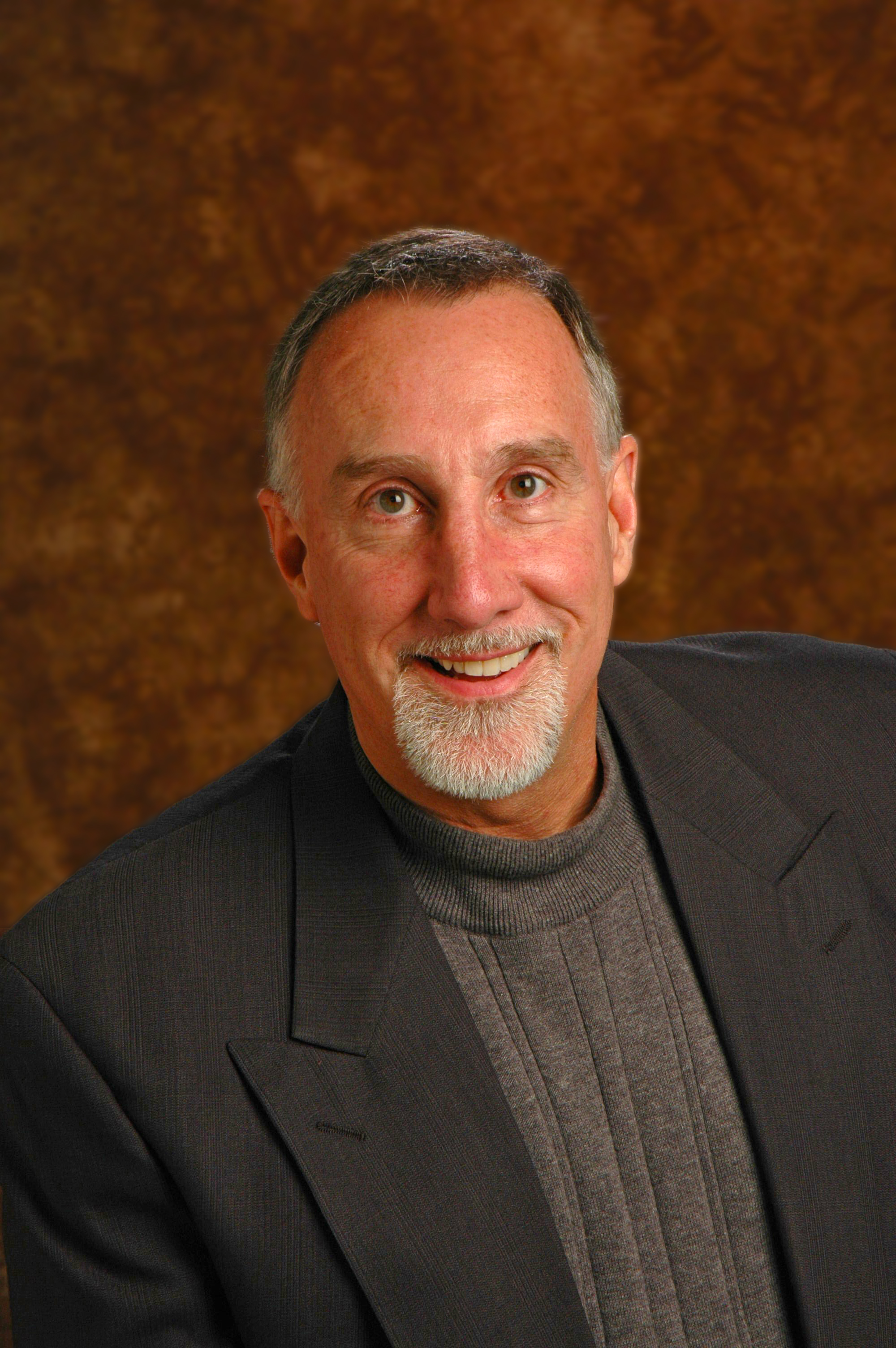
In the dynamic landscape of modern business, the significance of corporate headshots cannot be overstated. As decision makers in the realm of photography and headshot services for businesses, you understand that the image projected by your team is paramount to establishing credibility, professionalism, and approachability. Corporate headshots serve as the face of your brand, making a lasting impression on clients, partners, and stakeholders alike. In this comprehensive guide, we delve into the best practices and emerging trends to help you master the art of corporate headshots.
Understanding the Purpose
Before delving into the technical aspects, it’s crucial to grasp the purpose behind corporate headshots. Beyond mere identification, these images serve as powerful tools for brand representation and storytelling. A well-executed headshot communicates not only the individual’s role within the organization but also the values and ethos of the company as a whole. Whether displayed on websites, social media profiles, or marketing materials, corporate headshots play a pivotal role in shaping perceptions and fostering connections.
Embracing Authenticity
Gone are the days of stiff, overly formal headshots. Today’s trends lean towards authenticity and relatability. Clients are drawn to images that convey genuine personality and warmth. Encourage your team members to relax and showcase their authentic selves during the photoshoot. Genuine smiles, natural expressions, and relaxed postures can go a long way in establishing rapport with the audience.
Setting the Stage
The choice of setting can significantly impact the tone and message conveyed by corporate headshots. While traditional studio backdrops remain popular, there’s a growing trend towards environmental portraits that capture individuals within their workspaces or relevant surroundings. Consider incorporating elements of your company’s branding or industry-specific props to add visual interest and context to the images.
Lighting Mastery
Lighting is perhaps the most critical aspect of any photography endeavor, and corporate headshots are no exception. Optimal lighting can enhance facial features, minimize imperfections, and create a flattering overall aesthetic. Whether utilizing natural light, studio lighting setups, or a combination of both, ensure that the lighting complements the subject’s skin tone and conveys the desired mood.



Posing with Purpose
Effective posing can elevate a headshot from ordinary to extraordinary. Encourage your subjects to adopt confident yet relaxed poses that convey professionalism and approachability. Experiment with different angles, compositions, and expressions to find the most flattering and engaging poses for each individual.
Wardrobe Selection
The attire chosen for corporate headshots should align with your brand’s image and the intended message. Opt for timeless, professional attire that reflects the company’s culture and values. Avoid distracting patterns or overly trendy outfits that may detract from the subject’s face or overshadow the brand message.
Post-Processing Perfection
Post-processing techniques can enhance the overall quality and consistency of corporate headshots. From minor touch-ups to color correction and retouching, skilled editing can ensure that each image aligns seamlessly with your brand’s aesthetic. Exercise restraint to maintain a natural look while still achieving a polished final result.
Emerging Trends
As technology continues to evolve, so too do trends in corporate headshot photography. From dynamic cinemagraphs and animated portraits to immersive 3D avatars, there’s no shortage of innovative approaches to consider. Stay abreast of emerging trends and technologies to ensure that your corporate headshots remain relevant and impactful in a rapidly changing digital landscape.
Conclusion
In conclusion, mastering the art of corporate headshots requires a nuanced understanding of both technical expertise and creative vision. By embracing authenticity, setting the stage effectively, and paying careful attention to lighting, posing, wardrobe, and post-processing, you can create compelling images that resonate with your target audience and elevate your brand’s image.
As a full-service video and photography production company, St Louis Photography Studio has worked with many businesses, marketing firms, and agencies in the St. Louis area for their corporate photography and video. Our experienced team is equipped with the right equipment and creative prowess to deliver successful conference documentation, tailored to your specific needs. From full-service studio and location photography and video to editing, post-production, and licensed drone pilots, we offer comprehensive solutions to fulfill diverse media requirements. Let us help you elevate your brand with captivating corporate headshots and dynamic video content. Contact us today to discuss your project needs and discover the difference that professional photography and video production can make for your business.
Guide to Perfecting Conference Photography and Videotaping
In the fast-paced world of conferences and corporate events, the demand for high-quality photography and videography has never been greater. As an experienced photographer and videographer at St. Louis Photography Studio, I have had the privilege of working on countless conferences and have learned valuable insights into what it takes to capture these events successfully. In this comprehensive guide, I will share my expertise and tips on how to perfect conference photography and videotaping.
Understanding the Importance of Conference Documentation
Before diving into the technical aspects of conference photography and videography, it’s crucial to understand why documenting conferences is essential. Conferences serve as a platform for businesses and organizations to share valuable insights, network, and showcase their expertise. The content generated at these events often holds significant value, both for the organizers and the attendees.
1. Preserving Knowledge:
Conferences bring together industry experts and thought leaders who share their insights and knowledge. Proper documentation ensures that this valuable information is preserved for future reference.
2. Marketing and Promotion:
High-quality photos and videos can be used for marketing and promotional purposes. They can be featured on websites, social media, and marketing materials to attract future attendees and sponsors.
3. Networking Opportunities:
Conference documentation helps attendees connect with speakers, sponsors, and fellow participants. It also serves as a networking tool for those who couldn’t attend in person.
4. Content Repurposing:
Conference content can be repurposed into webinars, podcasts, blog posts, and more. This extends the life and reach of the conference’s message.
Pre-Conference Preparation
Successful conference documentation begins long before the event starts. Proper preparation is the key to ensuring that you capture every important moment.
1. Client Briefing:
Start by meeting with the event organizers to understand their specific goals and expectations. Discuss the schedule, key speakers, and any unique aspects of the conference that need special attention.
2. Scouting Locations:
Familiarize yourself with the conference venue. Identify key locations such as the main stage, breakout rooms, and networking areas. Knowing the layout will help you plan your shots effectively.
3. Equipment Check:
Ensure that your photography and video equipment is in excellent working condition. This includes cameras, lenses, tripods, microphones, and lighting equipment. Bring backups for critical gear.



4. Shot List:
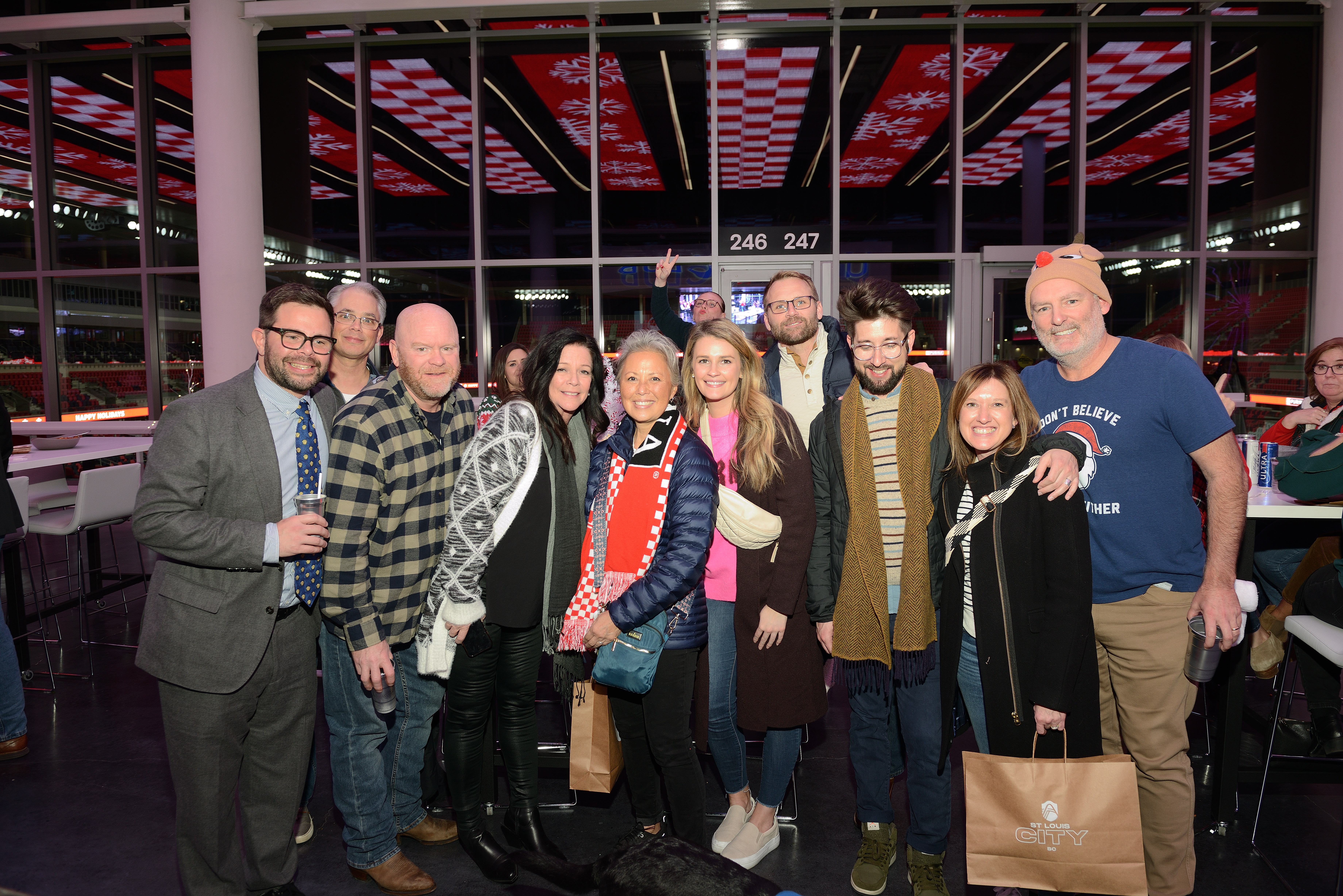
Create a shot list that includes the must-capture moments, such as keynote speeches, panel discussions, audience reactions, and candid moments. Having a shot list will help you stay organized during the event.
5. Communication:
Coordinate with the event organizers and other team members, if applicable. Clear communication ensures that everyone is on the same page regarding the schedule and priorities.
Capturing the Conference
Now that you’re well-prepared, let’s delve into the techniques and strategies for capturing the conference effectively.
1. Setting up Shots:
Position yourself strategically to capture key moments. Use tripods or stabilizers for steady shots. Be mindful of obstructing views or causing distractions to attendees.
2. Lighting:
Lighting can make or break your photos and videos. Utilize natural light whenever possible, but be prepared to use artificial lighting when needed. Adjust white balance to ensure accurate colors.
3. Audio:
Good audio quality is essential for video recordings. Use external microphones to capture clear sound. Test audio levels beforehand and monitor throughout the event.
4. Composition:
Pay attention to composition principles such as the rule of thirds, leading lines, and framing. Capture a variety of shots, including wide-angle for context and close-ups for emotion.
5. Candid Moments:
Some of the most authentic and memorable shots come from candid moments. Keep an eye out for reactions, interactions, and emotions in the crowd.
6. Variety:
Capture a mix of wide shots to establish the setting and close-ups to convey emotions. Also, vary your angles by shooting from different perspectives, including high and low angles.
7. Continuous Shooting:
Use burst mode for photography and continuous recording for videography during critical moments. This ensures you don’t miss important expressions or actions.
8. Backups:
Always have spare memory cards and batteries on hand. Running out of storage or power during a crucial moment can be disastrous.
Post-Production and Editing
Once the conference is over, your work is far from finished. Post-production and editing are where you refine your raw footage and images into polished final products.
1. Selection:
Go through all your footage and images to select the best shots. Eliminate any duplicates or low-quality content.
2. Editing:
Use professional editing software to enhance the color, contrast, and sharpness of your photos and videos. Adjust audio levels and remove any background noise.
3. Storytelling:
Arrange your footage and images in a way that tells a cohesive story of the conference. Create engaging narratives that captivate the audience.
4. Graphics and Text:
Add relevant graphics, titles, and captions to your videos to provide context and information.
5. Branding:
Incorporate the conference branding and logo into your videos and photos. This helps reinforce the event’s identity.
6. Music:
If suitable, add background music to your videos to enhance the overall atmosphere and engagement.
Delivering the Final Product
Once you’ve completed the post-production process, it’s time to deliver the final product to the client. Here are some important steps to ensure a smooth handover:
1. File Organization:
Organize all files neatly in folders and use clear naming conventions. Provide a clear file structure to the client.
2. File Formats:
Deliver files in the formats requested by the client. Typically, high-resolution JPEGs for photos and MP4 or MOV for videos are standard.
3. Delivery Method:
Determine how the client wants to receive the files. Whether it’s through a secure online portal, physical media, or a cloud storage service, ensure a secure and efficient delivery process.
4. Usage Rights:
Discuss usage rights with the client. Specify whether they have exclusive rights to the content or if you retain any rights for portfolio or promotional purposes.
5. Feedback:
Encourage the client to provide feedback on the delivered content. This helps build a strong working relationship and ensures client satisfaction.
Repurposing Conference Content
One of the strengths of a professional photography and video production company is the ability to repurpose conference content effectively. Repurposing extends the lifespan and reach of the content, maximizing its value.
1. Webinars:
Turn conference presentations into webinars or online courses. This allows a broader audience to access the valuable information presented at the event.
2. Podcasts:
Extract audio from conference videos and create podcasts. Podcasts are a popular format for sharing knowledge and insights.
3. Blog Posts:
Convert key takeaways from the conference into informative blog posts. These can be shared on the client’s website or other industry-related platforms.
4. Social Media Content:
Create short video clips or image quotes from the conference content for social media. These snippets can generate interest and engagement.
5. E-books and Reports:
Compile conference highlights and insights into e-books or reports. These can be used for lead generation or as valuable resources.
Expertise in Diverse Media and Software
At St. Louis Photography Studio, we pride ourselves on our expertise in handling various file types and styles of media. Our creative crew is well-versed in industry-standard software, ensuring that your conference documentation is not only visually appealing but also technically flawless.
1. File Formats:
We can work with a wide range of file formats, including RAW, JPEG, PNG, TIFF, MP4, MOV, and more.
2. Editing Software:
Our team is proficient in using professional editing software such as Adobe Photoshop, Lightroom, Premiere Pro, Final Cut Pro, and DaVinci Resolve.
3. Graphic Design:
If your project requires graphic design elements, our talented designers can create stunning visuals to complement your content.
4. Audio Enhancement:
We have the tools and expertise to enhance audio quality, reduce background noise, and deliver crystal-clear sound in your videos.
Conclusion
In the world of conference photography and videography, precision and attention to detail are paramount. Successful documentation not only preserves valuable knowledge but also serves as a powerful marketing tool and a source of content for various media platforms.
As a full-service video and photography production company, St. Louis Photography Studio has worked with many businesses, marketing firms, and agencies in the St. Louis area for their corporate photography and video needs. With our experienced team, state-of-the-art equipment, and expertise in diverse media and software, we are well-equipped to handle all your conference documentation requirements.
Don’t miss the opportunity to make your next conference a resounding success. Contact St. Louis Photography Studio today to discuss your conference documentation needs and discover how our services can elevate your event to the next level. Let us help you capture the moments that matter most.
Full Service Professional Headshots in St. Louis
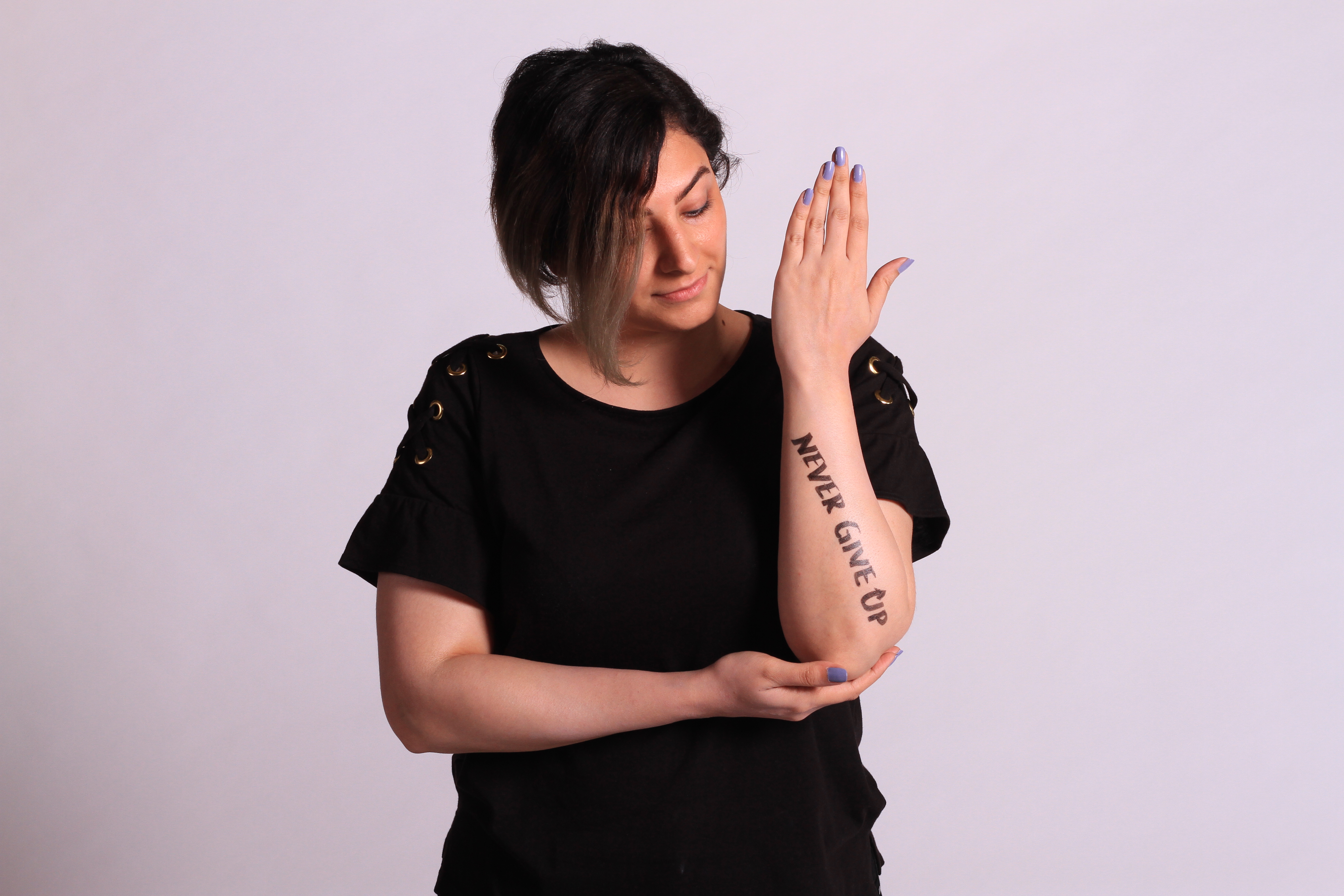
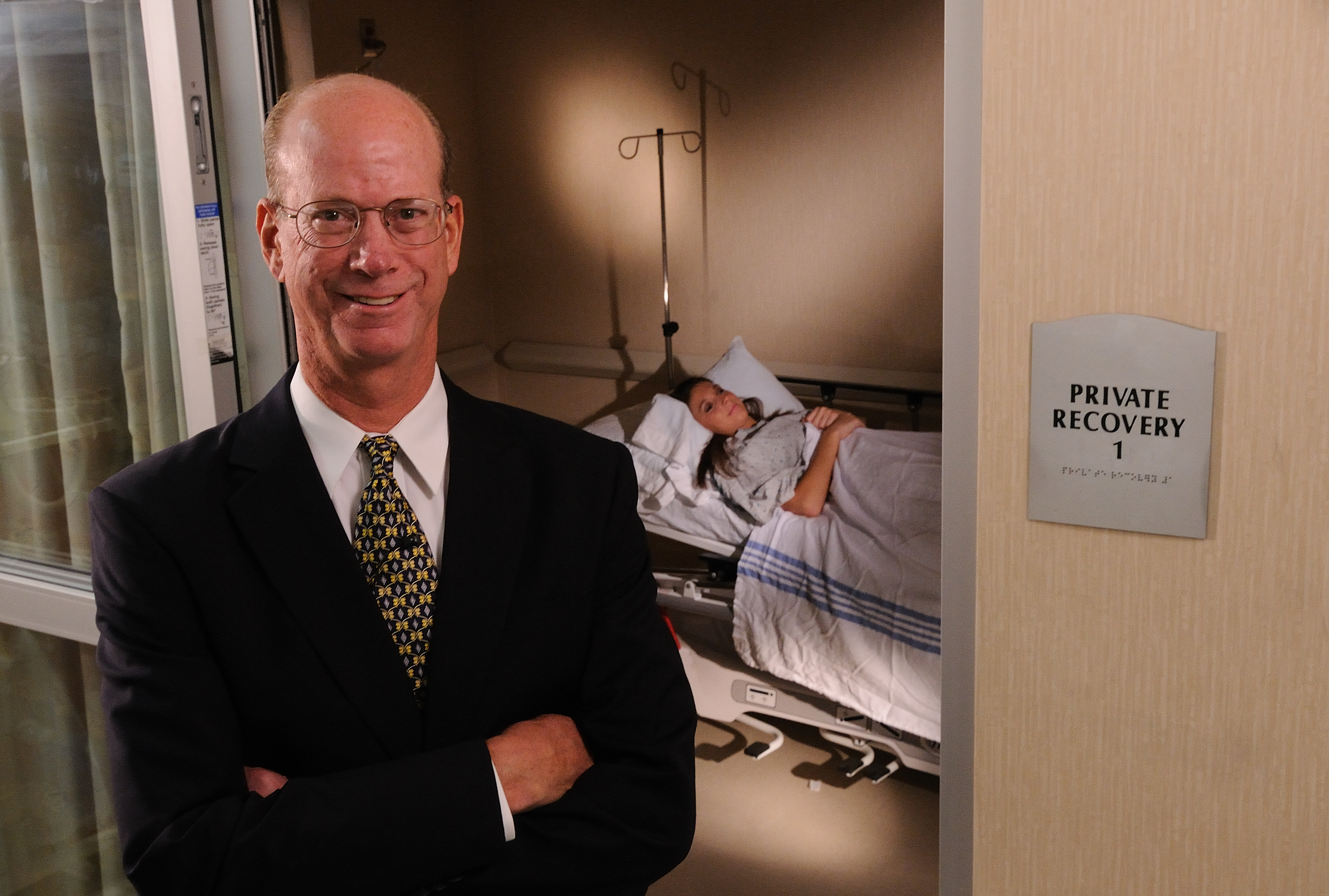
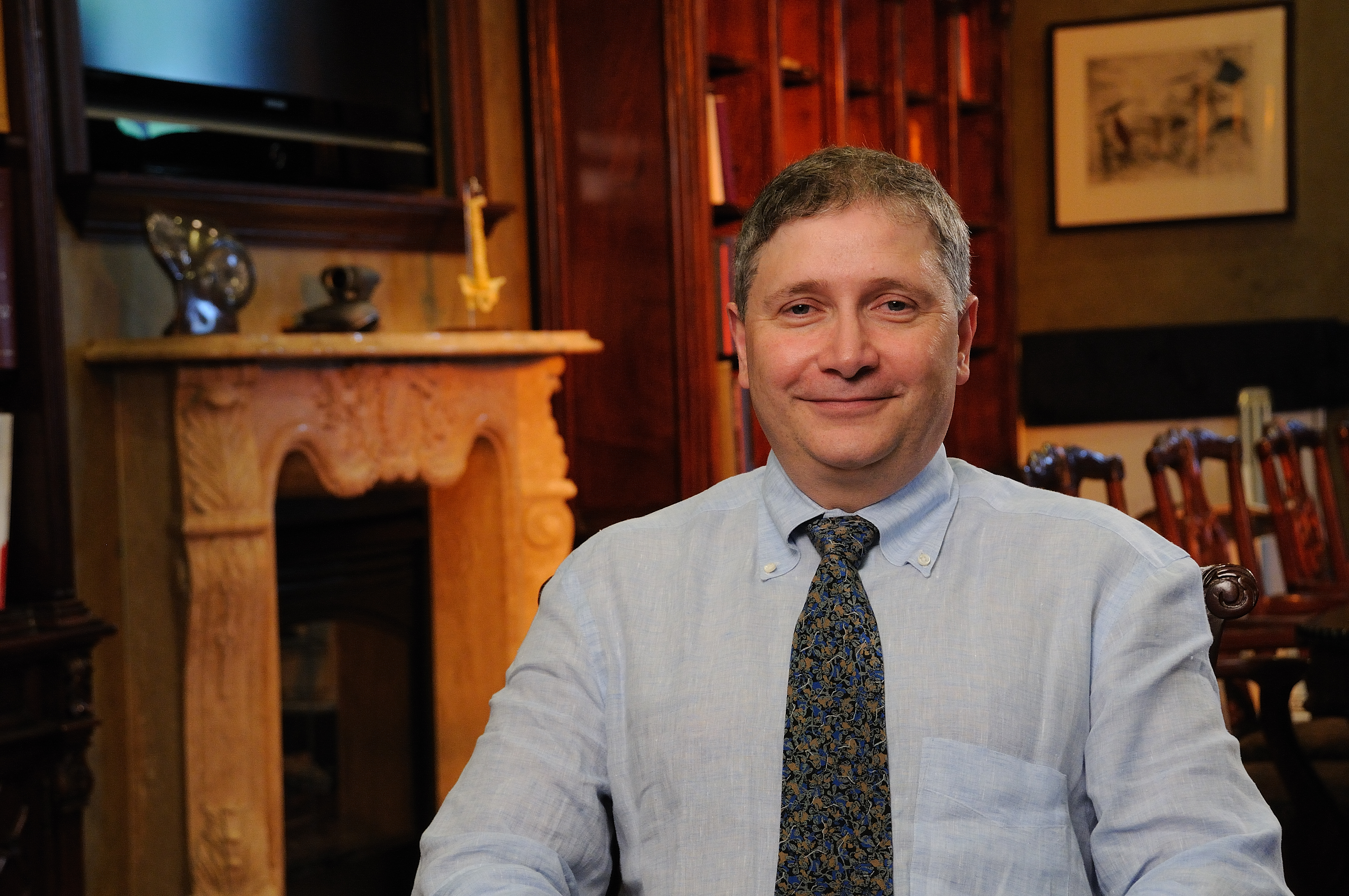
We can come to your location or you can visit our full-service photography studio. Whether you’re a business executive, an actor, a model, or a professional in any field, a high-quality headshot can make a significant difference in how you present yourself to the world. It’s not just about having a pretty picture; it’s about conveying your personality, professionalism, and confidence. That’s where a full-service professional photography studio like St. Louis Photography Studio comes into play.
Why Professional Headshots Matter
Before we dive into the intricacies of professional headshot photography and how St. Louis Photography Studio can meet your needs, let’s discuss why having a professional headshot is crucial.
1. First Impressions Count
In today’s fast-paced world, first impressions often occur online, where your headshot serves as your virtual handshake. Whether it’s on LinkedIn, your company’s website, or your social media profiles, your headshot is the first thing people see. It’s your chance to make a positive and lasting impression.
2. Building Trust and Credibility
A professional headshot conveys trust and credibility. It shows that you take yourself and your profession seriously. People are more likely to trust and engage with individuals or businesses that have polished and professional images.
3. Personal Branding
Your headshot is an integral part of your personal branding. It should reflect your personality, style, and the image you want to project. It’s a visual representation of your brand, and it should be consistent across all your marketing materials.
4. Competitive Advantage
In a competitive job market or business environment, a well-crafted headshot can give you a competitive advantage. It can help you stand out from the crowd and leave a memorable impression on potential clients, employers, or partners.


The Art of Professional Headshot Photography
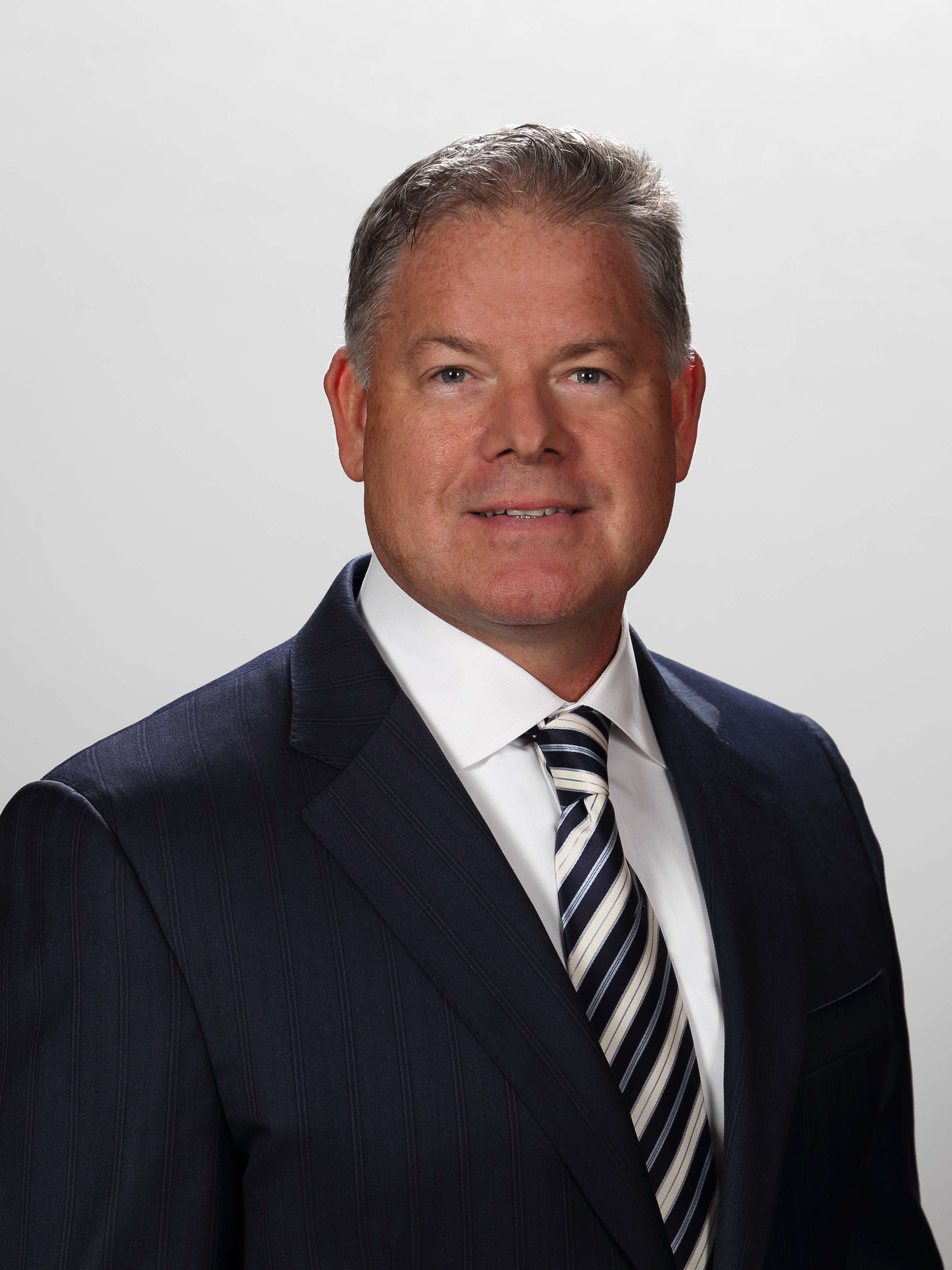
Creating a professional headshot is not as simple as pointing a camera and taking a picture. It requires a combination of technical expertise, artistic vision, and the right equipment. At St. Louis Photography Studio, we understand the nuances of professional headshot photography and excel in delivering exceptional results.
1. Lighting
Lighting is the cornerstone of any great headshot. We use a variety of lighting techniques to create the perfect balance between highlights and shadows, ensuring your features are beautifully accentuated. Our expert photographers are skilled in using natural light, studio lighting, and on-location lighting setups to achieve the desired effect.
2. Posing and Expression
Your pose and expression play a vital role in conveying the right message. Our photographers have years of experience in guiding clients to strike the perfect pose and capture genuine expressions that reflect your personality. Whether you want to appear approachable, authoritative, or friendly, we’ve got you covered.
3. Wardrobe and Styling
Choosing the right wardrobe and styling can make a significant difference in the outcome of your headshot. Our team can provide guidance on clothing choices, accessories, and makeup to ensure you look your best and feel confident during the session.
4. Background and Location
The background of your headshot can set the tone and context for your image. Whether you prefer a traditional studio backdrop, an outdoor location, or an on-site workplace setting, we have the expertise to create the perfect background that suits your brand and personality.
5. Image Editing and Retouching
After the photoshoot, our skilled retouching team steps in to enhance your images further. We use advanced editing techniques to remove blemishes, improve skin tone, adjust color balance, and fine-tune every detail to perfection. Rest assured that your final headshots will be flawless.
6. Customization for Different Media
At St. Louis Photography Studio, we understand that your headshots may be used across various media platforms, from business cards and websites to social media profiles and marketing materials. We can customize your headshot images to meet the specific requirements of each medium, ensuring a consistent and professional look across all channels.
7. Repurposing for Maximum Impact
We go beyond creating great headshots. Our team can help you repurpose your branding images to gain more traction. Whether it’s creating banners, graphics, or other promotional materials, we have the skills and experience to maximize the utility of your headshots.
8. Expertise in File Types and Styles
We are well-versed in all file types and styles of media, along with the accompanying software. Whether you need high-resolution images for print publications or web-optimized files for online use, we’ve got the technical expertise to deliver the right format for your needs.
Why Choose St. Louis Photography Studio
As a full-service professional commercial photography company, St. Louis Photography Studio is well-equipped and experienced in providing exceptional headshot photography services. Here’s why you should choose us for your headshot needs:
1. Extensive Experience
We have years of experience working with individuals, businesses, and agencies in the St. Louis area. Our extensive portfolio showcases our proficiency in corporate photography and video production.
2. State-of-the-Art Equipment
We invest in top-of-the-line photography equipment and technology to ensure that your headshots are of the highest quality. From high-resolution cameras to advanced lighting setups, we have everything needed to capture stunning images.
3. Creative Crew
Our team comprises talented photographers, makeup artists, wardrobe stylists, and retouching experts who work together to bring out the best in you. We understand that a successful headshot is a collaborative effort, and our creative crew is dedicated to achieving the perfect result.
4. Customized Solutions
We understand that every client is unique, and their headshot needs may vary. That’s why we offer customized solutions tailored to your specific requirements. Whether you need individual headshots or a group session for your team, we can accommodate your needs.
5. Commitment to Quality
At St. Louis Photography Studio, we take pride in delivering high-quality headshots that exceed your expectations. Our commitment to excellence is evident in every aspect of our work, from the initial consultation to the final delivery of your images.
6. Affordable Packages
We offer competitive pricing packages to suit various budgets. Our goal is to provide exceptional value for your investment in professional headshots.
7. Quick Turnaround
We understand that time is often of the essence when it comes to headshots. That’s why we prioritize quick turnaround times without compromising on quality. You’ll receive your final edited images promptly.
8. Trusted by Local Businesses and Agencies
As a full-service photographer, St. Louis Photography Studio has worked with many businesses and agencies in the St. Louis area for their corporate photography and video needs. Our track record of satisfied clients speaks to our professionalism and reliability.
Conclusion
Investing in professional headshots is an investment in your personal and professional image. Whether you’re an individual looking to enhance your online presence or a business seeking to make a strong impression, St. Louis Photography Studio has the expertise and resources to deliver exceptional headshot photography services.
Contact us today to schedule a consultation and discover how our full-service approach can elevate your image and help you stand out in the competitive landscape. Don’t miss the opportunity to leave a lasting and positive impression with a stunning headshot from St. Louis Photography Studio.


 S
S


-




-







-




-












-