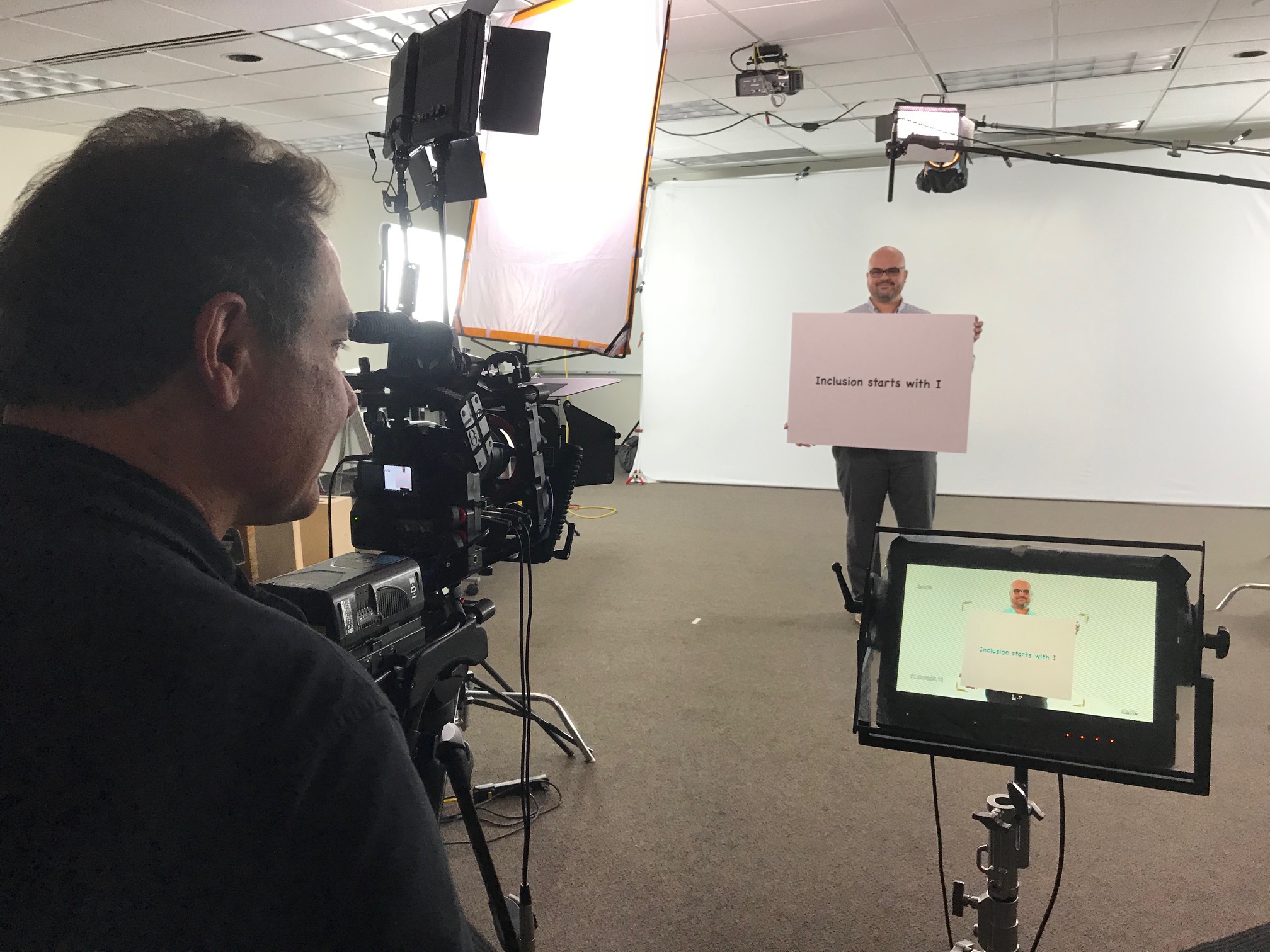
St Louis Photography Studio
Commercial Photographers | Product and Food Photography | Business Portraits
Professional Corporate Event Photography and Video Production in St. Louis: Capturing Moments That Build Your Brand
Every corporate event represents an investment in people, planning, facilities, communications, and brand development. From industry conferences and trade shows to executive presentations, fundraising galas, employee celebrations, and product launches, these gatherings create opportunities to tell an organization’s story through professional photography and video.
Yet many companies overlook one of the most valuable aspects of hosting an event: the opportunity to build a collection of authentic, professionally produced marketing images and video content.
For marketing directors, communications managers, human resources professionals, corporate leadership, event planners, and creative agencies, professional event photography and video production should be an important component of the overall marketing and communications strategy.
At St Louis Photography Studio, we understand that successful corporate event coverage involves considerably more than taking photographs or recording speeches. It requires advance planning, professional lighting and camera equipment, sound recording expertise, experienced production crews, location scouting, creative composition, and an understanding of how captured imagery will be used.
As a full-service commercial photography and video production company with experience dating back to 1982 through Haller Concepts, we provide the technical capabilities and creative services necessary to capture, edit, and deliver professional visual content for St. Louis businesses and organizations.
Corporate Event Photography Is an Investment in Long-Term Marketing Content
A business conference might last two days. An executive presentation could take less than an hour. A corporate celebration may occupy only an evening.
However, the professional photography and video acquired during these events can continue supporting marketing campaigns, employee recruitment, corporate communications, and business development for years.
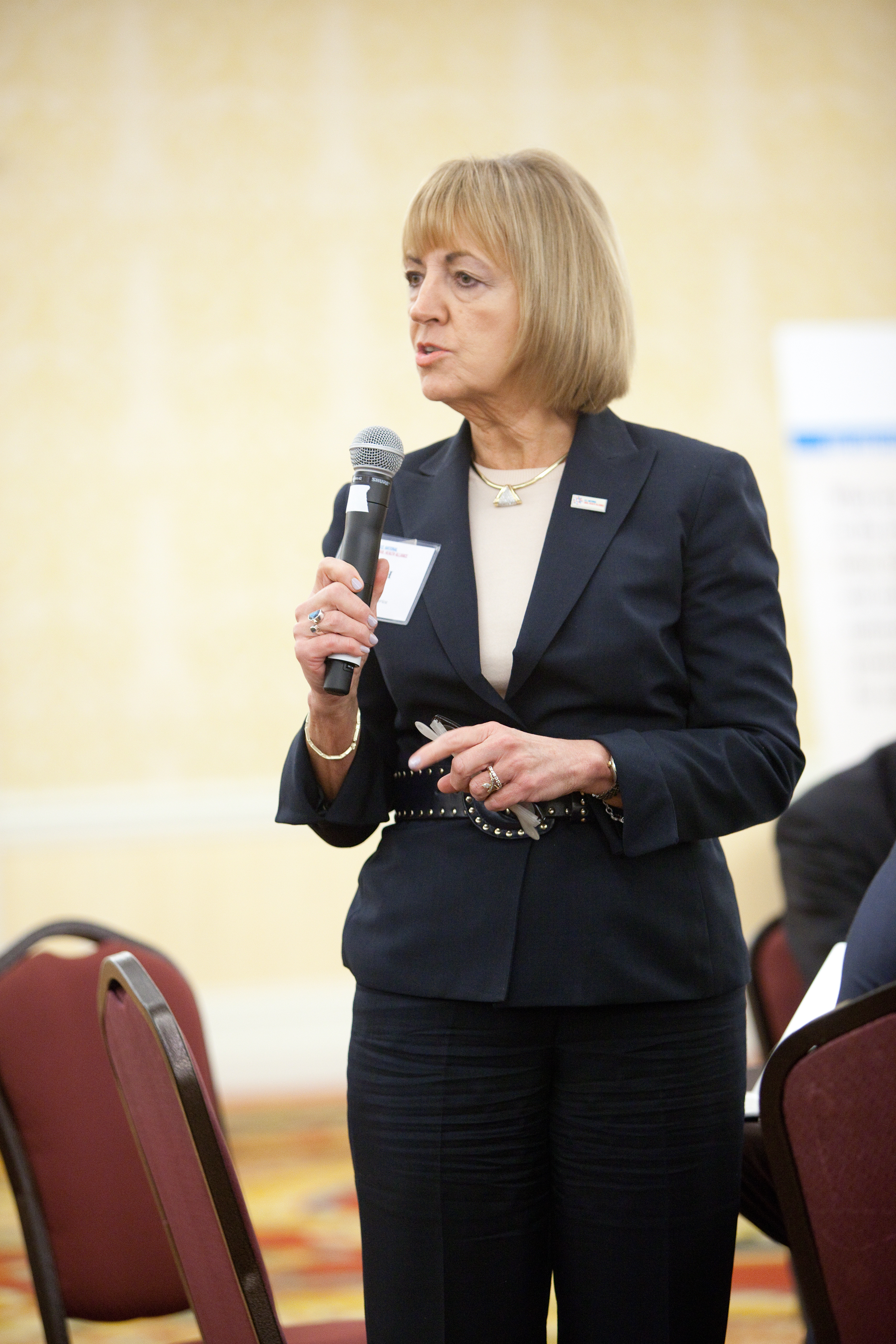
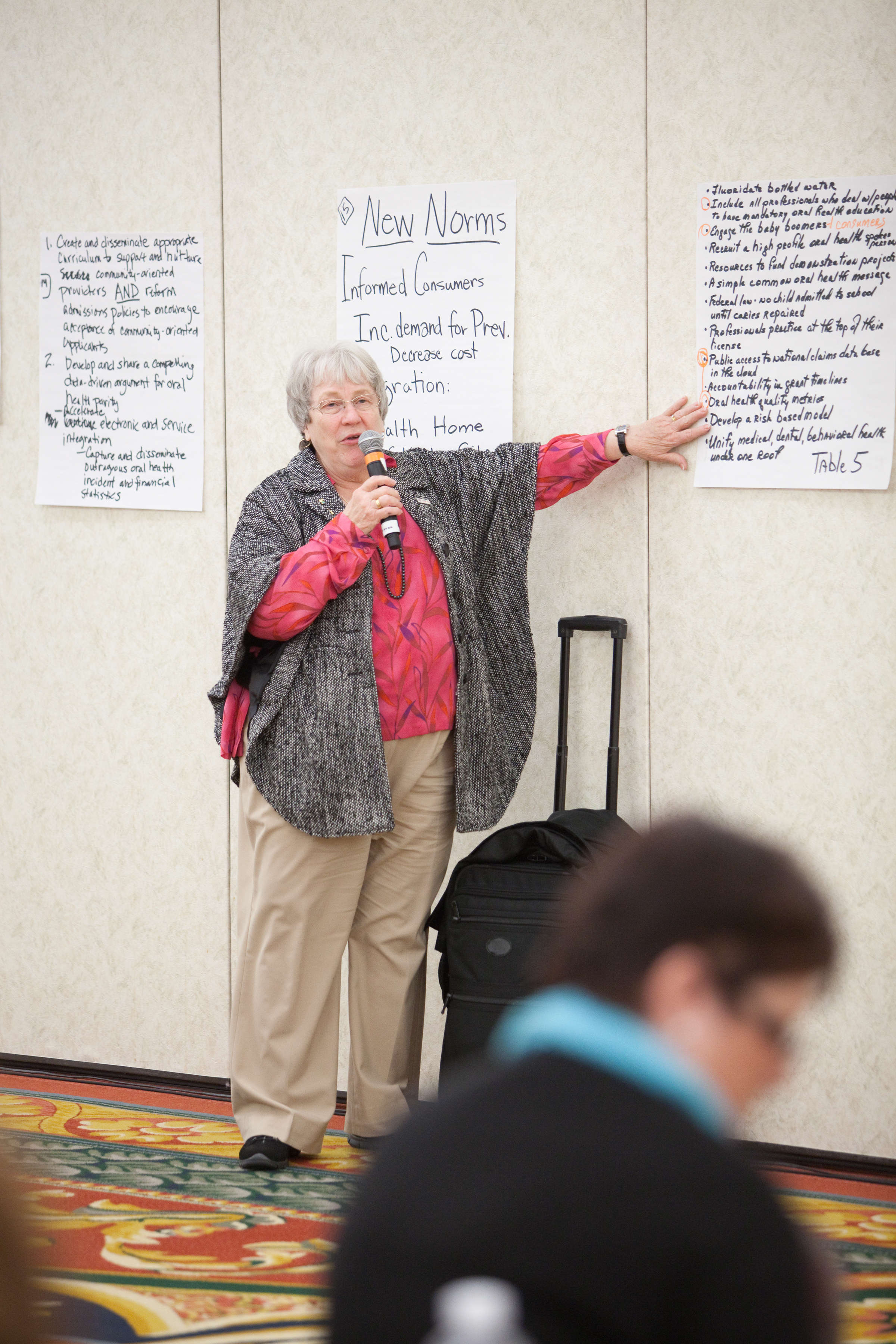
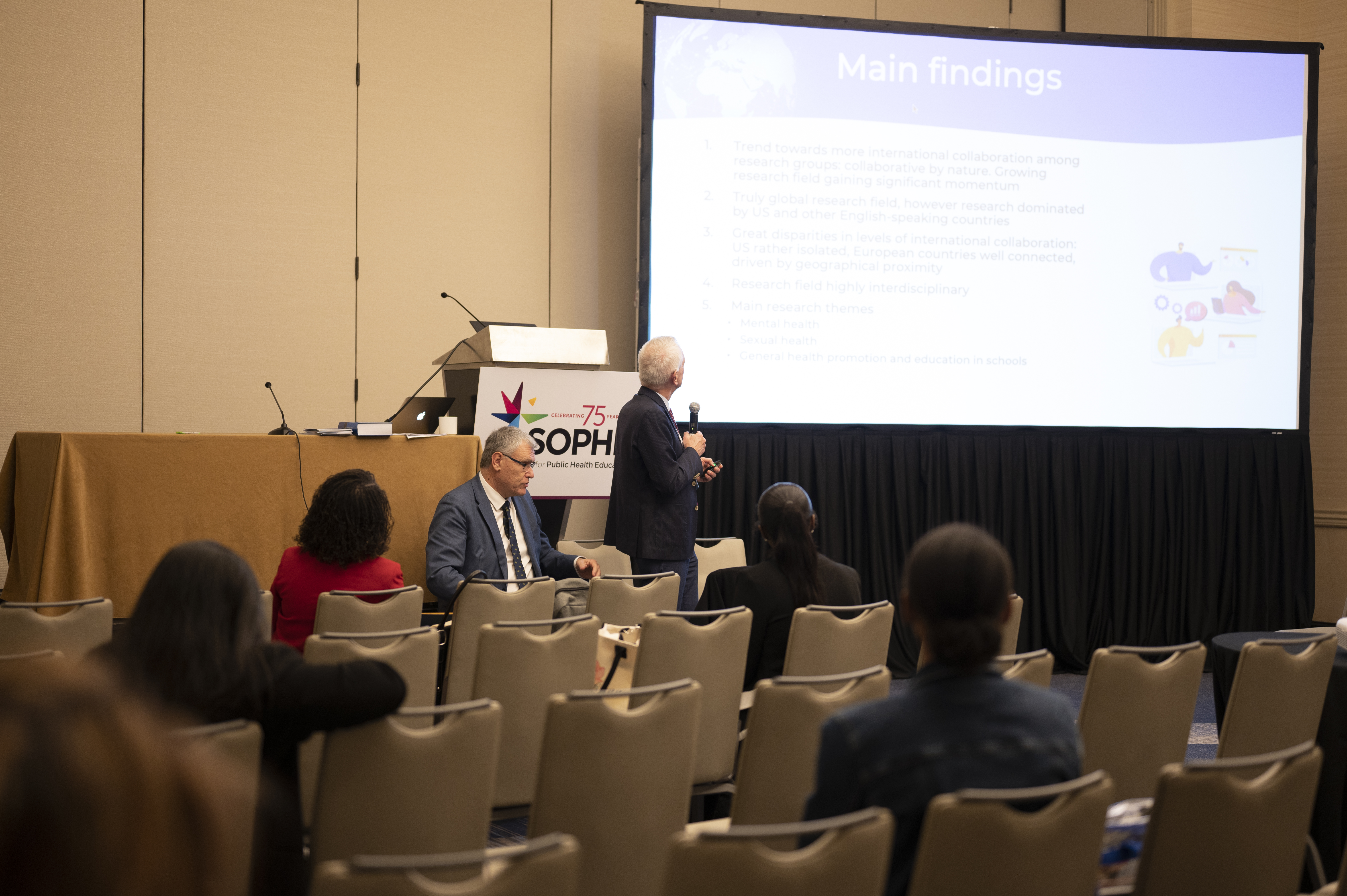
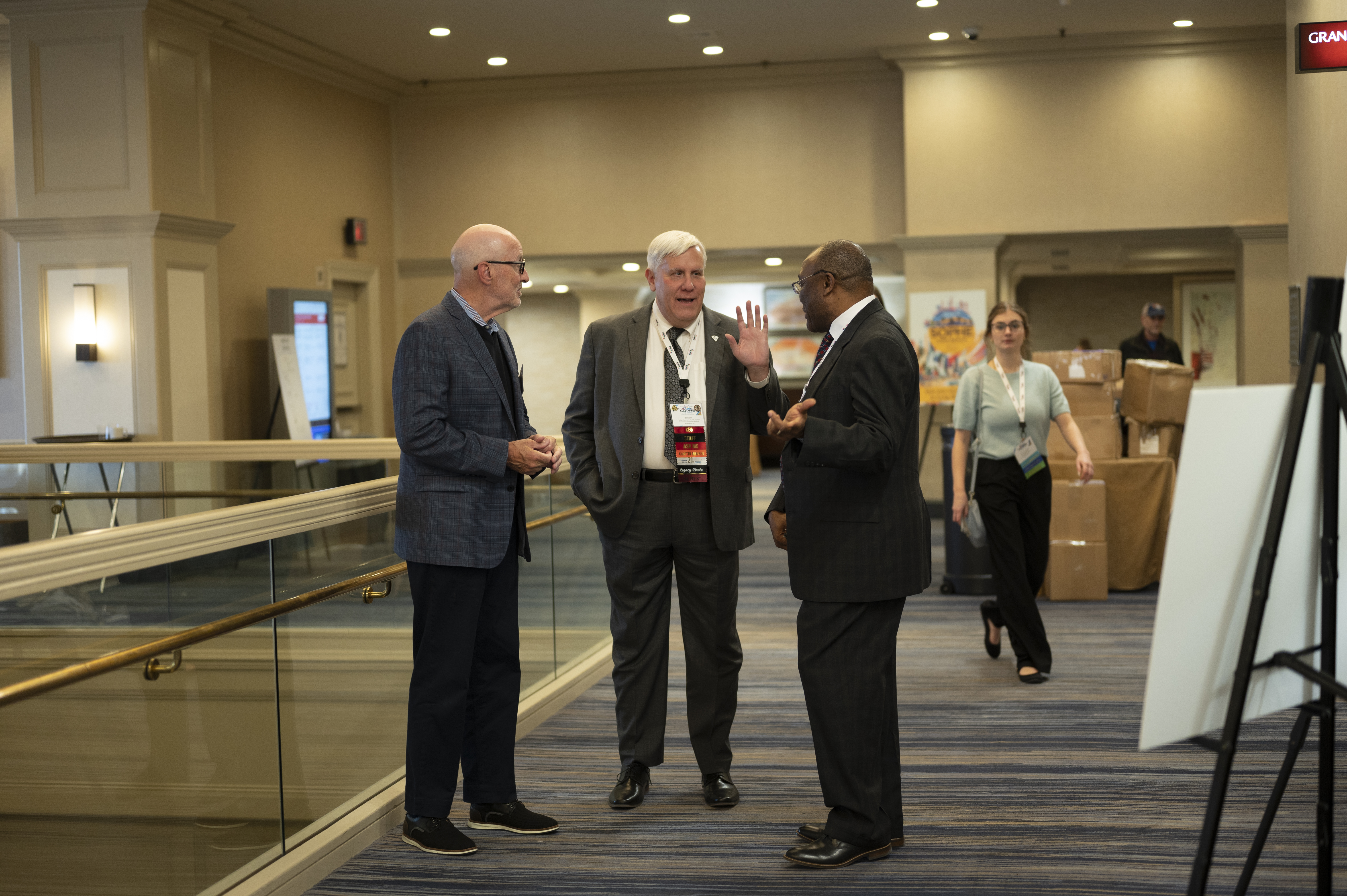
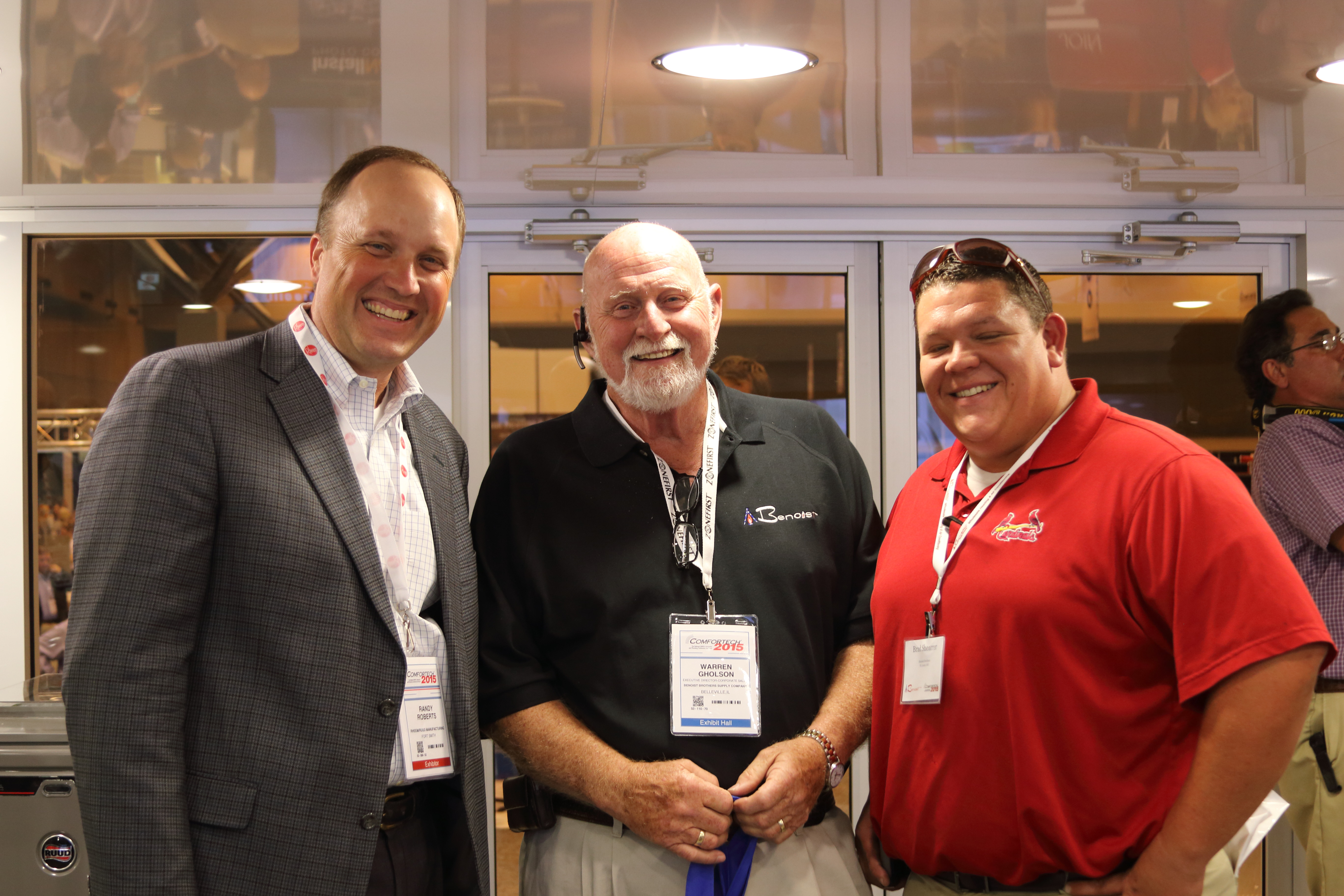
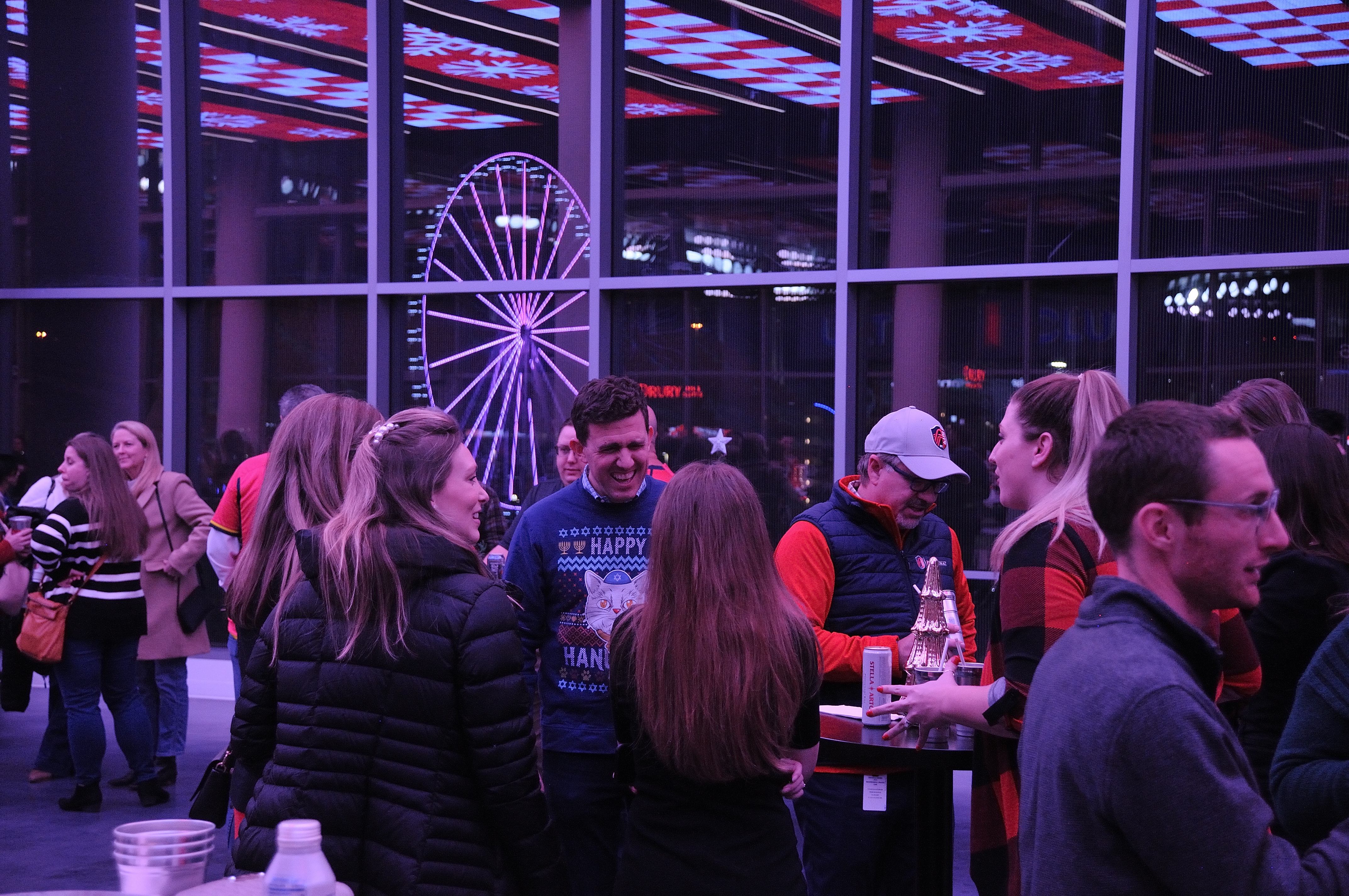
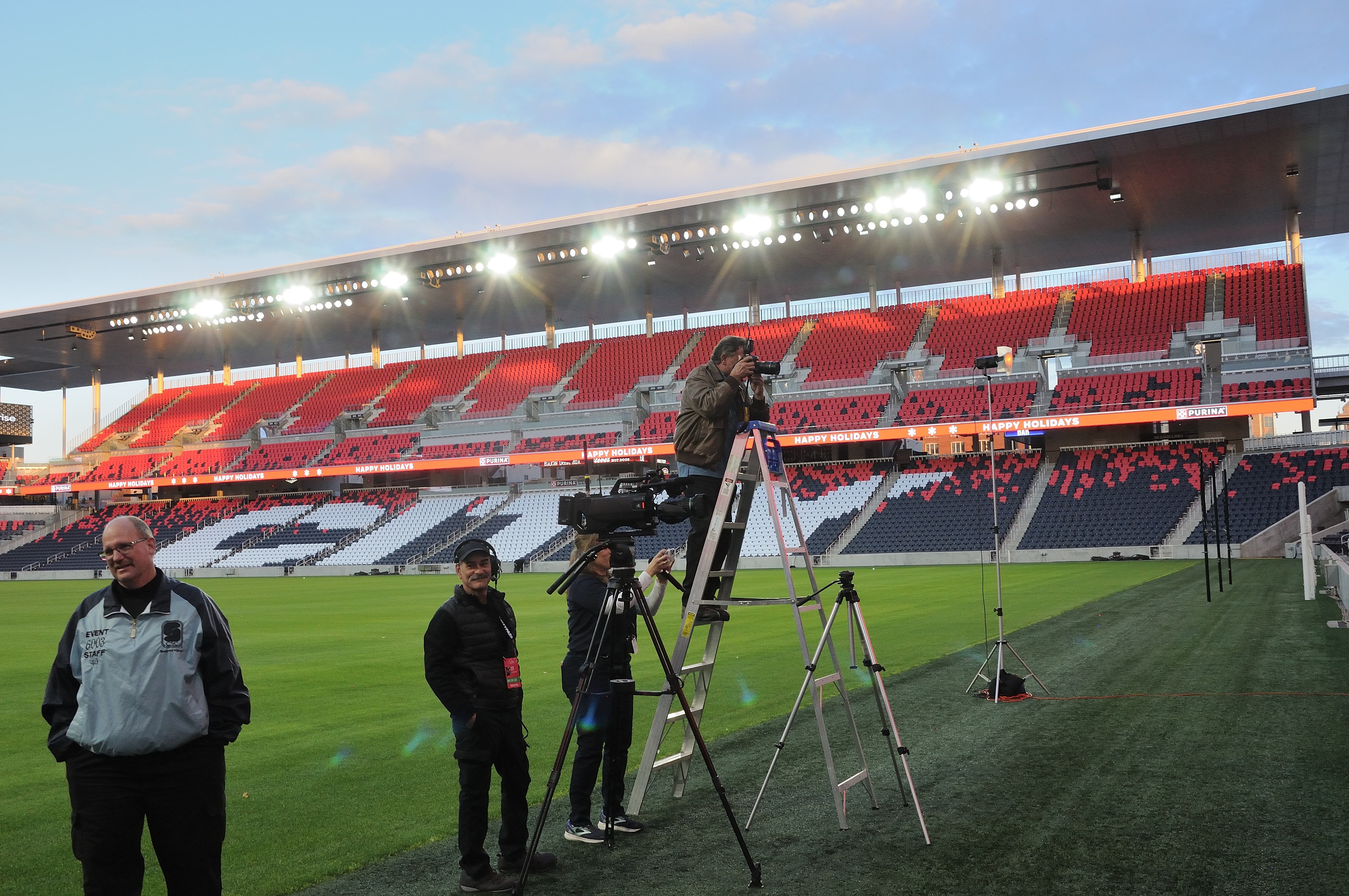
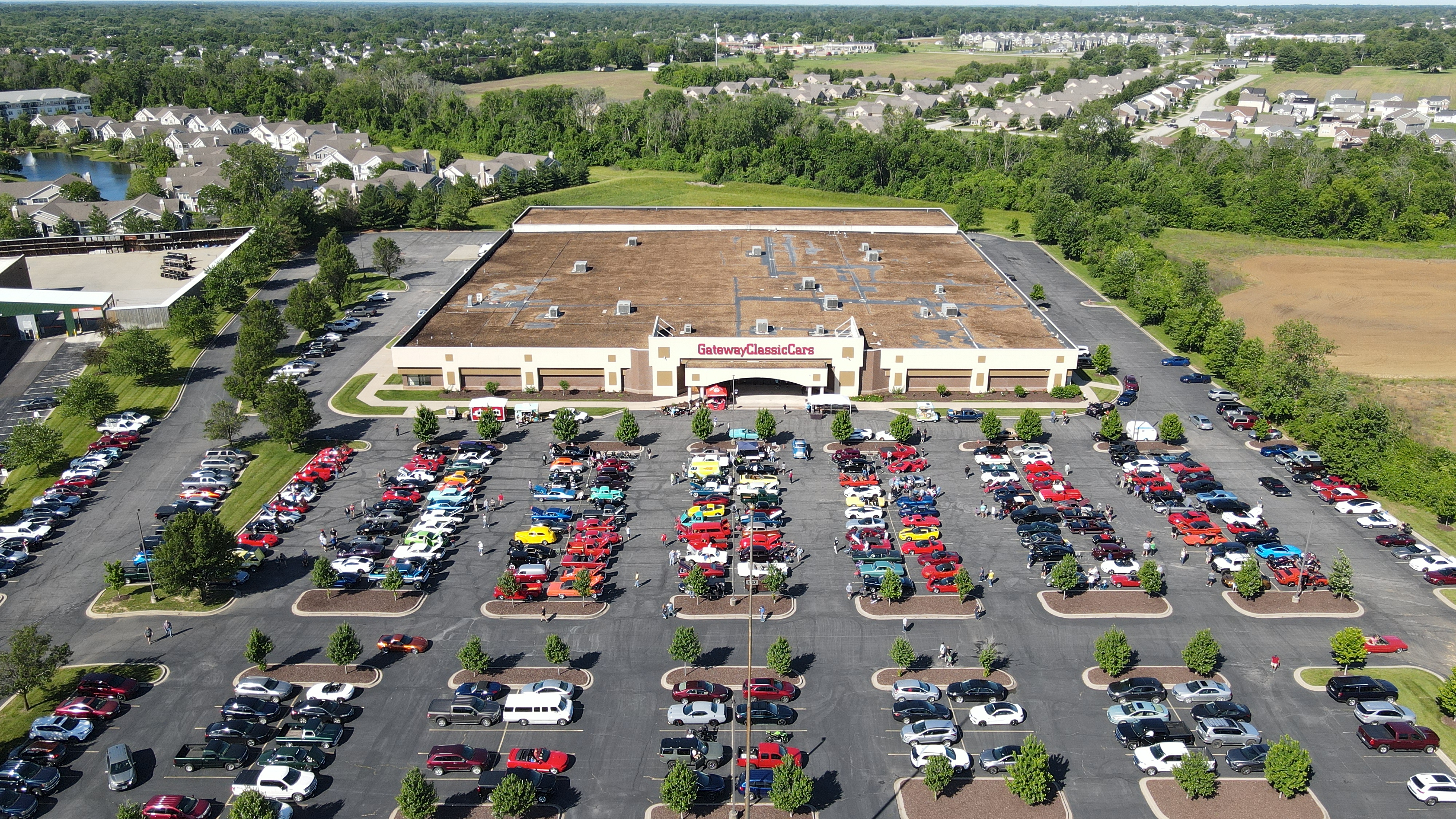
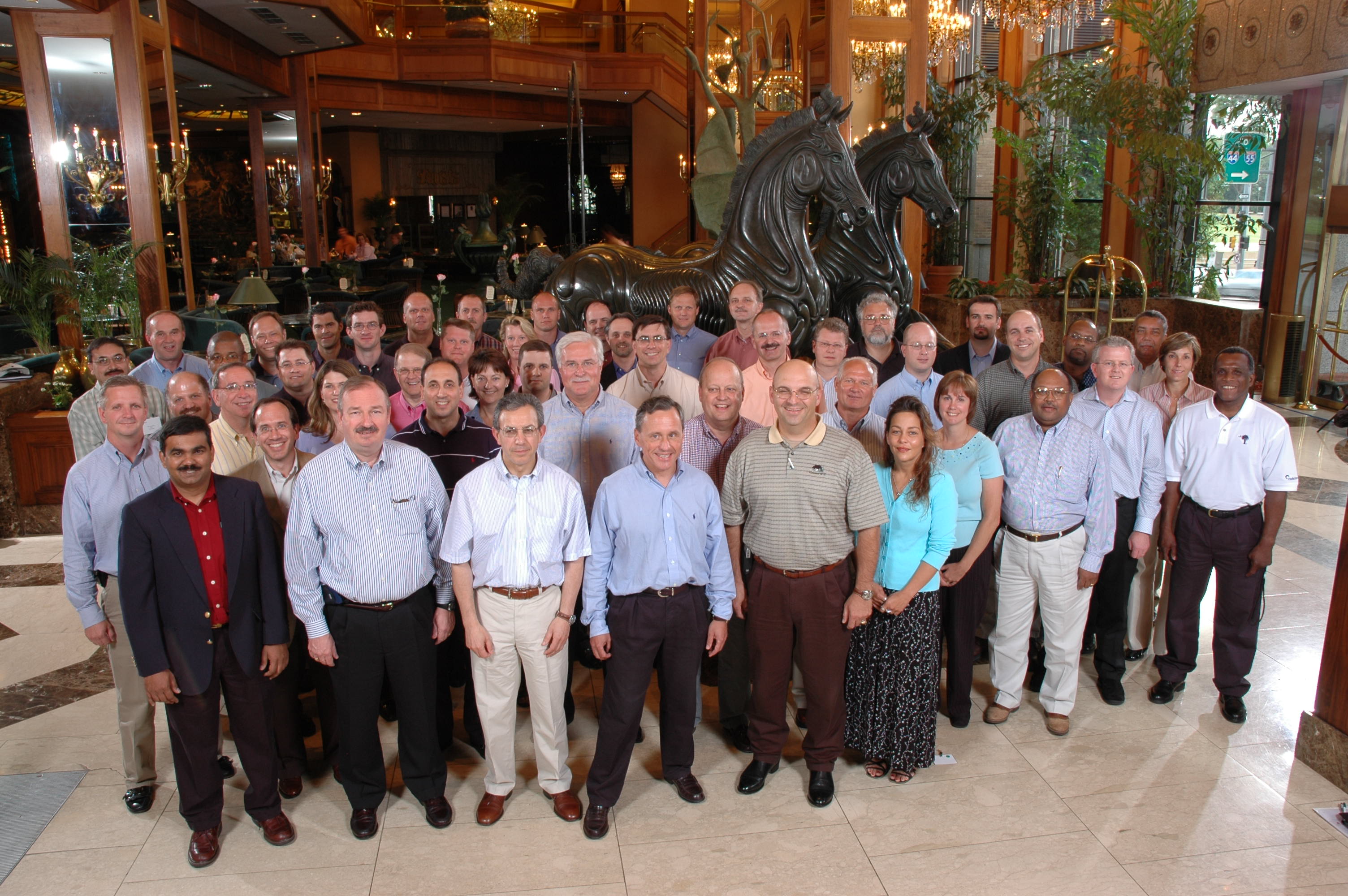
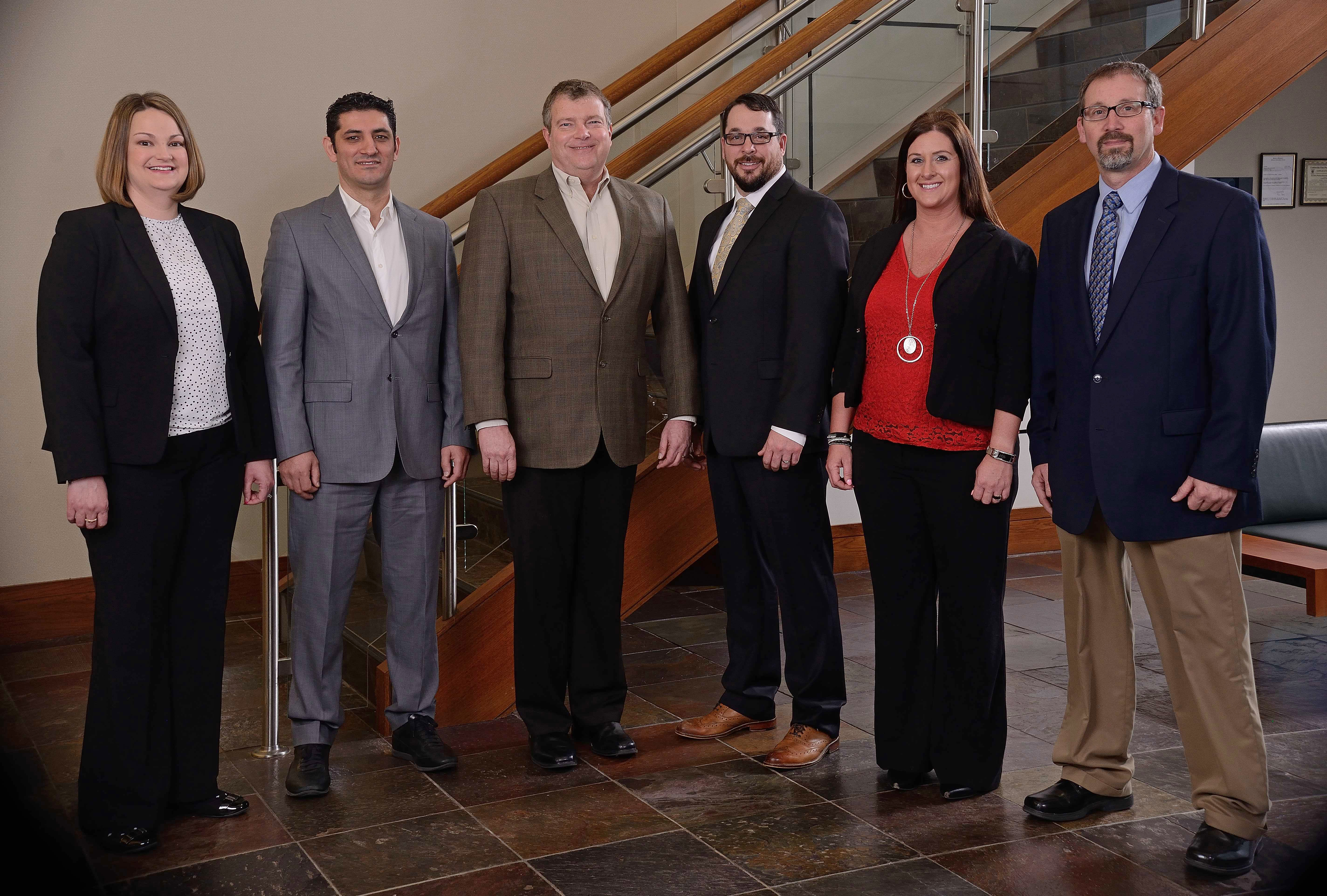
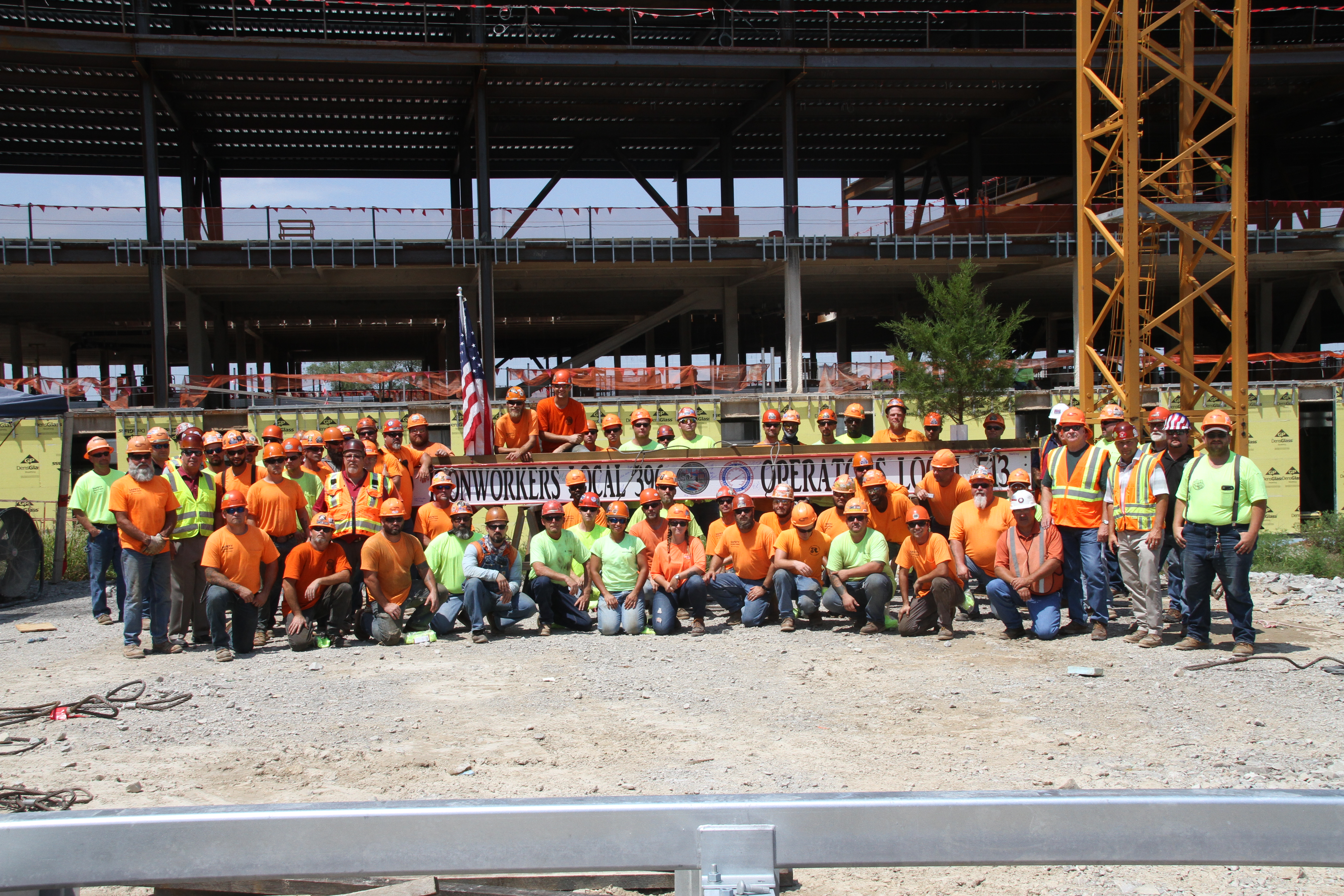
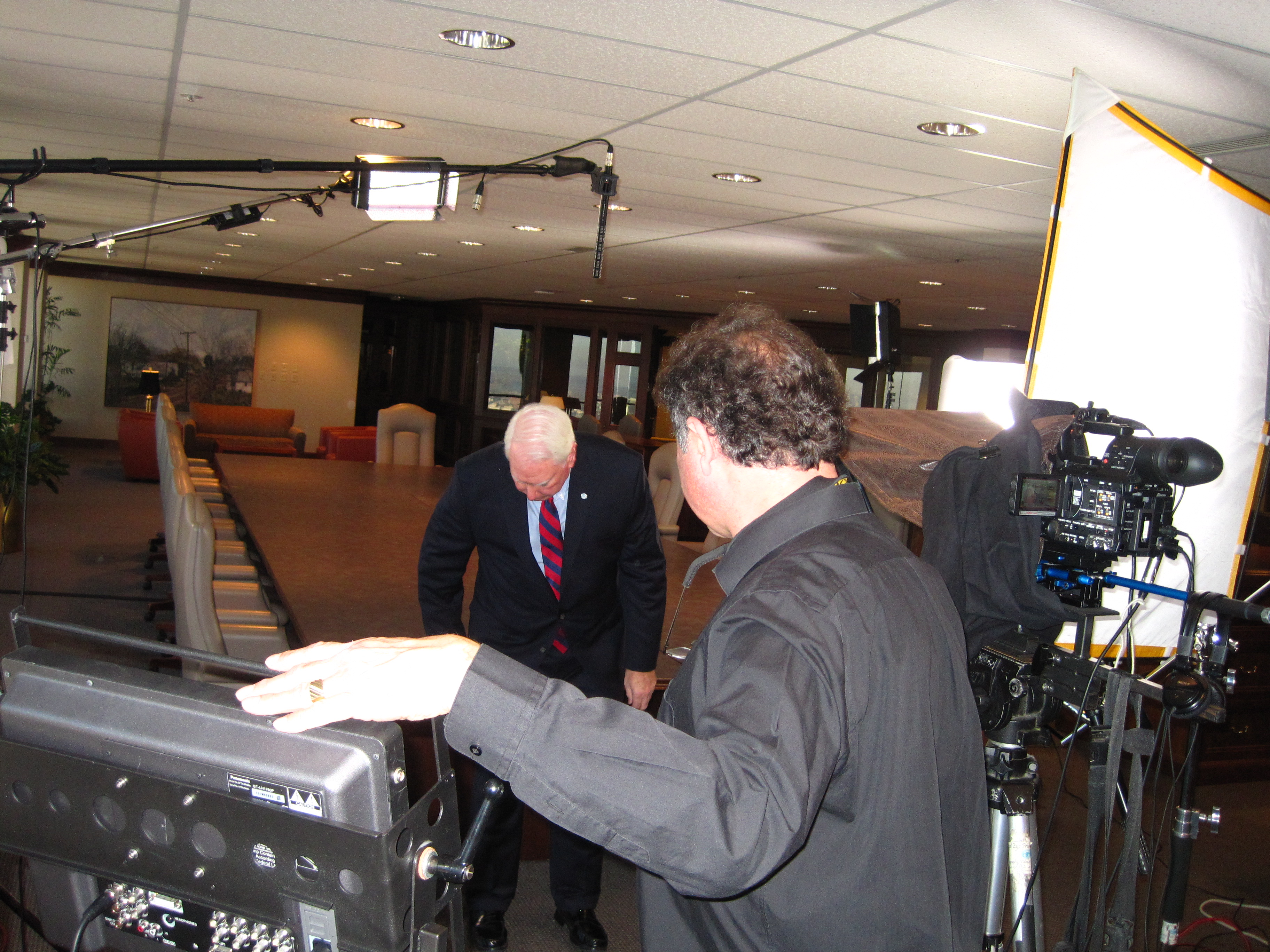
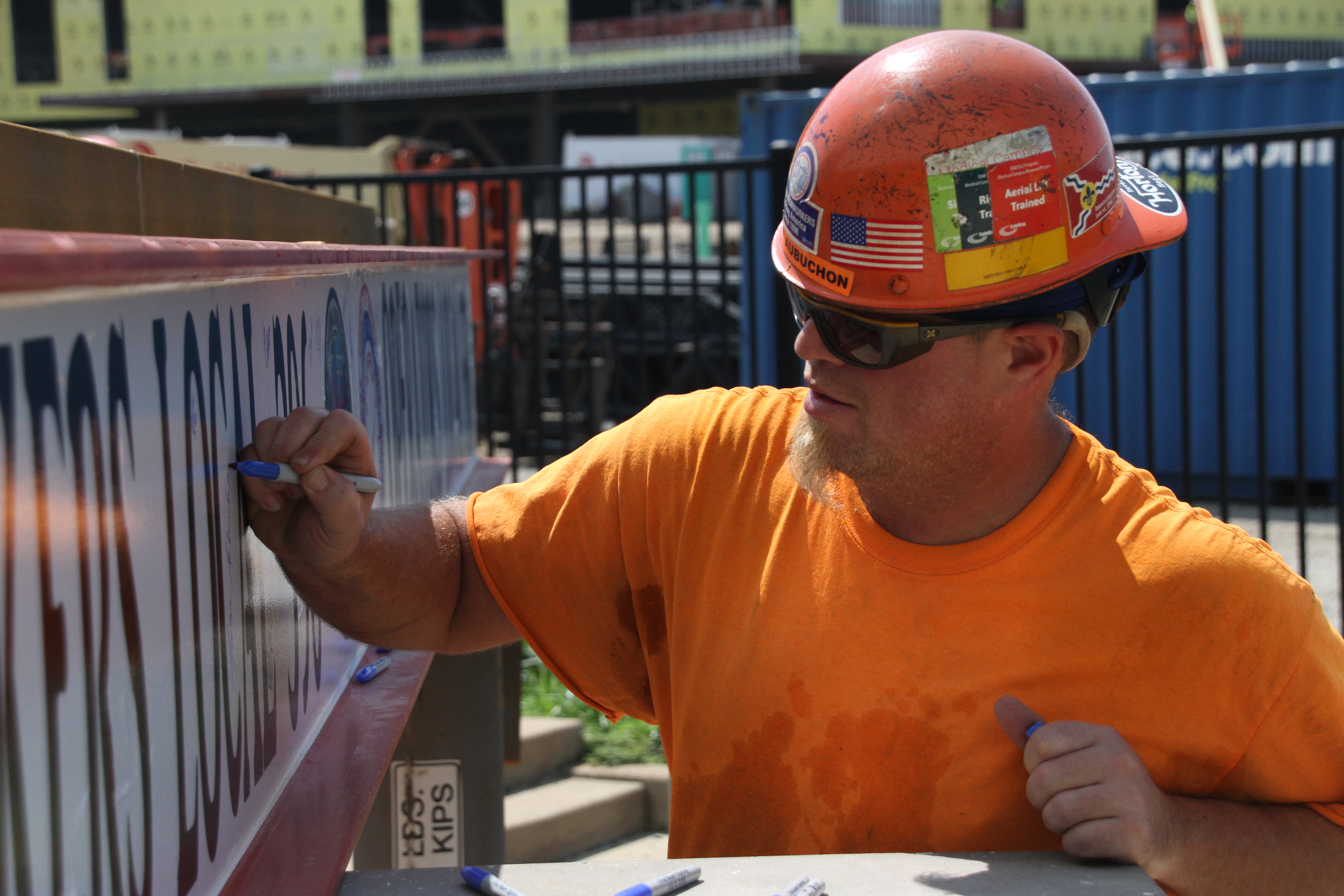
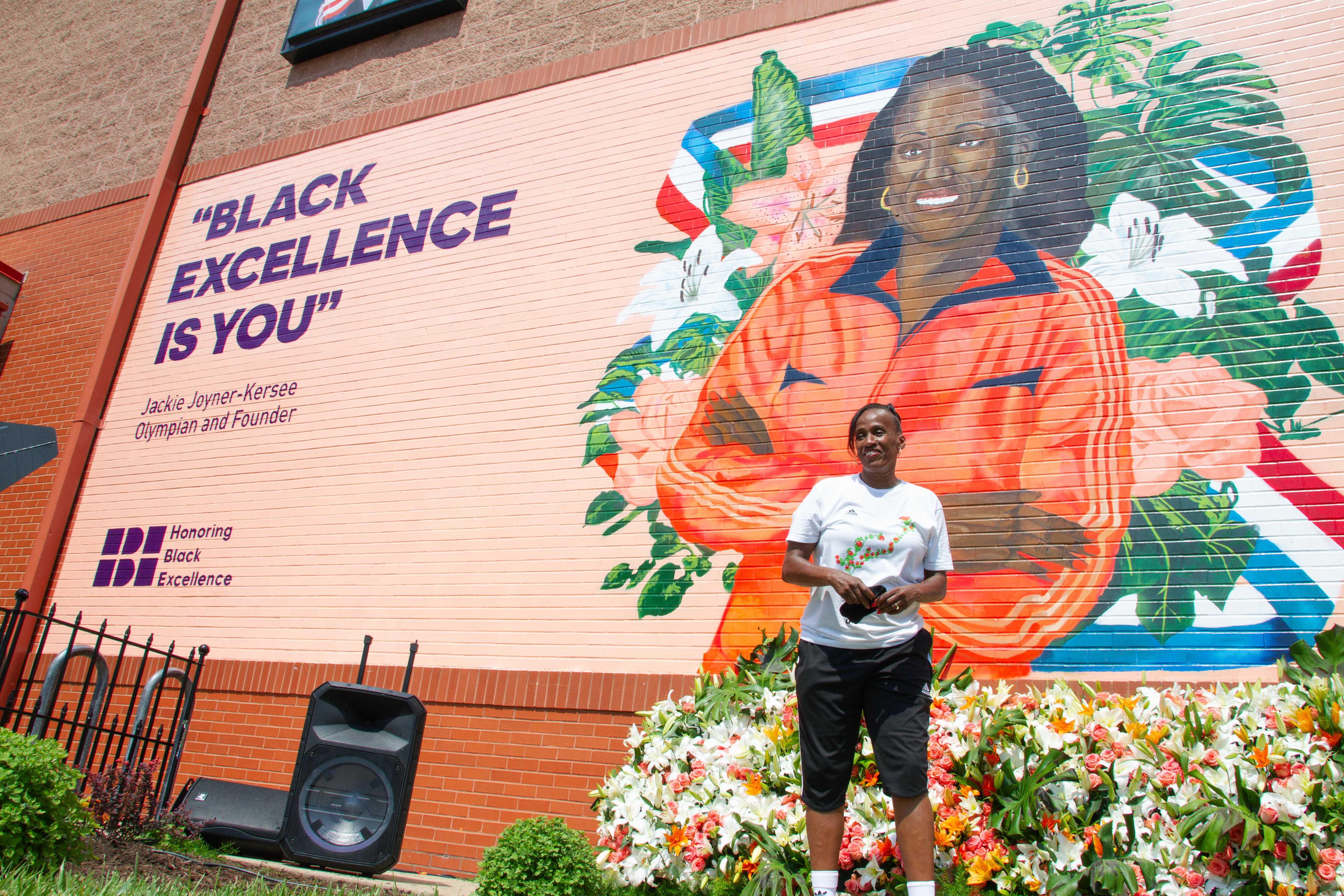
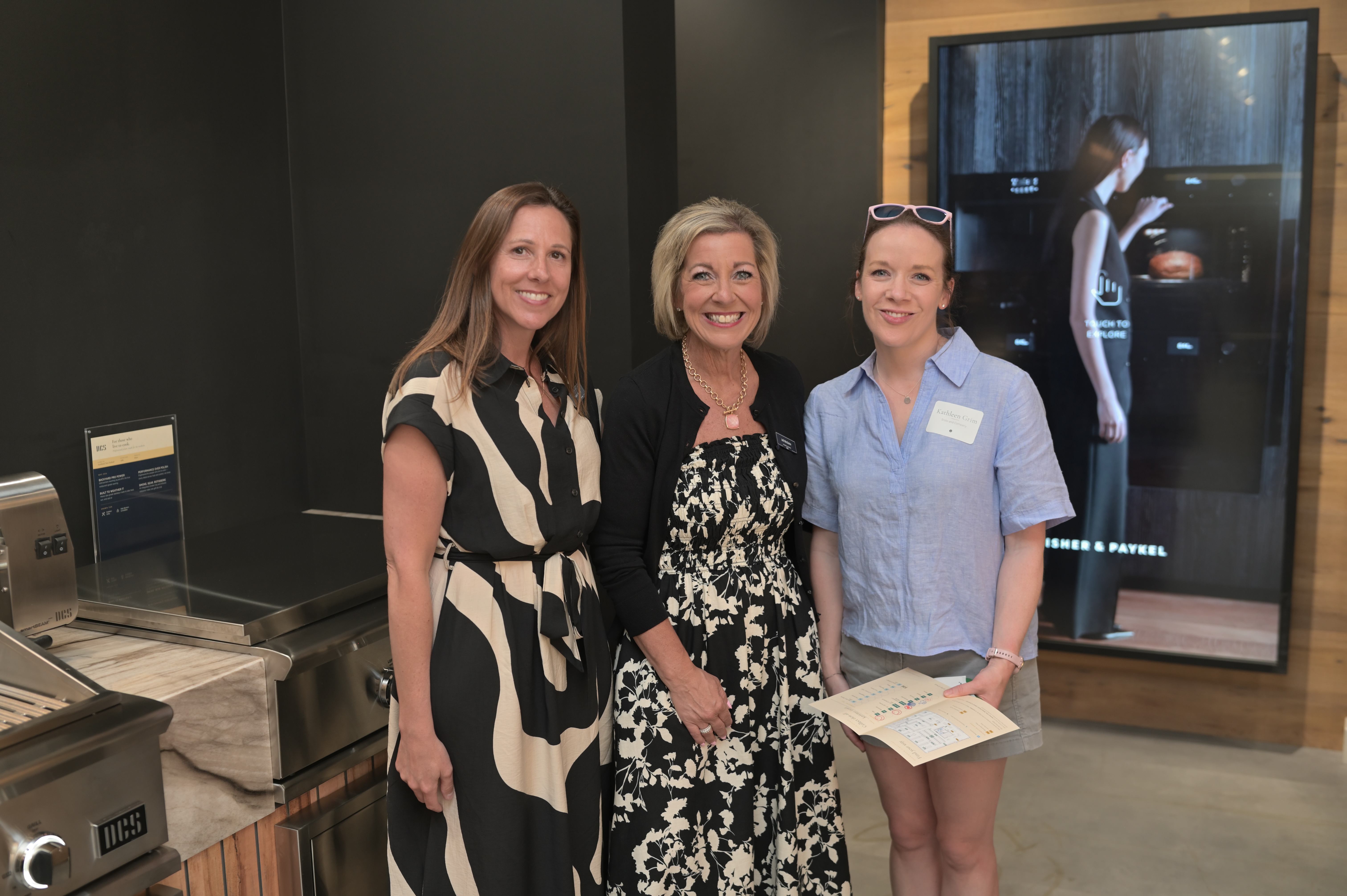
Corporate events provide exceptional opportunities to document real people participating in genuine business activities.
Unlike generic stock photography, professional corporate event images feature an organization’s employees, executives, customers, facilities, products, and business relationships.
These authentic images help audiences better understand the company and the people behind its brand.
Valuable Photography Opportunities at Corporate Events
- Executive presentations and keynote speakers.
- Corporate conferences, conventions, and trade shows.
- Employee recognition programs and awards ceremonies.
- Product demonstrations and new product introductions.
- Business networking and customer appreciation events.
- Training seminars and educational workshops.
- Nonprofit fundraising events and community activities.
- Corporate anniversaries and organizational milestones.
- Employee interactions, collaboration, and company culture.
- Behind-the-scenes activities and event preparations.
A professional event photographer recognizes the importance of capturing both scheduled activities and spontaneous moments.
A compelling photograph of an executive interacting with employees, a customer examining a product, or an audience responding to a presentation may communicate more effectively than a carefully staged image.
This is where experienced commercial photographers make a meaningful difference.
Why Experience Matters in Professional Event Photography
Live event photography presents technical and logistical challenges that differ substantially from traditional studio photography.
Lighting conditions can change rapidly. Conference facilities frequently combine dimly lit seating areas, brightly illuminated stages, electronic presentation screens, mixed color temperatures, and reflective architectural surfaces.
Important moments may happen only once, leaving little opportunity to reposition equipment or repeat the action.
Professional event photographers must anticipate these situations while maintaining proper exposure, composition, focus, and image quality.
Understanding Challenging Event Lighting
Corporate venues often rely on lighting designed for atmosphere rather than photography.
An experienced photographer knows how to work with available light, select suitable camera equipment, and determine when supplemental lighting is appropriate.
Modern professional cameras, fast lenses, controlled flash techniques, and accurate white balance management help produce consistent results across different environments.
However, successful photography depends on more than equipment specifications.
The photographer must understand when additional lighting will improve an image and when it would distract from a presentation or interfere with the event.
Capturing Important Moments Without Disruption
Professional event coverage requires discretion.
Camera operators and photographers must work around speakers, attendees, audiovisual personnel, security teams, and event organizers without interrupting scheduled activities.
An experienced photographer anticipates important moments, identifies suitable camera positions, and moves efficiently throughout the venue.
At St Louis Photography Studio, decades of commercial photography and production experience help us approach these assignments with the planning, professionalism, and technical judgment they require.
Preproduction Planning: The Key to Successful Corporate Event Coverage
The most successful event photography and video productions begin long before the first attendee arrives.
Preproduction establishes the creative direction, logistical requirements, staffing, equipment needs, and intended deliverables.
For marketing departments and event organizers, this planning process ensures that important activities are photographed and recorded while avoiding unnecessary production complications.
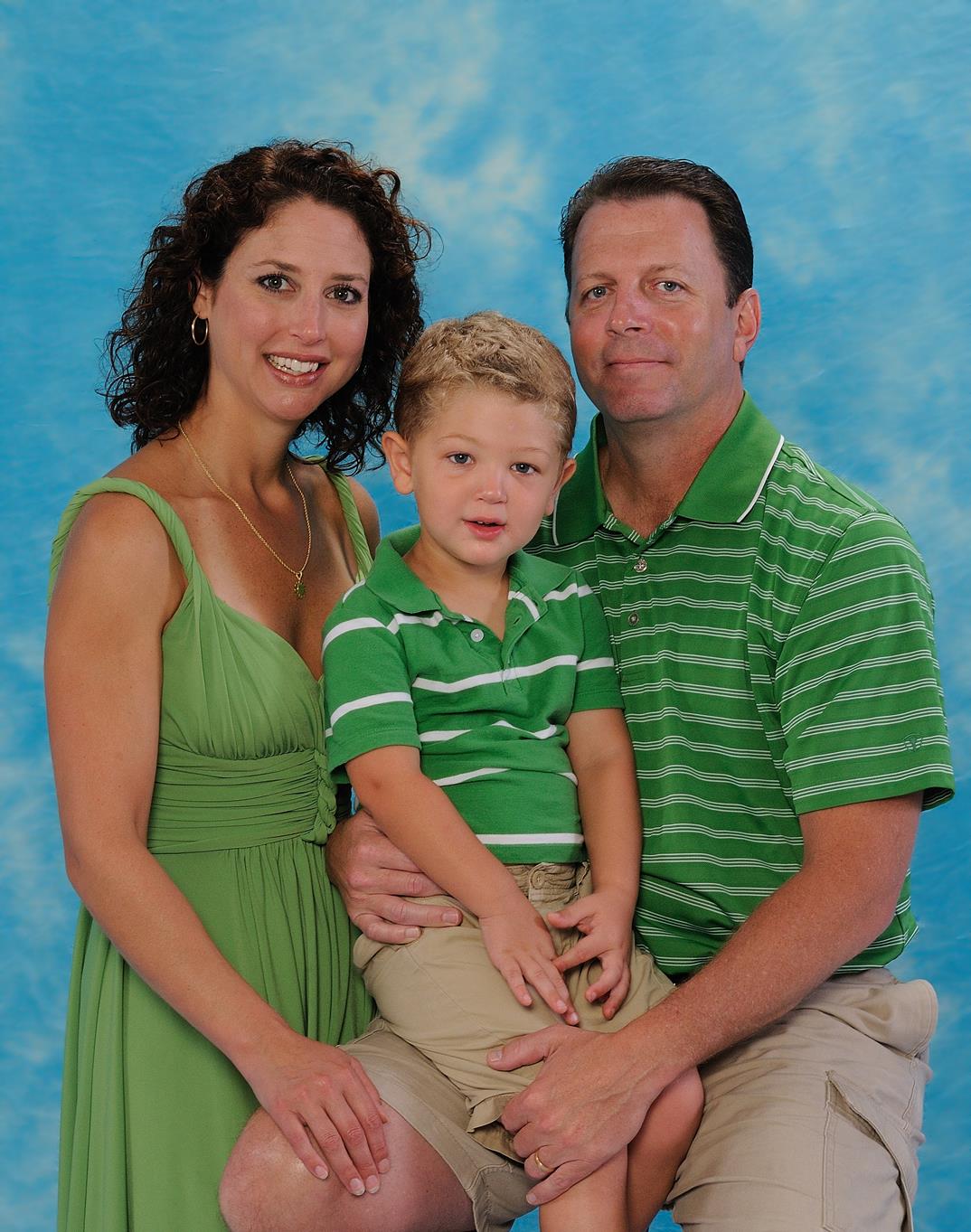
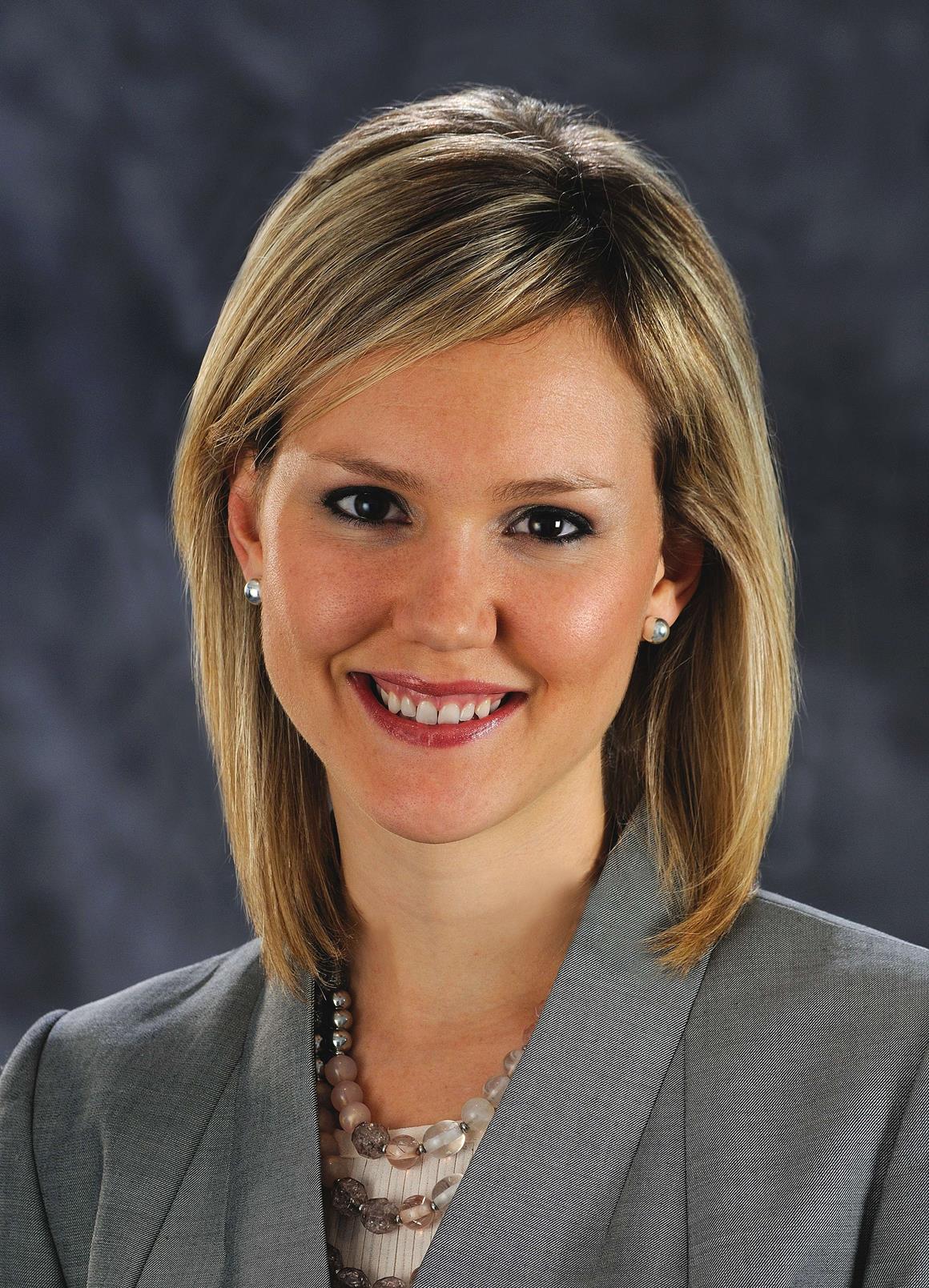
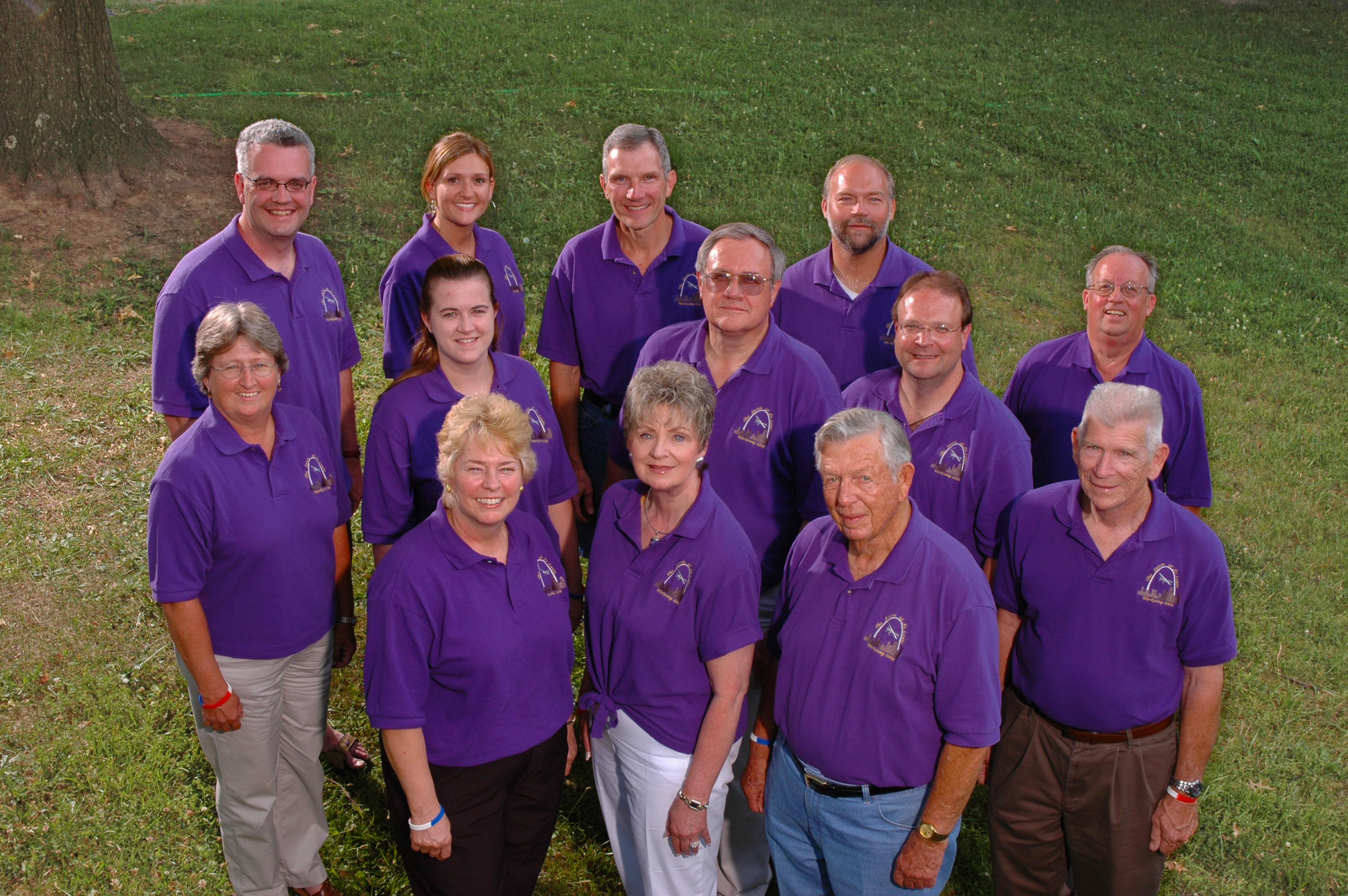
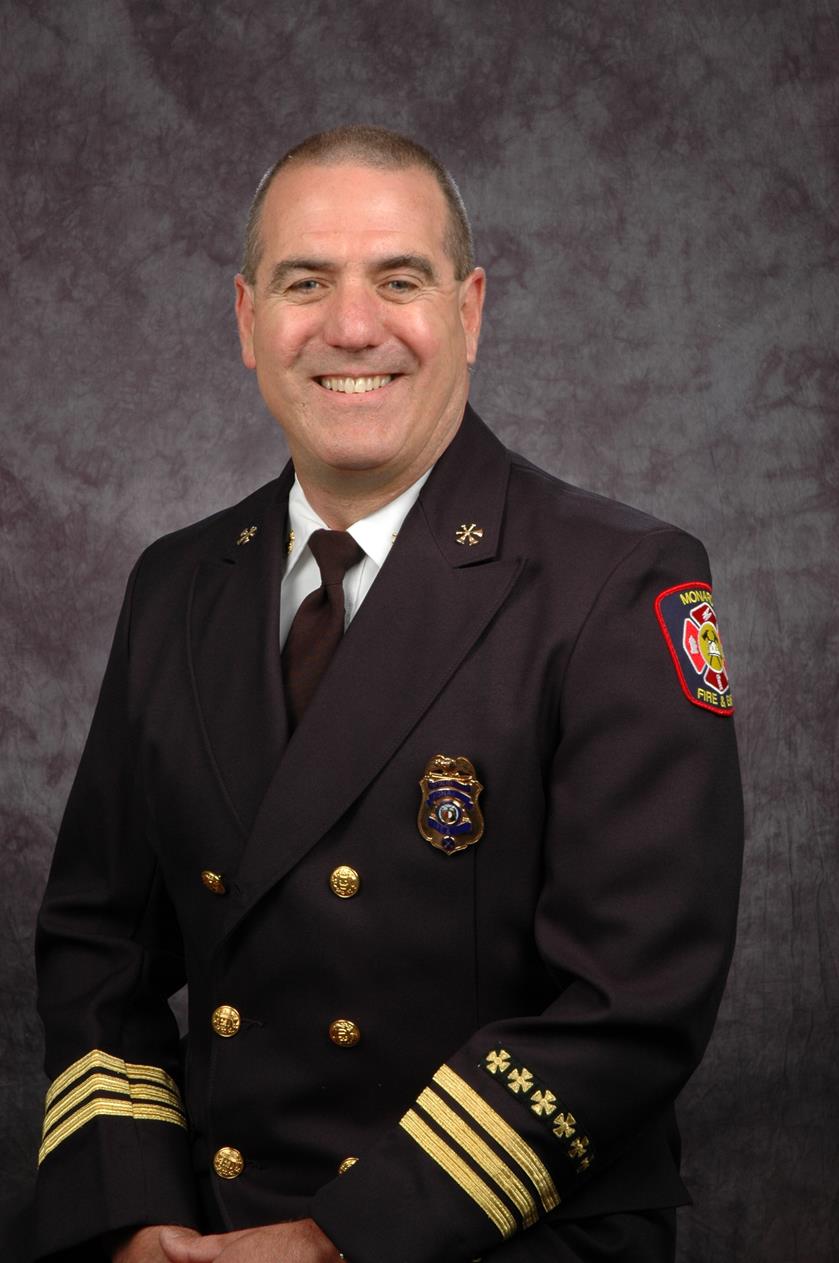
Developing an Effective Photography and Video Coverage Plan
Establish the objectives. Determine whether the primary goal is event documentation, promotional photography, executive communications, advertising content, live streaming, or a combination of deliverables.
Review the event schedule. Identify essential presentations, speakers, ceremonies, product demonstrations, and other activities that cannot be missed.
Evaluate the location. Consider lighting conditions, room layouts, stage positions, available power, audio connections, access restrictions, and suitable camera locations.
Determine production crew requirements. Decide whether the assignment requires one photographer, multiple photographers, video camera operators, audio technicians, or specialized production personnel.
Coordinate headshots and interviews. If executives, employees, or attendees will be available for portraits or interviews, schedule these activities to maximize production efficiency.
Define final media requirements. Determine appropriate image resolutions, video formats, aspect ratios, editing requirements, file delivery methods, and turnaround expectations.
Plan for permissions. Confirm necessary photography releases, speaker approvals, venue policies, and applicable drone operating requirements.
Careful preparation allows the production team to concentrate on acquiring important images while adapting to changes in the event schedule.
Professional Corporate Headshots and Executive Portraits During Business Events
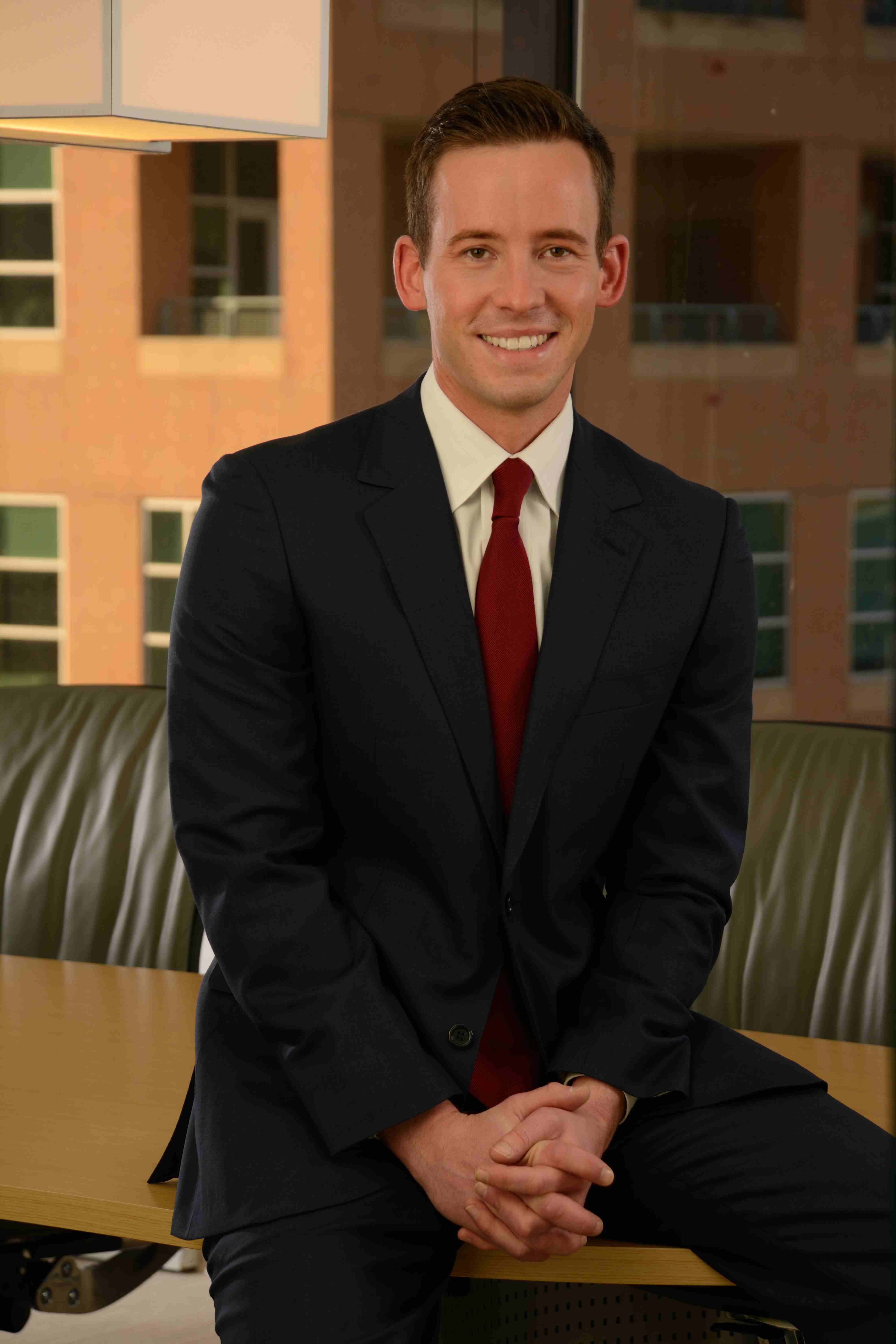
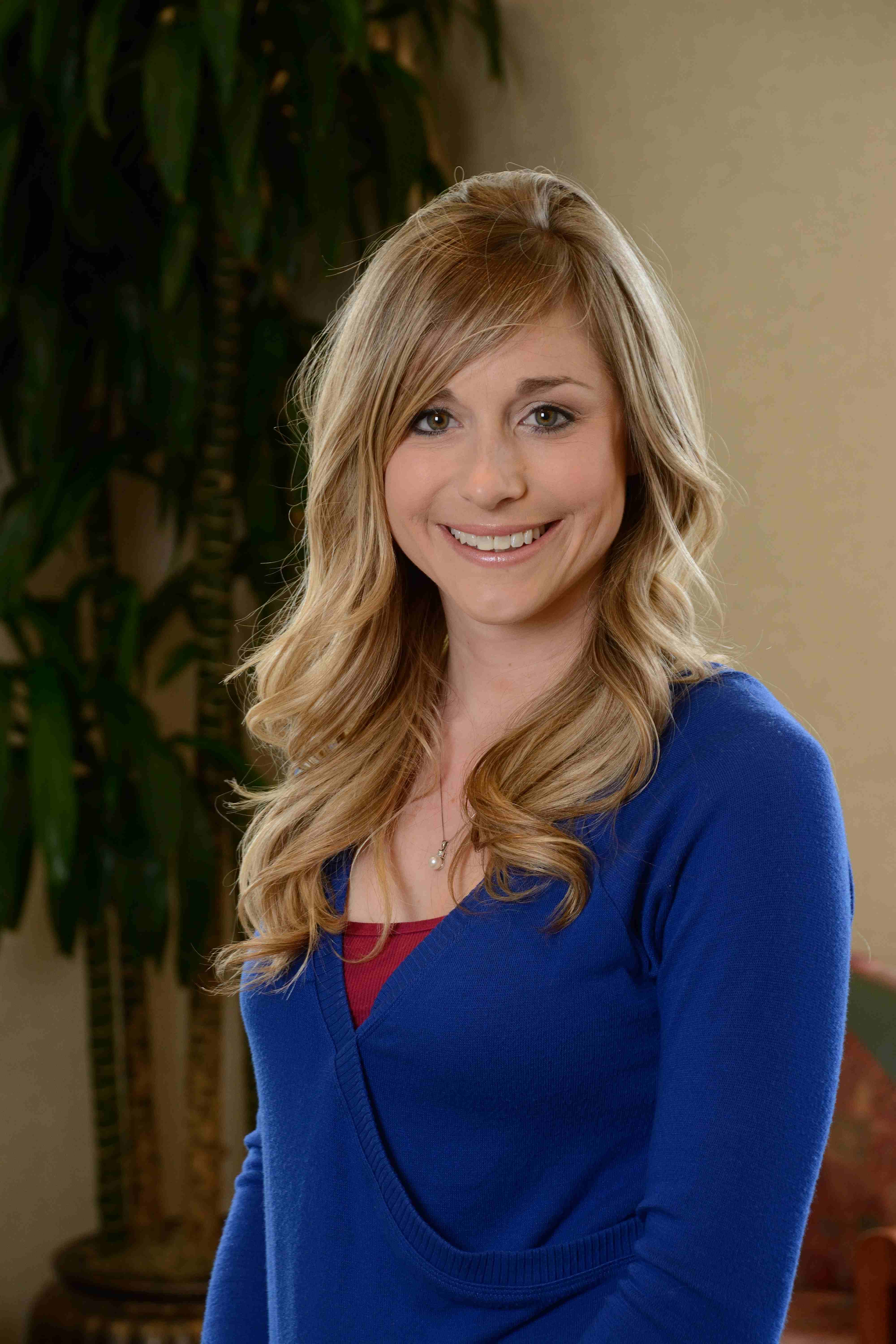
One of the most practical opportunities associated with corporate conferences and company gatherings is professional business portrait photography.
Organizations frequently bring together executives, employees, regional managers, sales representatives, and industry professionals who ordinarily work in different locations.
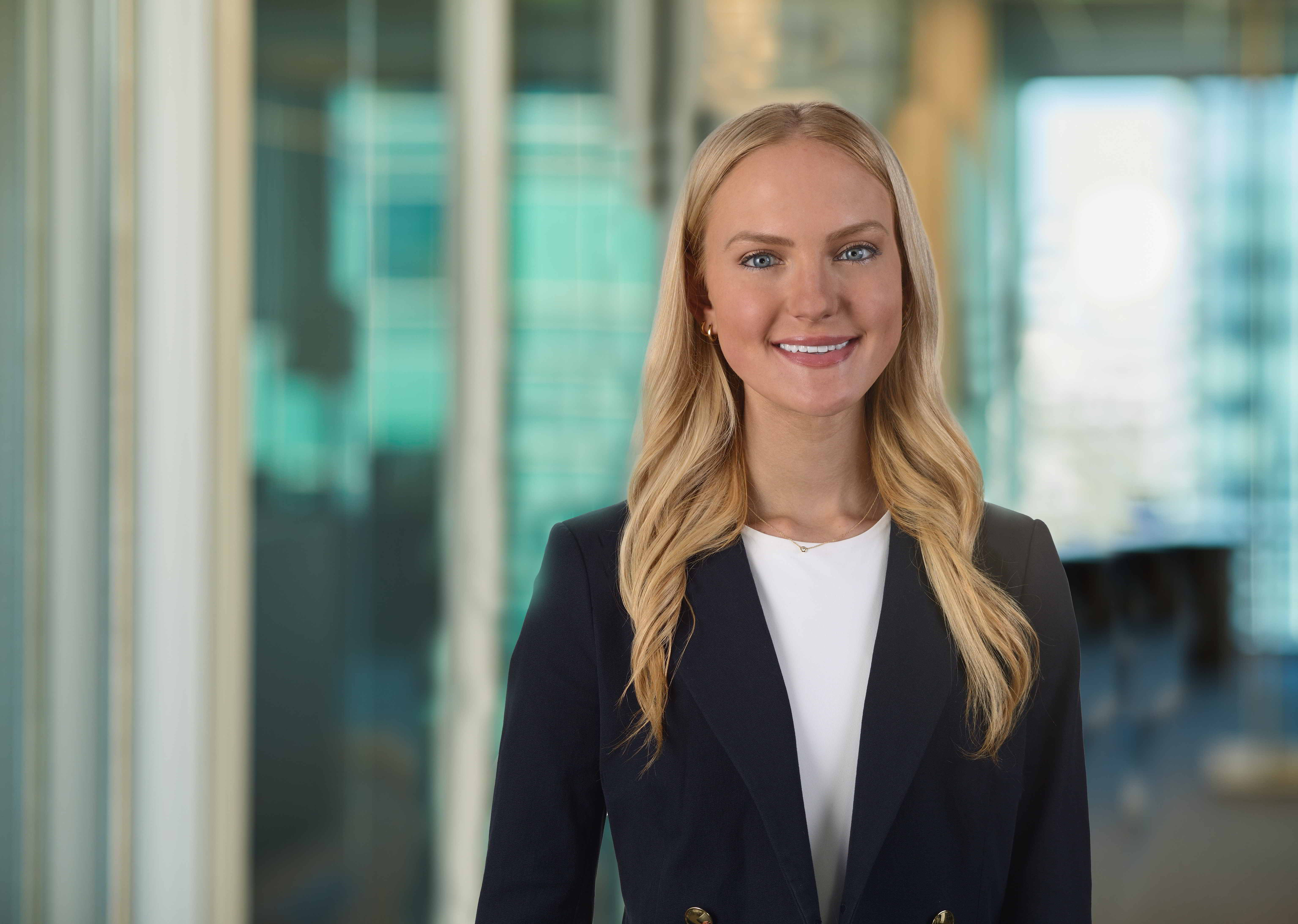
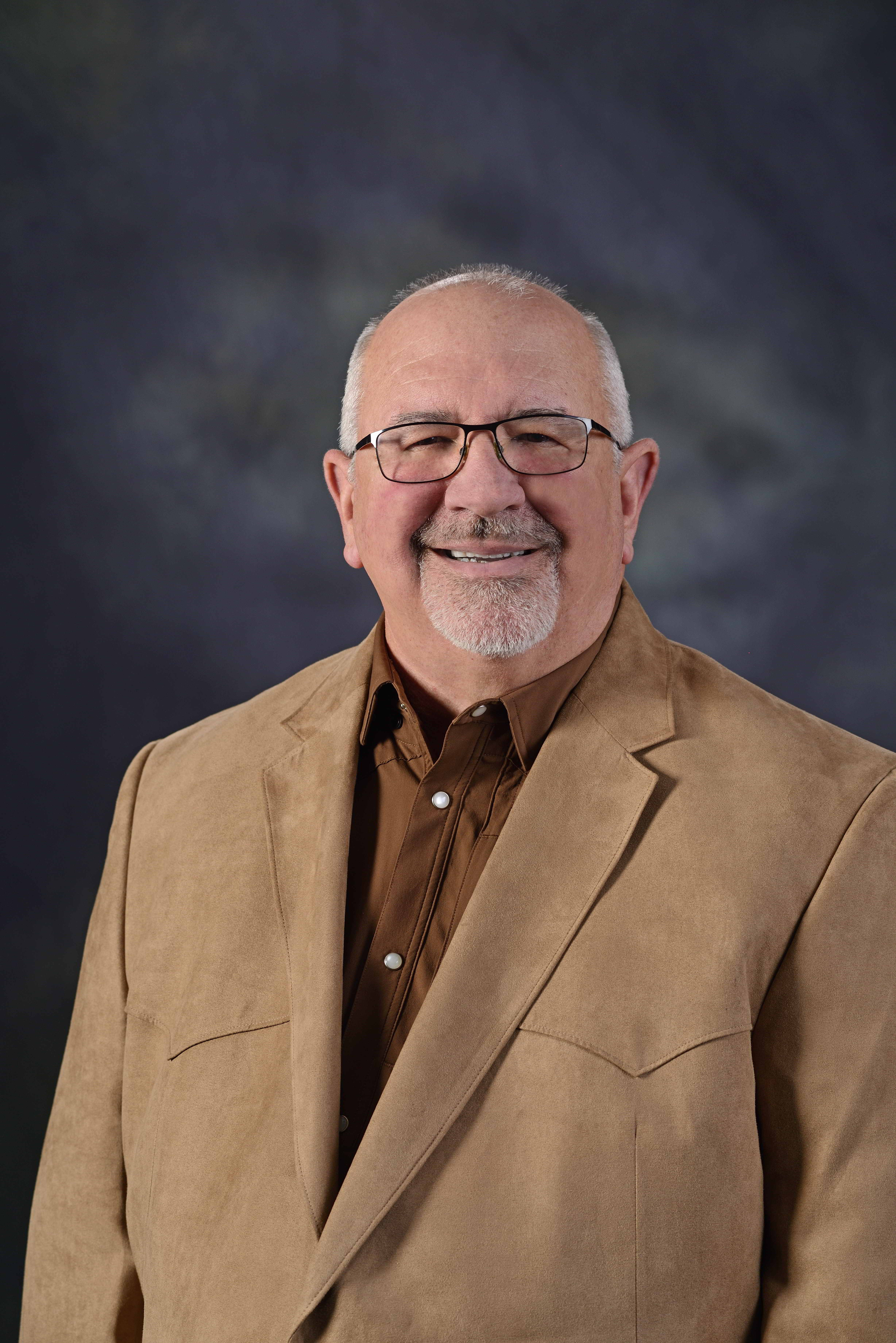
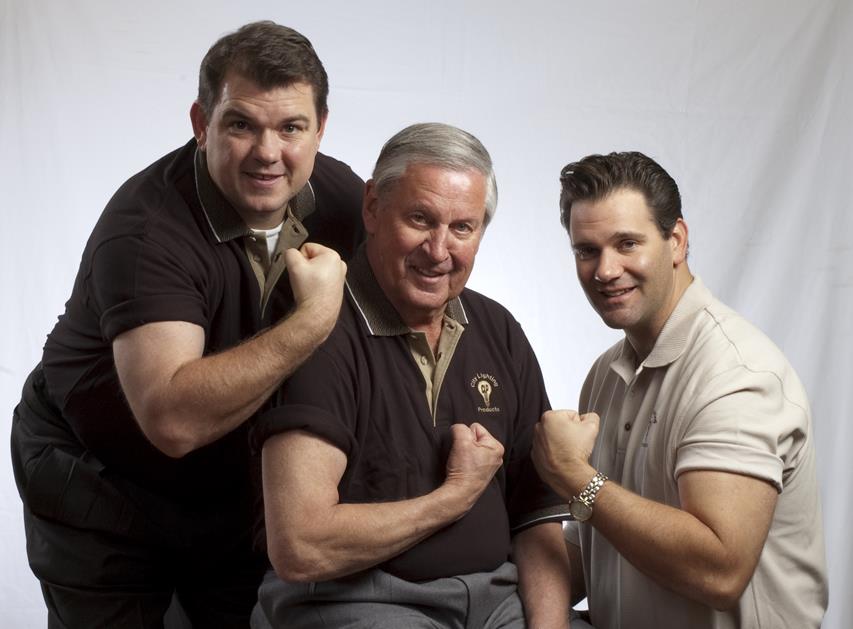


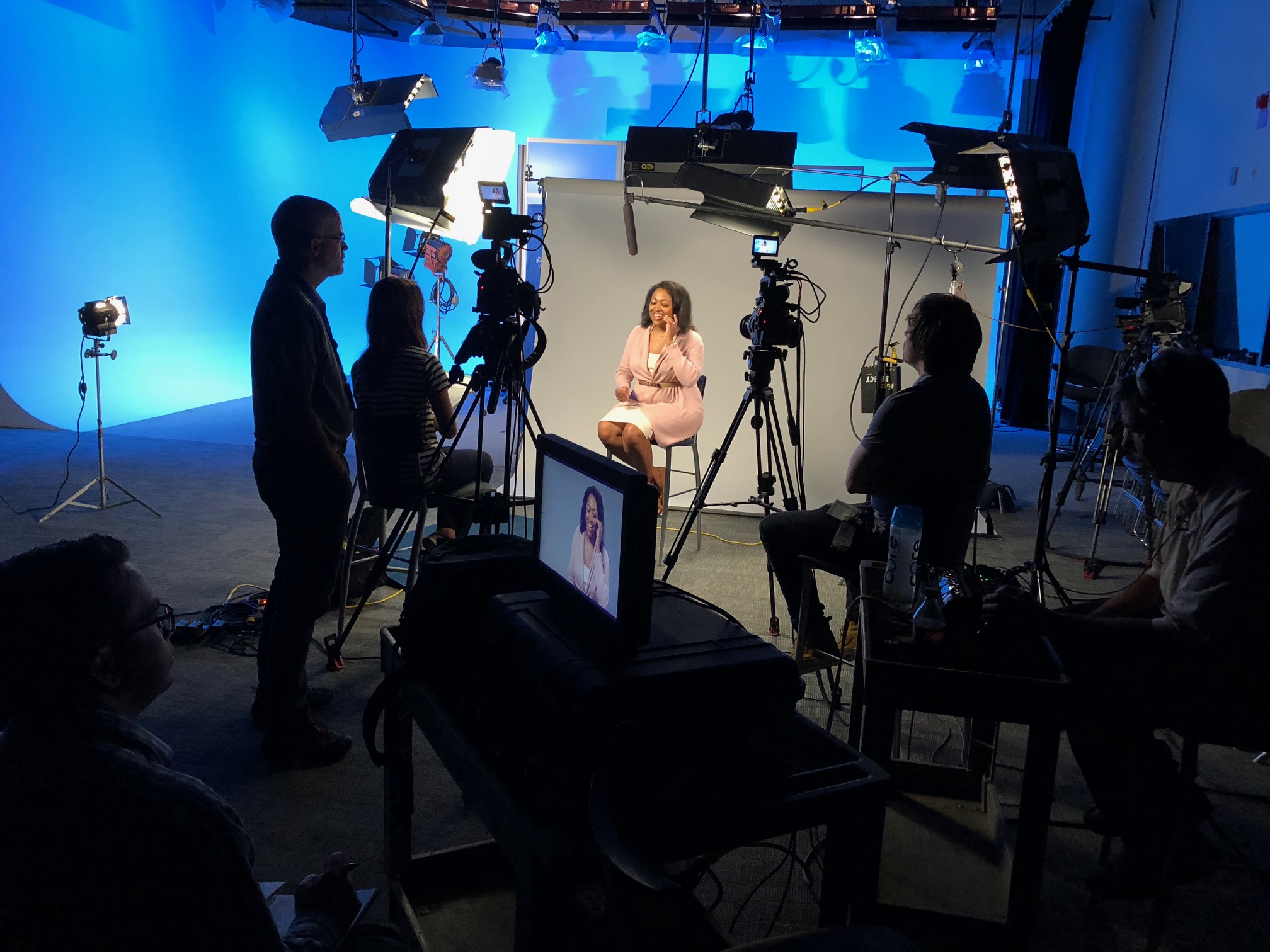
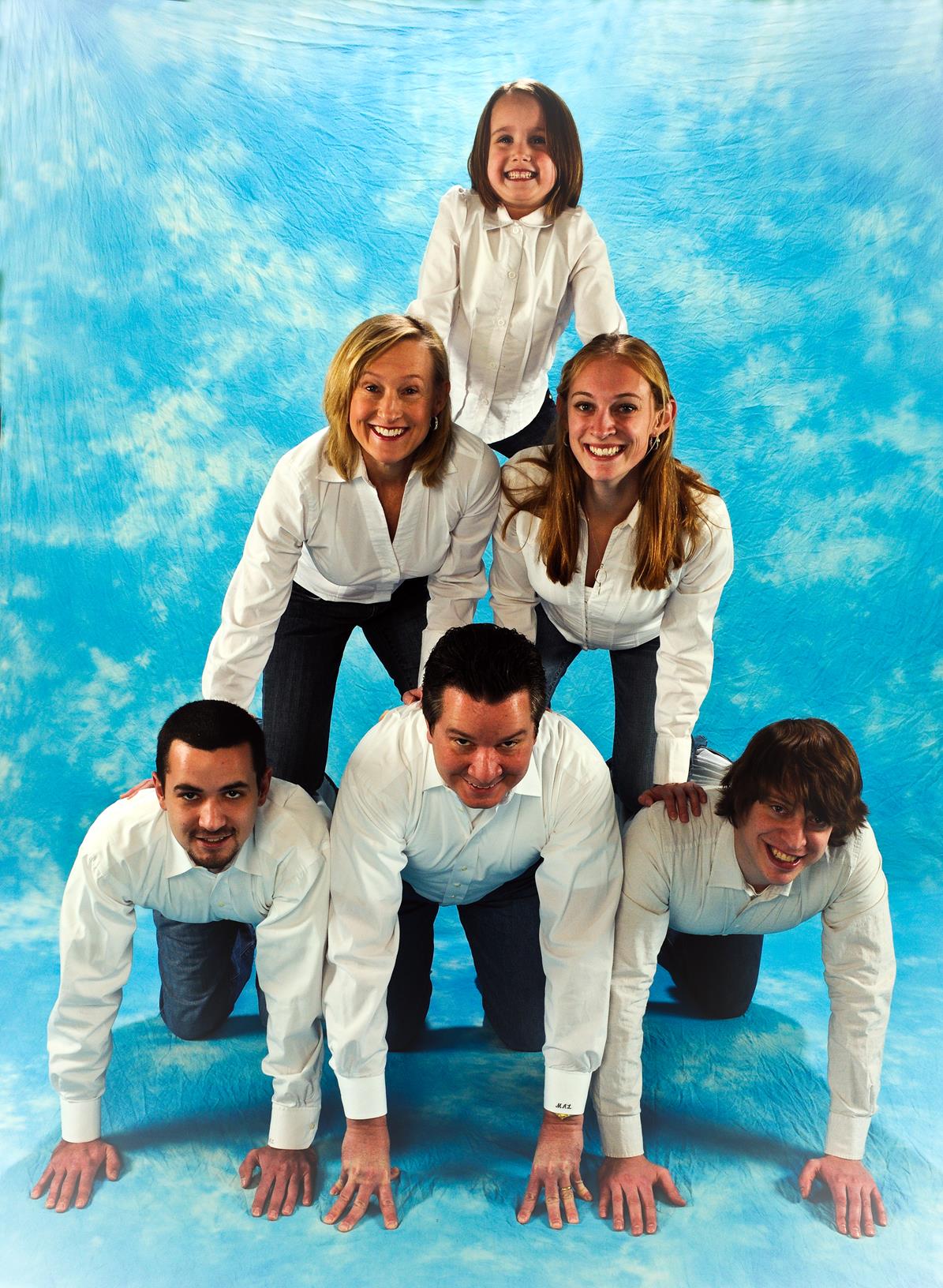
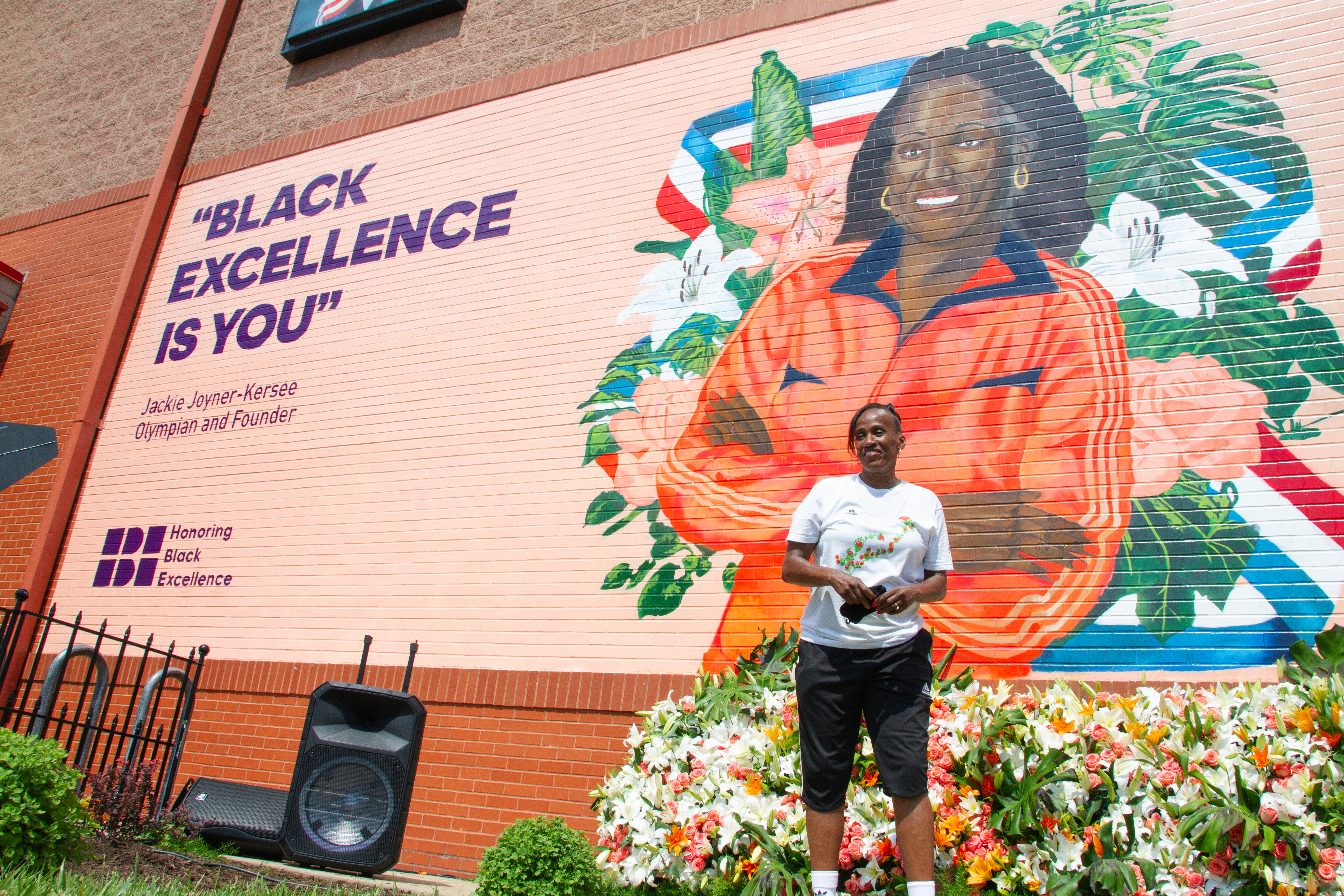
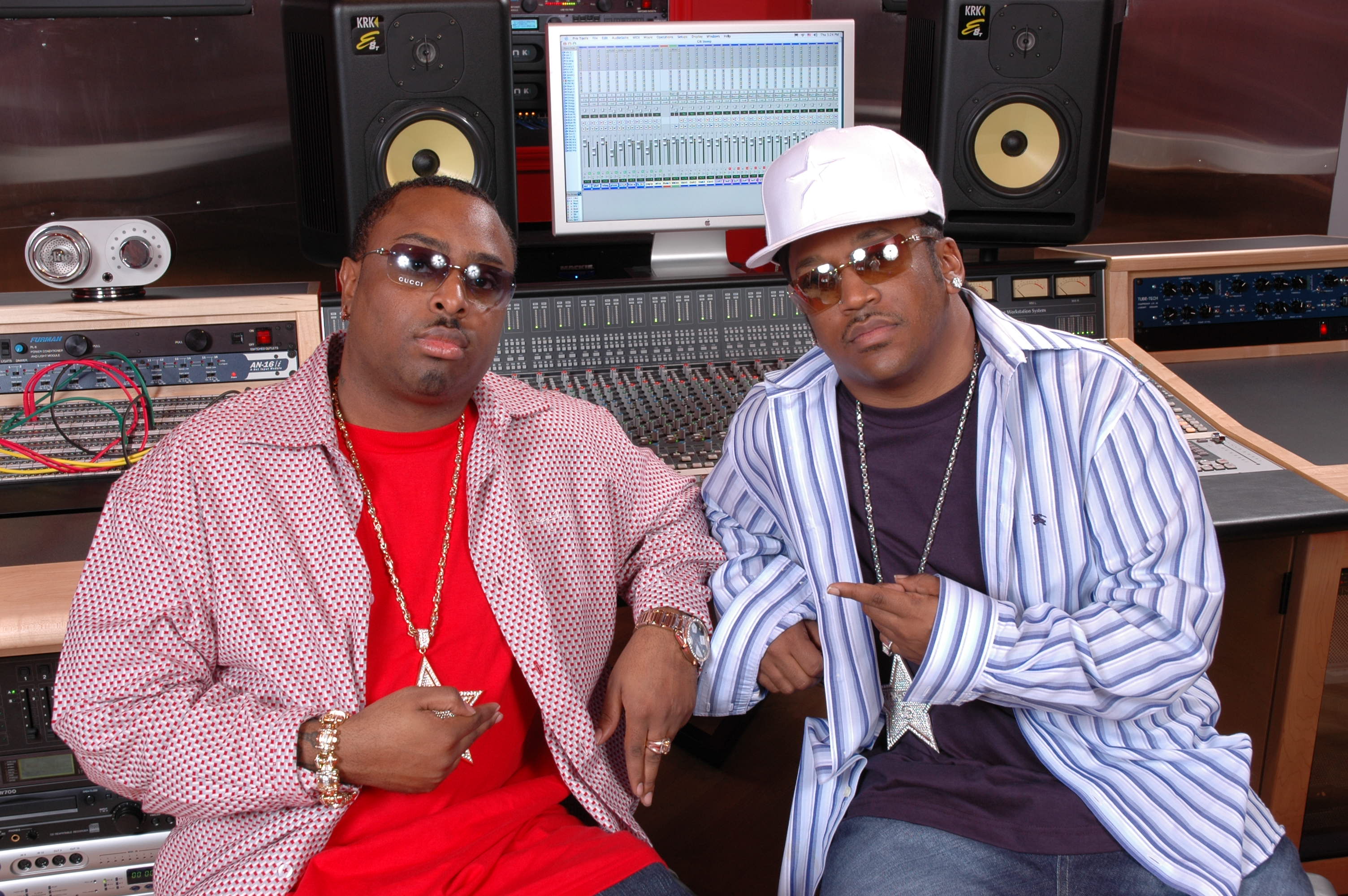


This makes a corporate event an ideal opportunity to update executive portraits, employee headshots, and company photography.
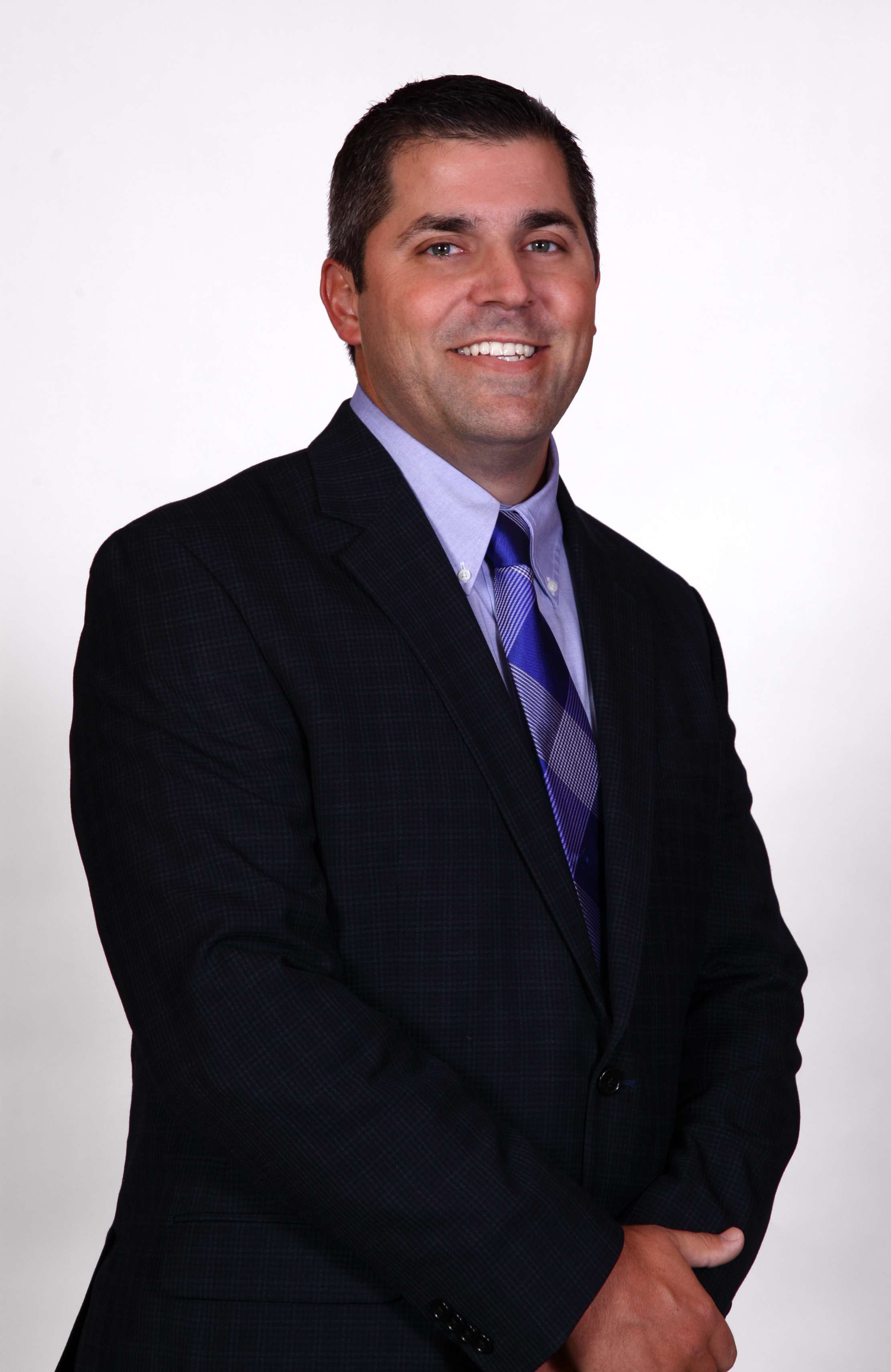
St Louis Photography Studio can establish a professional mobile headshot station directly at your conference facility, office, hotel, or corporate event location.
Using professional portrait lighting, backgrounds, cameras, and an organized photography workflow, our team can produce consistent business portraits without requiring employees to travel separately to a photography studio.
The Advantages of On-Location Headshot Photography
Professional mobile headshot stations provide several benefits.
They reduce employee travel time, simplify scheduling, maintain consistent lighting and backgrounds, and allow a larger number of personnel to be photographed during a coordinated session.
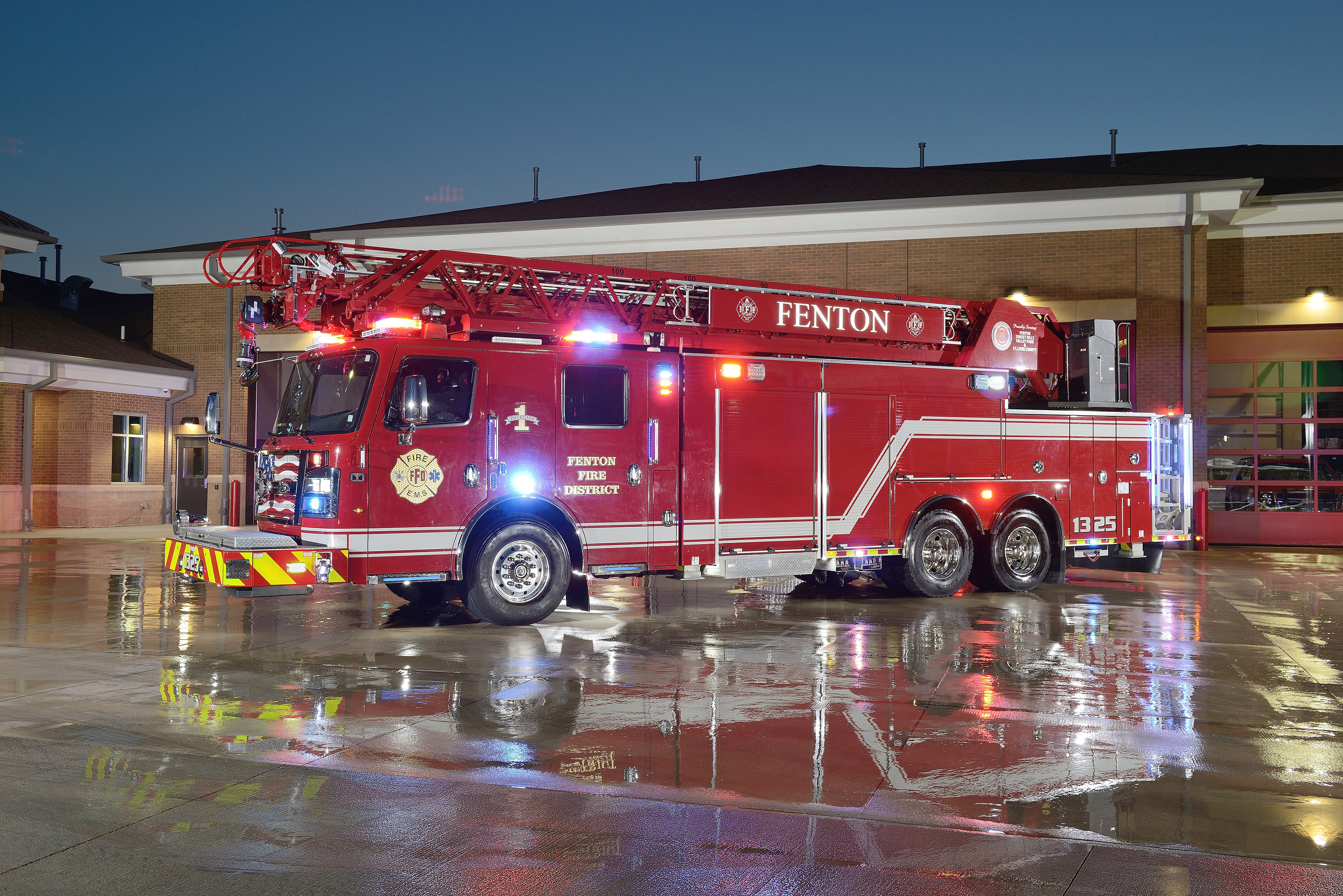
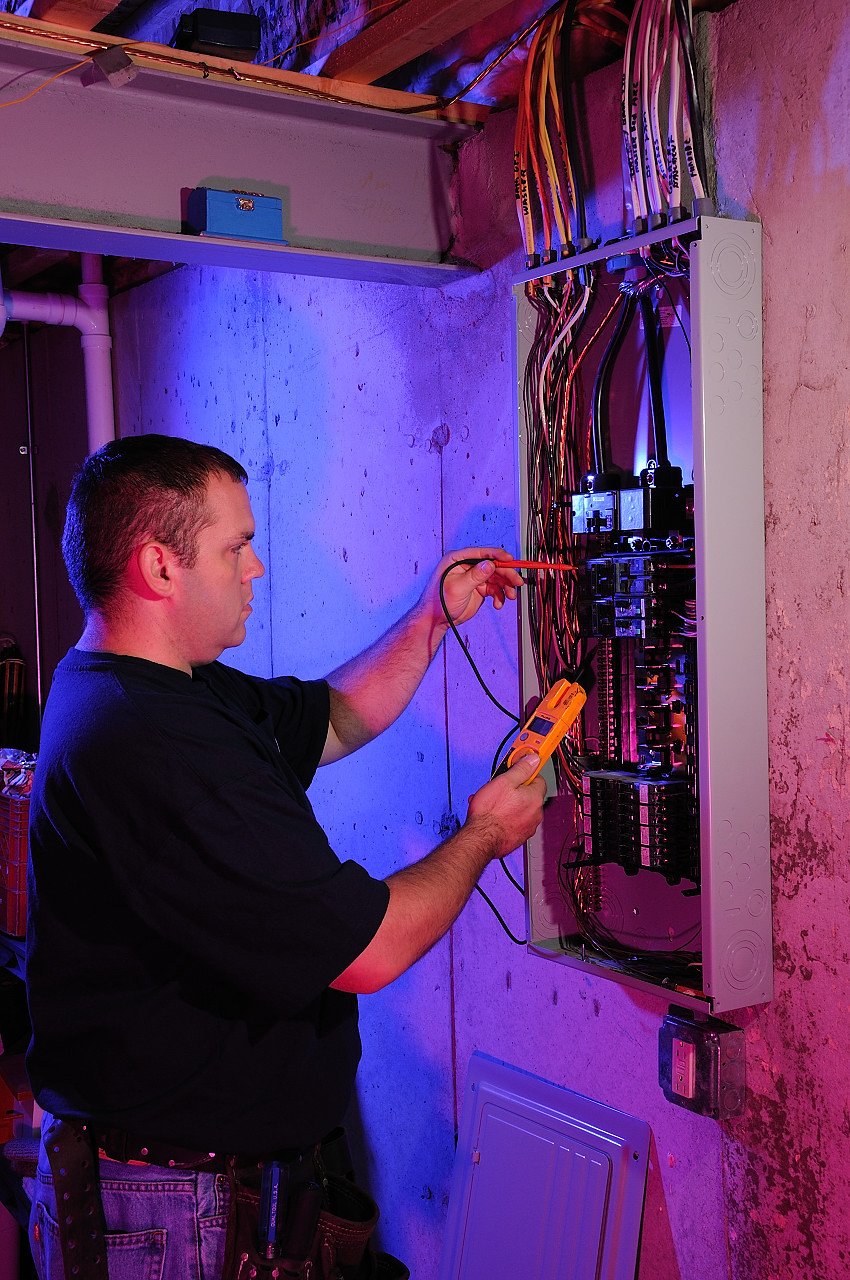
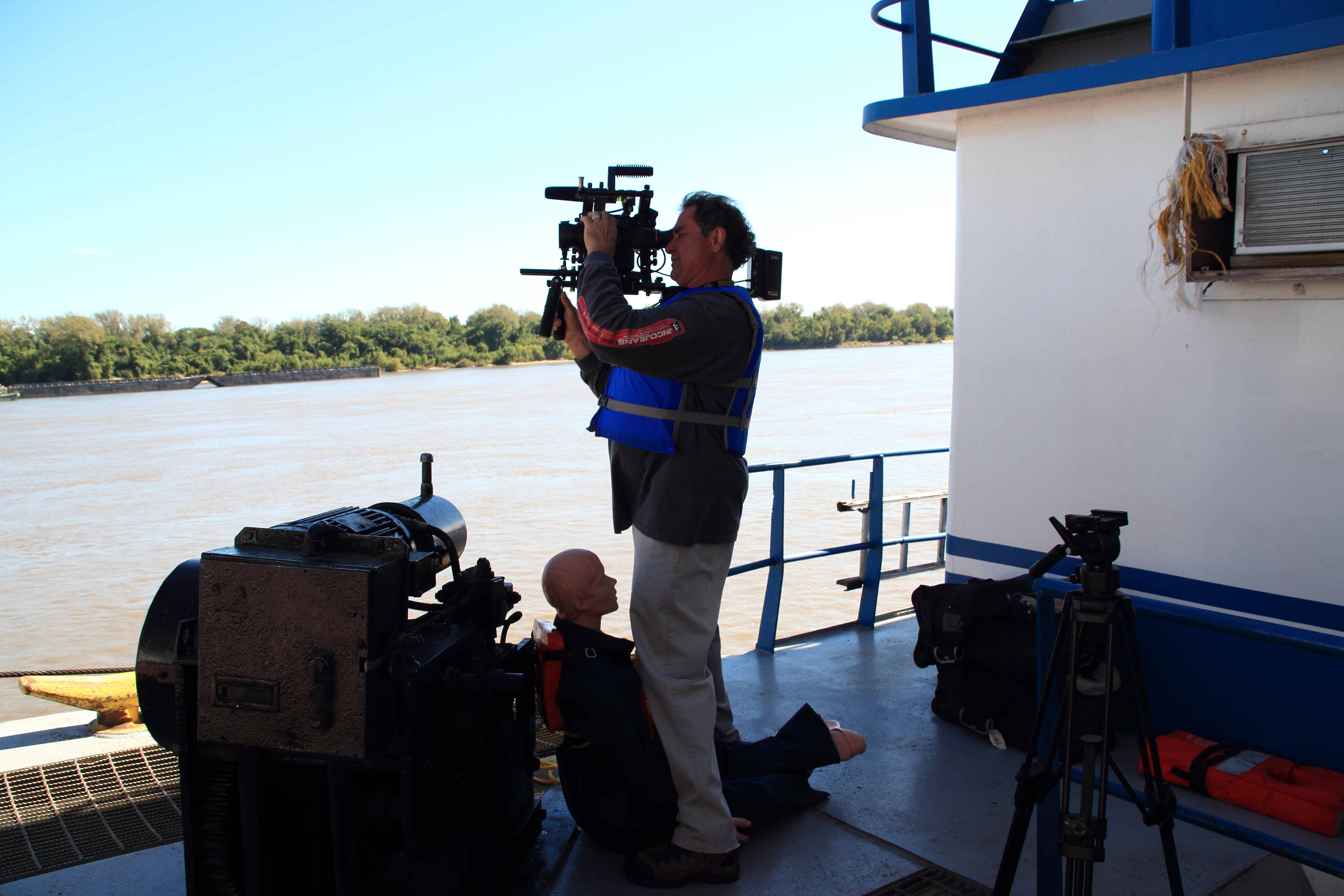
For companies updating their leadership pages, employee directories, recruiting materials, or LinkedIn profiles, a properly organized portrait session can be an efficient way to produce a coordinated collection of images.
We can also photograph executives in more personalized environmental settings when the desired image calls for something beyond a traditional studio-style headshot.
Executive portraits can be created in offices, conference rooms, commercial facilities, or other suitable business environments.
Our photographers provide direction regarding posture, facial expression, positioning, and composition to help subjects appear confident, approachable, and professional.
Professional Studio Photography: Consistent Quality in a Controlled Environment
Not every commercial photography assignment should take place at a live event or business location.
A professional photography studio offers important advantages when the project requires consistent lighting, carefully controlled backgrounds, product styling, or customized visual arrangements.
At St Louis Photography Studio, our private commercial production studio is equipped to support professional business portraits, product photography, commercial advertising images, executive interviews, and smaller video productions.
Our lighting and visual setups can be customized to suit different production requirements.
The studio is also spacious enough to incorporate furniture, props, branded displays, and other set elements that support the intended visual presentation.
When Studio Photography Is the Better Choice
Studio photography is particularly useful for projects requiring repeatable image quality.
For example, photographing a large group of executives against a coordinated background requires lighting consistency and uniform composition.
Product photography benefits from carefully controlled reflections, shadows, surface textures, and background colors.
Corporate advertising photography may require more elaborate lighting arrangements and customized sets.
By controlling these production variables, a professional studio can improve efficiency while delivering consistent imagery.
We also understand that many assignments benefit from a combination of studio and location photography.
An executive might be photographed in our private studio for a formal business portrait and later photographed at the company facility for an environmental image.
Both photographs can support different marketing purposes while maintaining the organization’s overall visual identity.
Commercial Product and Advertising Photography for Business Marketing
Professional corporate photography extends well beyond conferences and headshots.
Businesses frequently require high-quality product images, advertising photography, architectural imagery, commercial interiors, and photographs illustrating their services.
These images are important components of websites, sales materials, digital advertising, brochures, catalogs, packaging, trade show displays, and corporate presentations.
Effective Product Photography Requires Technical Control
Professional product photography involves careful attention to lighting direction, reflections, texture, surface details, color accuracy, depth of field, and composition.
Different products require different lighting techniques.
Reflective metal objects, glass containers, food products, industrial equipment, and textured materials can present entirely different production challenges.
A professional photographer must understand how to create images that accurately represent the product while making it visually appealing.
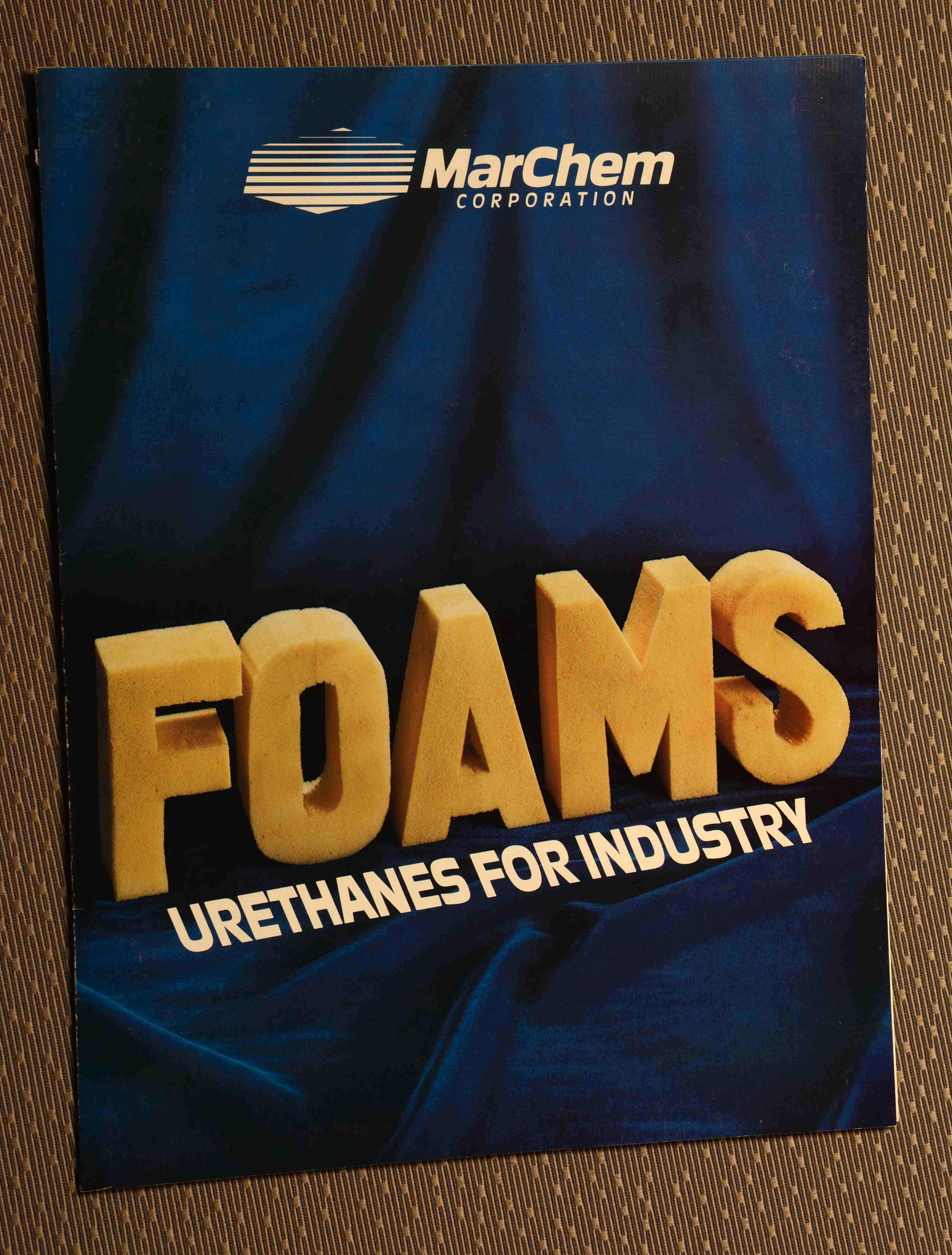
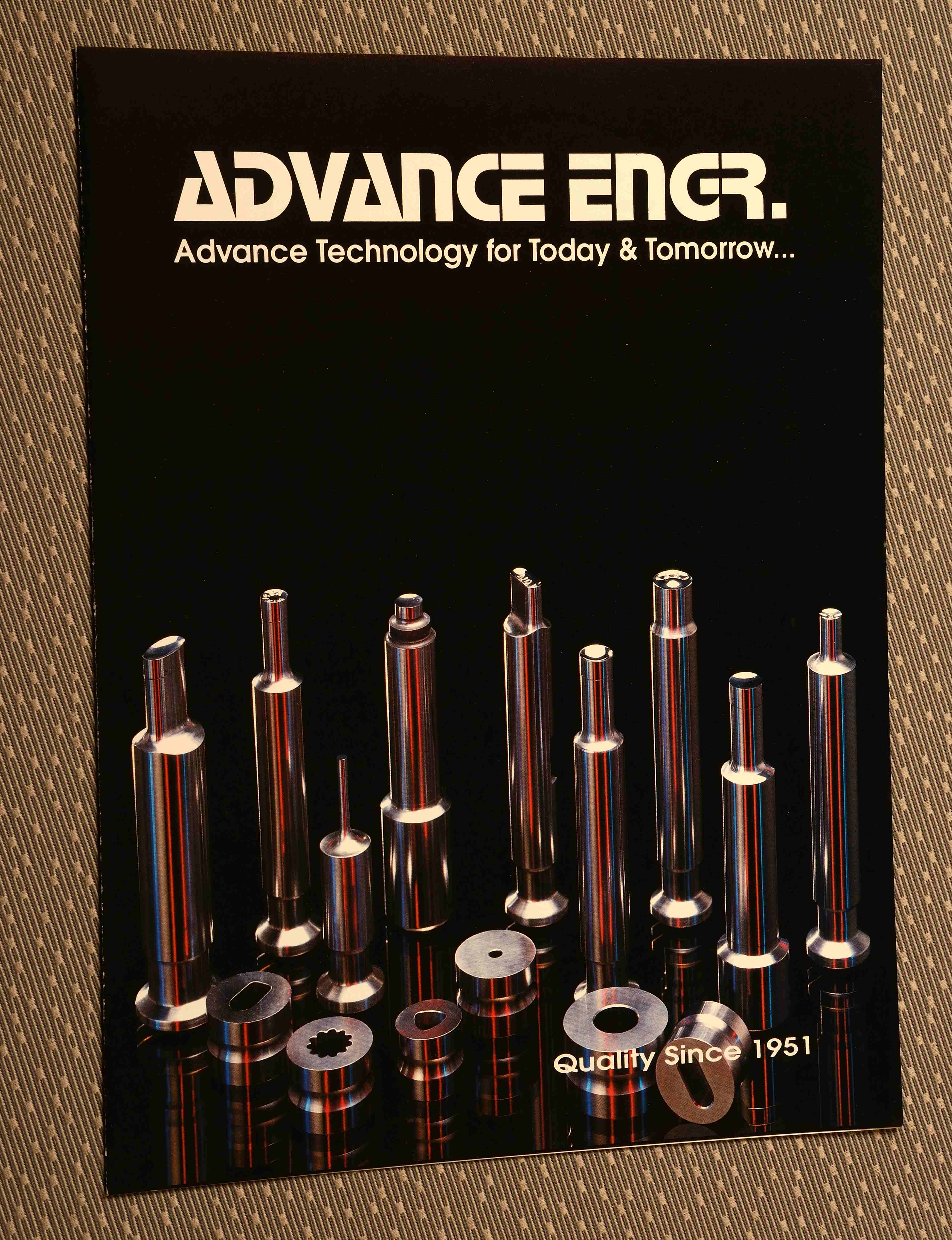
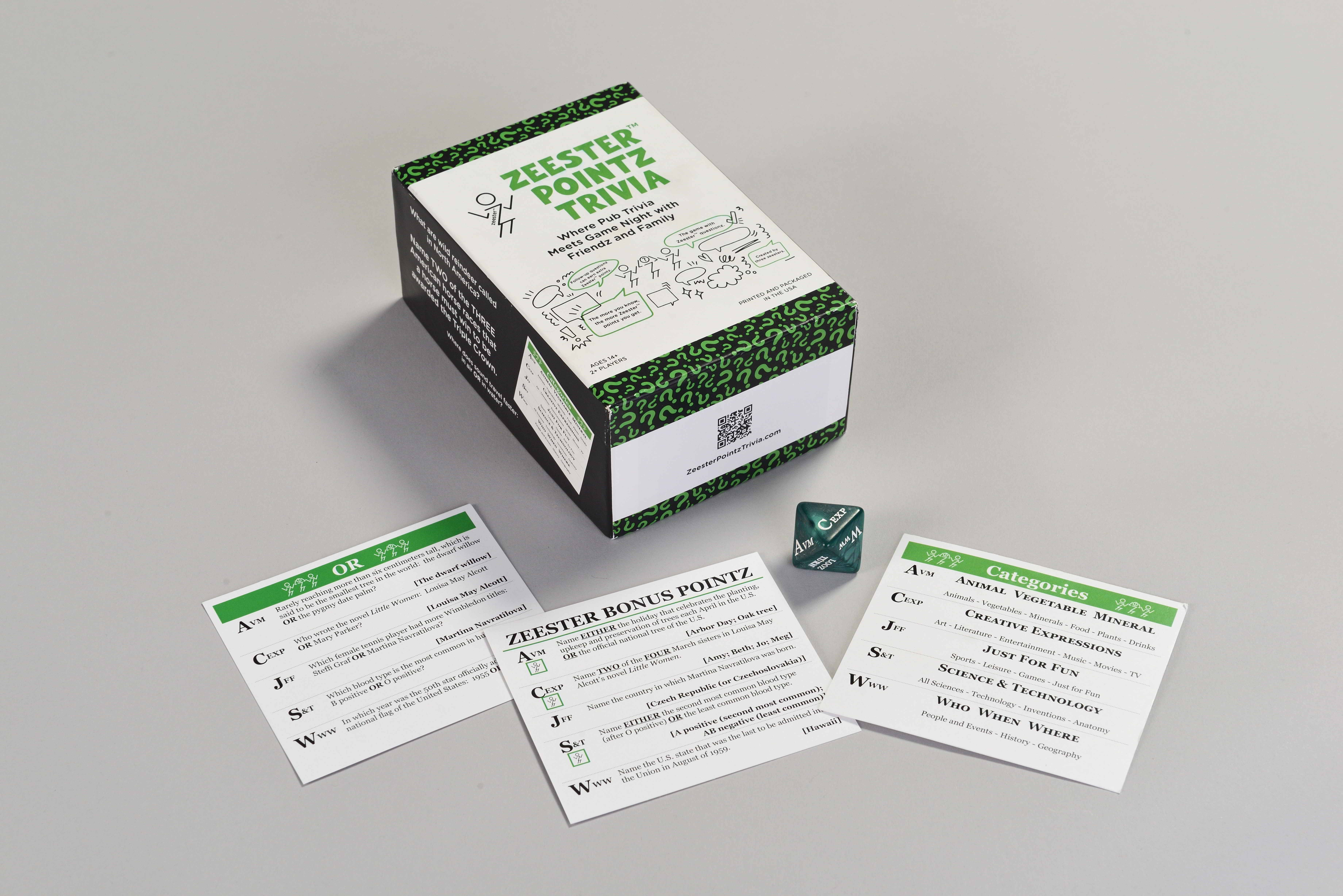
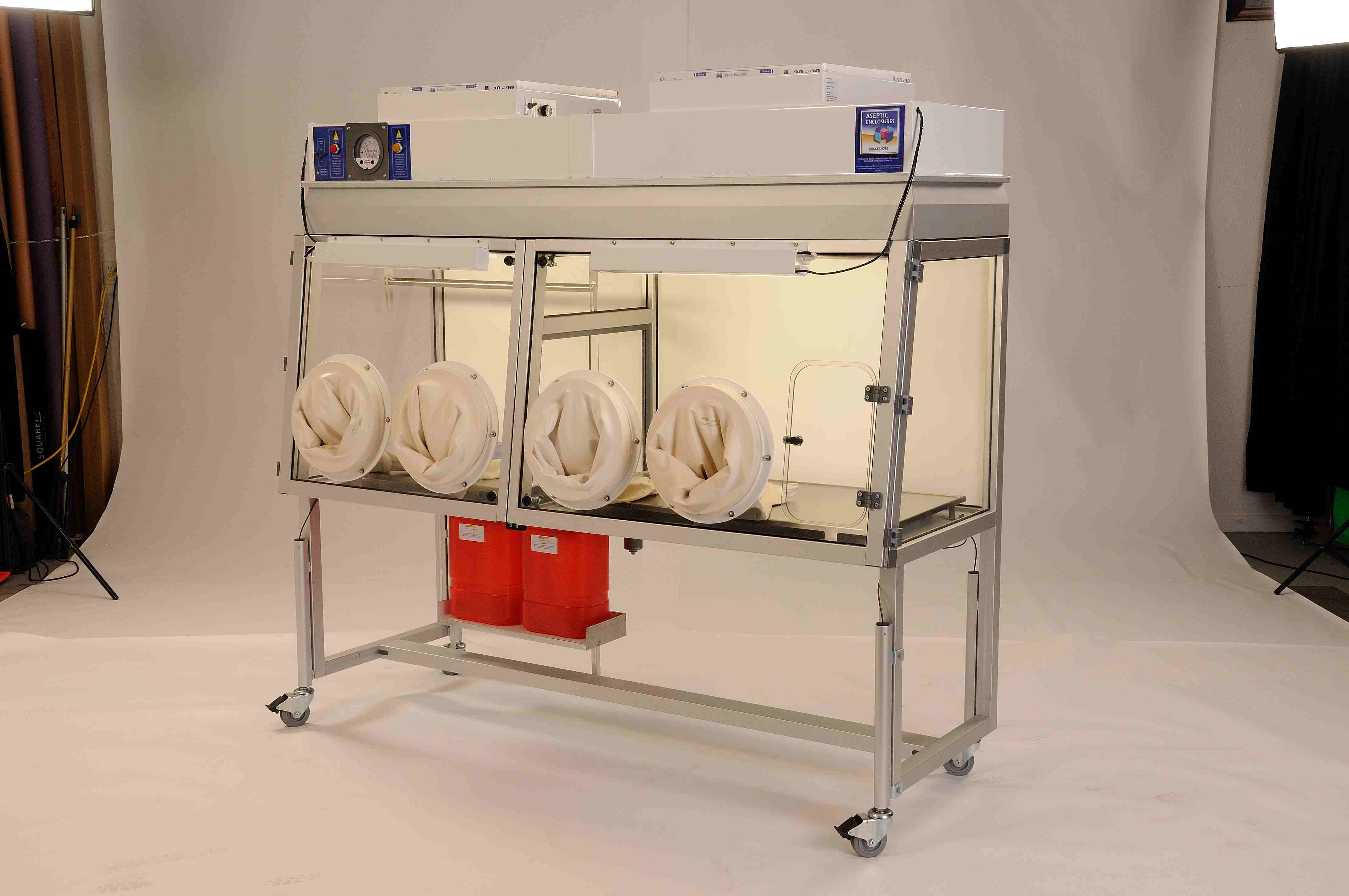
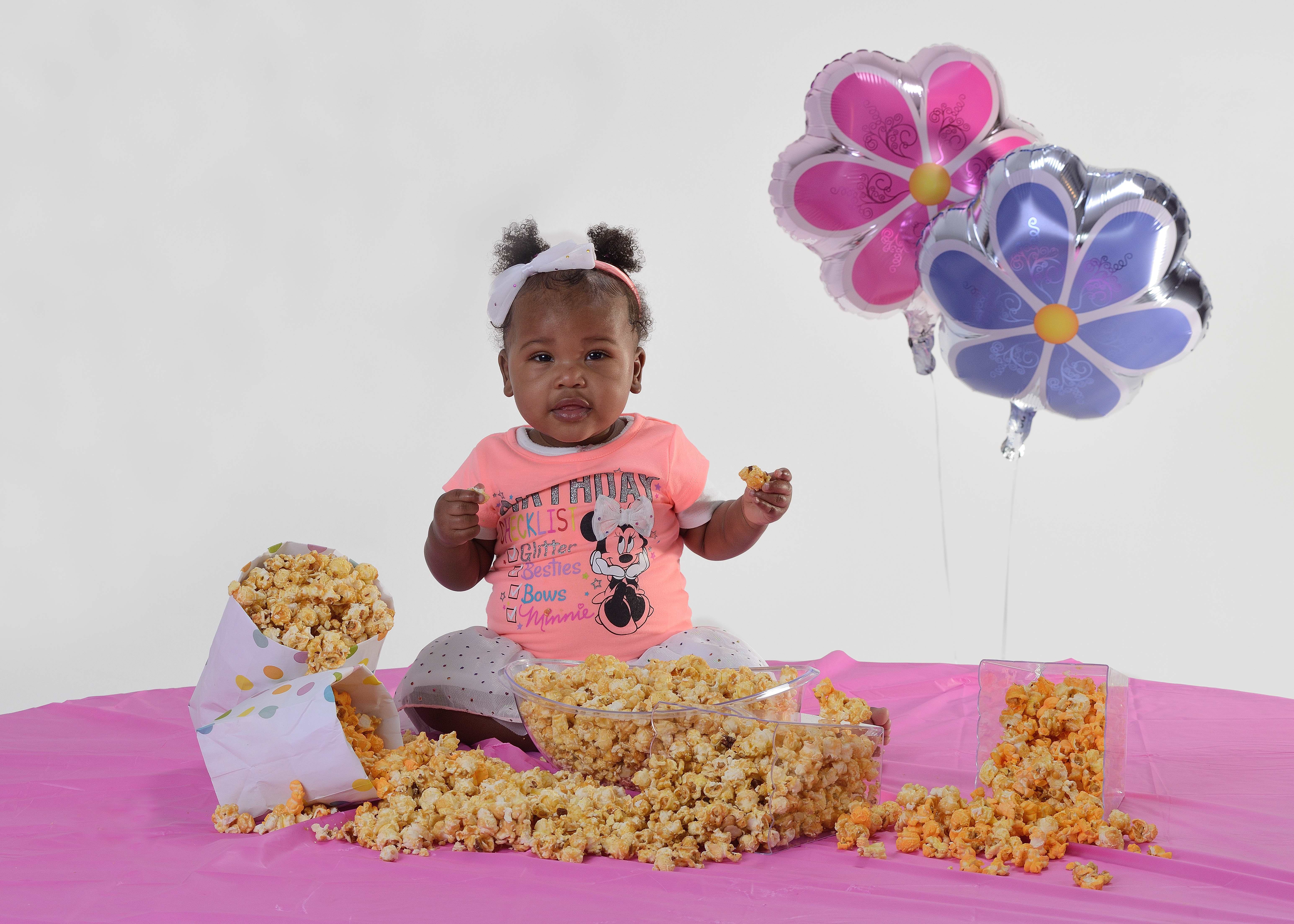
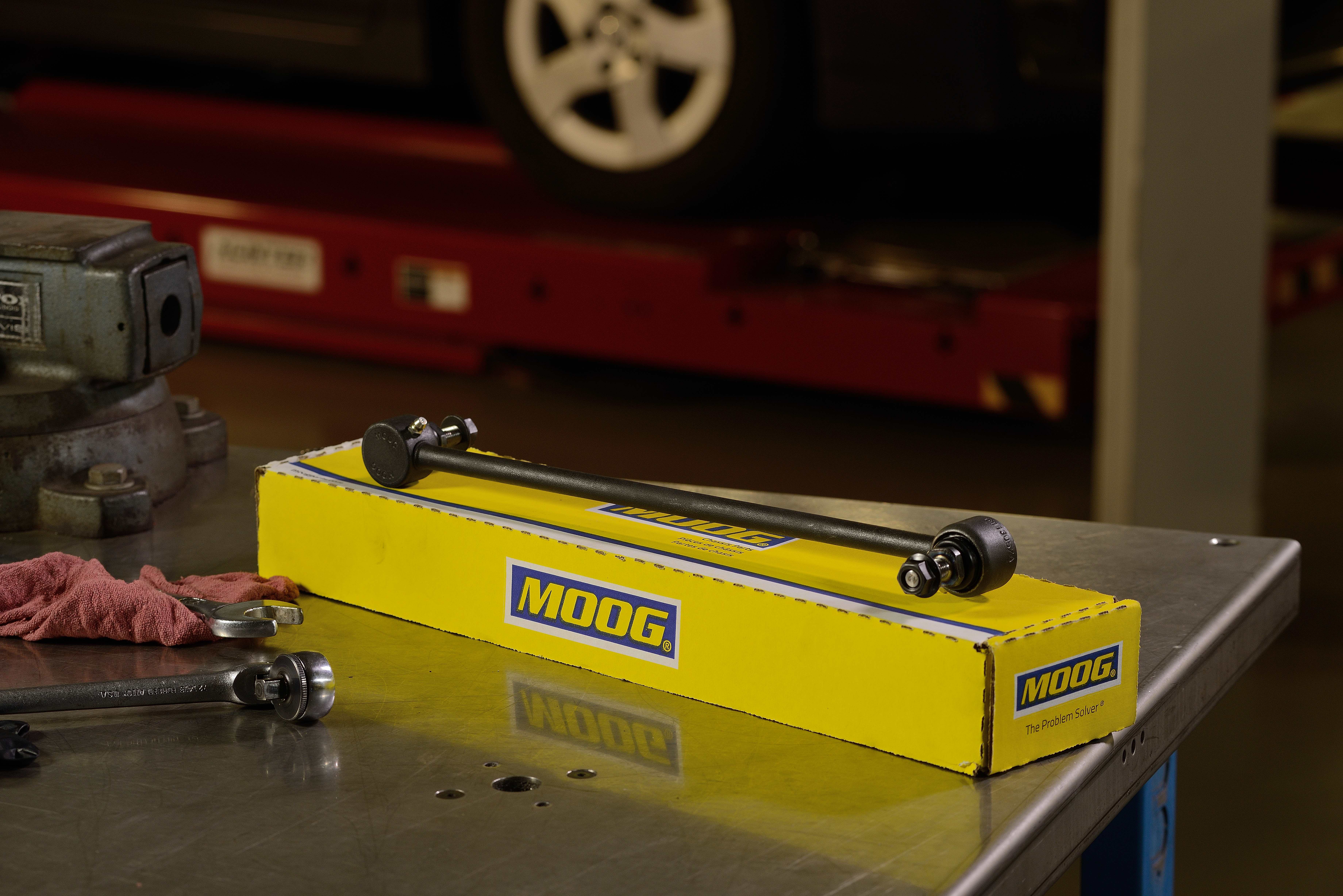
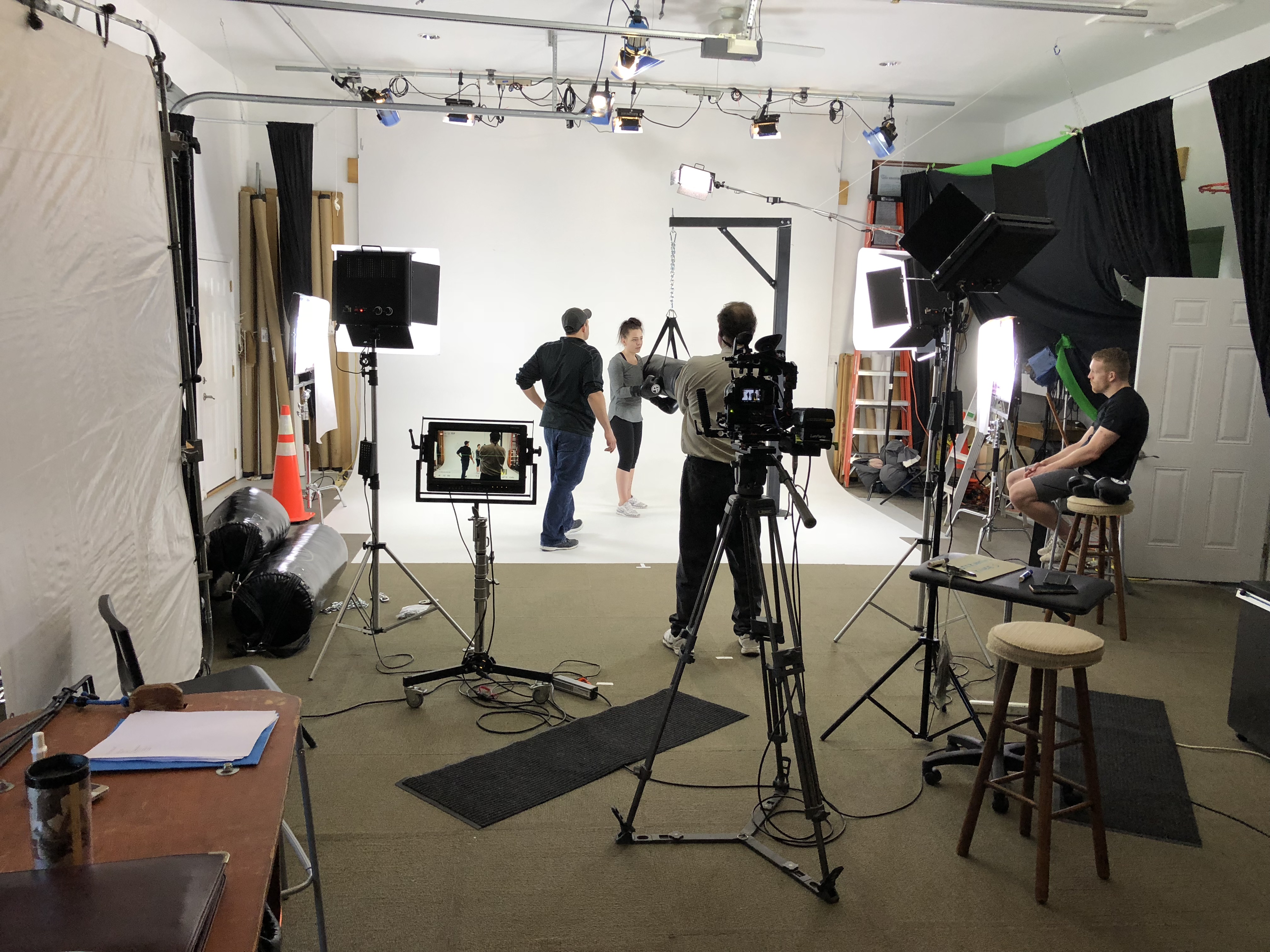
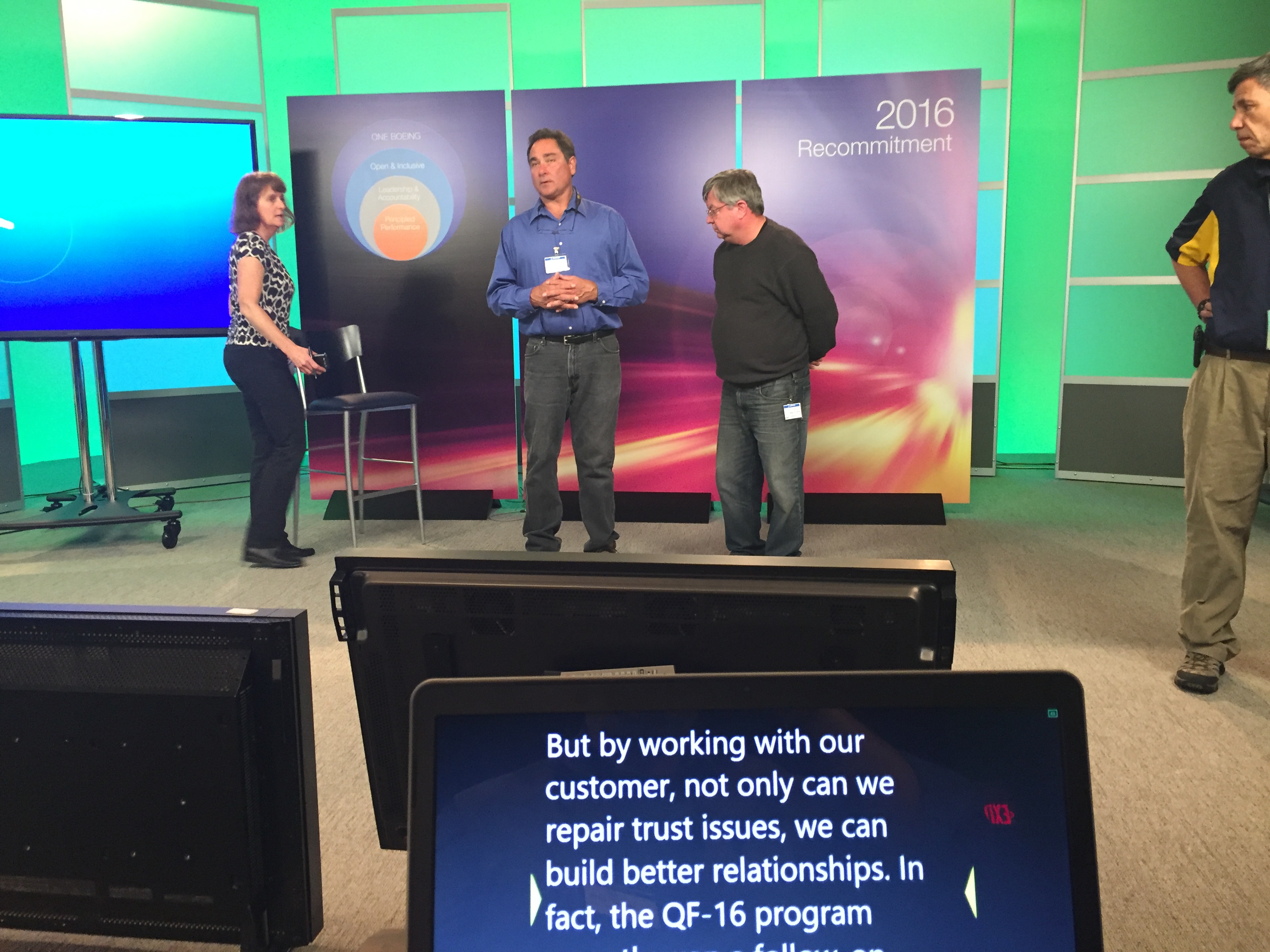

For businesses developing product catalogs or e-commerce content, consistency between images is especially important.
Standardized camera angles, lighting, backgrounds, and post-production settings help create cohesive presentations across extensive product collections.
St Louis Photography Studio provides professional commercial product photography, food photography, advertising imagery, and related production services for businesses and creative agencies.
314-913-5626
Mike Haller
4501 Mattis Road 63128
St Louis Photographer
St Louis, Missouri, USA | Photography services
stlphotographystudio@gmail.com
Economical Studio for Video and Photography in St Louis
Professional photography and video production does not have to require an oversized crew, an elaborate soundstage or an unnecessarily complicated production plan.
For many business, corporate, nonprofit and marketing projects, the most economical approach is a properly equipped studio that provides controlled lighting, sound, backgrounds, production equipment and experienced crew support in one location.
At St Louis Photography Studio, we believe economical production means getting the greatest amount of usable content from the time, crew and production budget available.
That is very different from simply choosing the lowest-priced option.
Experienced production planning can reduce wasted setup time, unnecessary location expenses, equipment duplication, weather delays and inefficient shooting schedules while improving the quality and consistency of the final photography and video.
For decision makers responsible for marketing, communications, advertising, training, recruiting or corporate media, a professional studio can offer one of the most efficient environments for creating high-quality visual content.
Why Studio Production Can Be More Economical
Location production is often necessary, but it introduces variables.
A crew may need to transport lighting, audio equipment, cameras, backgrounds, stands, monitors and other production equipment to the location.
There may also be travel, parking, loading, security, room preparation and location-related scheduling issues.
A studio eliminates many of those variables.
At St Louis Photography Studio, much of the production environment is already available and ready to configure.
That can reduce the time required for:
- Equipment transportation
- Loading and unloading
- Lighting setup
- Sound preparation
- Background setup
- Electrical planning
- Weather contingency planning
- Location preparation
- Production troubleshooting
The result can be a more predictable and efficient production day.
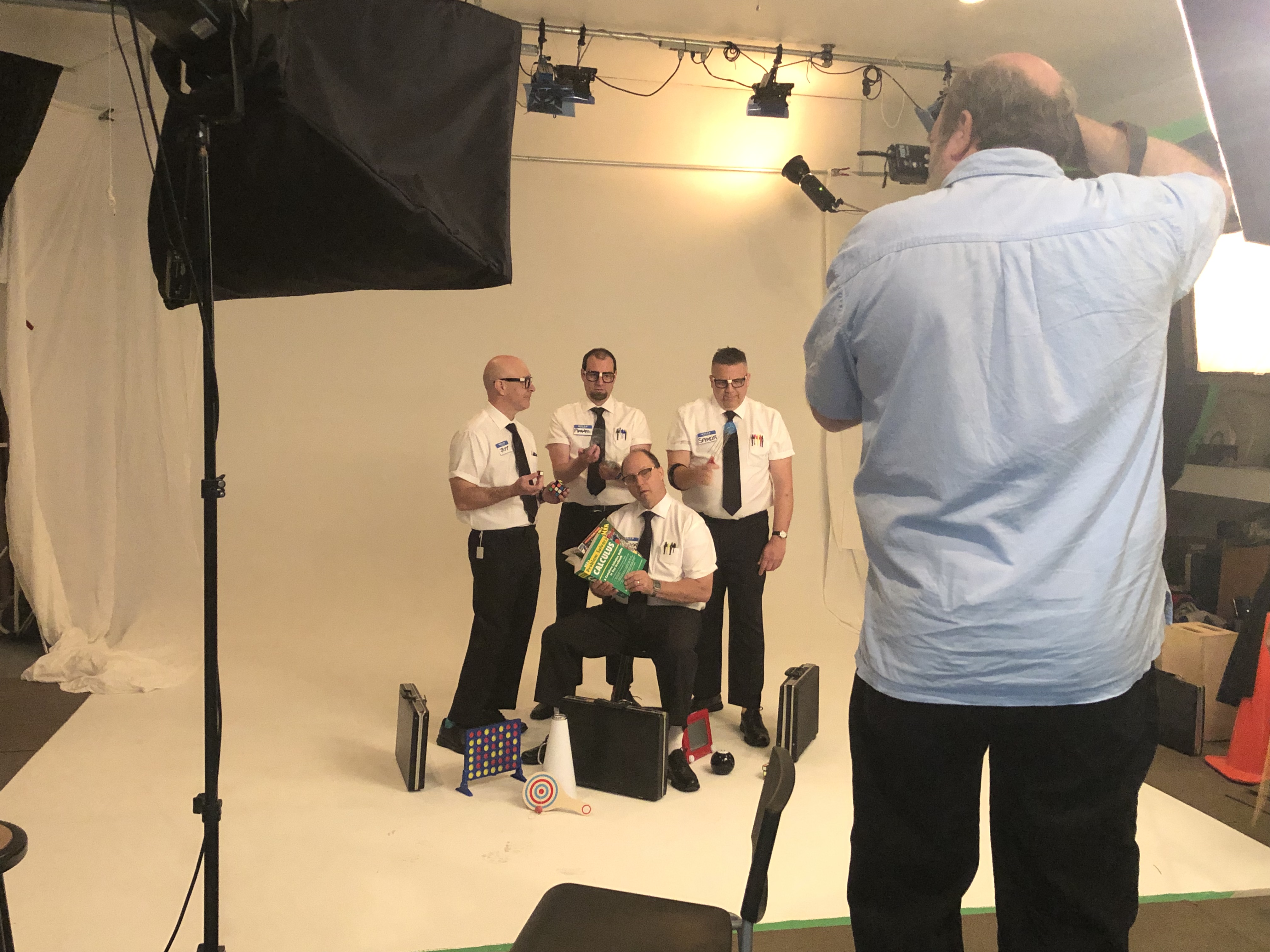
Economical Does Not Mean Low Quality
There is an important distinction between inexpensive production and efficient production.
Cutting essential crew members, using inappropriate equipment or rushing through image acquisition may lower the initial invoice but can increase the total cost of a project if photography has to be retouched excessively or video has to be repaired in post-production.
Poor sound, inconsistent lighting or badly framed interviews can be particularly expensive to correct later.
A well-equipped studio allows the production team to solve many of these problems before recording begins.
The objective is to create clean, professional source material that provides flexibility during editing and post-production.
A Controlled Environment Saves Production Time
Control is one of the greatest advantages of studio production.
Outdoor productions can be affected by weather, wind, changing sunlight, traffic and unwanted background activity.
Office locations can introduce interruptions, noisy HVAC systems, reflective surfaces, poor lighting and limited space.
Inside a professional studio, many of those variables can be controlled.
Lighting can remain consistent from the first photograph to the last.
Sound levels can be managed more effectively.
Camera positions can be planned without interfering with normal business operations.
Backgrounds, props and furnishings can be repositioned as needed.
This consistency is especially valuable when creating a series of videos, employee portraits or product images that must match visually.
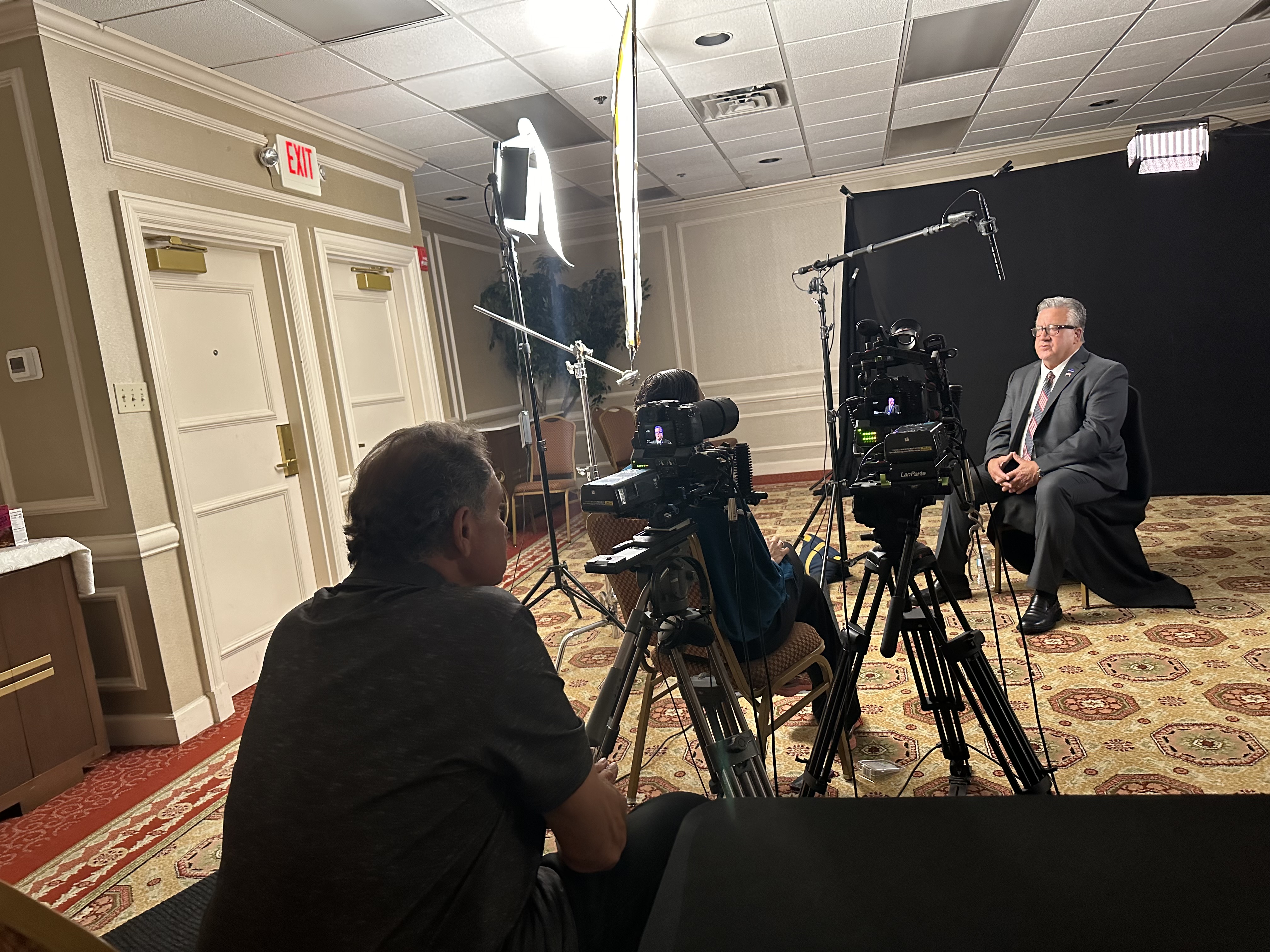
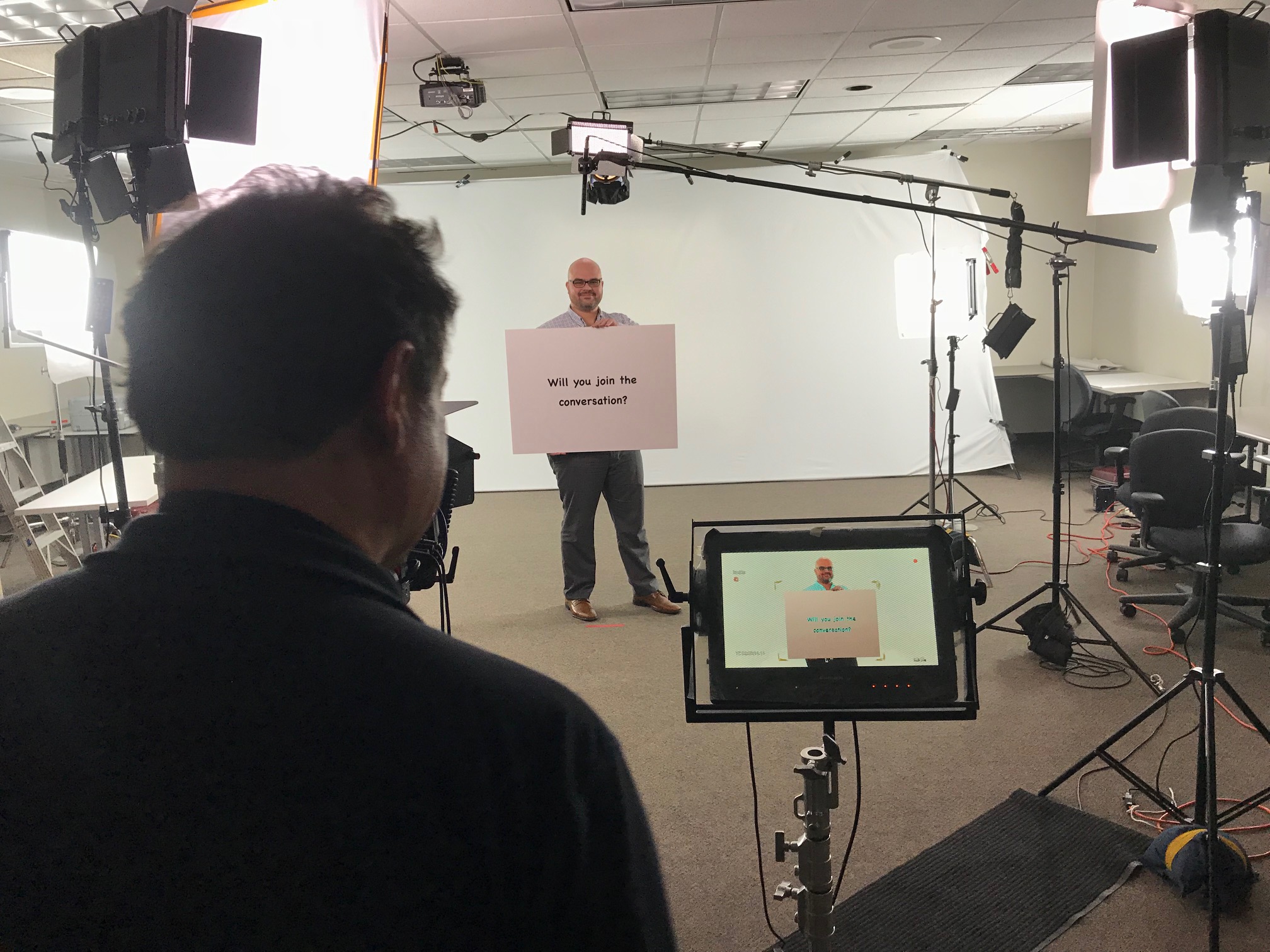
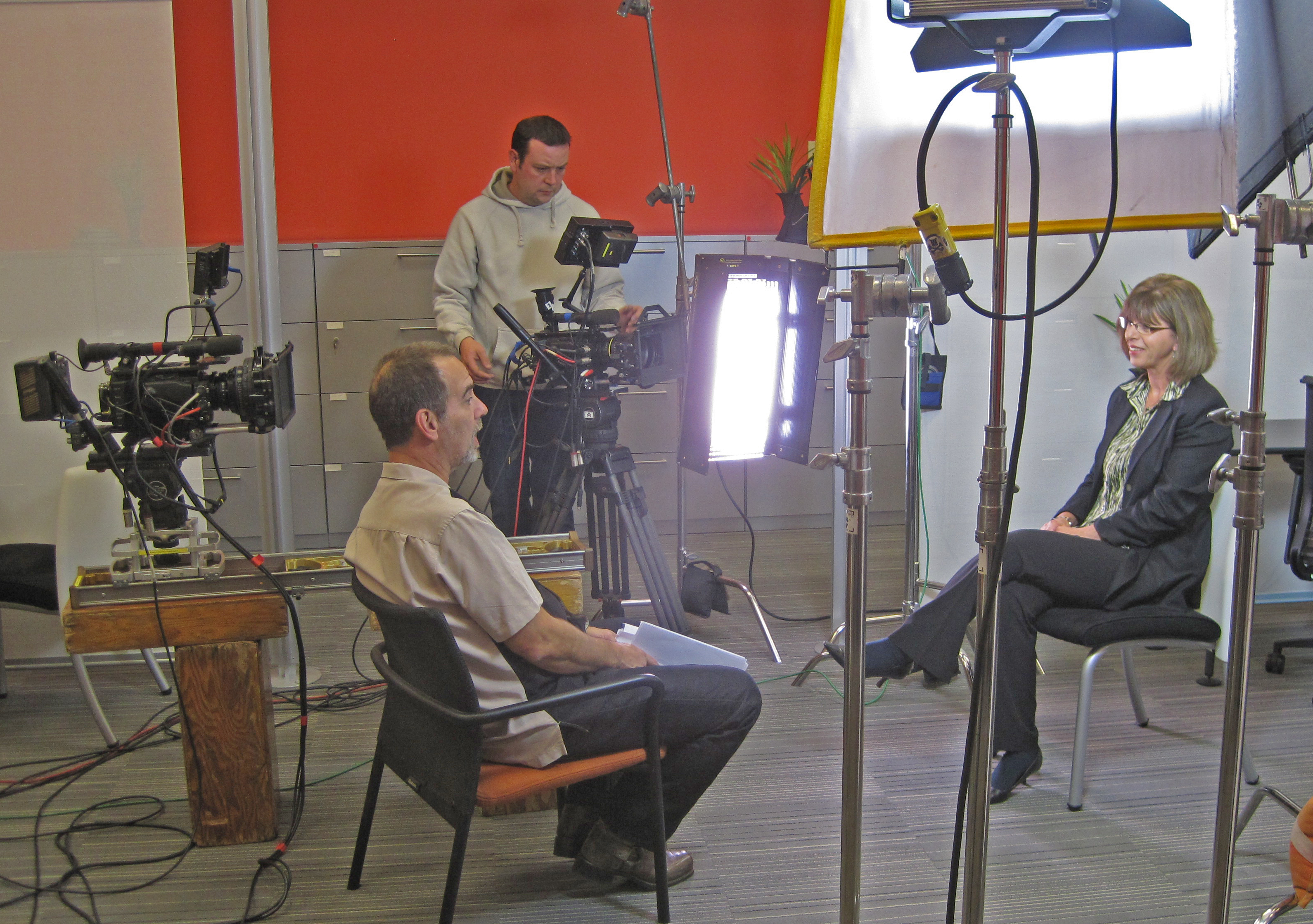
Corporate Video Interviews
Corporate interviews are among the projects that benefit most from an economical studio setup.
The production can be designed around one spokesperson or a series of executives, employees, subject-matter experts or customers.
A studio environment allows us to carefully control:
- Key lighting
- Fill lighting
- Background lighting
- Camera placement
- Lens selection
- Audio recording
- Teleprompter placement
- Background composition
- Props and furniture
- Branding elements
Once the production environment is established, multiple people can often be photographed or recorded efficiently without rebuilding the setup for every participant.
That can substantially reduce the cost per finished interview.
Creating Multiple Videos in One Session
One of the best ways to make professional video production more economical is to plan multiple deliverables during the same production session.
Instead of filming a single two-minute video, a marketing department might record:
- A corporate overview
- Executive messages
- Frequently asked questions
- Recruiting videos
- Customer information
- Product explanations
- Training segments
- Social media clips
- Website introductions
- Internal communications
Many of these videos can share the same studio lighting, camera setup and crew.
The incremental cost of recording additional content can be considerably lower than scheduling multiple separate production days.
This is one reason content planning should happen before the cameras are turned on.
Photography and Video During the Same Production
Another way to improve production efficiency is to combine still photography and video.
A business may need executive portraits, marketing photography and video interviews simultaneously.
When properly planned, photography and video assets can be created during the same production session.
For example, an executive may arrive for an interview and also be photographed for:
- Website profiles
- Public relations
- Annual reports
- Sales materials
- Conference programs
- Social media
- Internal communications
Creating these assets together reduces scheduling demands on executives while providing the marketing department with a larger library of coordinated visual content.
Professional Headshots in the Studio
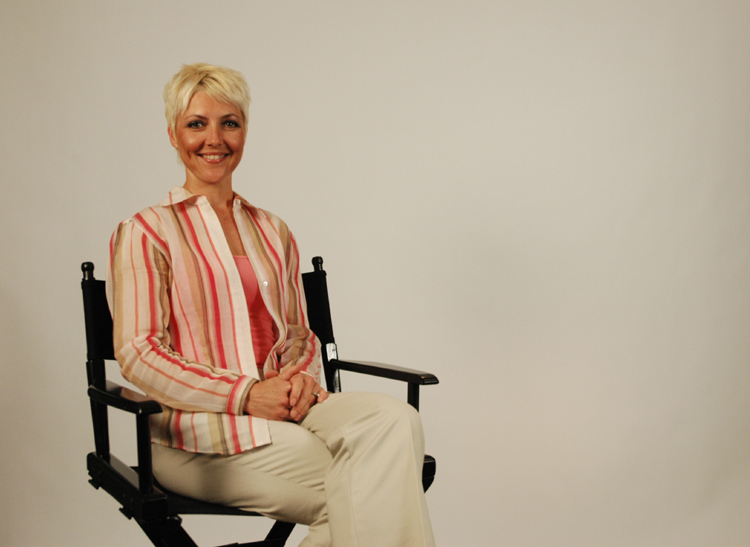
Professional business portraits are another natural application for an efficient studio environment.
Once lighting, camera position and background are established, multiple employees can be photographed with consistent visual branding.
This works particularly well for organizations that require coordinated headshots across leadership teams or departments.
Studio sessions provide control over:
- Lighting consistency
- Background color
- Camera height
- Cropping
- Facial positioning
- Exposure
- Color balance
- Retouching standards
Consistency is especially important when portraits will appear together on a corporate website.
Environmental Business Portraits
Not every business portrait needs to be photographed against a traditional studio background.
Our studio is large enough to incorporate furniture, props, equipment and other environmental elements.
This allows us to create more customized portraits without the expense of moving a full production crew to an outside location.
An environmental setup can suggest:
- Leadership
- Technology
- Healthcare
- Manufacturing
- Professional services
- Creative industries
- Education
- Engineering
- Construction
The environment can reinforce the subject’s profession while maintaining the technical advantages of a controlled studio.
Product Photography
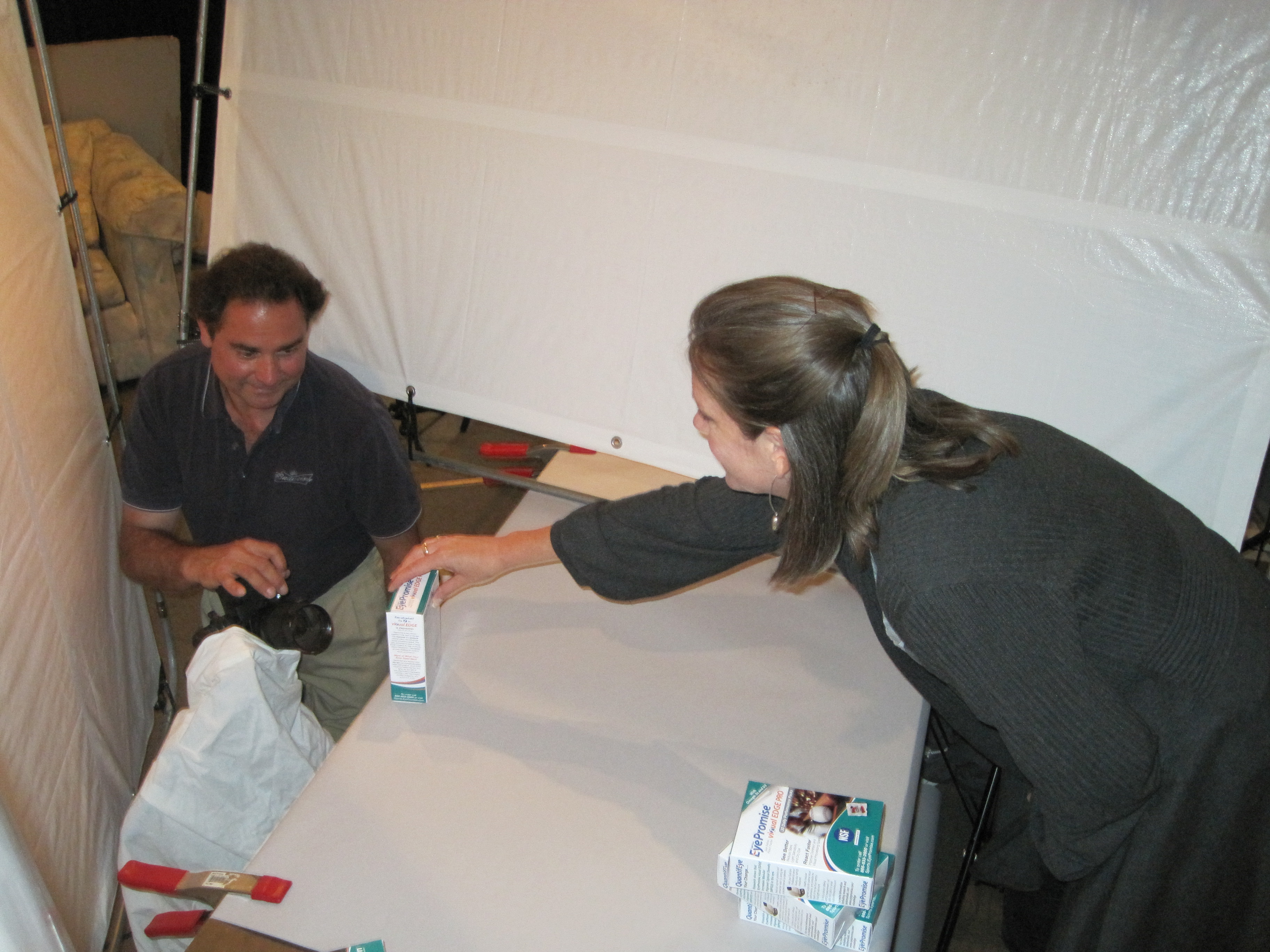
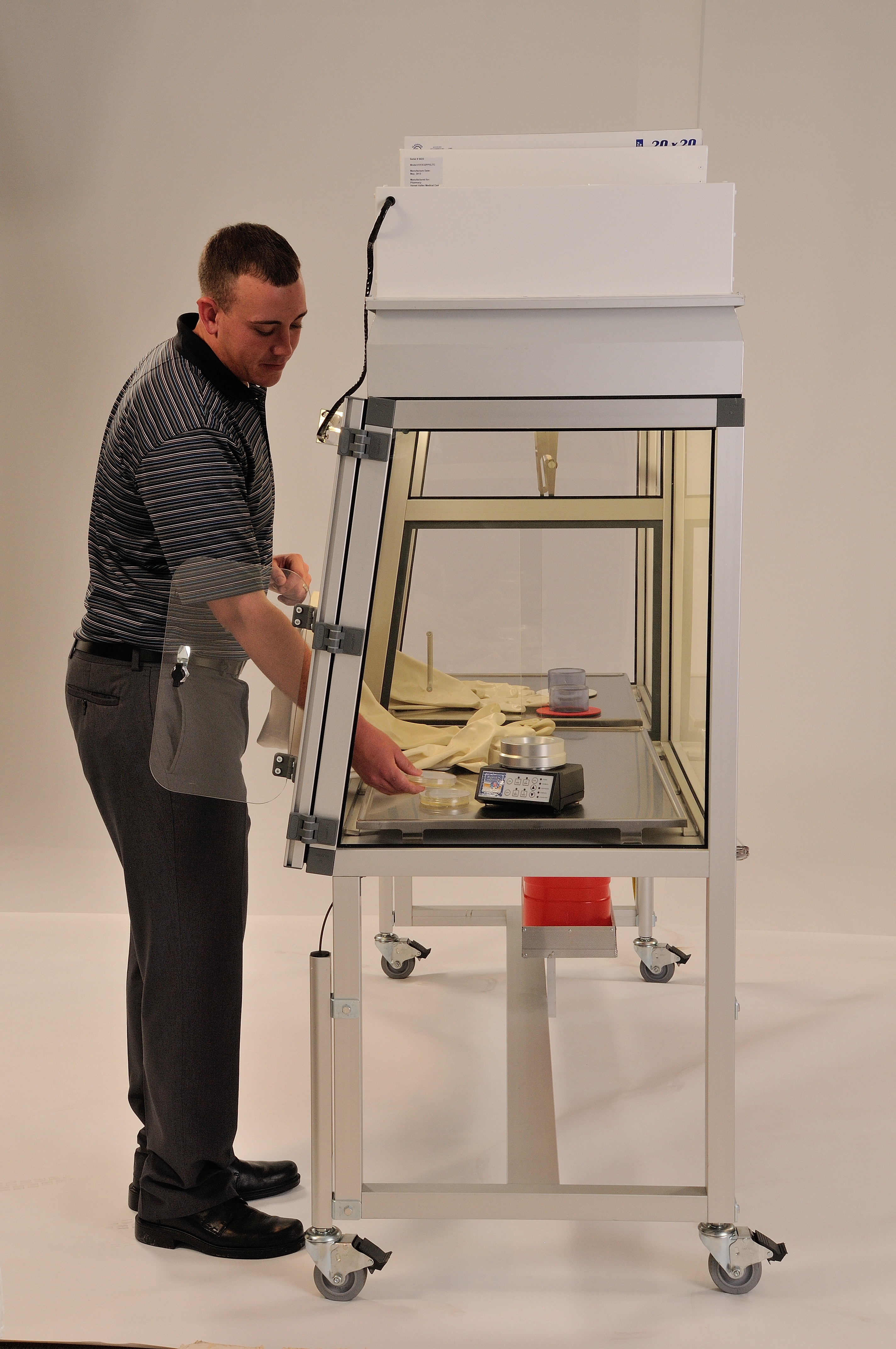
Product photography can also be particularly economical in a professional studio.
Products can be photographed under controlled lighting with consistent camera angles and backgrounds.
Depending on the project, images may be created for:
- E-commerce
- Advertising
- Catalogs
- Social media
- Packaging
- Websites
- Sales presentations
- Instructional materials
A repeatable studio setup is especially valuable when dozens or hundreds of products must maintain a consistent visual appearance.
Video Product Demonstrations
Photography and video can also be combined for product demonstrations.
A product might be photographed individually and then recorded in use during the same session.
This creates additional marketing assets without requiring an entirely separate production.
Video demonstrations can be particularly effective for:
- Industrial products
- Medical devices
- Consumer products
- Tools
- Technology
- Equipment
- Software-supported hardware
- Manufacturing processes
The same lighting and camera environment can frequently support both still photography and motion capture.
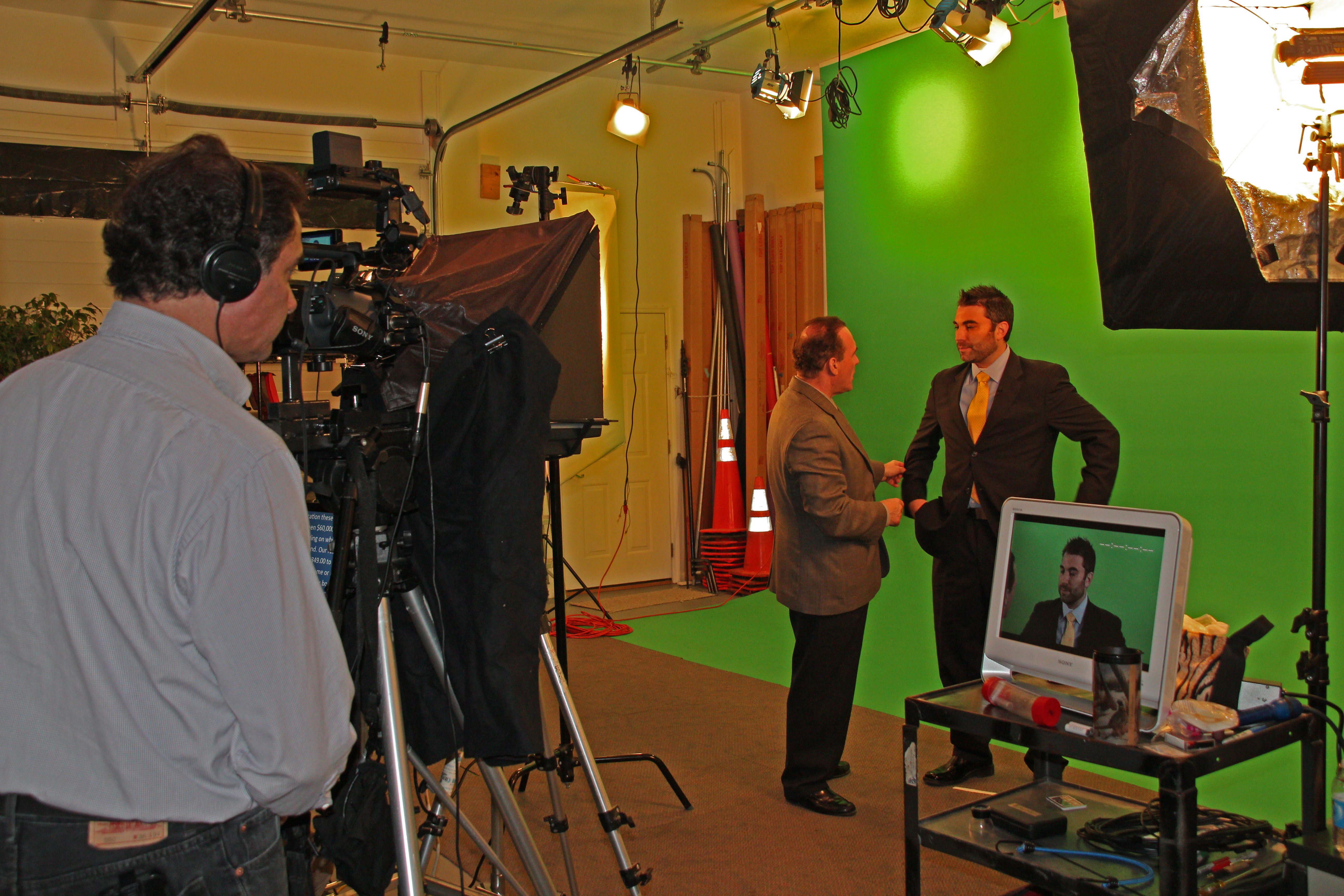
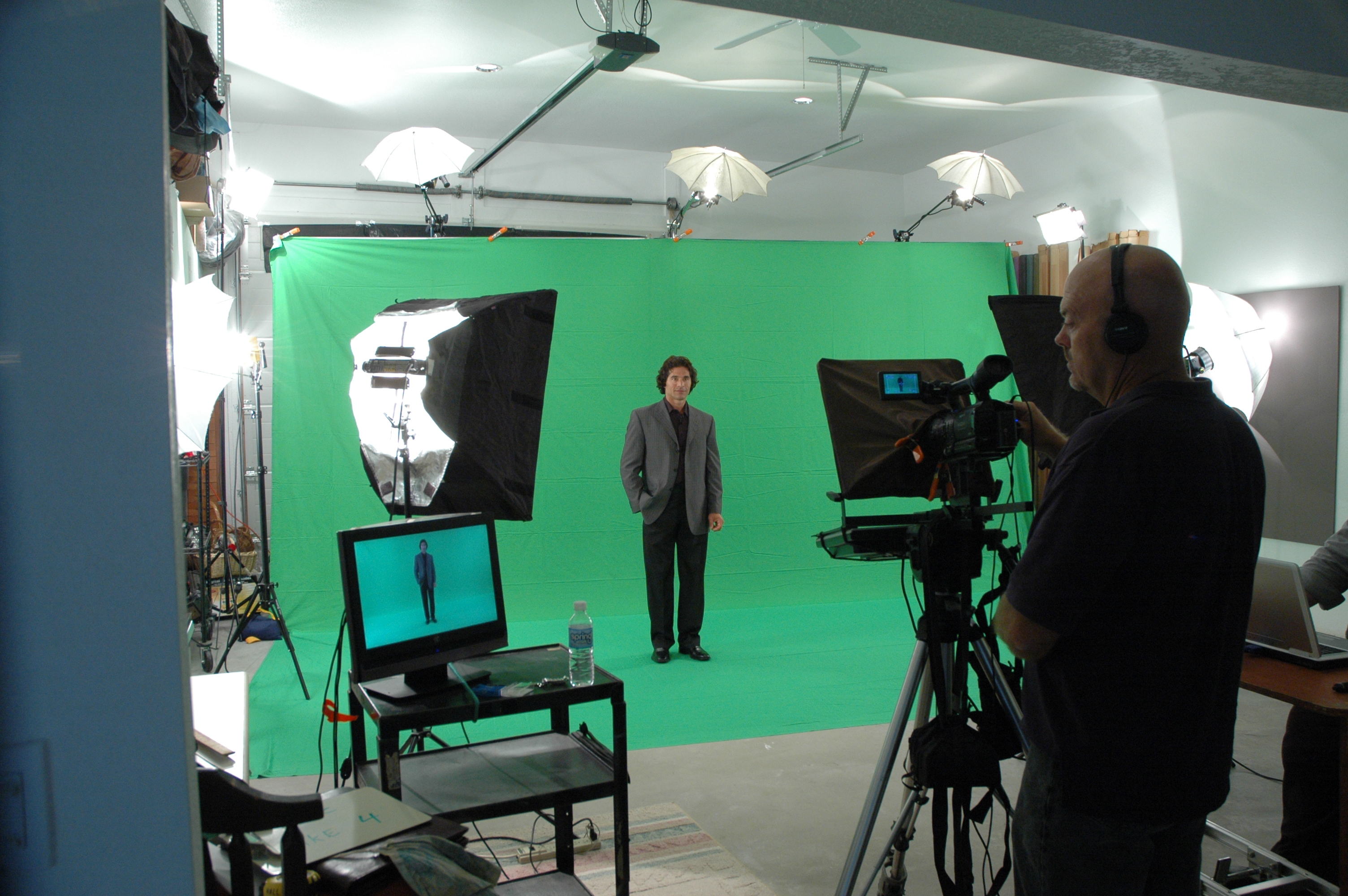
Green Screen Production
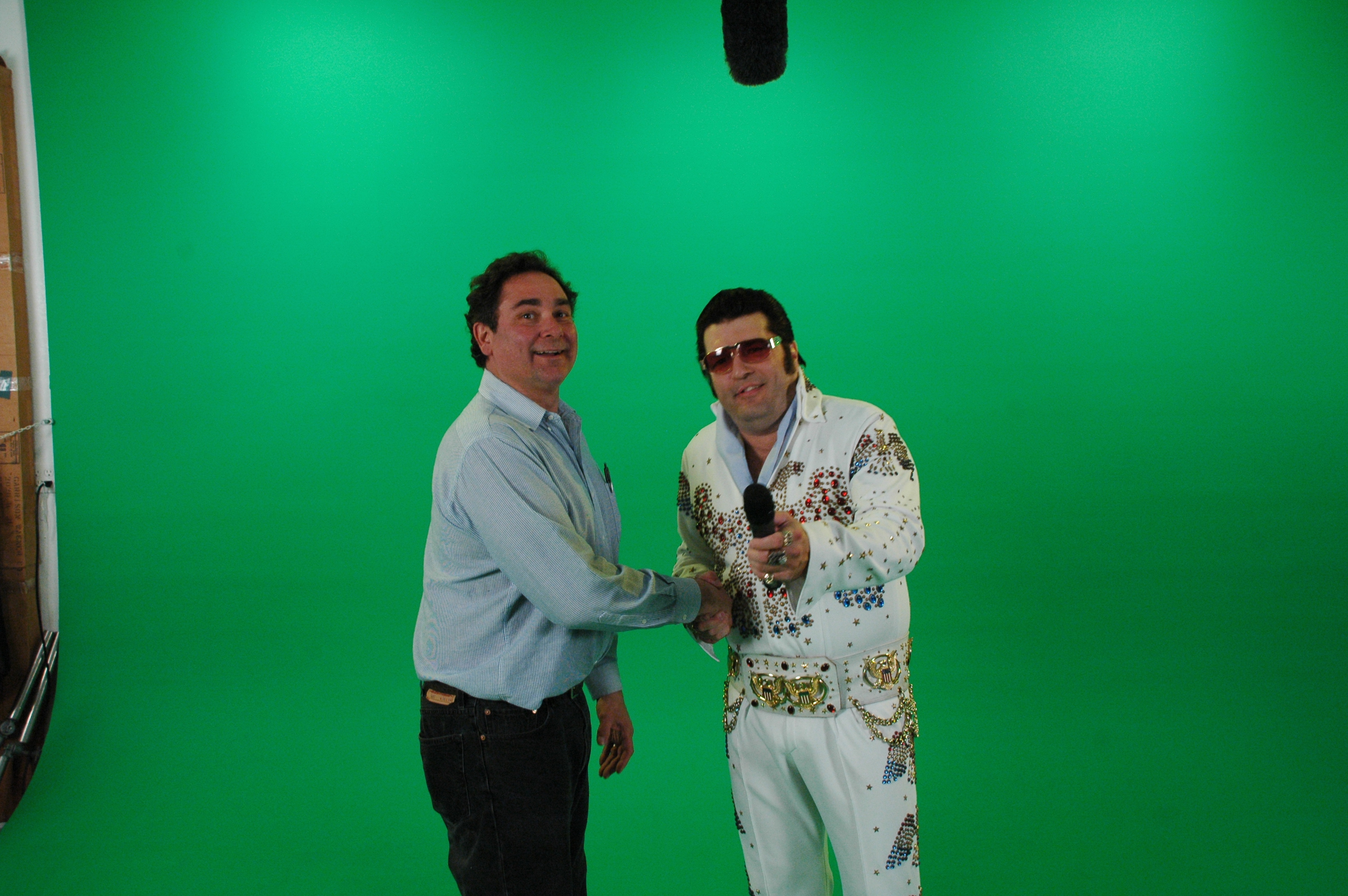
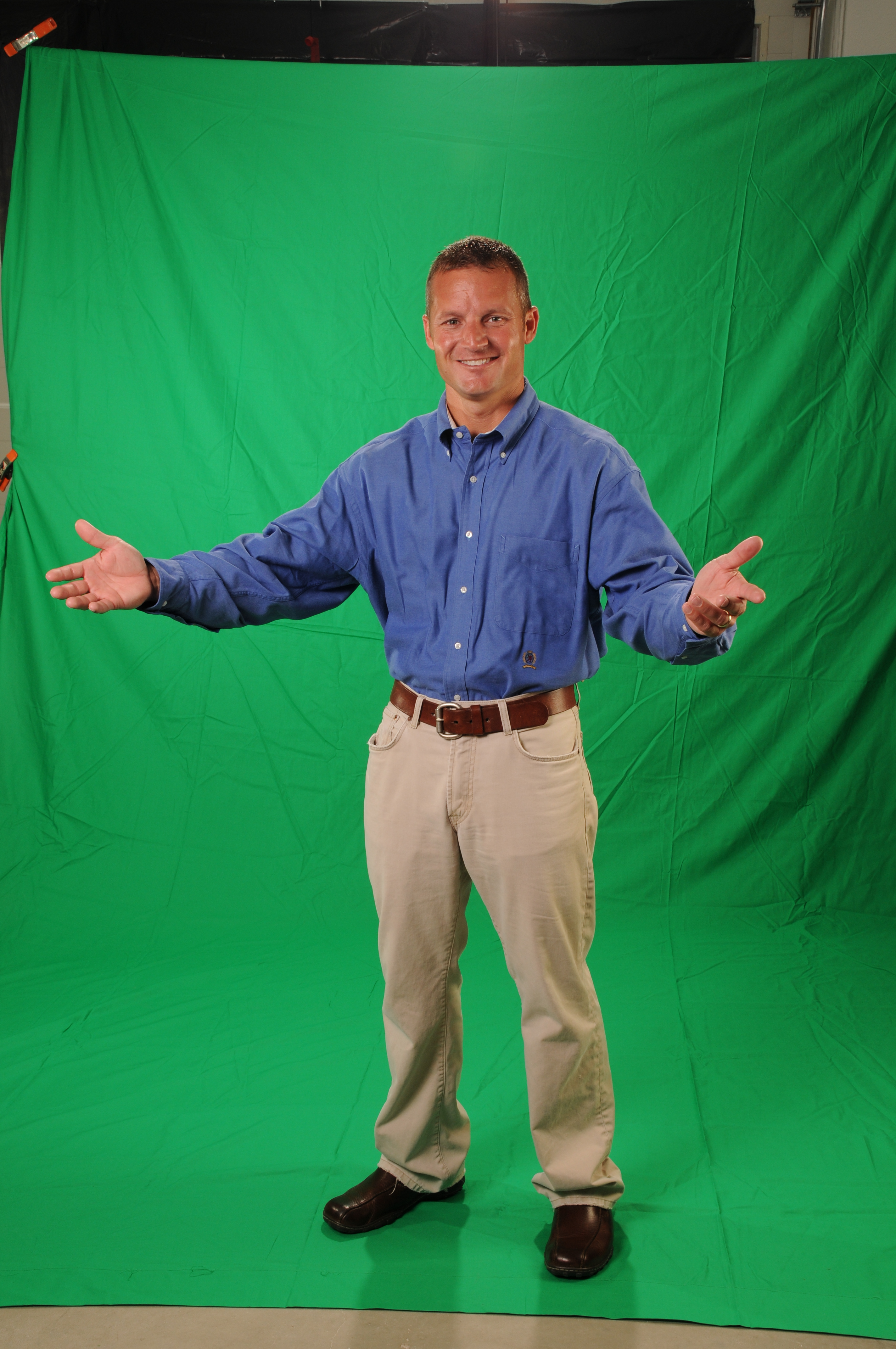
Green screen can be an economical solution when a production requires multiple visual environments but does not justify traveling to multiple locations.
A spokesperson can be recorded once and later composited into different backgrounds or graphical environments during post-production.
Green screen may be useful for:
- Training videos
- Marketing presentations
- Product videos
- Virtual backgrounds
- Educational content
- Corporate communications
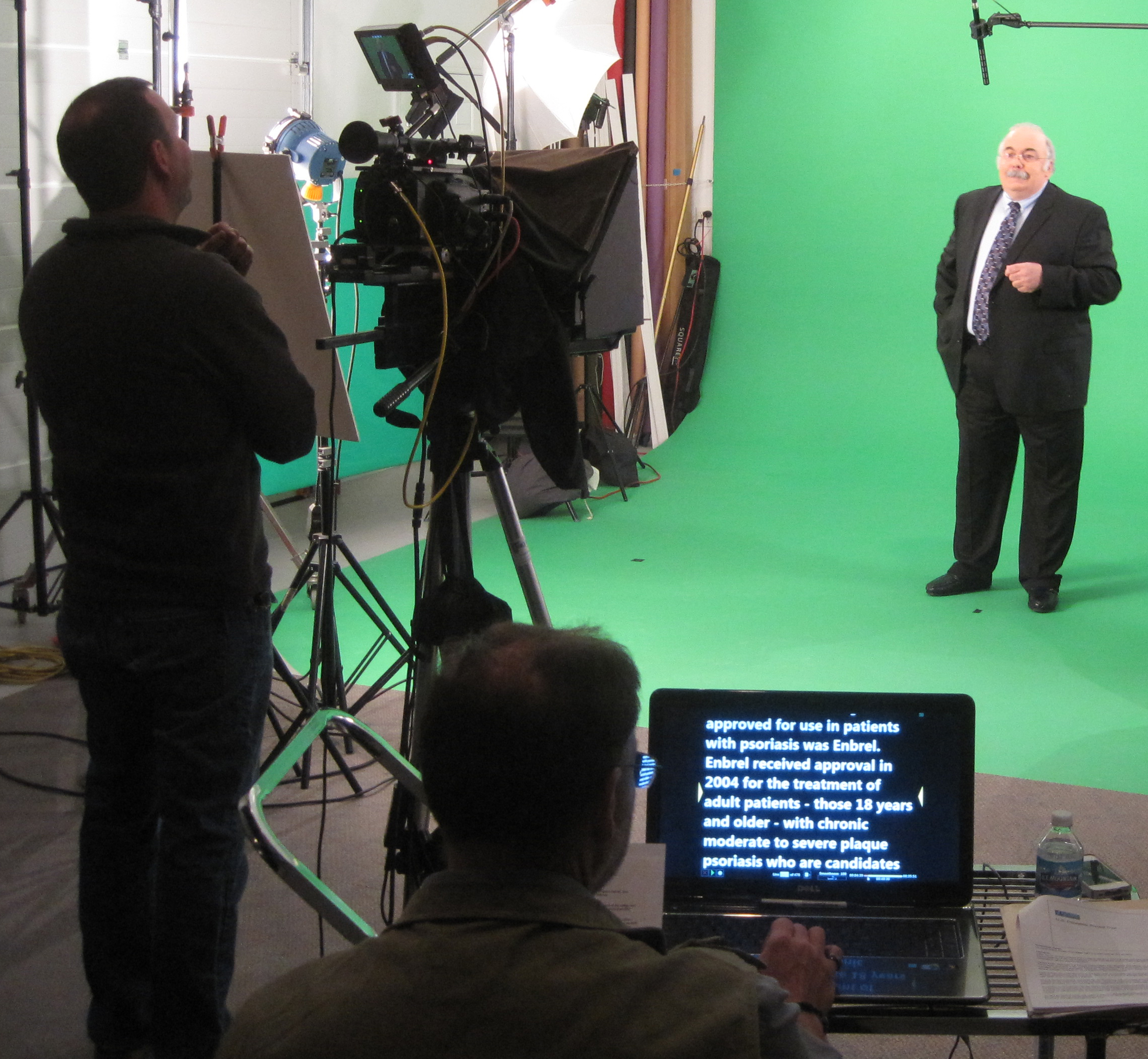
Successful green screen production requires appropriate lighting, subject separation and post-production planning.
When those elements are handled correctly, green screen can provide considerable creative flexibility.
Teleprompter Production
Teleprompters can significantly improve production efficiency.
Executives and presenters often have limited time available.
A teleprompter allows the speaker to deliver prepared messaging directly toward the camera while maintaining natural eye contact with the audience.
This can reduce:
- Retakes
- Memorization
- Editing
- Production time
- Presenter fatigue
Teleprompters are particularly useful for executive communications, training programs, scripted marketing videos and regulatory or technical messaging where precise wording matters.
Professional Audio Matters
Video viewers will sometimes tolerate an imperfect image.
They are considerably less tolerant of poor sound.
Professional audio recording is therefore one of the most important elements of an efficient production.
Problems such as echo, background noise, inconsistent volume and microphone interference can increase post-production time or make material unusable.
Our studio environment allows professional microphones and sound equipment to be integrated into the production from the beginning.
Capturing good audio at the source is almost always less expensive than attempting to repair poor audio later.
Small Crews Can Be Highly Efficient
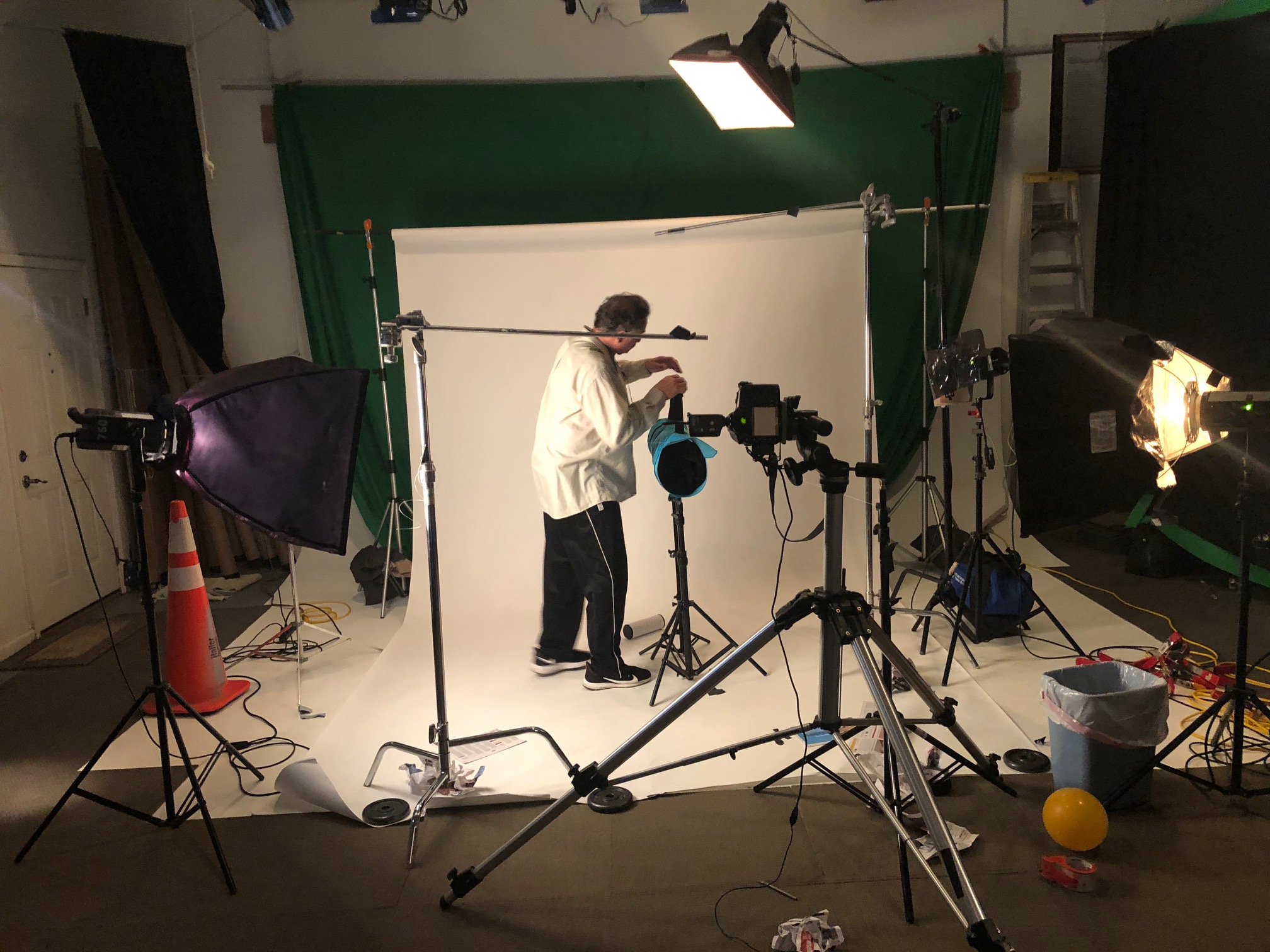
Many corporate video projects do not require a large production crew.
An experienced, properly equipped crew can accomplish a significant amount of work with a relatively small footprint.
Depending on the production, crew responsibilities may include:
- Producing
- Directing
- Camera operation
- Lighting
- Sound
- Teleprompter
- Photography
- Digital imaging
- Drone operation
The key is assigning the right people and equipment to the requirements of the project.
Adding unnecessary crew can increase costs.
Using too few experienced professionals can create inefficiencies.
The correct balance produces the best value.
Studio Production for Training Videos
Training content is another area where studio production can provide excellent economy.
A company may need dozens of instructional segments rather than one large marketing video.
Producing these videos in a controlled environment allows the organization to create a consistent visual format that can be repeated across an entire training library.
This may include:
- Onboarding
- Safety training
- Procedures
- Software instruction
- Compliance
- Leadership development
- Product education
- Customer training
Training segments can also be broken into shorter microlearning modules for easier online distribution.



Content for Social Media
Business video is increasingly produced for multiple platforms.
A studio session can be designed to generate both traditional horizontal video and shorter social media content.
The same production may provide:
- 16:9 website video
- YouTube content
- LinkedIn clips
- Vertical social video
- Short promotional segments
- Still photographs
- Thumbnail images
- Behind-the-scenes content
Planning these formats during production is significantly more efficient than attempting to recreate content later.
Repurposing Content Improves the Economics of Production
One of the most important ways to improve return on a production budget is to repurpose content.
A single interview may generate considerably more than one finished video.
The footage might become:
- A full-length corporate video
- Three short social media clips
- A recruiting video
- Website content
- A sales presentation
- Internal communications
- Short testimonial segments
- Still frames
- Promotional teasers
Photography can also be repurposed across websites, brochures, social media, advertising, presentations and public relations.
At St Louis Photography Studio, we encourage clients to think about the entire content lifecycle rather than one immediate deliverable.
Creating a Corporate Media Library
A well-planned studio production can create a media library that continues to provide value long after the shoot.
This might include:
- Executive portraits
- Employee headshots
- Product photographs
- Interview footage
- B-roll
- Social media clips
- Brand imagery
- Vertical videos
- Website photographs
Building a reusable library can reduce the need for constant small production assignments throughout the year.

Studio and Location Production Can Work Together
Studio production is not always the complete solution.
Some stories need to be photographed where the actual work occurs.
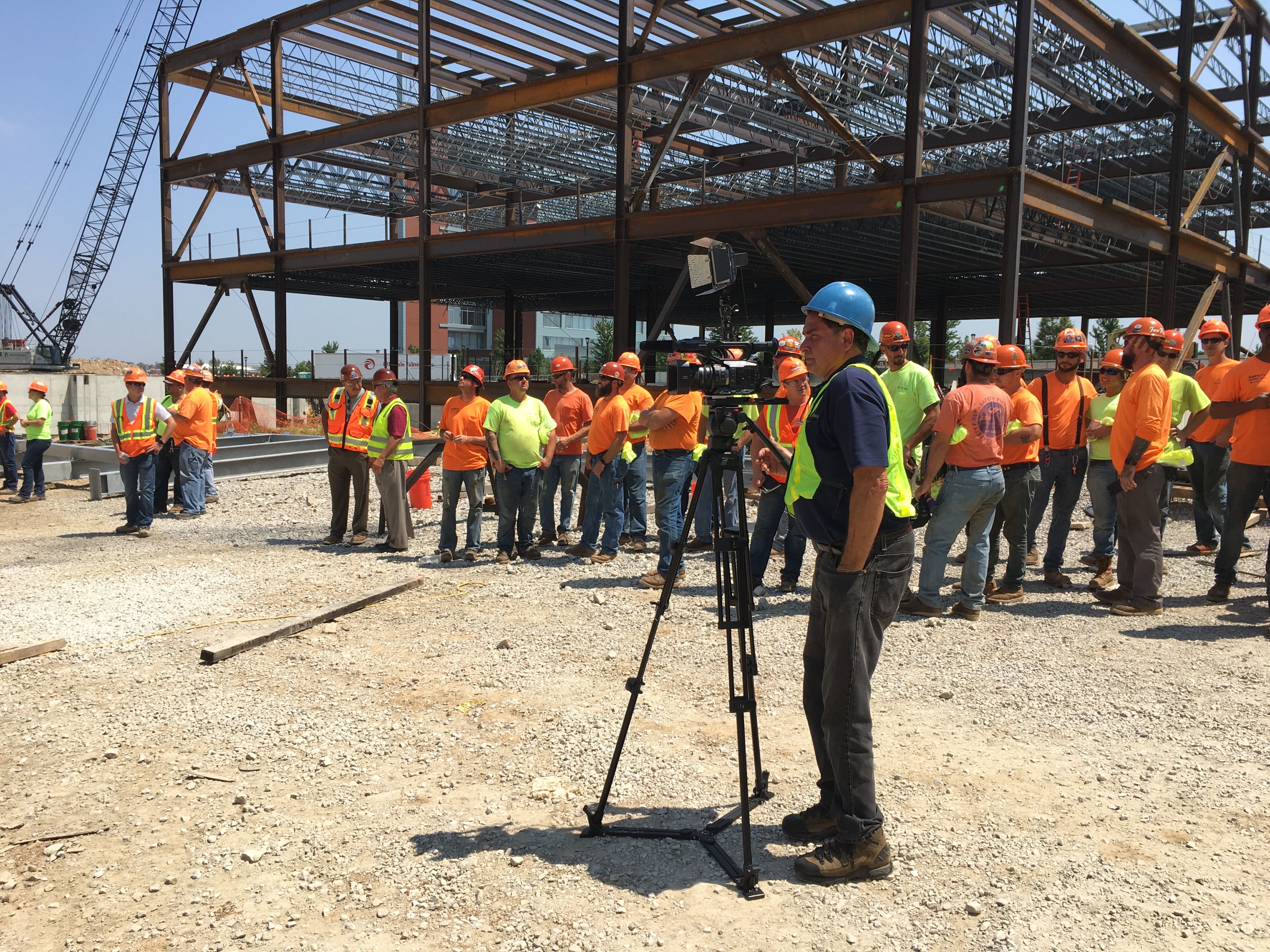
Manufacturing, construction, healthcare, real estate, events and corporate culture frequently require location footage.
A hybrid production can combine controlled studio interviews with location b-roll.
For example, an executive might be interviewed in our studio while a smaller crew later captures operations at the client’s facility.
The two sources can then be combined during editing into one cohesive presentation.
Location Scouting
When location photography or video is required, proper scouting helps keep the production economical.
An experienced scout can evaluate:
- Camera positions
- Lighting
- Audio conditions
- Parking
- Equipment access
- Electrical availability
- Crew staging
- Backgrounds
- Scheduling
- Drone opportunities
Solving these issues before production begins helps prevent expensive delays.
St Louis Photography Studio provides location scouting and b-roll production as part of our broader production services.
Professional B-Roll
B-roll is the supporting imagery that visually explains the story being discussed in an interview or narration.
Examples may include:
- Employees working
- Manufacturing
- Customer interaction
- Buildings
- Products
- Equipment
- Meetings
- Technology
- Office environments
- Architectural details
- Drone footage
Well-planned b-roll can transform a simple interview into a much more engaging corporate presentation.
It can also be reused across multiple future videos.
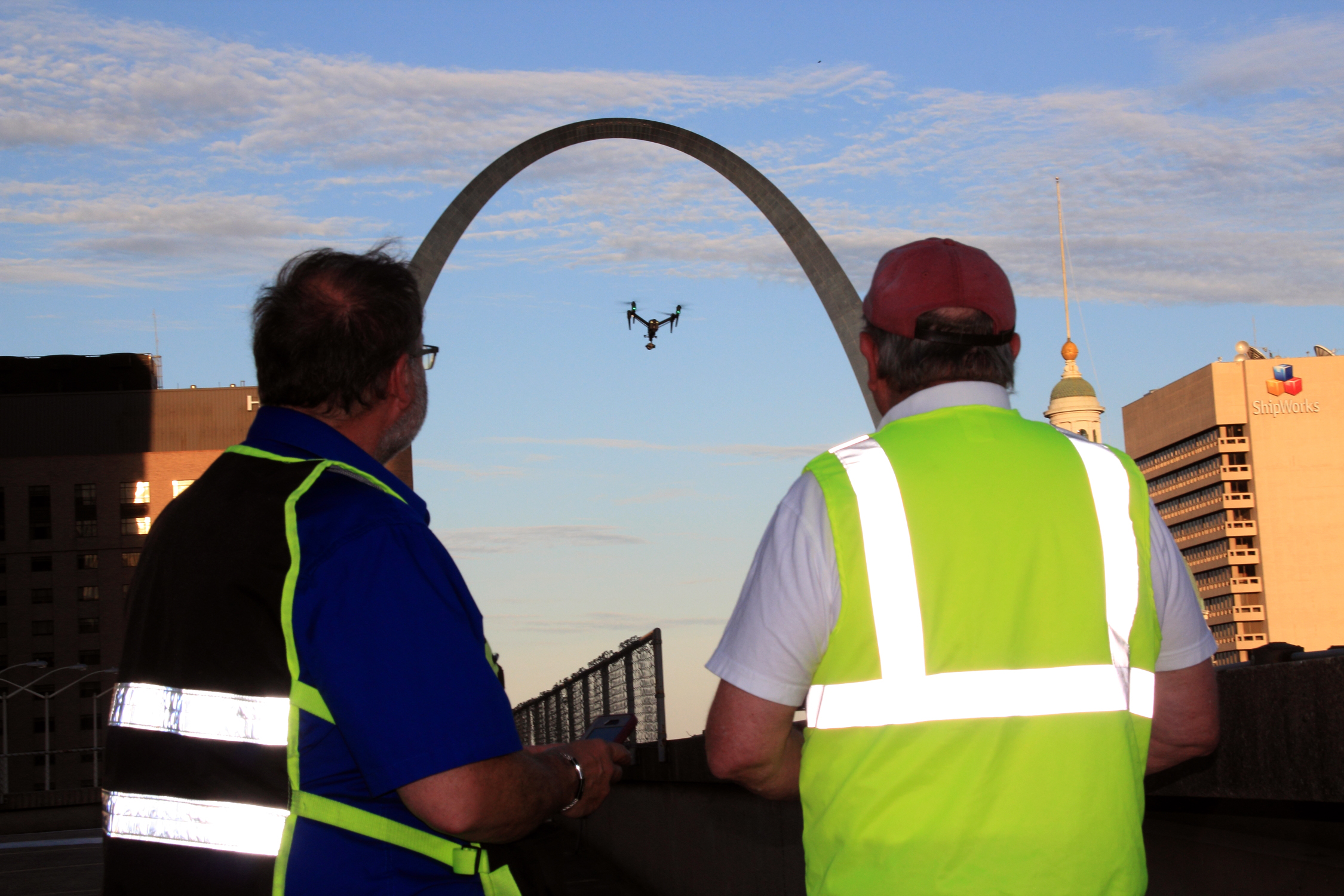
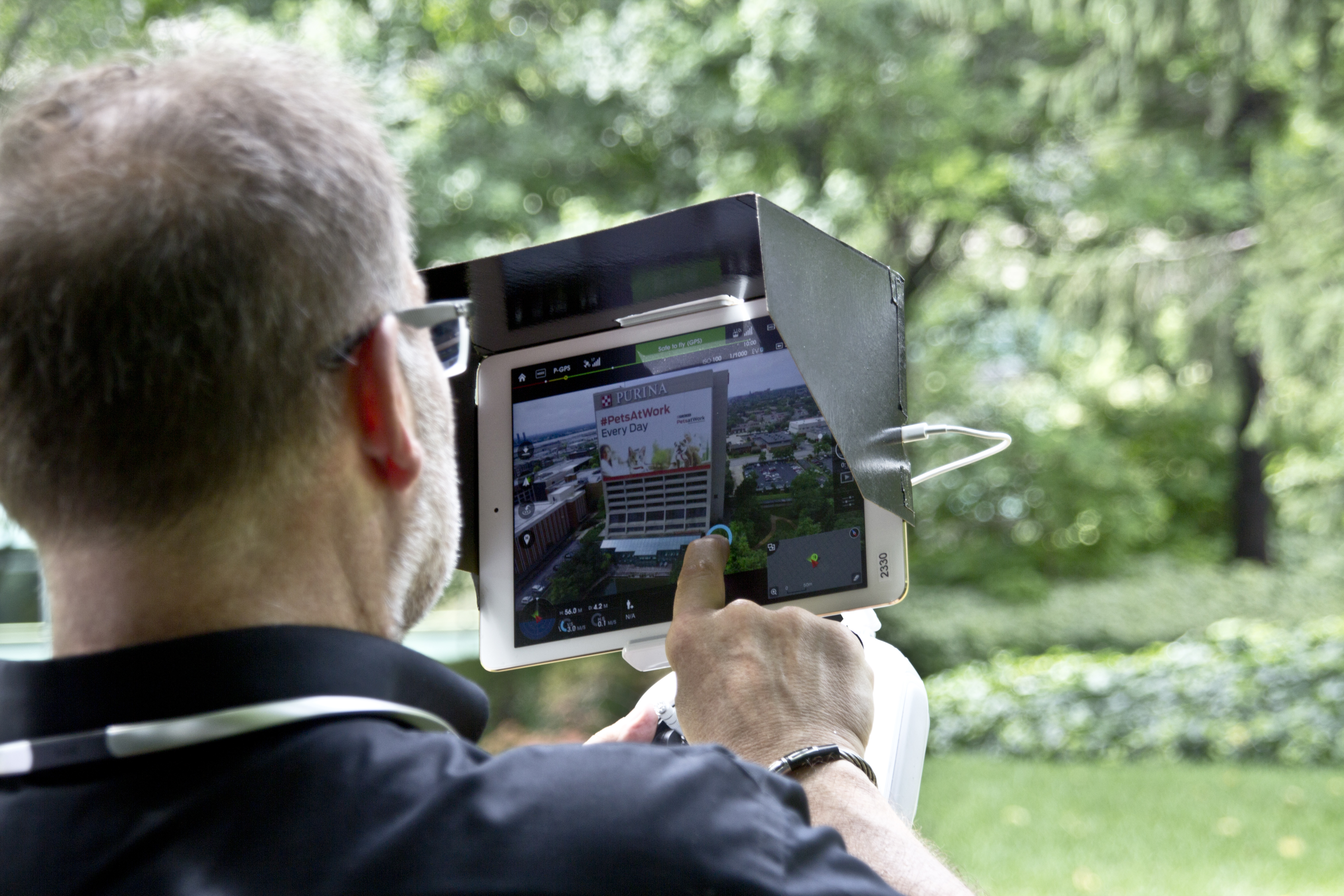
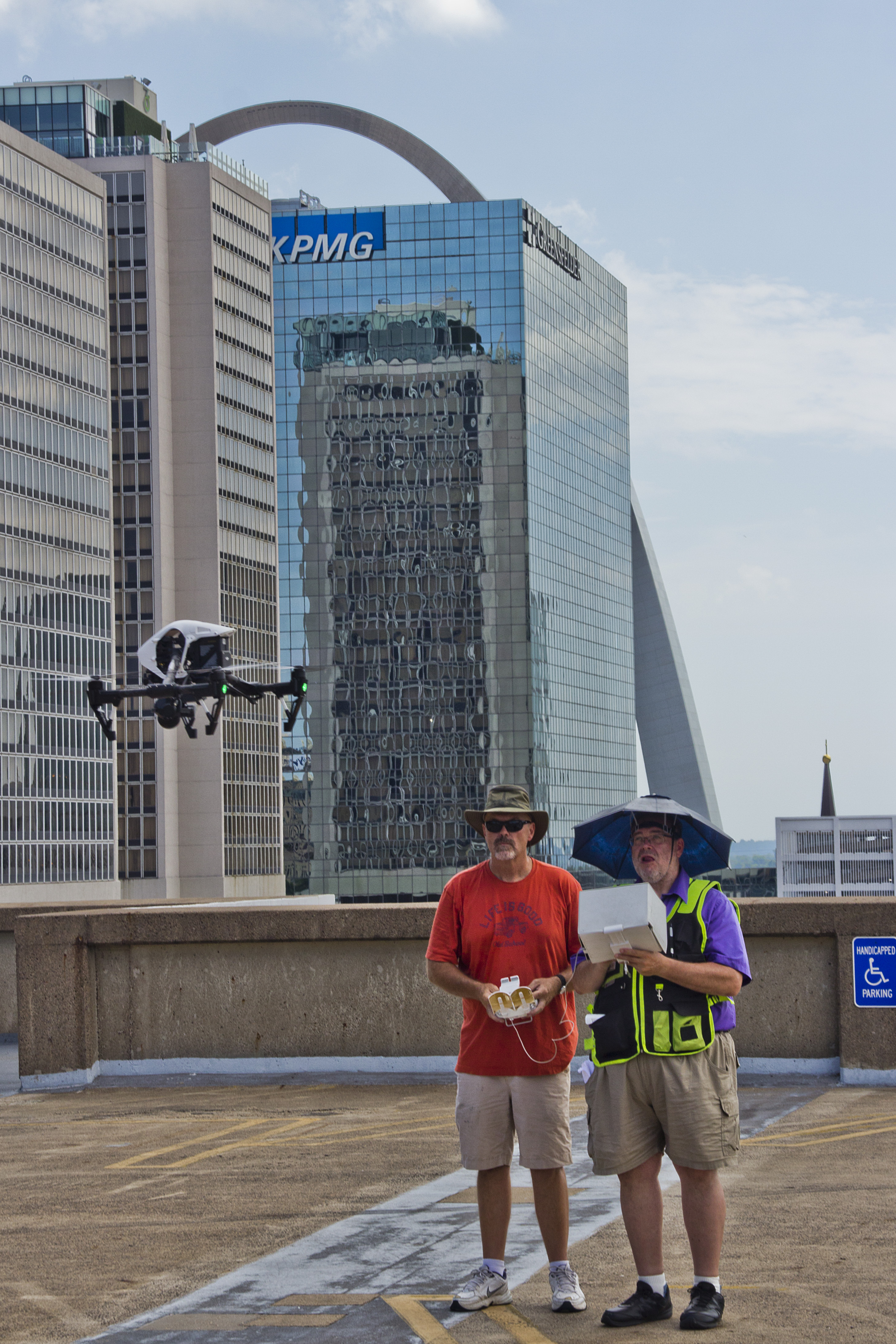
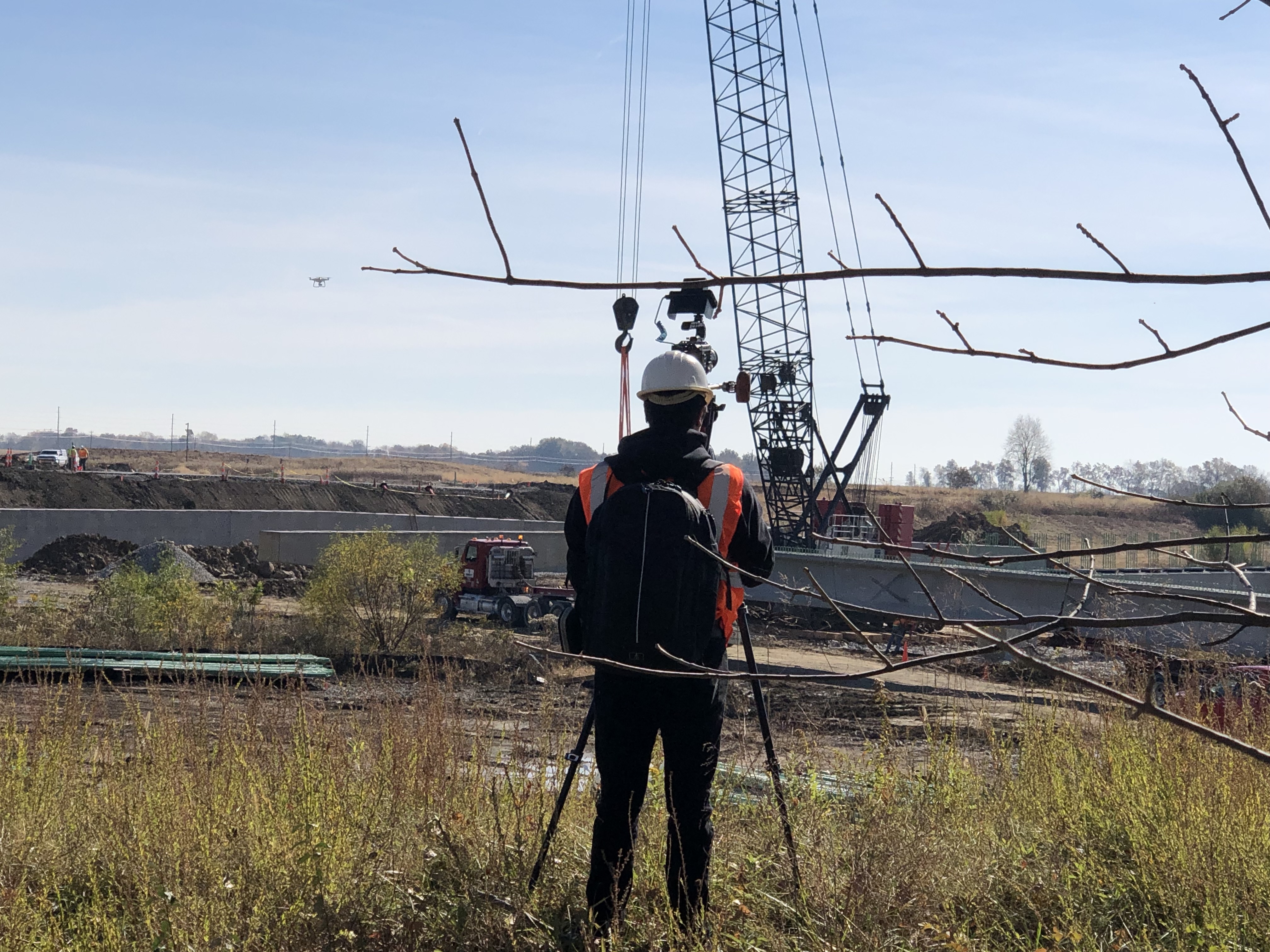
Professional Drone Services
Aerial photography and video can add significant production value when appropriate.
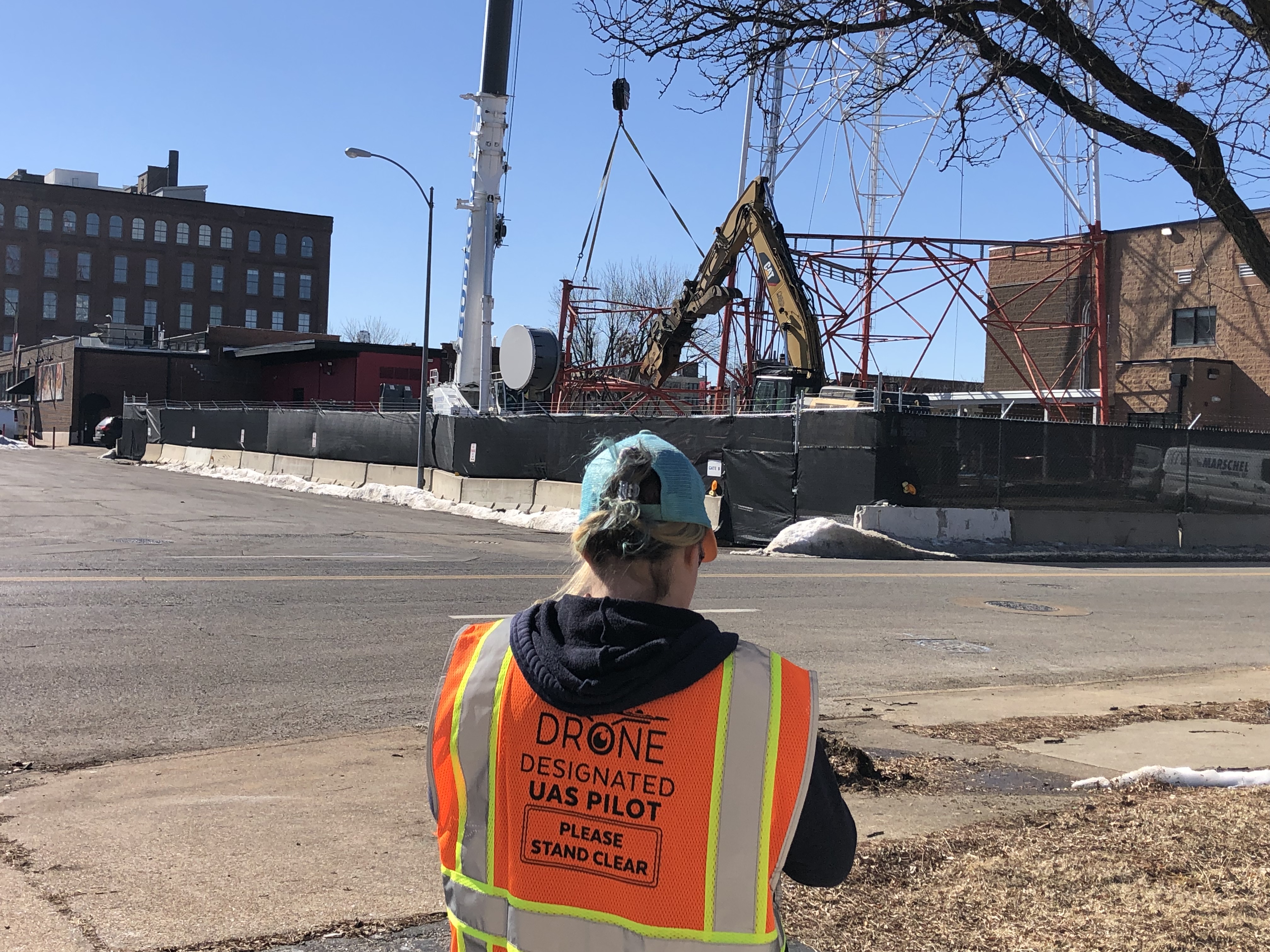
Instead of hiring an entirely separate aerial vendor, our licensed drone services can be incorporated into the overall photography and video production.
Drone imagery may be used for:
- Establishing shots
- Commercial real estate
- Corporate facilities
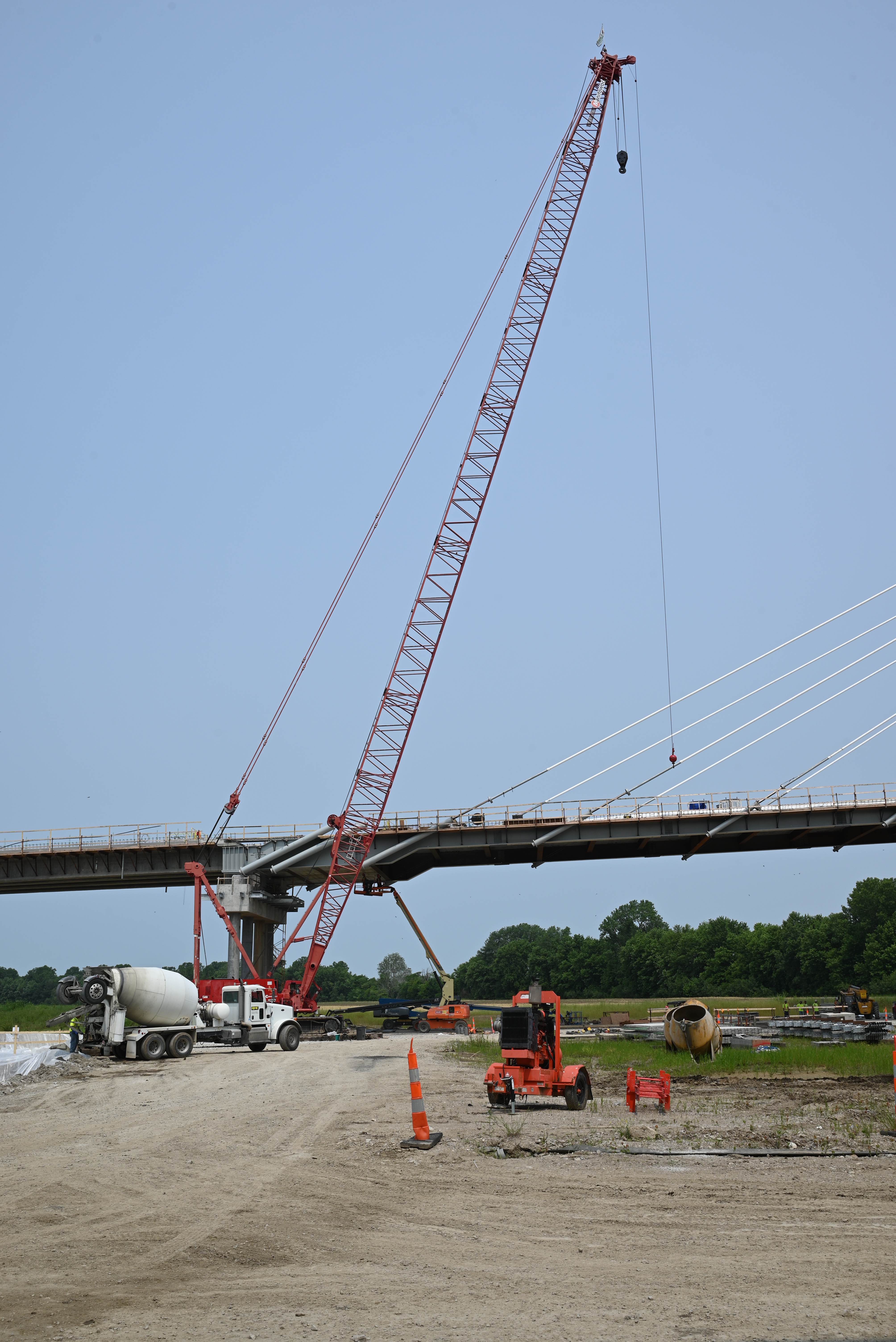
- Construction
- Industrial properties
- Campuses
- Marketing videos
- Architecture
- Location documentation
Integrating aerial production with the rest of the shoot can improve both creative continuity and production efficiency.
Indoor FPV Drone Video
Specialized FPV drones can create dynamic interior video sequences.
FPV drones can move through spaces in ways traditional cameras cannot, potentially traveling through hallways, warehouses, manufacturing spaces, offices and other environments.
This type of footage can be especially effective for:
- Facility tours
- Manufacturing
- Hospitality
- Commercial real estate
- Industrial marketing
- Events
Because FPV operations require careful planning and experienced pilots, we evaluate the environment and flight path before attempting the shot.
Infrared Thermal Imaging
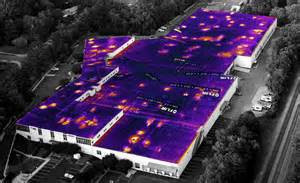
Our drone services also include specialized infrared thermal imaging.
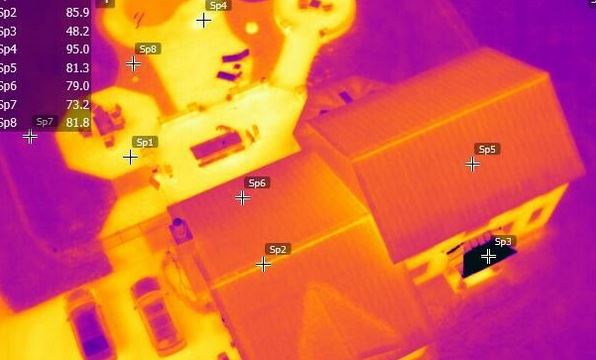
Thermal imaging measures surface temperature differences and can support specialized documentation for facilities, commercial properties and technical applications.
Depending on the project, thermal data may assist qualified professionals investigating conditions involving roofs, building envelopes or other assets.
Orthomosaic Imaging
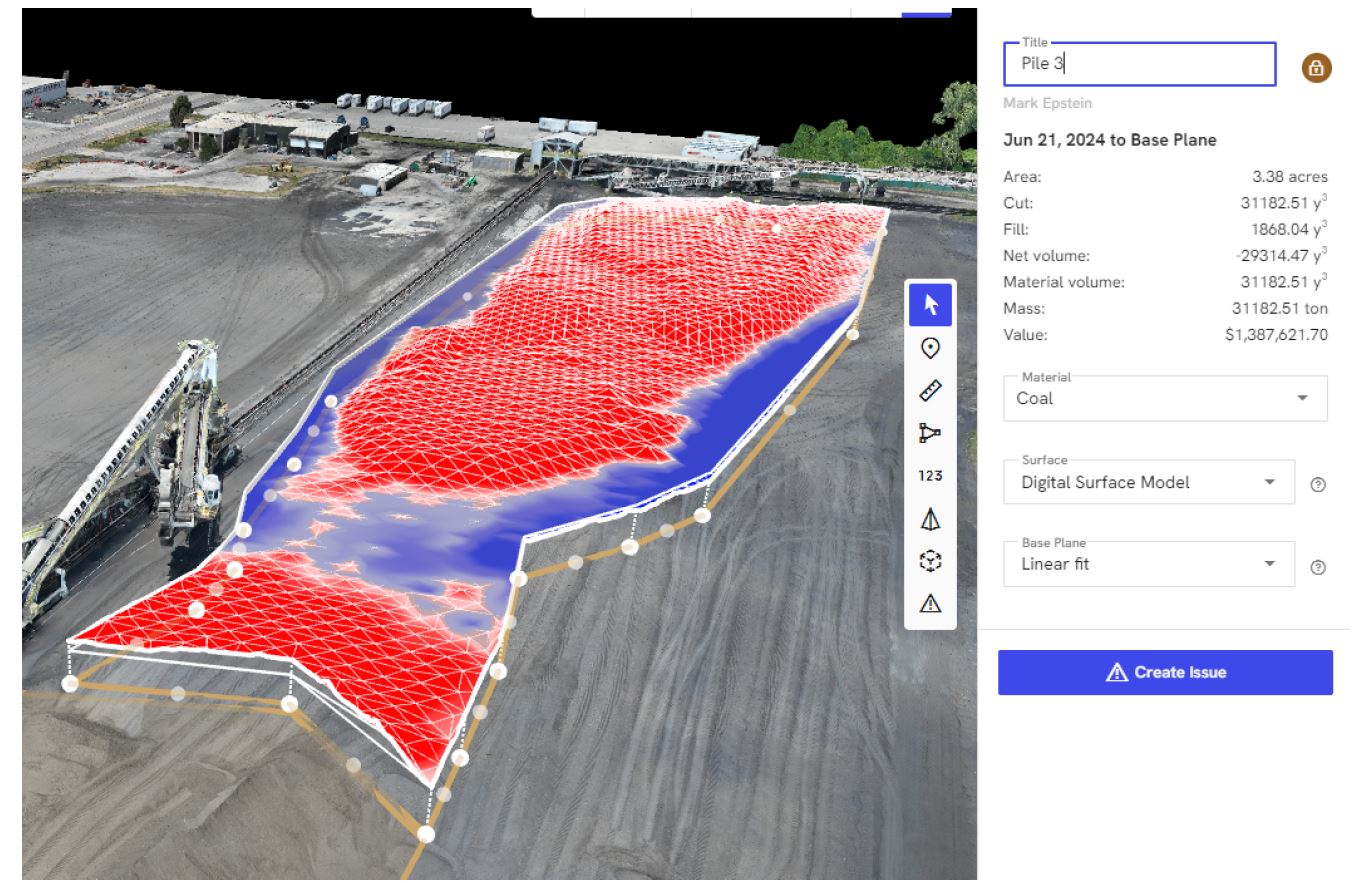
Drone photography can also be used to create orthomosaic imagery.
An orthomosaic is produced by combining many overlapping aerial images into a detailed, geometrically corrected overhead view.
This can be valuable for:
- Construction documentation
- Commercial properties
- Industrial sites
- Planning
- Site records
- Progress documentation
It is another example of how professional imaging services increasingly combine traditional photography with specialized data acquisition.
LiDAR Services
LiDAR is another specialized technology used for spatial data collection and mapping applications.
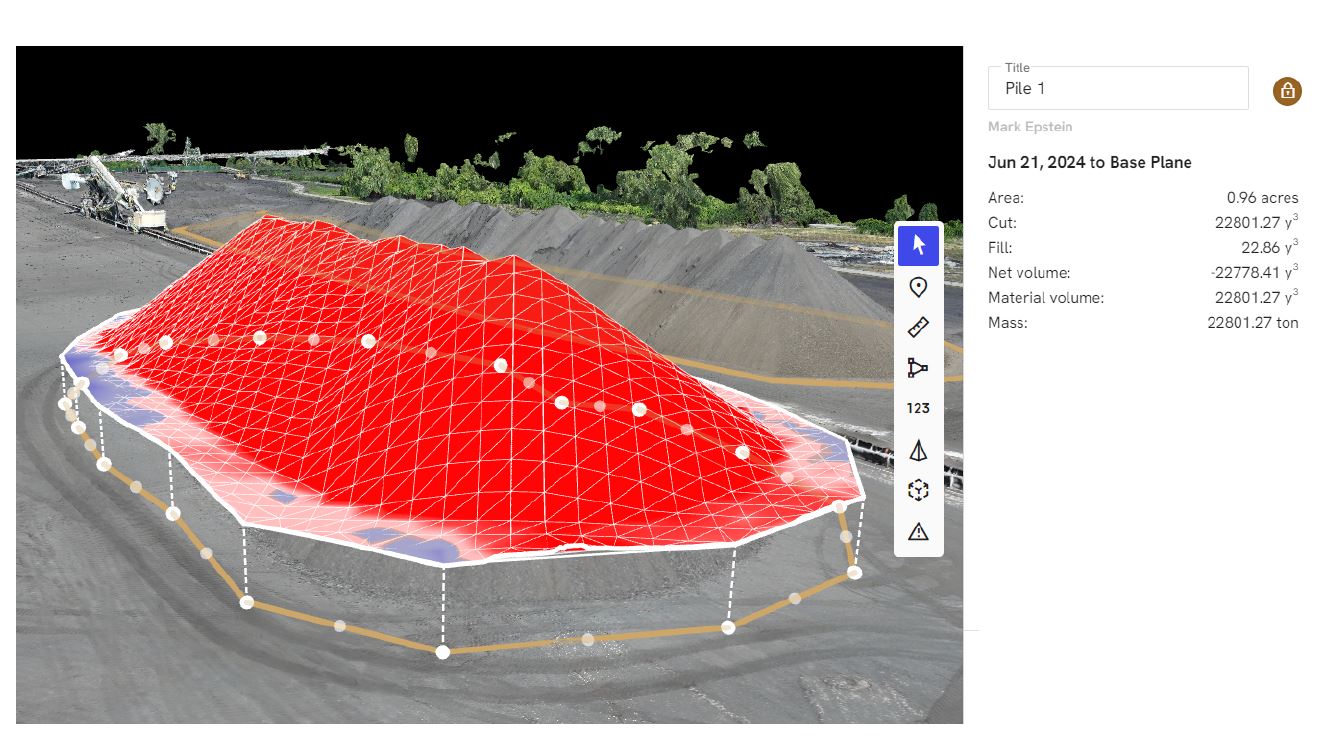
Depending on project requirements, LiDAR can support the creation of detailed three-dimensional information about structures, terrain and physical environments.
By offering multiple forms of image and data acquisition, we can help clients select the appropriate technology for the project rather than forcing every assignment into the same production method.

Editing and Post-Production
An economical production does not end when the cameras stop recording.
Efficient post-production begins with organized, properly captured source material.
Our editing and post-production services can include:
- Video editing
- Color correction
- Audio editing
- Graphics
- Titles
- Logo integration
- Music
- Photography retouching
- File conversion
- Compression
- Social media versions
- Multiple deliverable formats
Because we understand the production process from acquisition through final delivery, we can plan the shoot around the requirements of post-production.
Artificial Intelligence in Modern Media Production
Artificial Intelligence continues to expand the tools available to professional photography and video production companies.
At St Louis Photography Studio, we incorporate current AI technologies where they provide practical value.
Applications may include assisting with:
- Media organization
- Transcription
- Captioning
- Editing workflows
- Image processing
- Content adaptation
- Metadata
- Search
- Versioning
- Creative development
AI does not replace professional photography, cinematography, production judgment or creative direction.
Instead, it can help experienced professionals complete certain parts of the workflow more efficiently.
The Real Meaning of an Economical Production
The lowest production estimate is not necessarily the most economical solution.
A more useful measurement is the total amount of high-quality, reusable content created for the available budget.
Economical production means:
- Efficient planning
- Appropriate crew size
- Correct equipment
- Controlled production conditions
- Professional image and sound acquisition
- Reduced downtime
- Multiple deliverables
- Reusable assets
- Efficient post-production
When those elements work together, clients can receive considerably more long-term value from the production.
St Louis Photography Studio — Full-Service Photography and Video Production
St Louis Photography Studio is a full-service professional commercial photography and video production company with the equipment, technical capabilities and experienced creative crews needed for successful image acquisition.
We provide full-service studio and location photography and video production, along with editing, post-production and licensed drone services.
Our productions can be customized for a wide variety of marketing, corporate, advertising, communications, training and media requirements.
Repurposing existing and newly created photography and video assets to generate additional marketing traction is another specialty.
We are experienced with the many professional file types, media formats, editing platforms and software applications required by modern communications departments and creative agencies.


We also incorporate the latest Artificial Intelligence technologies throughout our media services when they improve production efficiency, organization or creative workflow.
Our private studio provides professional lighting and visual setups appropriate for interviews, executive communications, photography, product work and smaller video productions.
The studio offers enough working space to integrate props, furnishings, products and other set elements needed to create a customized visual environment.
We can support every phase of a production—from developing a private interview setup to providing experienced camera operators, professional sound technicians, lighting, production equipment, photography, editing and post-production.
We are also experienced location scouts and b-roll specialists.
Our licensed drone services further expand our image acquisition capabilities and include traditional aerial photography and cinematography, specialized indoor FPV drone operations, infrared thermal imaging, orthomosaic mapping and LiDAR-related services.
Serving St. Louis Businesses and Creative Agencies Since 1982
As part of a full-service video and photography production corporation operating since 1982, St Louis Photography Studio has worked with businesses, corporations, marketing departments, advertising firms, creative agencies and organizations throughout the St. Louis area.
That experience allows us to design productions around actual communication objectives rather than simply providing cameras and equipment.
Whether you need executive interviews, commercial photography, product images, business portraits, training videos, testimonials, marketing content, location b-roll, aerial cinematography or an ongoing library of corporate media assets, St Louis Photography Studio can develop an efficient production approach designed around your objectives and budget.
An economical production should never mean compromising the image.
It should mean planning intelligently, producing efficiently and creating more useful media from every production day.
4501 Mattis Road 63128 St Louis Photographer St Louis, Missouri, USA | Photography services stlphotographystudio@gmail.com
Professional Conference and Event Photography & Video Services That Extend the Value of Every Business Gathering
Corporate conferences, annual meetings, trade shows, product launches, educational seminars, fundraising events, and executive retreats require months of planning and substantial financial investment. Yet once the event concludes, many organizations discover they captured only a fraction of its value. Professional conference and event photography and video production transform a one-day event into months—or even years—of marketing, recruiting, training, and communications content.
For businesses and organizations that understand the importance of brand perception, hiring an experienced production team isn’t simply about documenting an event. It’s about strategically capturing every important moment while creating a library of visual assets that continue delivering value long after attendees have gone home.
Why Professional Coverage Matters
Business events happen only once.
The keynote speech, customer interactions, networking opportunities, executive presentations, product demonstrations, award ceremonies, and audience engagement cannot be recreated later. Missing these moments means losing valuable marketing opportunities.
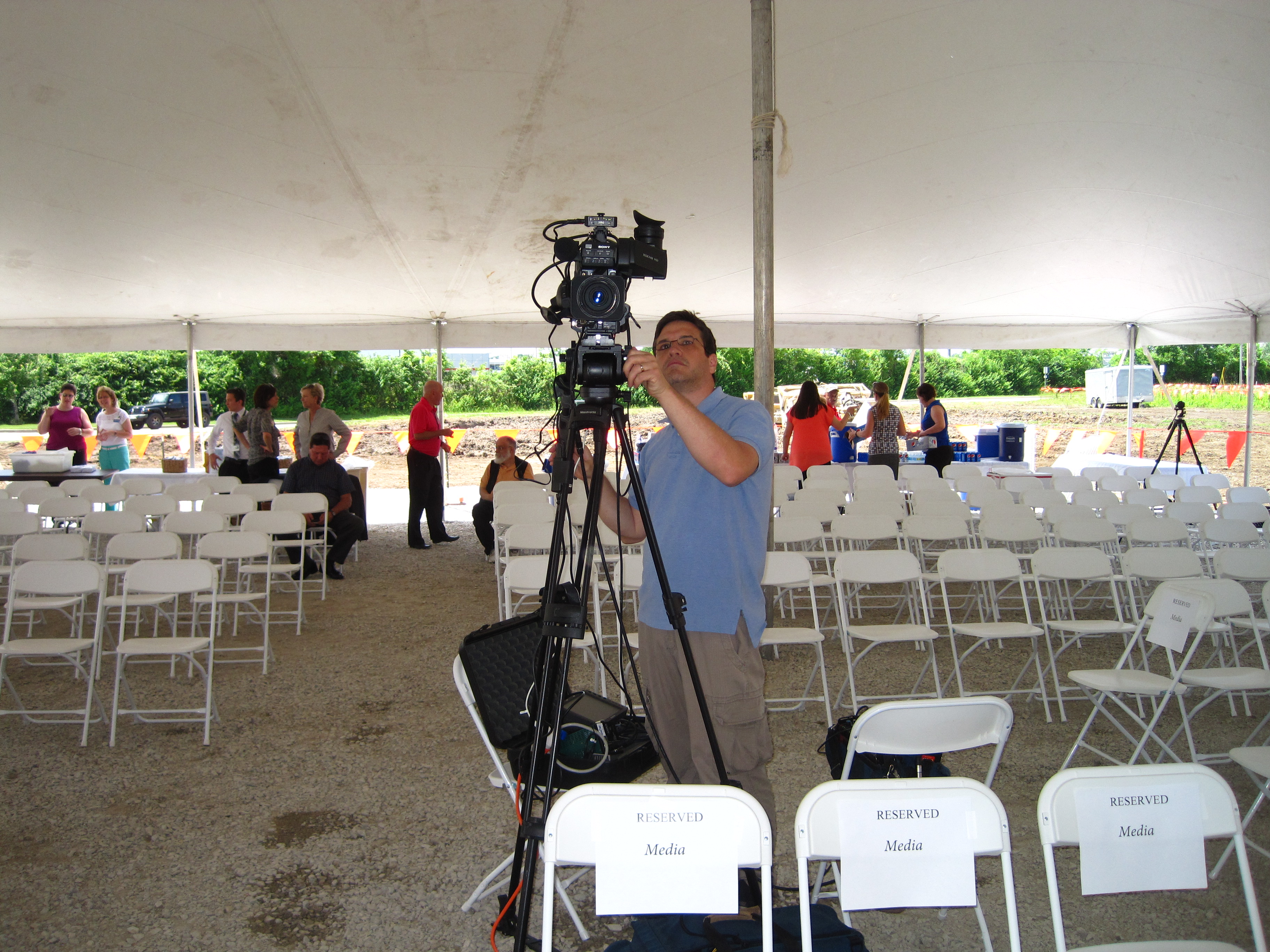
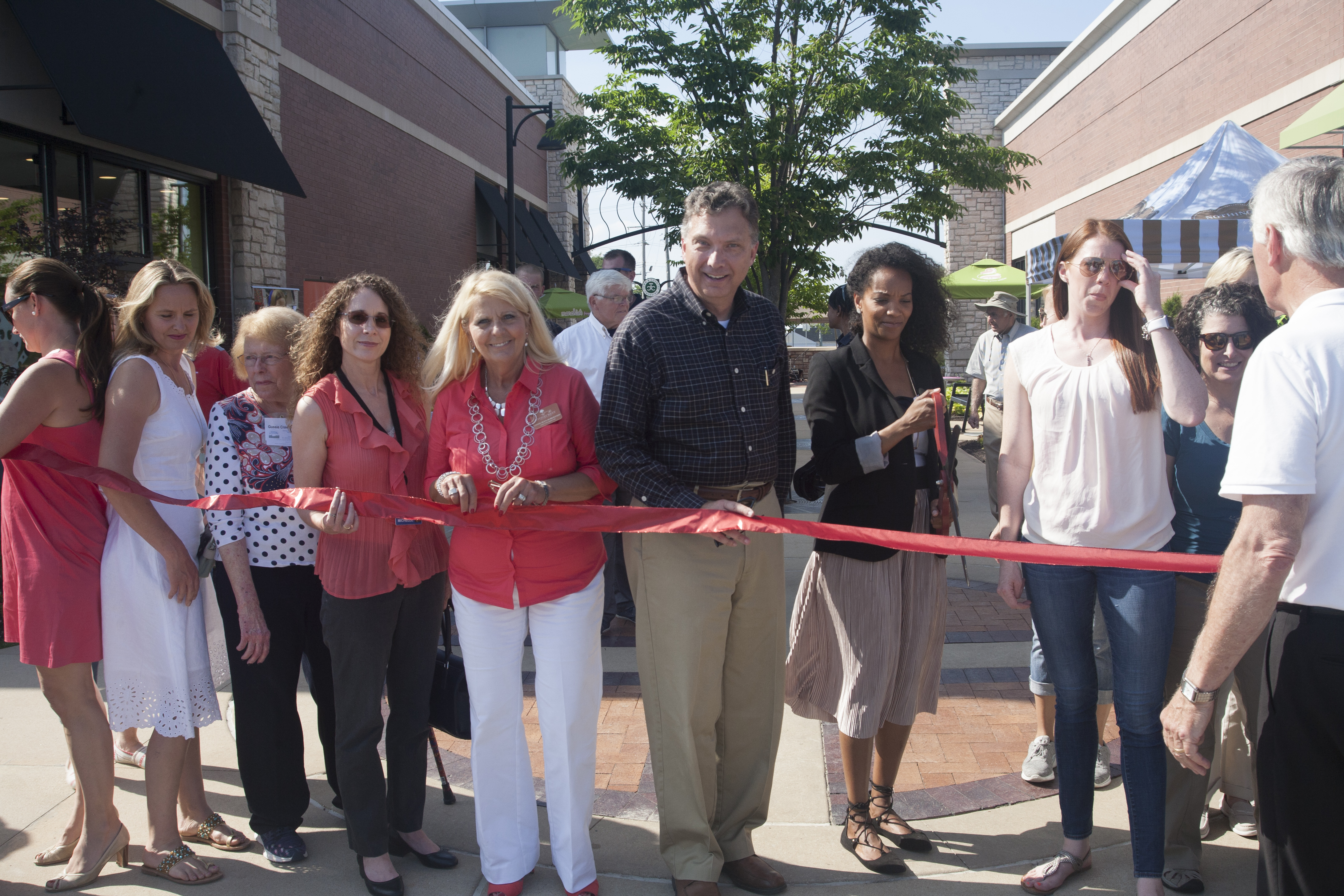
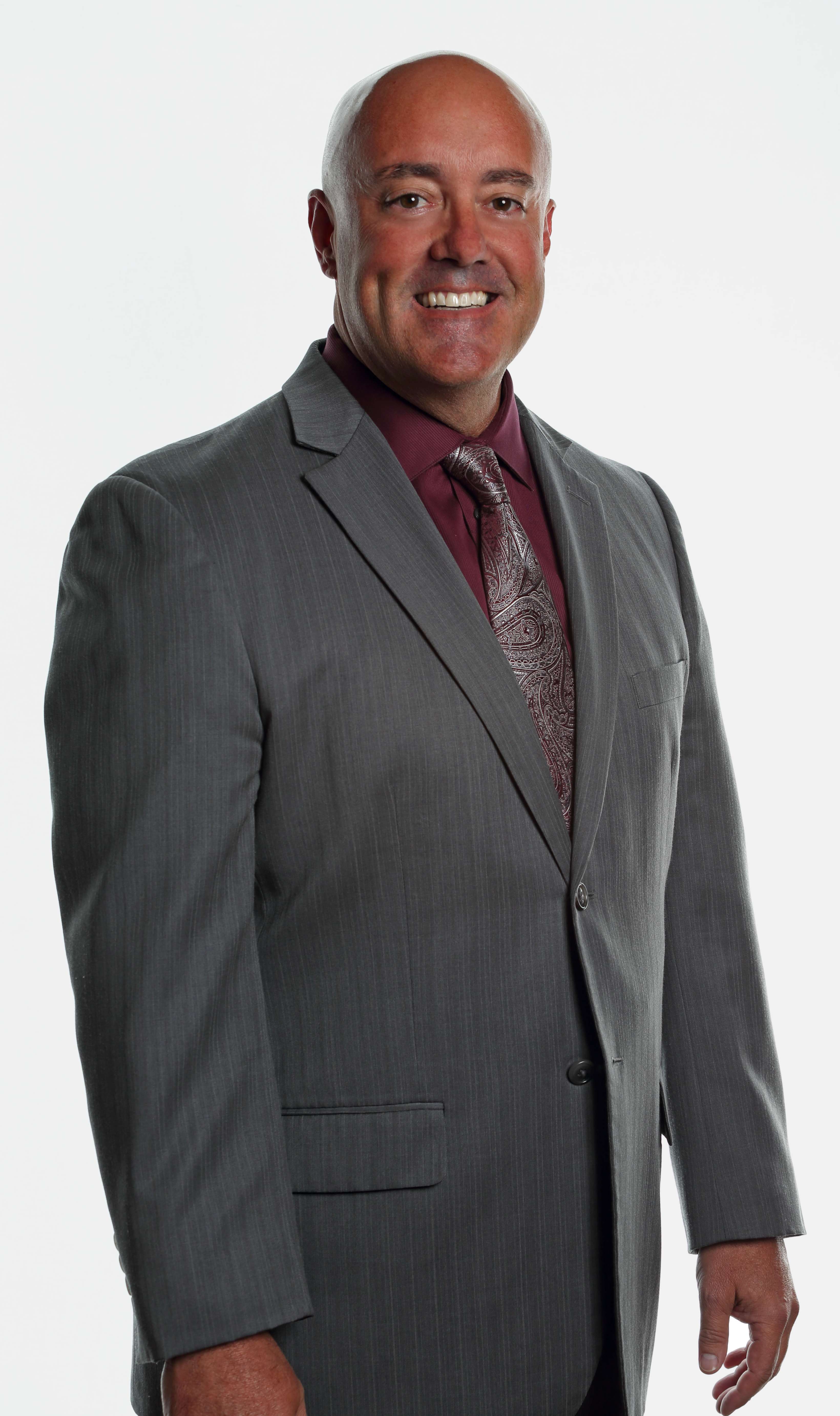
Professional event coverage ensures your organization preserves:
- Executive presentations
- Keynote speakers
- Customer testimonials
- Award ceremonies
- Panel discussions
- Team interactions
- Product demonstrations
- Trade show exhibits
- Networking opportunities
- Audience engagement
- Behind-the-scenes operations
- Sponsor recognition
These assets become invaluable for future marketing campaigns, investor presentations, recruitment efforts, internal communications, social media, websites, annual reports, and public relations initiatives.
Planning Before the First Camera Arrives
Successful event coverage begins well before the doors open.
Experienced production teams work with event organizers to understand:
- Event objectives
- Marketing priorities
- Production schedules
- VIP attendees
- Speaker timelines
- Venue logistics
- Lighting challenges
- Audio requirements
- Drone opportunities
- Security restrictions
- Brand guidelines
- Delivery deadlines
This planning ensures photographers and videographers are positioned exactly where they need to be without interrupting the event or distracting attendees.
Photography That Tells the Complete Story
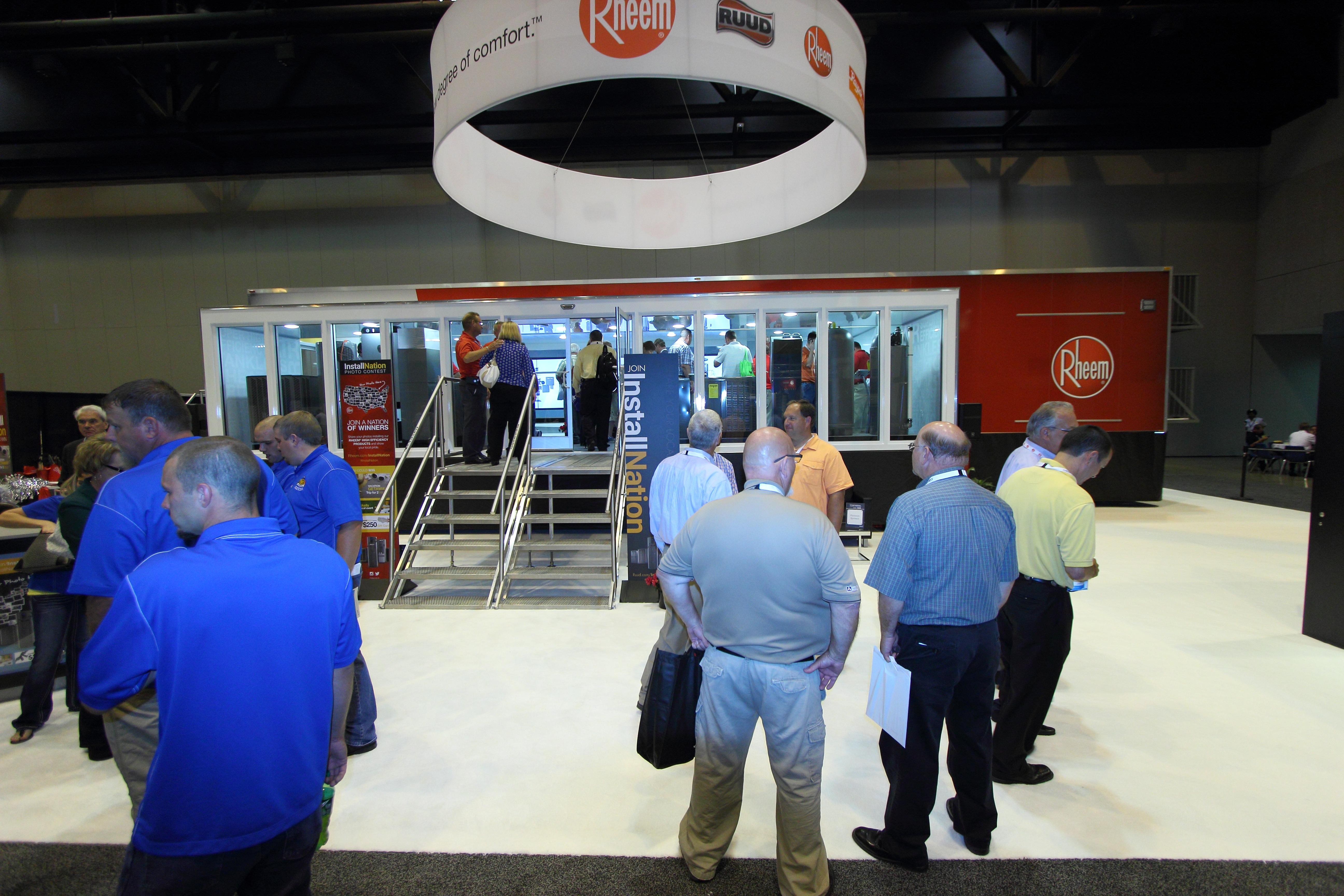
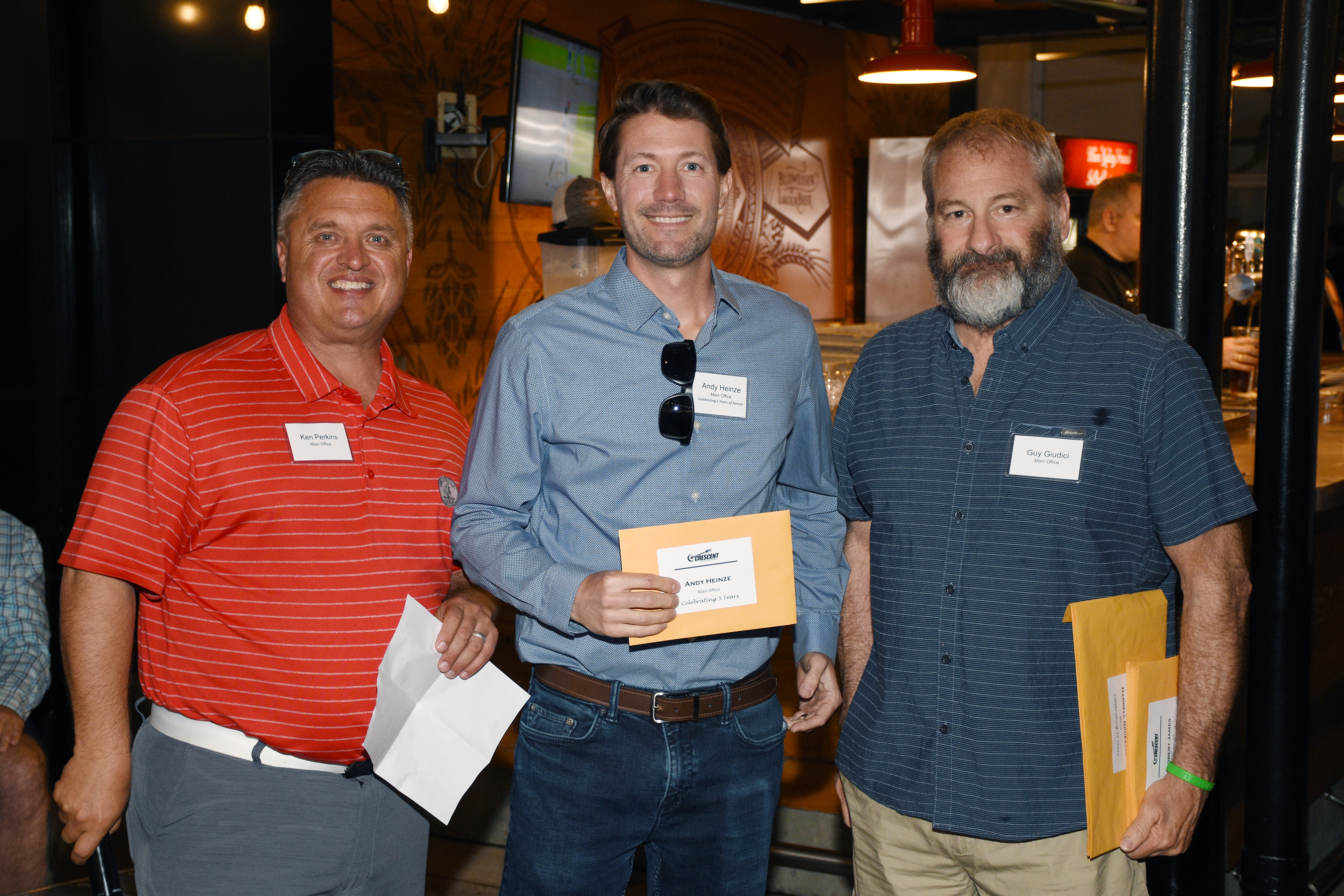

Corporate event photography goes far beyond documenting people standing together.
Professional photographers capture:
Executive Leadership
Leadership portraits, keynote presentations, executive networking, customer interactions, and candid moments that demonstrate company culture.
Audience Engagement
Attendees asking questions, participating in breakout sessions, interacting with exhibitors, and connecting with fellow professionals create authentic imagery that reflects a successful event.
Environmental Storytelling
Wide establishing photographs showcase venue scale, staging, branding, registration areas, exhibit halls, sponsor displays, and audience size.
Detail Photography
Branded materials, awards, signage, product displays, promotional materials, catering, and event décor all contribute to telling the complete visual story.
Marketing Images
Strong marketing photographs become evergreen assets that can be used across websites, brochures, advertising campaigns, annual reports, and social media.
Video Production That Creates Long-Term Value
Professional video coverage offers organizations far more than an archive recording.
Strategic event video production creates multiple content assets from one production.
Examples include:
- Highlight recap videos
- Executive interviews
- Customer testimonials
- Speaker presentations
- Educational sessions
- Social media clips
- Recruitment videos
- Promotional trailers
- Internal communications
- Training content
- Investor updates
Rather than producing one long video, experienced editors create multiple deliverables tailored for different audiences and platforms.
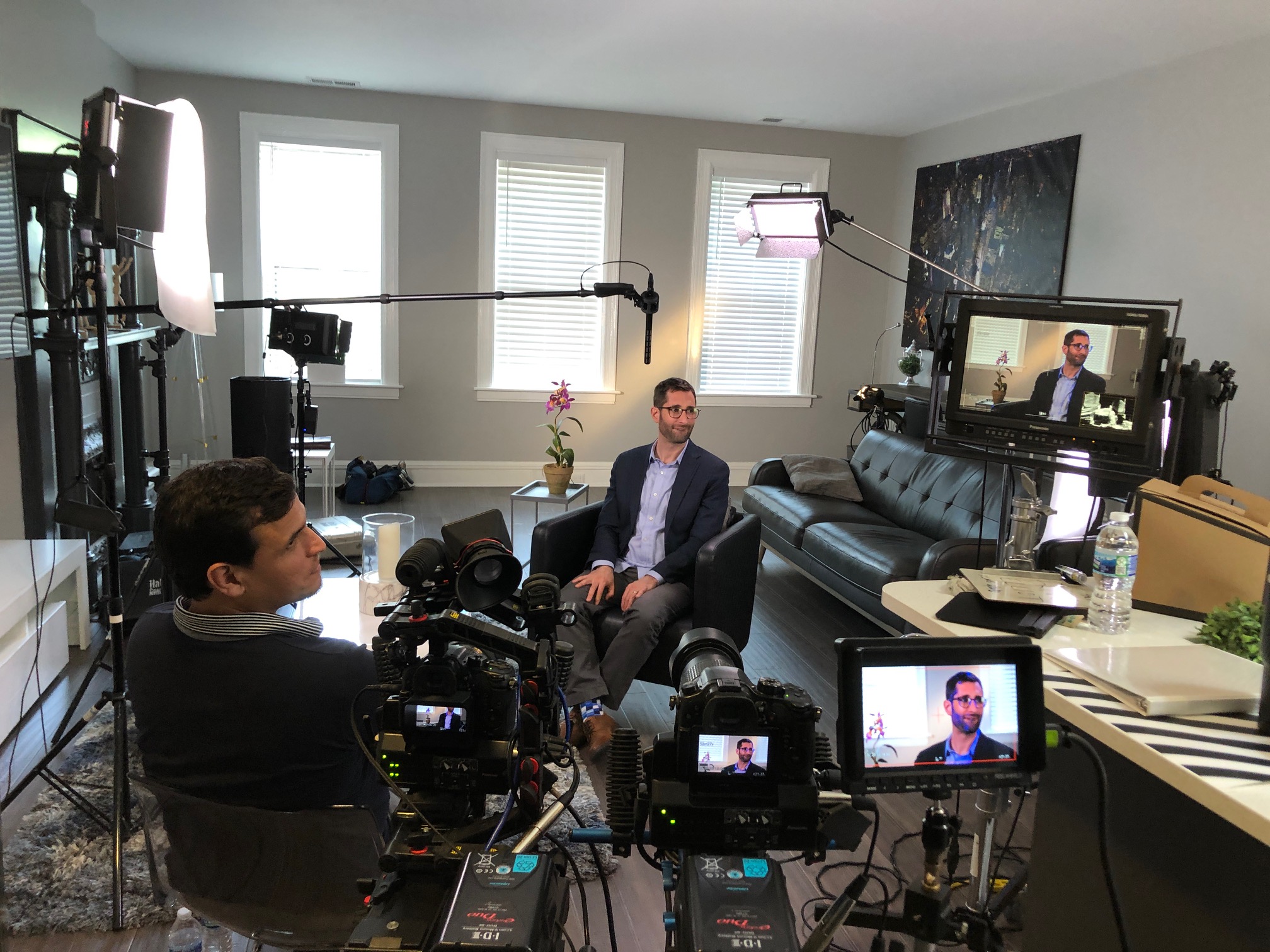
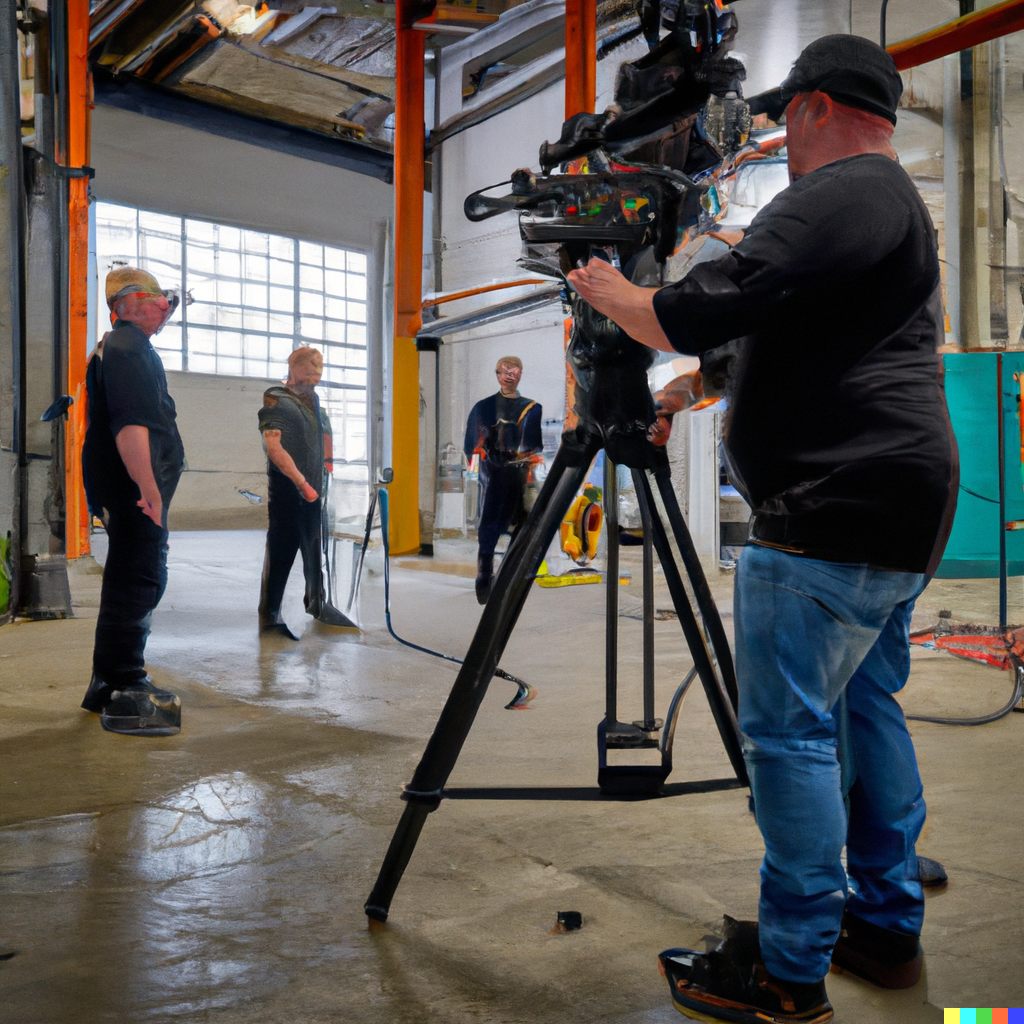
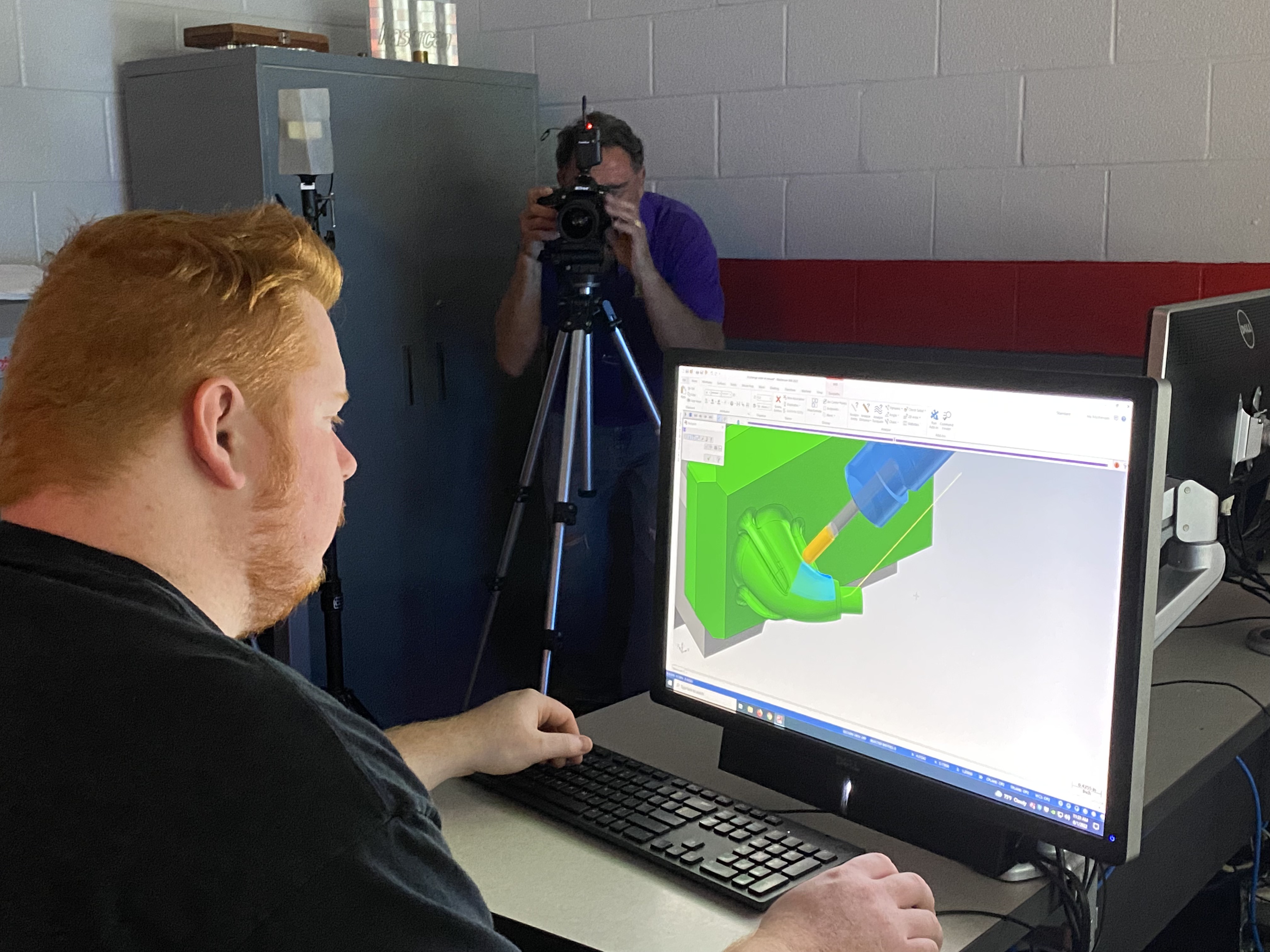
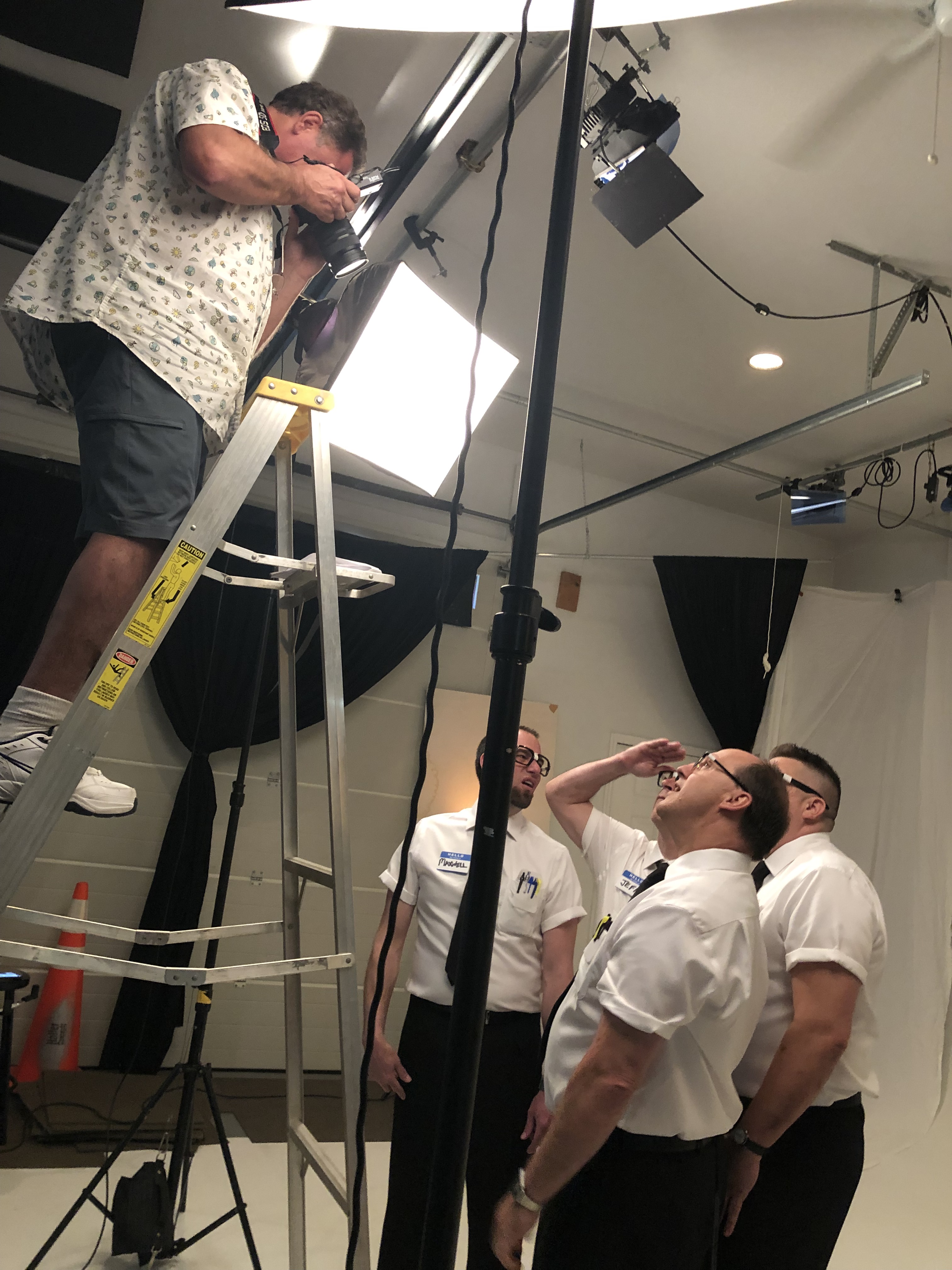
Multi-Camera Productions Improve Storytelling
Large conferences often benefit from multiple cameras operating simultaneously.
Using multiple cameras allows editors to create dynamic presentations that include:
- Wide room coverage
- Speaker close-ups
- Audience reactions
- Presentation screens
- Product demonstrations
- Panel discussions
- Detail shots
- Behind-the-scenes footage
The finished production feels polished, cinematic, and engaging.
Crystal-Clear Audio Is Essential
Outstanding visuals alone cannot overcome poor audio.
Professional productions utilize dedicated audio recording systems that may include:
- Wireless microphones
- Lavalier microphones
- Handheld microphones
- Audio mixers
- Direct board feeds
- Ambient audience microphones
- Backup recording systems
Clear audio dramatically improves the quality and usefulness of every presentation and interview.
B-Roll Makes Every Video Stronger
One of the most overlooked aspects of conference production is professional B-roll acquisition.
B-roll includes footage of:
- Registration
- Conversations
- Exhibit displays
- Audience interaction
- Venue architecture
- Signage
- Sponsors
- Product demonstrations
- Technology
- Hospitality
- General activity
These supplemental visuals give editors tremendous flexibility while making videos significantly more engaging.
Drone Coverage Adds a New Perspective
When permitted, drone footage provides dramatic establishing visuals that traditional ground cameras cannot achieve.
Professional aerial coverage can capture:
- Convention centers
- Corporate campuses
- Hotel properties
- Outdoor events
- Parking logistics
- Venue surroundings
- Arrival sequences
- Large gatherings
For indoor productions, specialized FPV (First-Person View) drones can safely fly through facilities, exhibit halls, warehouses, manufacturing plants, and event spaces, creating immersive cinematic sequences that showcase the environment from a completely unique perspective.
Producing Content for Every Marketing Platform
One conference can generate months of content.
Professional editors organize production assets into formats optimized for:
- Corporate websites
- YouTube
- Email marketing
- Sales presentations
- Digital advertising
- Recruitment campaigns
- Internal communications
- Press releases
Creating multiple deliverables from one production dramatically increases return on investment.
AI Helps Accelerate Production
Today’s production workflows are enhanced by Artificial Intelligence without replacing experienced creative professionals.
AI-assisted workflows can improve:
- Image organization
- Content searching
- Color matching
- Noise reduction
- Audio enhancement
- Caption generation
- Transcription
- Editing efficiency
- File management
- Media repurposing

The result is faster turnaround while maintaining professional production quality and consistency.
Choosing an Experienced Production Partner
Conference and event production requires far more than owning professional cameras.
An experienced production company understands:
- Event logistics
- Production planning
- Lighting techniques
- Audio engineering
- Crowd management
- Executive communications
- Live event etiquette
- Fast-paced scheduling
- Brand consistency
- Deadline management
Having a crew that can anticipate important moments often makes the difference between simply recording an event and producing marketing assets that continue generating value for years.
Why Businesses Choose St Louis Photography Studio
Since 1982, St Louis Photography Studio has partnered with businesses, corporations, marketing firms, agencies, healthcare organizations, manufacturers, educational institutions, nonprofits, and government organizations throughout the St. Louis region to produce exceptional commercial photography and video.
As a full-service commercial photography and video production corporation, we provide experienced crews, creative direction, and the latest production technology to ensure successful image acquisition from concept through final delivery.
Our capabilities include full-service studio and on-location photography and video production, professional editing and post-production, FAA-licensed drone services, and customized production solutions for virtually every media requirement. We specialize in helping organizations maximize the value of every production by repurposing photography and video into content optimized for websites, social media, digital advertising, recruitment, internal communications, and marketing campaigns.
Our experienced team is well-versed in virtually every professional file format, delivery specification, and media workflow. We leverage the latest Artificial Intelligence tools to improve production efficiency while maintaining the creative judgment that only experienced professionals can provide.
Our private production studio features professional lighting and camera systems ideal for executive interviews, corporate messaging, podcasts, product photography, business portraits, and small video productions. The studio is spacious enough to accommodate custom sets, props, branded environments, and multi-camera productions.
Beyond traditional production services, we provide professional location scouting and specialized B-roll acquisition to strengthen every project. Our advanced drone capabilities include cinematic aerial video, indoor FPV drone flights, infrared thermal imaging, orthomosaic mapping, and LiDAR data collection for commercial, industrial, engineering, construction, and facility management applications.
From supplying experienced producers, photographers, videographers, sound technicians, and camera operators to providing the right equipment and production expertise, St Louis Photography Studio manages every aspect of your project to ensure your conference, event, marketing campaign, or corporate production is executed seamlessly, professionally, and successfully.
Cost-Efficient ERAS Residency Headshots and Video Clips
For medical school administrators, GME (Graduate Medical Education) offices, hospital marketing departments, and student affairs teams tasked with coordinating these assets across an entire cohort, the challenge isn’t just image quality — it’s doing it efficiently, consistently, and at a cost that scales sensibly across dozens or hundreds of students. This article breaks down what decision makers need to know to plan a cost-efficient, high-quality ERAS headshot and video program, and why the production approach matters as much as the photographer behind the camera.
Why ERAS Visuals Matter More Than They Used To
ERAS headshots have always been a required element of the application, but their role has shifted. With residency programs receiving record numbers of applications and relying more heavily on holistic, values-based review, admissions and program committees are spending less time per file — which means visual and video content is doing more work, faster, to communicate professionalism and fit.
A growing number of programs also now solicit optional or required short video statements, sometimes in lieu of (or in addition to) the traditional interview. These clips are typically 30–90 seconds, unscripted or lightly scripted, and designed to let programs assess communication style, presence, and authenticity — qualities that are difficult to convey through text alone. Institutions that get ahead of this trend and offer students professionally produced video assets, rather than leaving them to record on a phone in a dorm room, are giving their applicants a measurable edge.
The Real Cost Drivers Behind Headshot and Video Programs
When institutions evaluate options for producing ERAS headshots and video clips at scale, three cost drivers typically determine the final price tag:
1. Per-session versus batch production. Booking individual freelance photographers for one-off sessions is almost always the most expensive path per student, both in dollars and in coordination time. A batch-production model — where a crew sets up once and processes a continuous flow of students over one or several days — dramatically lowers the per-person cost while improving consistency across the cohort.
2. Studio versus improvised space. Converting a conference room or classroom into a temporary photo studio sounds cost-saving on paper, but it introduces hidden costs: rented lighting, backdrop rentals, extra crew time for setup and teardown, and inconsistent results if ambient light changes throughout the day. A dedicated, pre-lit studio space eliminates these variables entirely.
3. Post-production workflow. ERAS has specific technical requirements for photo files (JPEG format, defined pixel dimensions, and file size limits), and video clips often need to be trimmed, color-corrected, and exported in specific formats and aspect ratios depending on the program’s submission portal. Production teams with an efficient, partially automated post-production pipeline can turn around hundreds of finished assets in days rather than weeks — which directly affects labor cost.
Best Practices for a Cost-Efficient, High-Quality Program
Schedule in structured blocks, not open-ended windows. Assigning students to 10–15 minute time slots across a single day or a few consecutive days allows a production crew to maintain lighting and camera settings, minimizing setup changes and maximizing throughput.
Standardize wardrobe and background guidance in advance. Sending students a simple one-page guide on appropriate attire (white coat or business professional, depending on program preference) and grooming reduces retakes and keeps the visual identity of the cohort consistent.

Use a single controlled environment for both photo and video. Capturing headshots and video clips in the same studio setup, back-to-back, means students only need to show up once — saving both their time and the institution’s coordination overhead.
Build in light direction and coaching. A brief, calm prompt from an experienced director — helping a nervous student relax their shoulders or find a natural starting sentence for their video clip — measurably improves outcomes without adding significant time per session.
Plan for revisions and late additions. Residency application cycles include students who join late, need retakes, or require updated assets the following year. A production partner with retained lighting setups, style notes, and file archives can accommodate these requests without re-creating the entire production from scratch.


What to Look for in a Production Partner
Not every commercial photography or video vendor is equipped to run an efficient, high-volume ERAS session. Decision makers should look for a partner that offers:
- A dedicated studio space (versus mobile-only services), to control lighting and eliminate rental costs
- Experience with structured, high-volume scheduling for cohorts, not just individual bookings
- Familiarity with ERAS technical specifications for both photo and video file delivery
- A streamlined, technology-assisted post-production workflow to control turnaround time and cost
- The flexibility to scale from a small residency class to a large medical school cohort
Choosing a partner with these capabilities up front — rather than assembling ad hoc freelance talent each cycle — is consistently the single biggest lever for controlling cost while raising the quality bar for every student’s application.
About St Louis Photography Studio
At St Louis Photography Studio, we’re a full-service professional commercial photography and video production company, partnering with medical schools, GME offices, hospital systems, businesses, marketing firms, and creative agencies throughout the St. Louis area. We bring the right equipment and an experienced creative crew to every project, ensuring successful image acquisition from the first frame to final delivery.
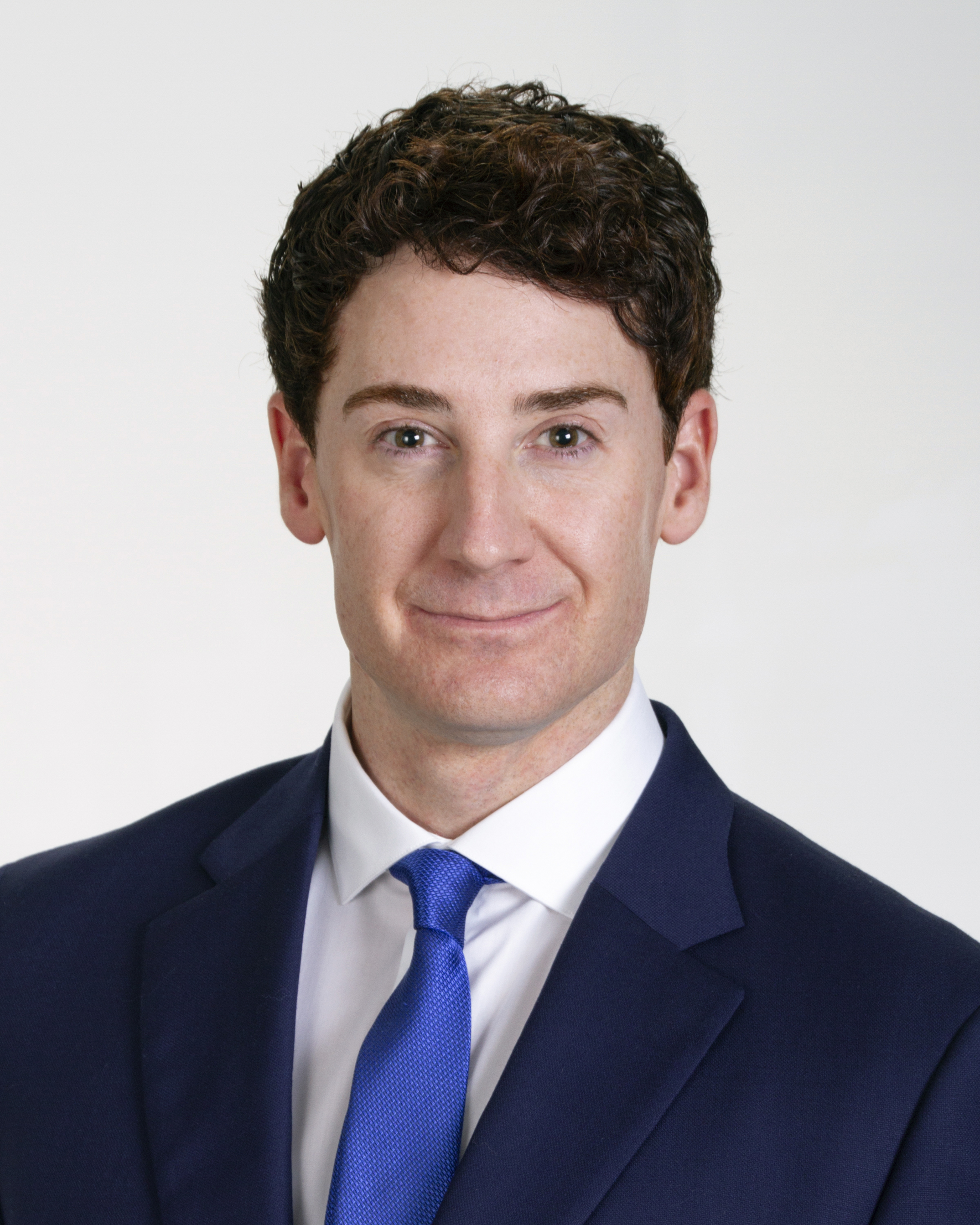
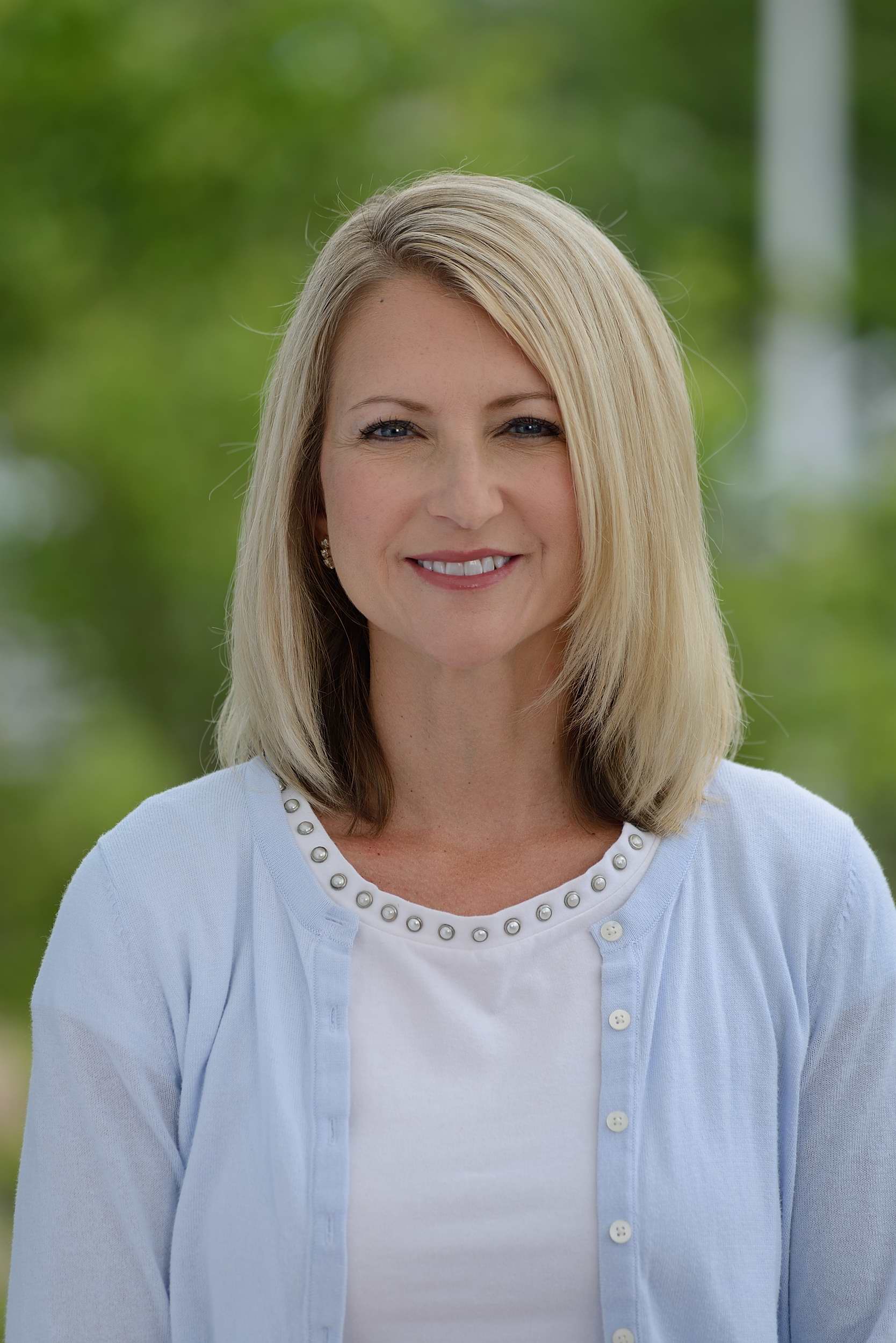
We offer full-service studio and location video and photography, along with editing, post-production, and licensed drone services — all customizable to the diverse media requirements of programs like ERAS headshot and video initiatives. Our private studio lighting and visual setup is ideal for structured, high-volume sessions like residency headshots and short video clips, while our studio space is also large enough to incorporate props and set elements for more involved productions. We support every aspect of production, from setting up a custom interview or headshot studio to supplying professional sound and camera operators and all necessary equipment, ensuring a seamless, efficient experience for coordinators and students alike.

We’re well-versed in every file type and media style required by platforms like ERAS, and we apply the latest in artificial intelligence across our media services to streamline post-production and speed up turnaround without compromising quality. Beyond headshots and video clips, our team specializes in repurposing photography and video branding to help institutions gain more traction from the assets they’ve already invested in, along with location scouting and b-roll production for broader marketing needs.
For projects requiring an aerial perspective, our licensed drone services include specialized FPV drones capable of indoor flight, along with infrared thermal imaging, orthomosaics, and LiDAR capture.
Whether you’re coordinating headshots and video clips for an entire graduating class or producing a full institutional marketing campaign, St Louis Photography Studio delivers the consistency, efficiency, and professionalism decision makers need. Contact St Louis Photography Studio to plan your next cost-efficient production.
Cost-Efficient Company Event Photography and Video Services: Turning Every Corporate Event Into a Long-Term Marketing Asset
Company events represent much more than a gathering of employees, clients, partners, or stakeholders. They are opportunities to strengthen relationships, reinforce brand identity, celebrate achievements, educate audiences, and generate valuable marketing content.
Whether your organization is hosting a leadership summit, employee appreciation event, customer conference, product launch, annual meeting, awards banquet, training seminar, grand opening, networking reception, fundraising event, or company celebration, professional photography and video coverage can significantly extend the value of that investment.
Many businesses understand the importance of documenting company events but often struggle to balance quality with budget. The good news is that professional event photography and video services can be both highly effective and cost-efficient when approached strategically.
At St Louis Photography Studio, we believe successful event coverage starts with a simple goal: create content that continues working for your business long after the event ends.
Why Company Events Matter More Than Ever
Today’s businesses operate in a content-driven environment. Marketing teams, sales departments, recruiters, corporate communications professionals, and executive leadership all need fresh, authentic visual content.
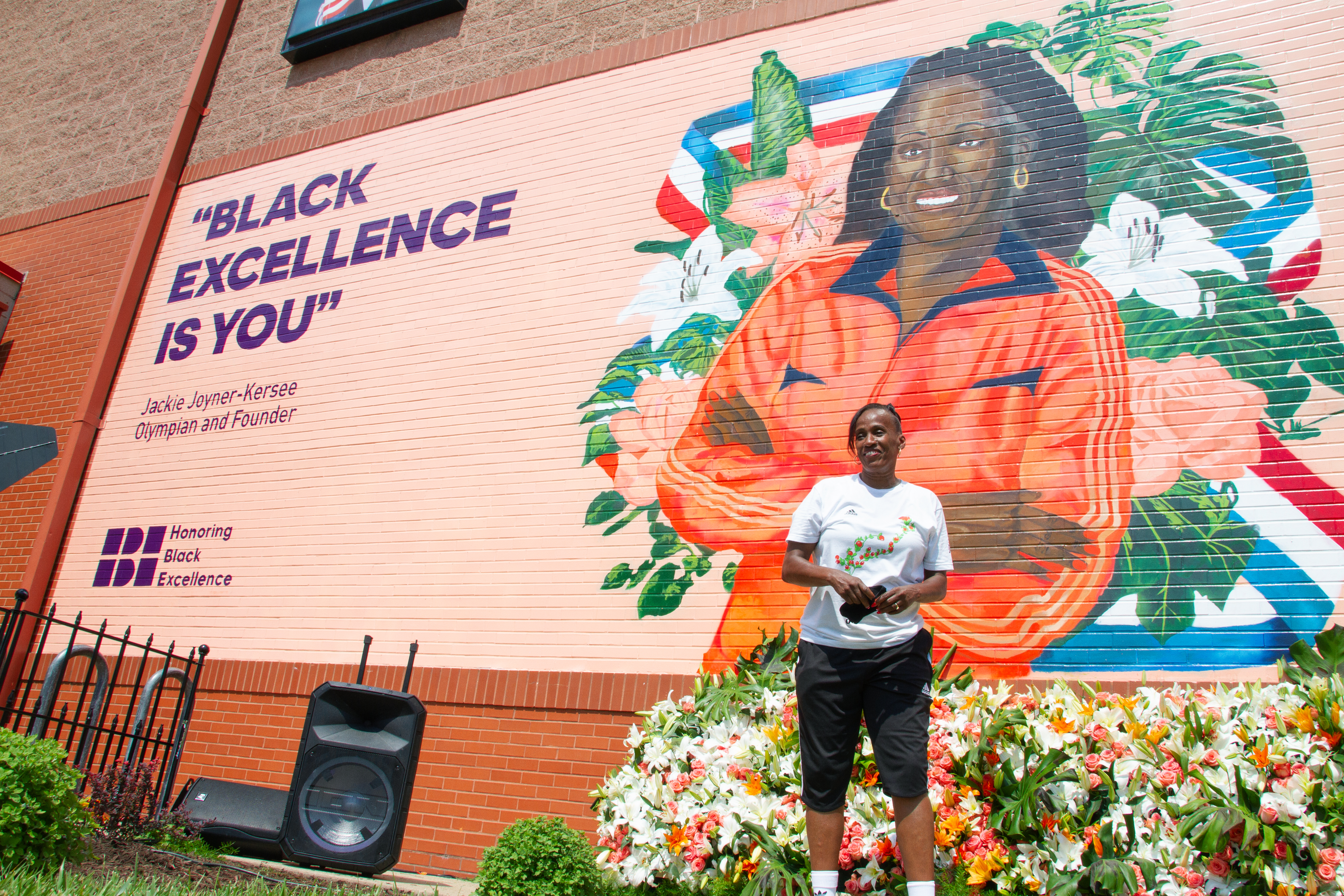
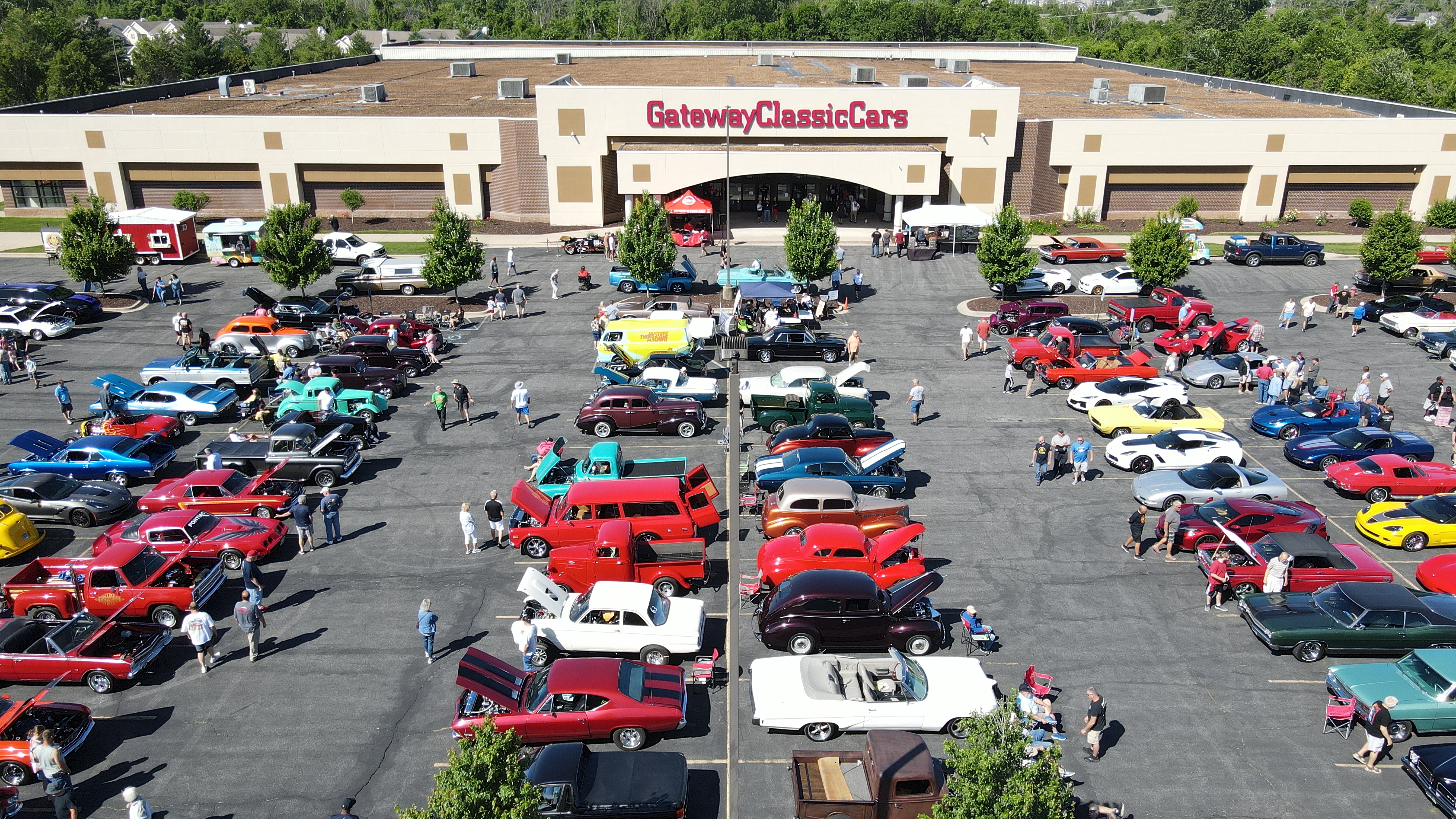
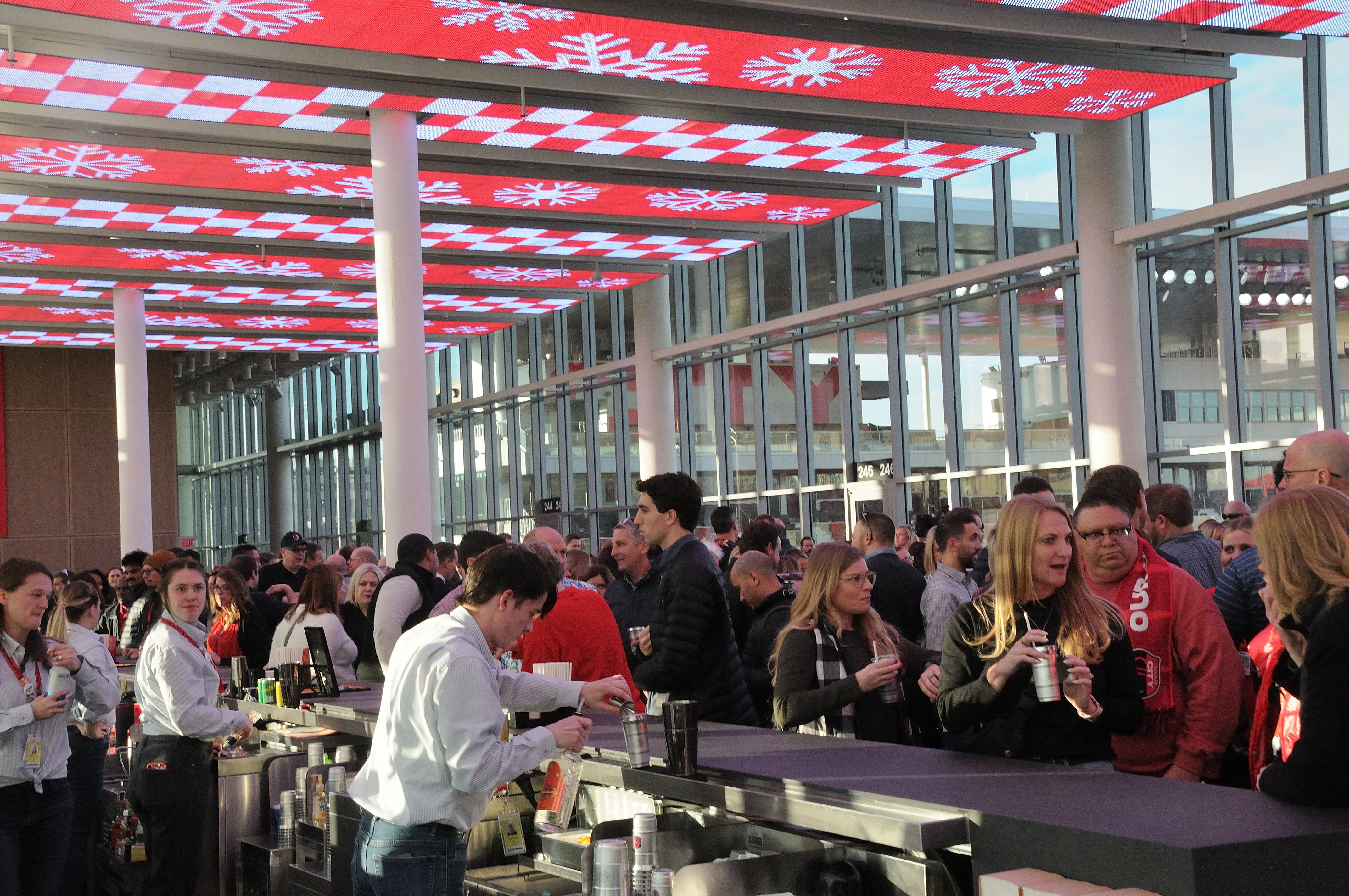
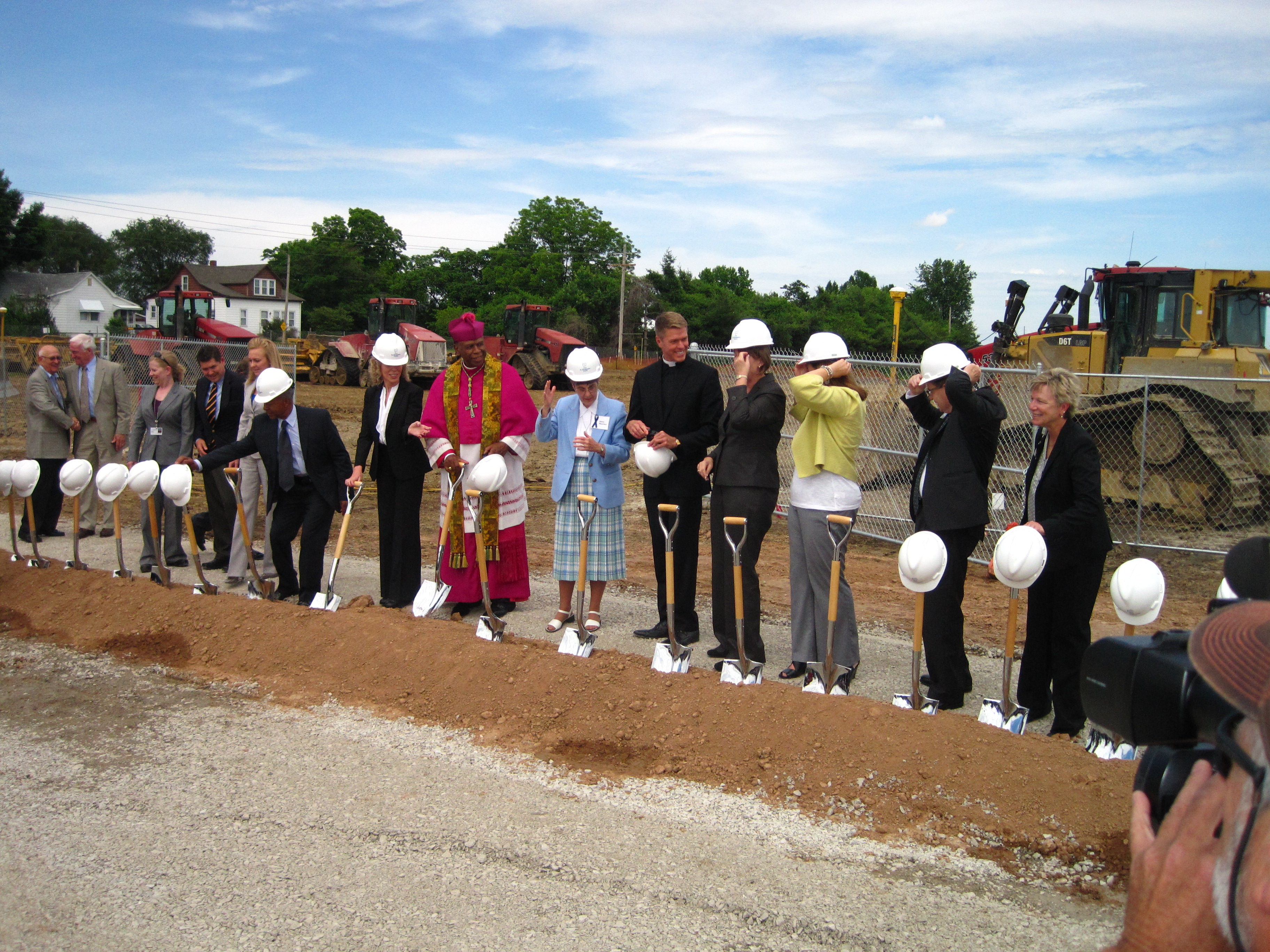

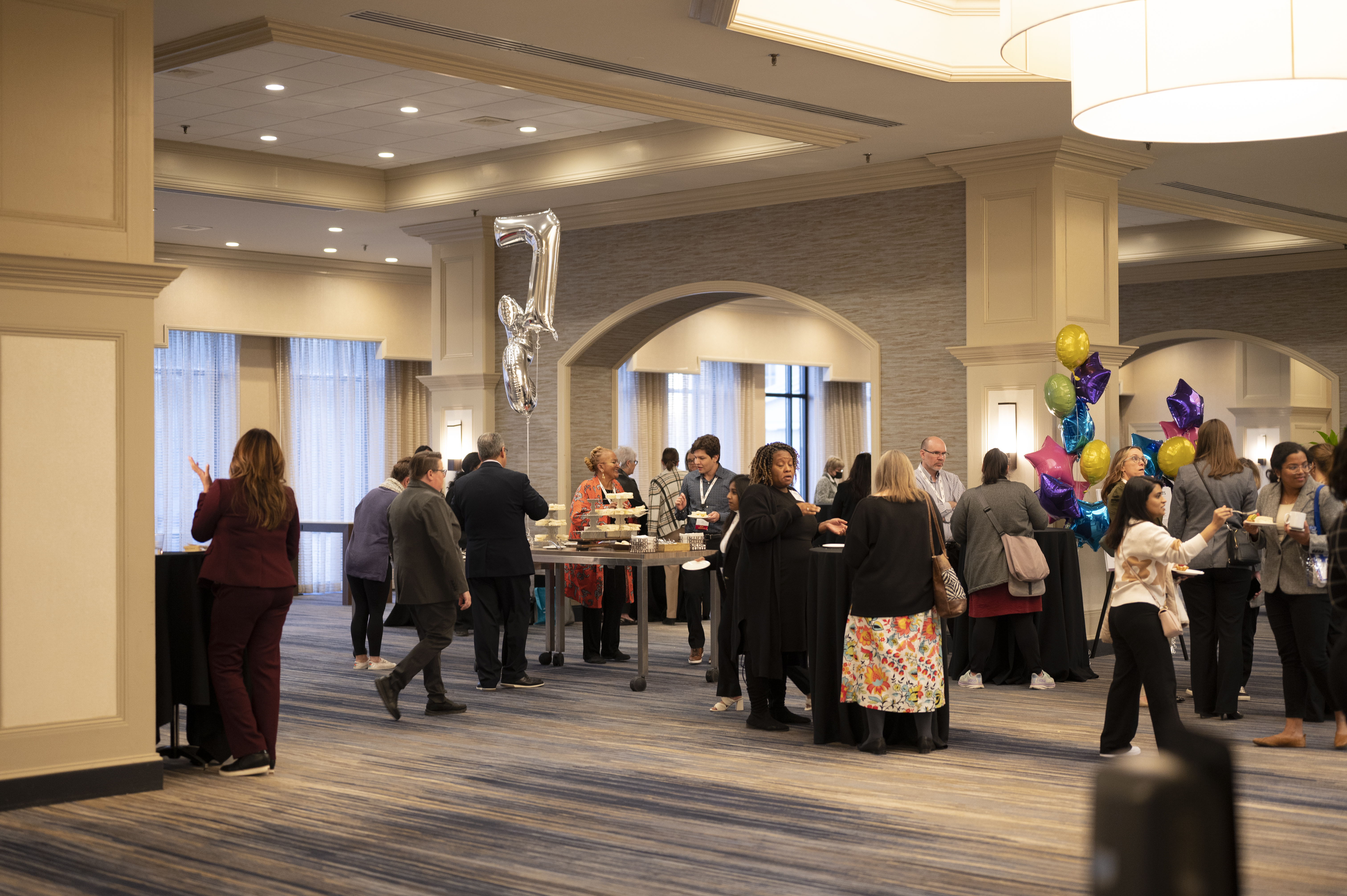
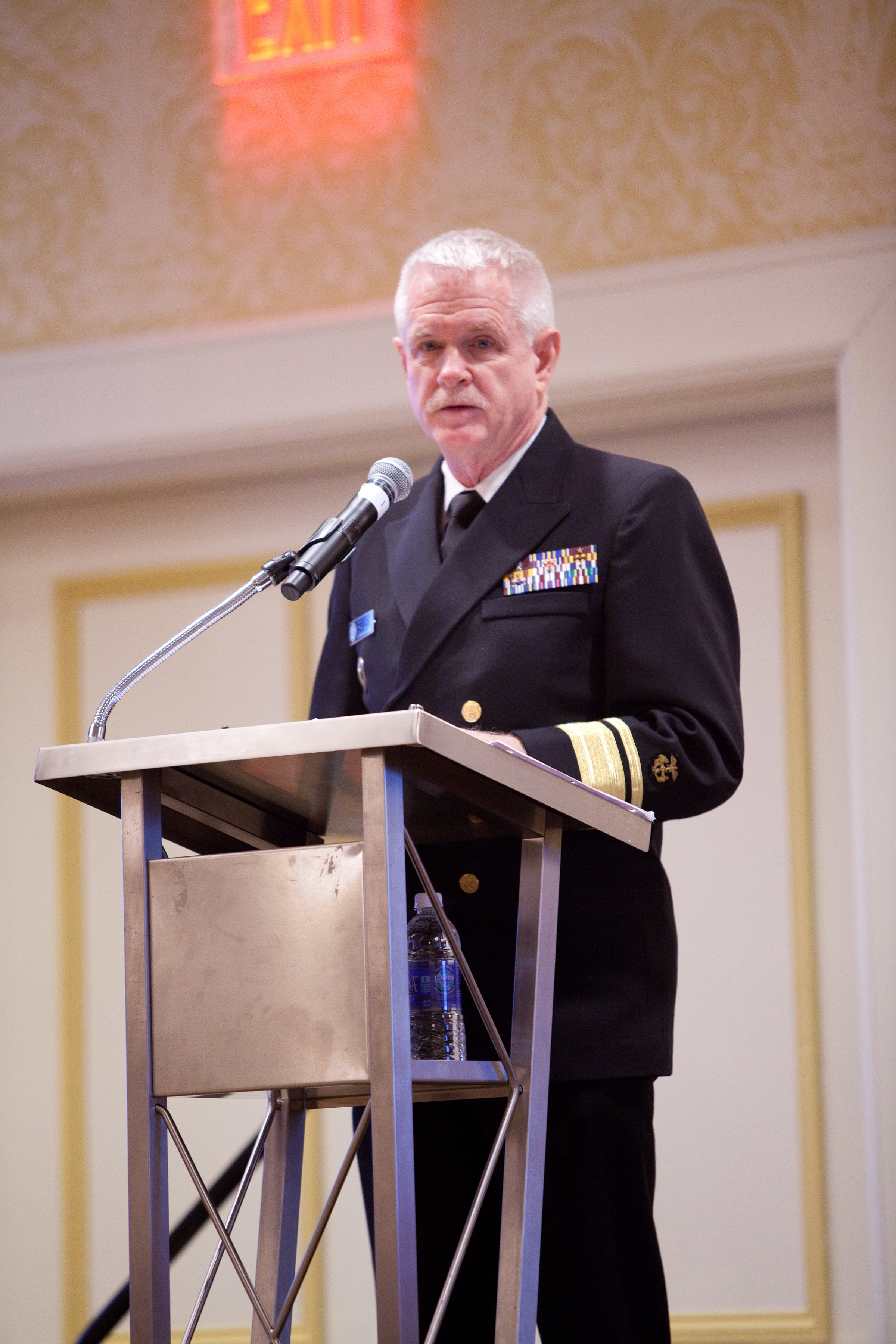
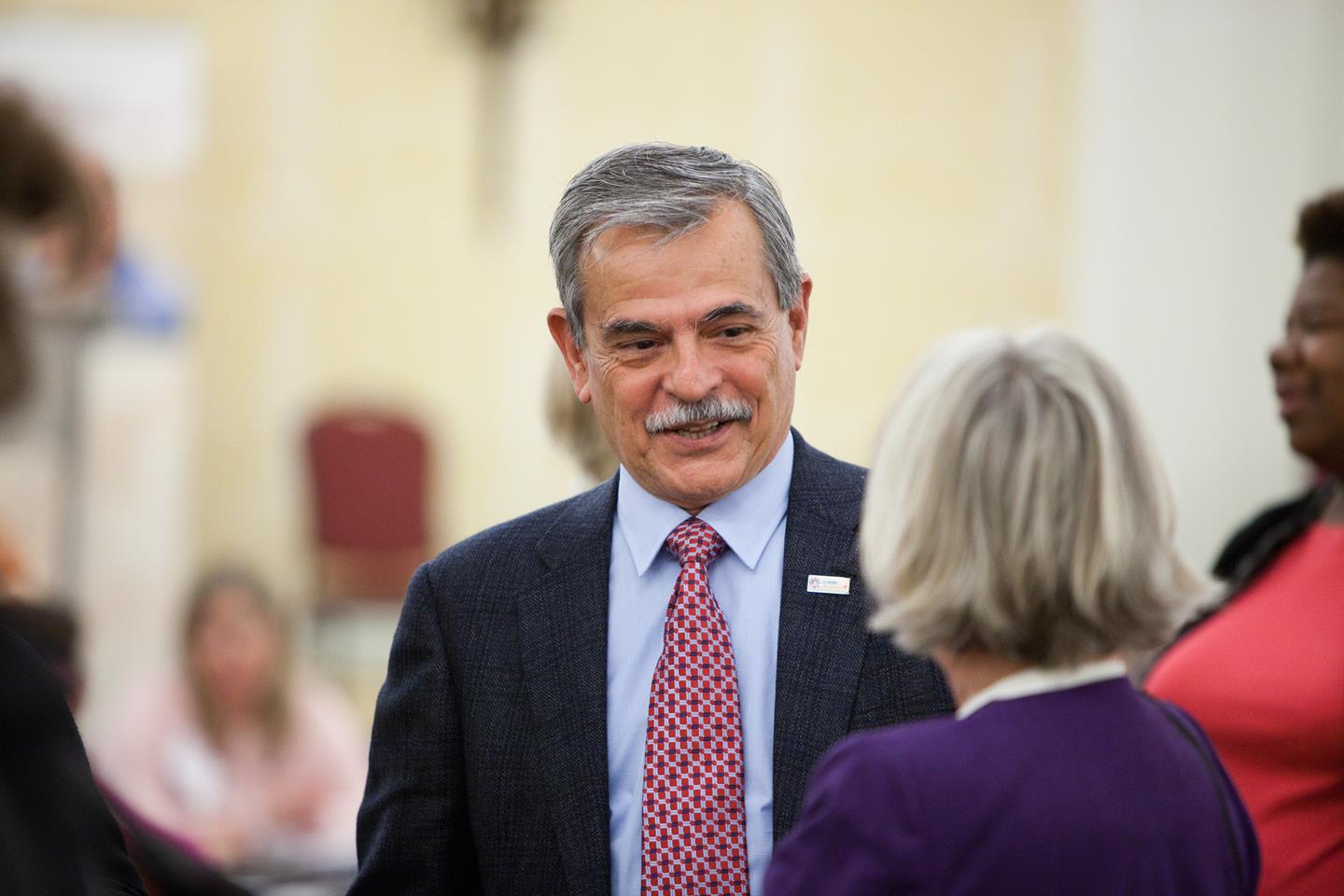
Company events naturally provide opportunities to capture:
- Corporate culture
- Leadership visibility
- Employee engagement
- Customer relationships
- Product demonstrations
- Team collaboration
- Community involvement
- Industry expertise
- Brand experiences
Rather than viewing event photography and video as a one-time expense, successful organizations view these productions as investments in content acquisition.
One well-planned event can provide enough visual assets to support marketing initiatives for months.
What Makes Event Coverage Cost-Efficient?
Cost-efficient event production does not mean reducing quality.
Instead, it means maximizing value.
Professional event coverage should focus on:
- Clear objectives
- Efficient crew deployment
- Strategic shot planning
- Multi-purpose content creation
- Repurposing opportunities
- Organized post-production
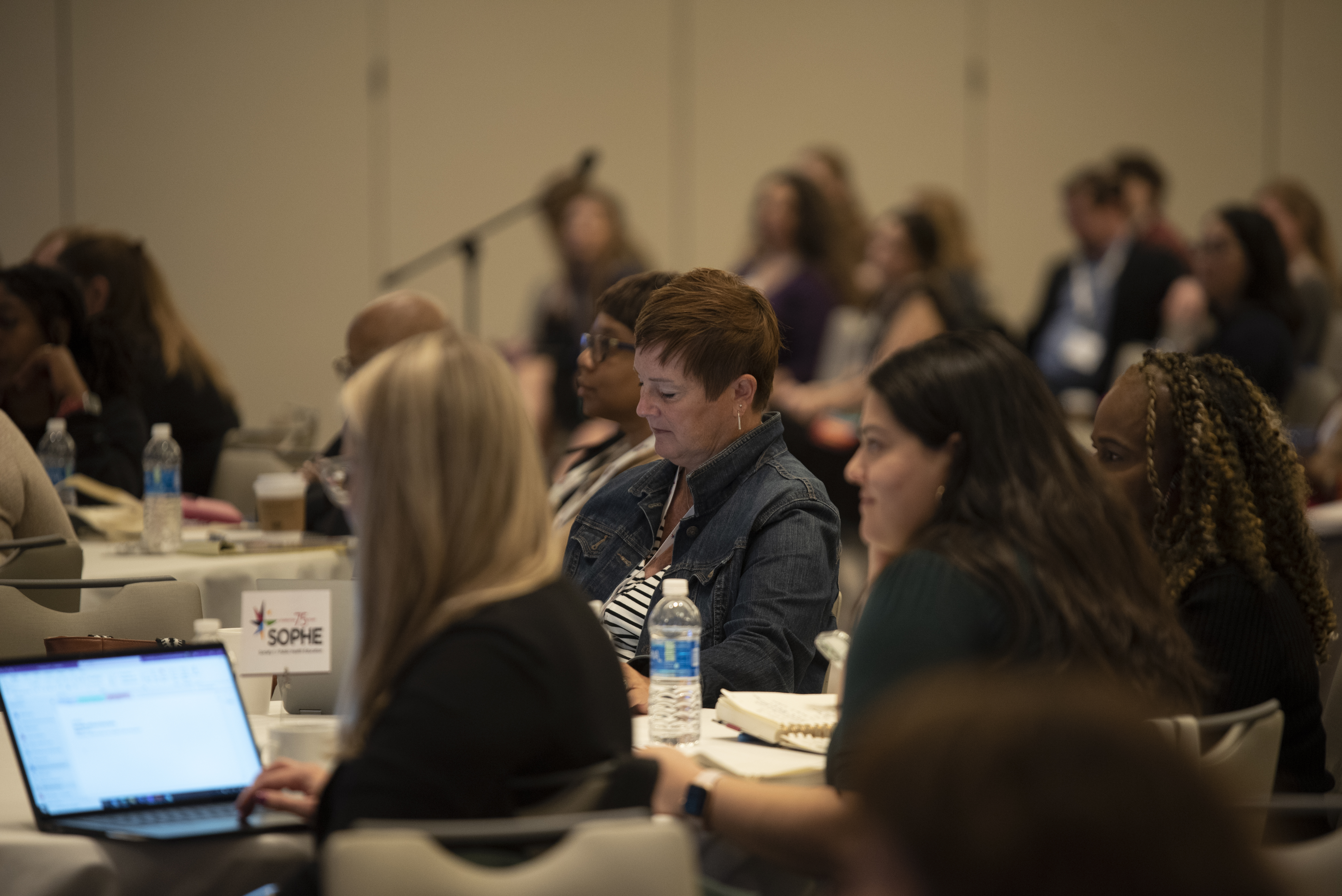

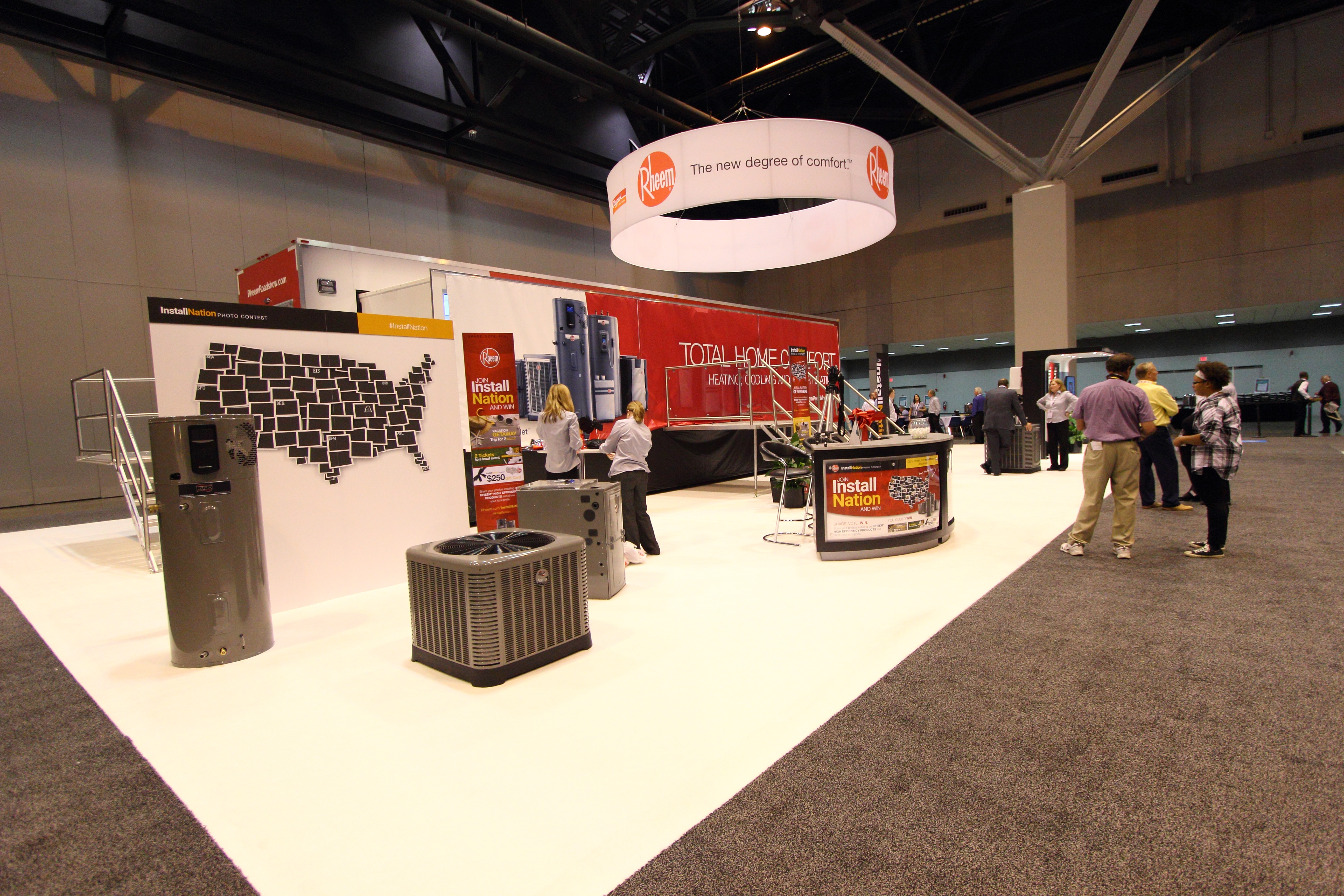
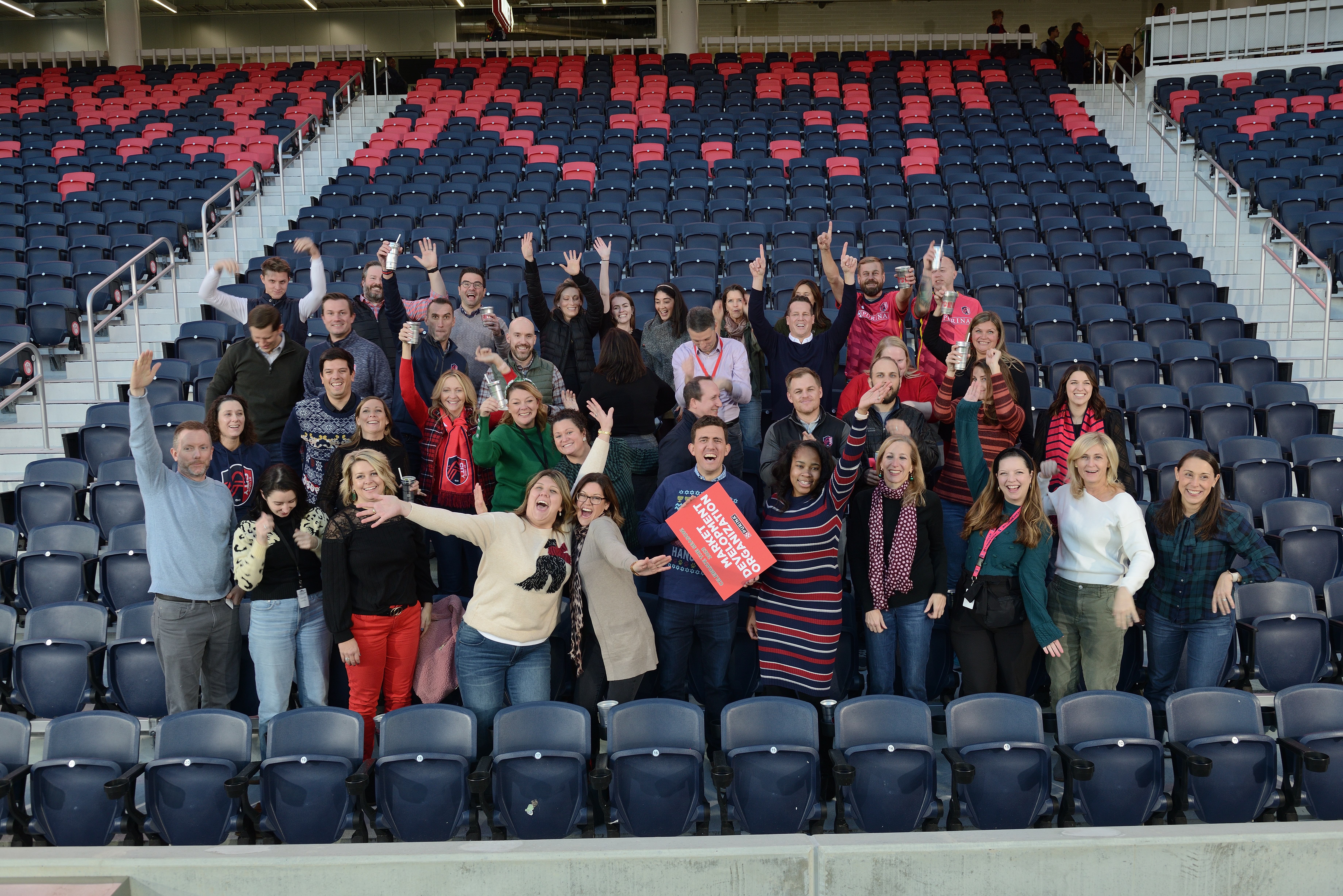
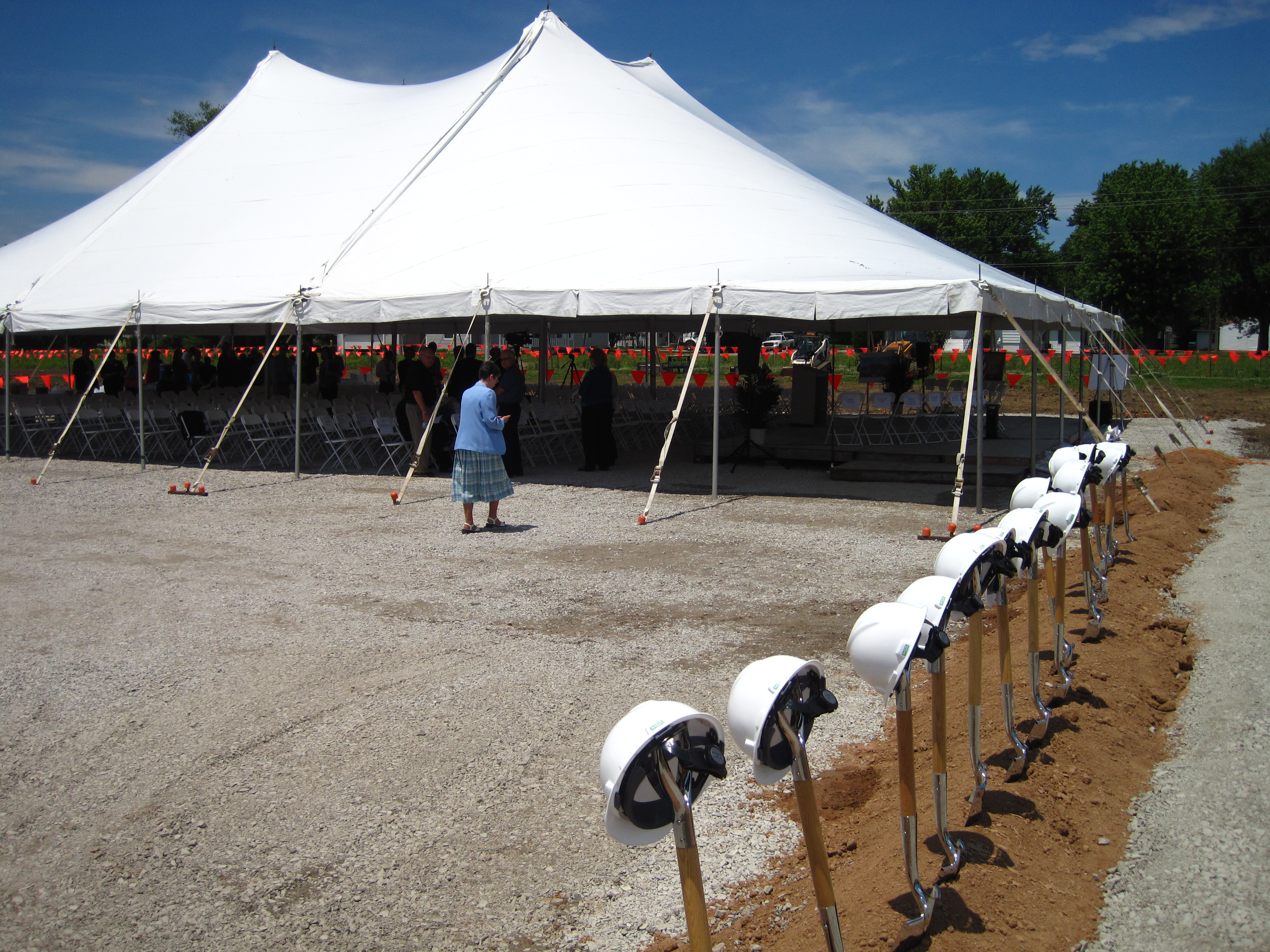
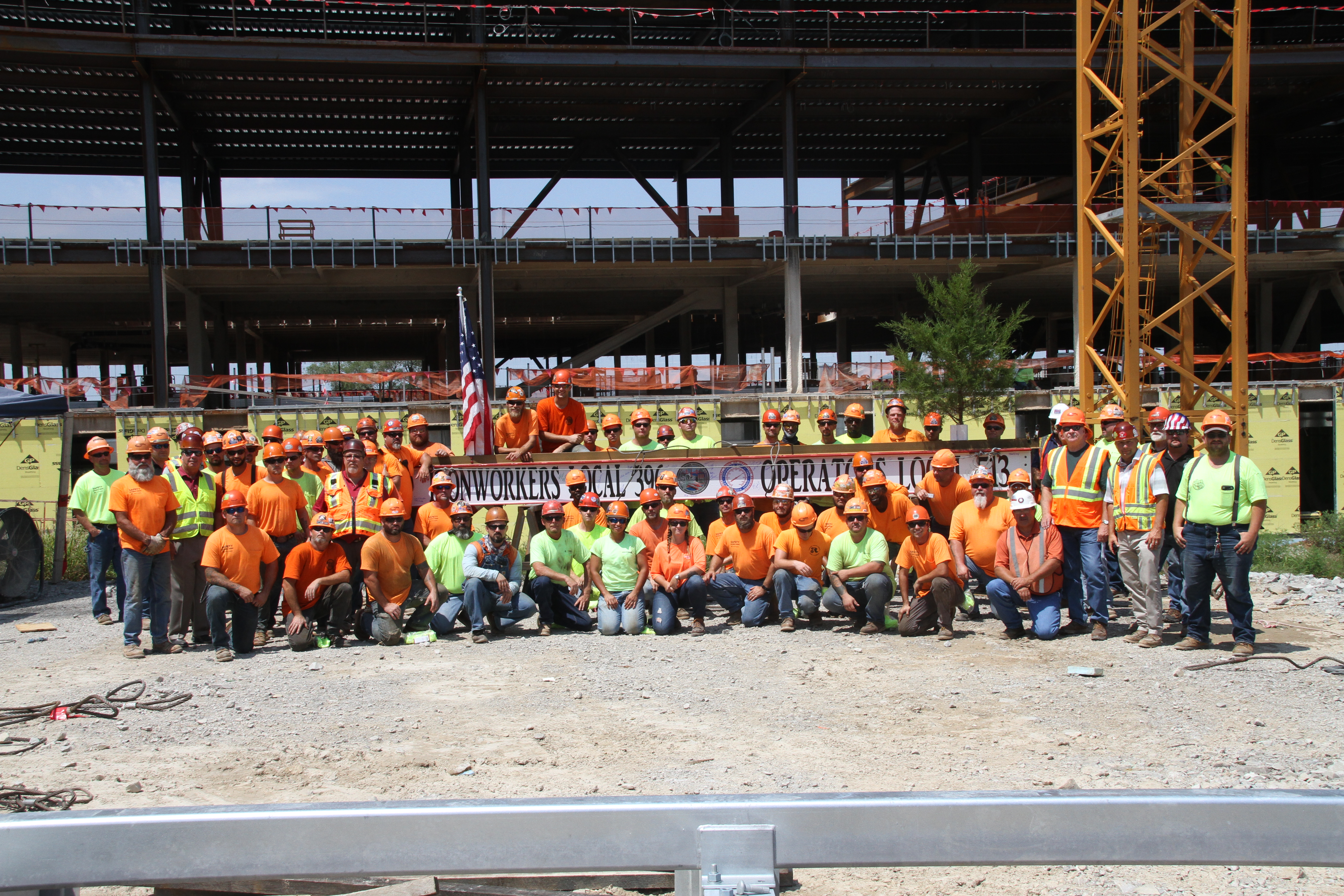
An experienced production company knows how to deliver the greatest number of useful assets while controlling unnecessary costs.
This approach helps businesses generate stronger returns from every production dollar invested.
Defining Event Objectives Before Production
One of the most important steps in any event production is understanding the intended use of the content.
Before cameras arrive, decision makers should identify:
Primary Business Goals
Are you trying to:
- Promote company culture?
- Recruit new employees?
- Recognize achievements?
- Educate customers?
- Support sales efforts?
- Build brand awareness?
- Strengthen stakeholder relationships?
Required Deliverables
Do you need:
- Photography?
- Video?
- Executive interviews?
- Social media clips?
- Employee portraits?
- Full event recordings?
- Marketing highlight reels?
Clearly defined goals help determine the most efficient production plan.
Professional Photography Creates Immediate Value
Photography remains one of the most versatile and cost-effective forms of event documentation.
Professional event photography provides businesses with images that can immediately support:
- Websites
- LinkedIn profiles
- Social media campaigns
- Newsletters
- Press releases
- Recruiting materials
- Annual reports
- Internal communications
- Marketing collateral
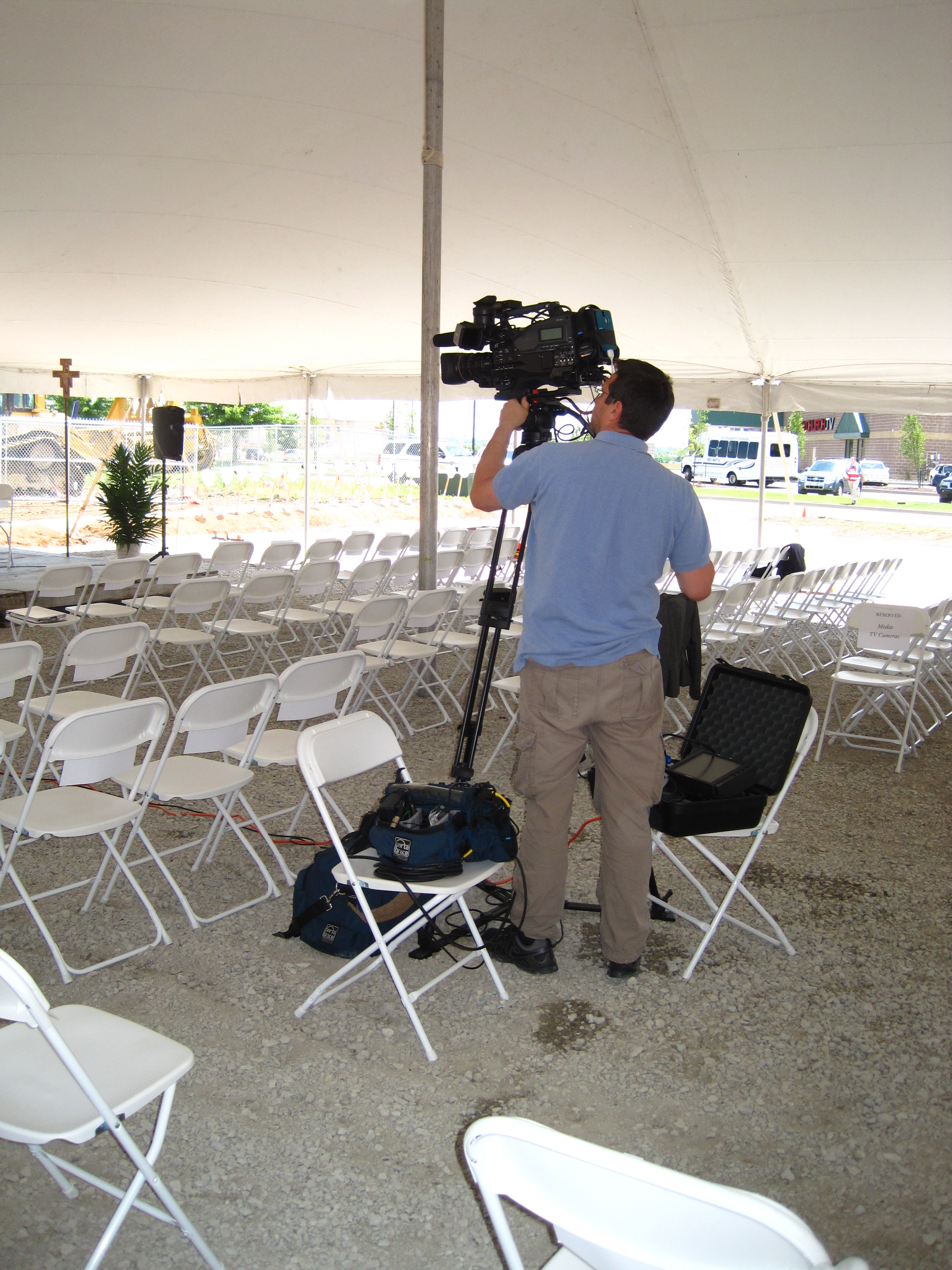
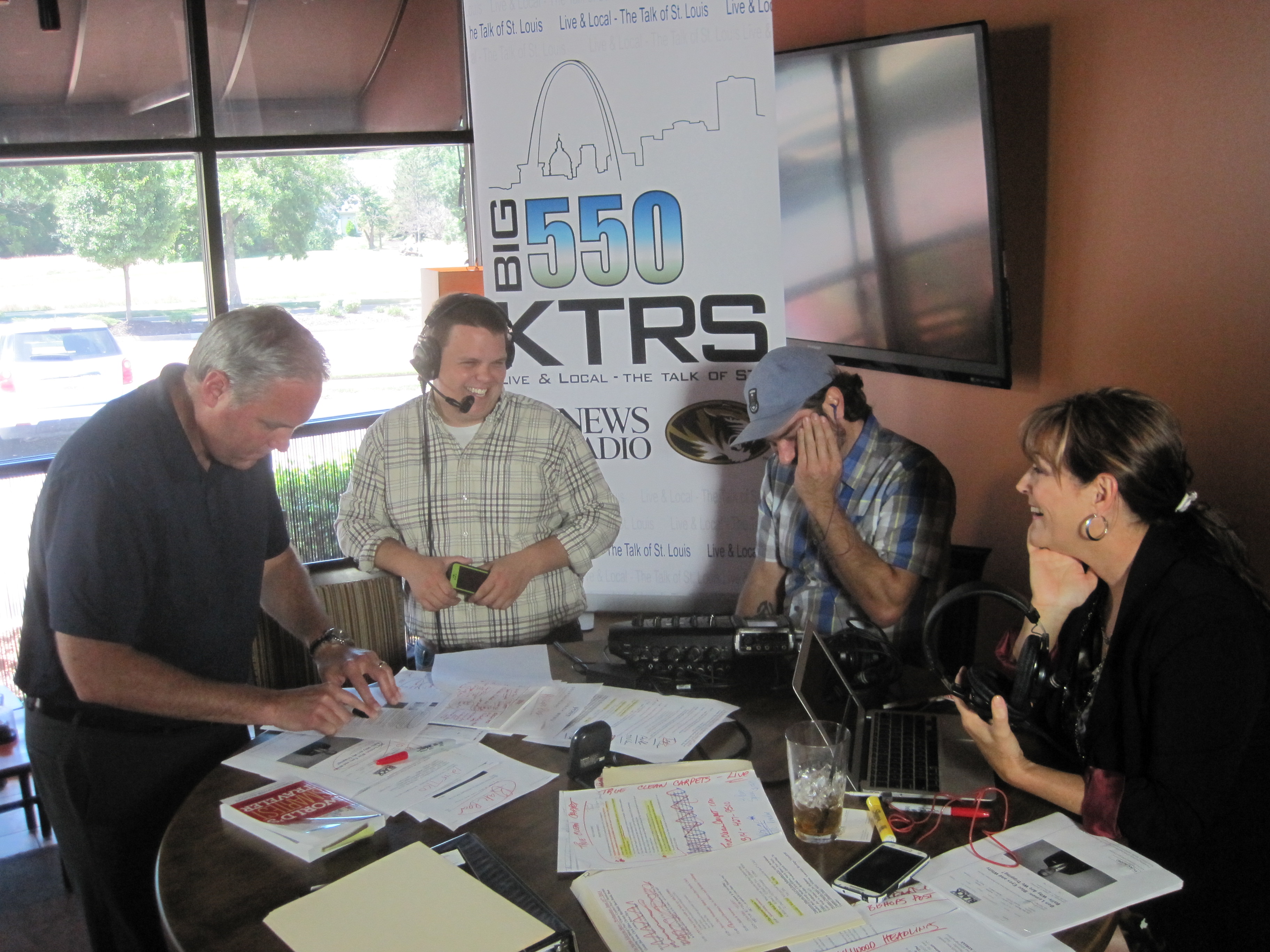
Professional photographers understand how to capture authentic moments while maintaining strong composition, lighting, timing, and brand consistency.
Capturing Corporate Culture
One of the greatest benefits of event photography is its ability to showcase organizational culture.
Prospective employees, clients, partners, and stakeholders often want to see the people behind the company.
Professional event photography can highlight:
- Team collaboration
- Leadership engagement
- Employee participation
- Community involvement
- Corporate values
- Company celebrations
- Workplace atmosphere
These authentic moments often become some of the most valuable marketing assets an organization possesses.
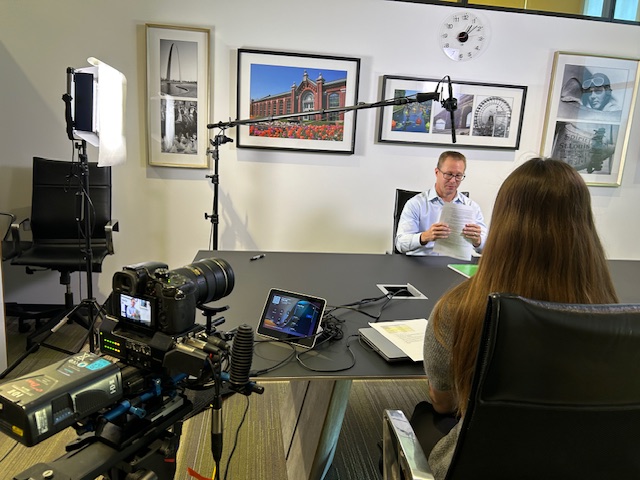
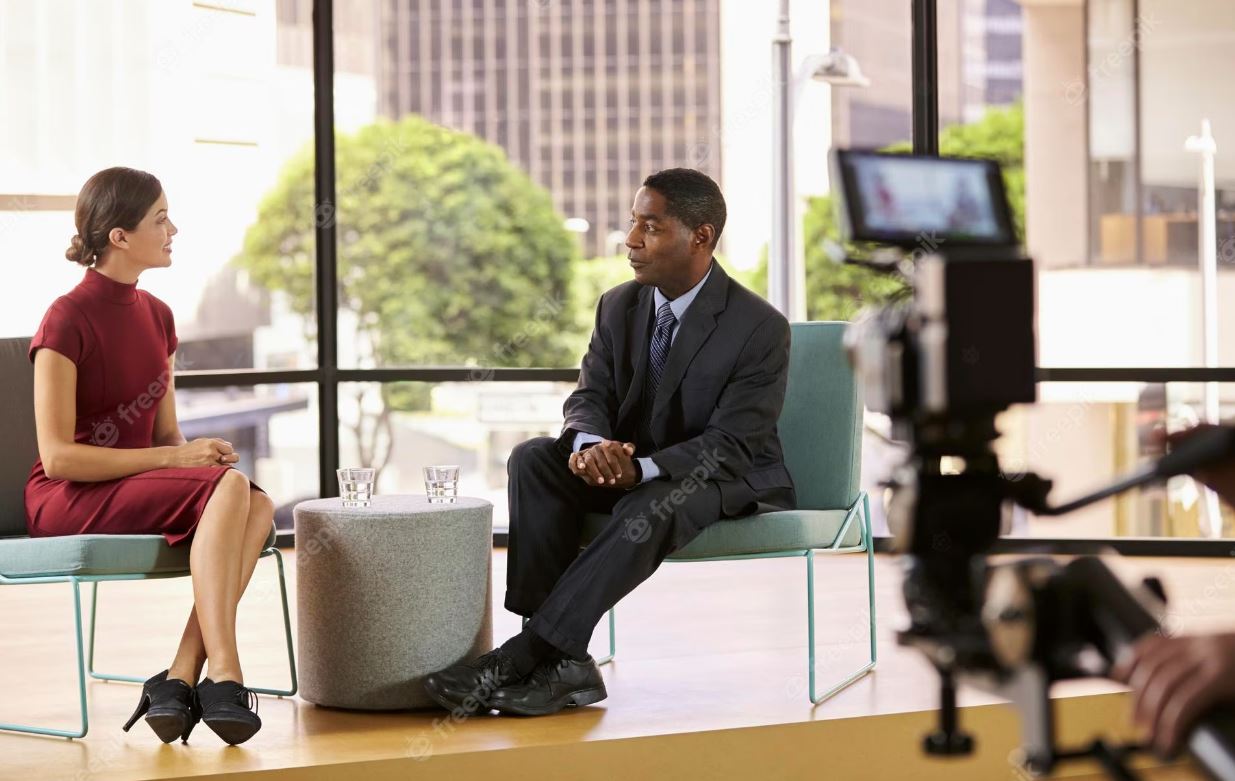
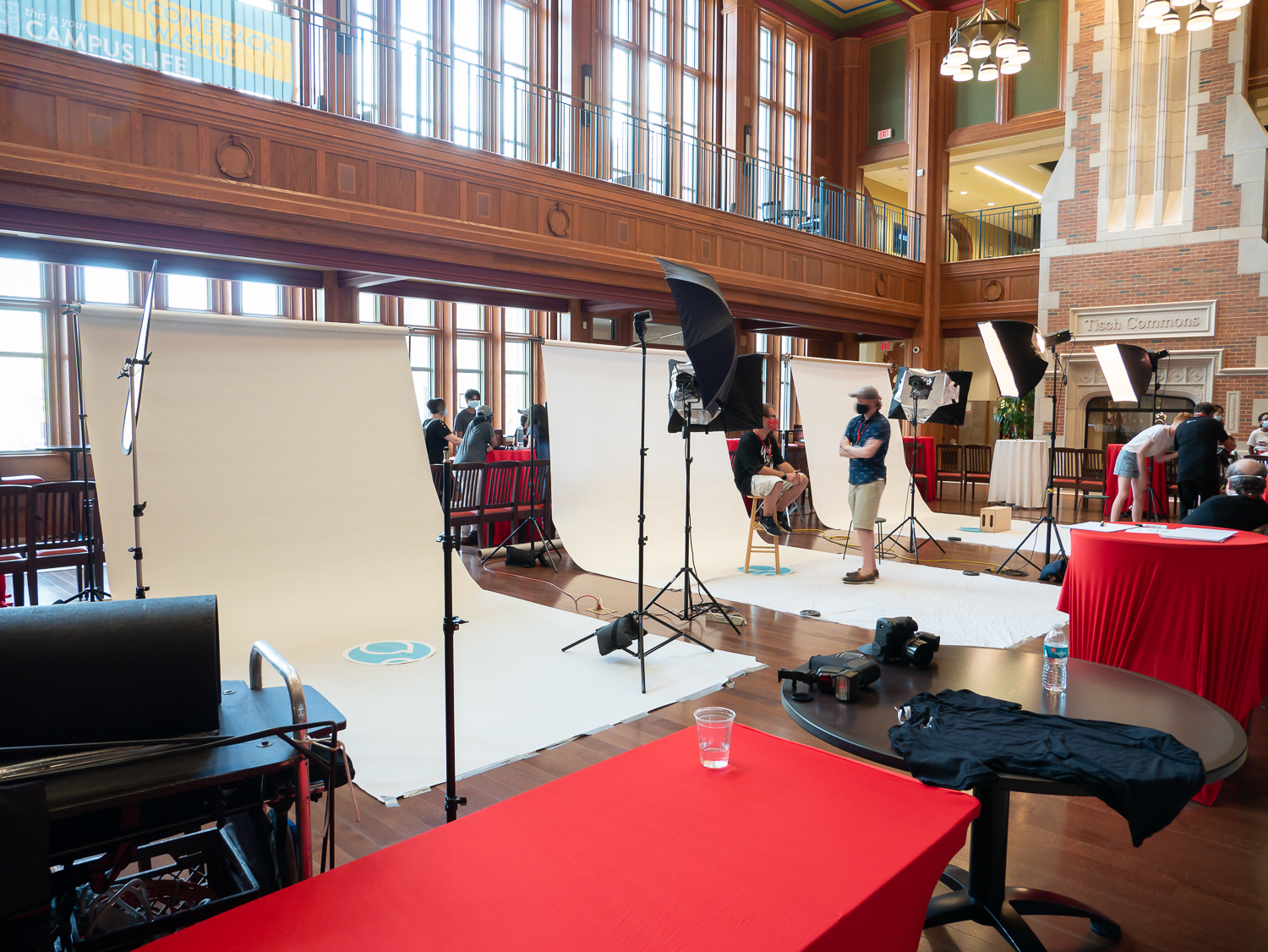
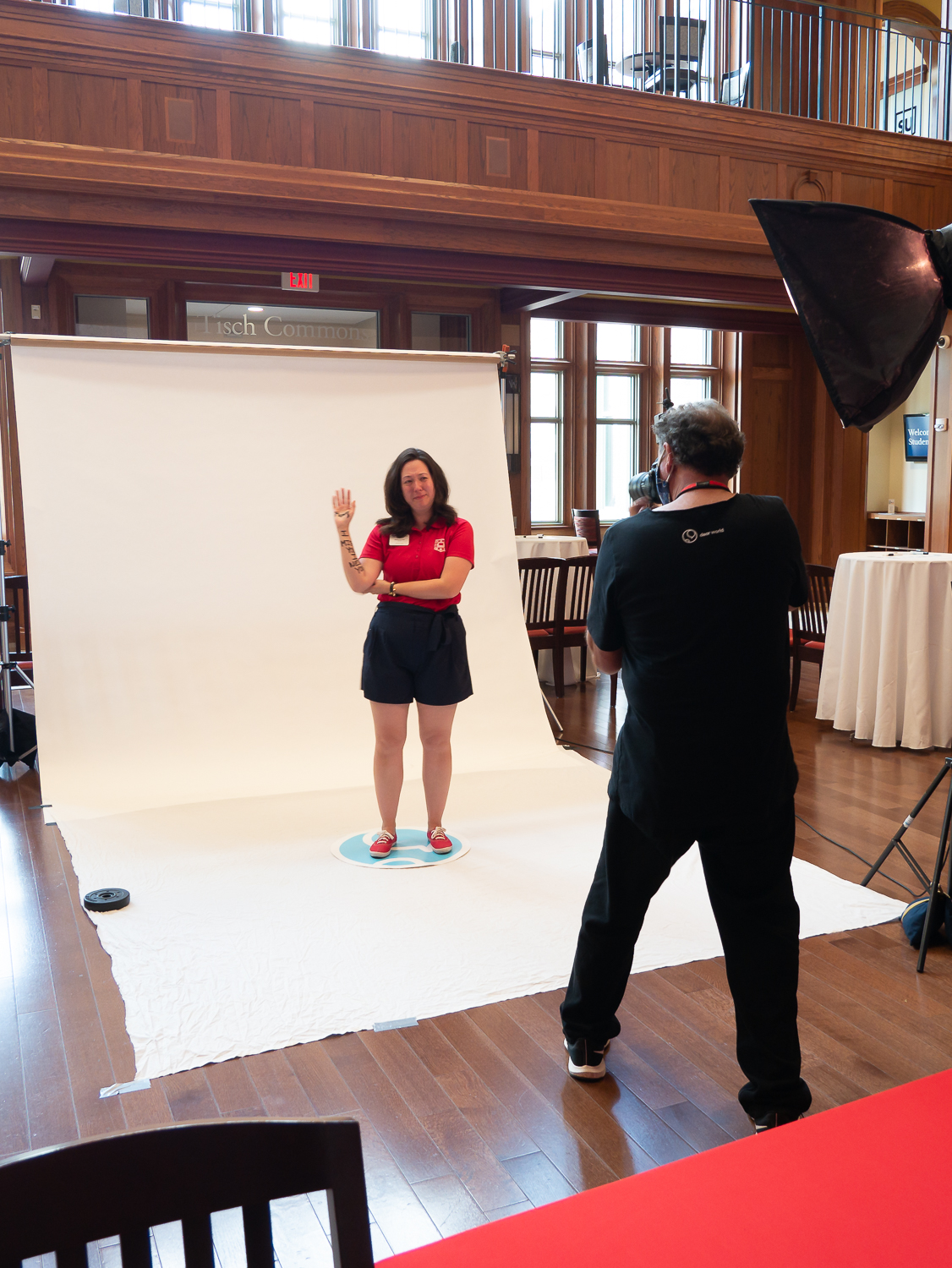
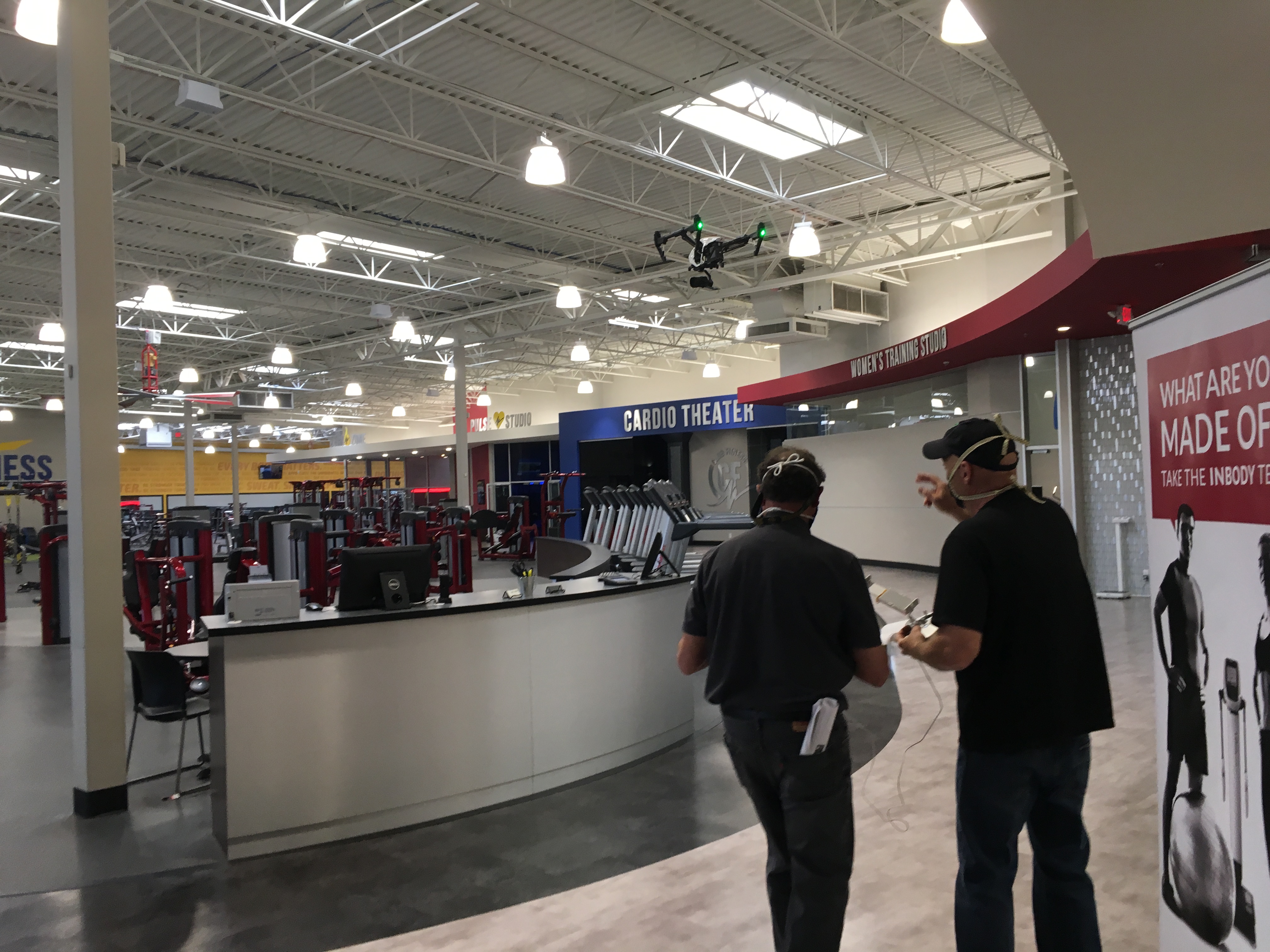
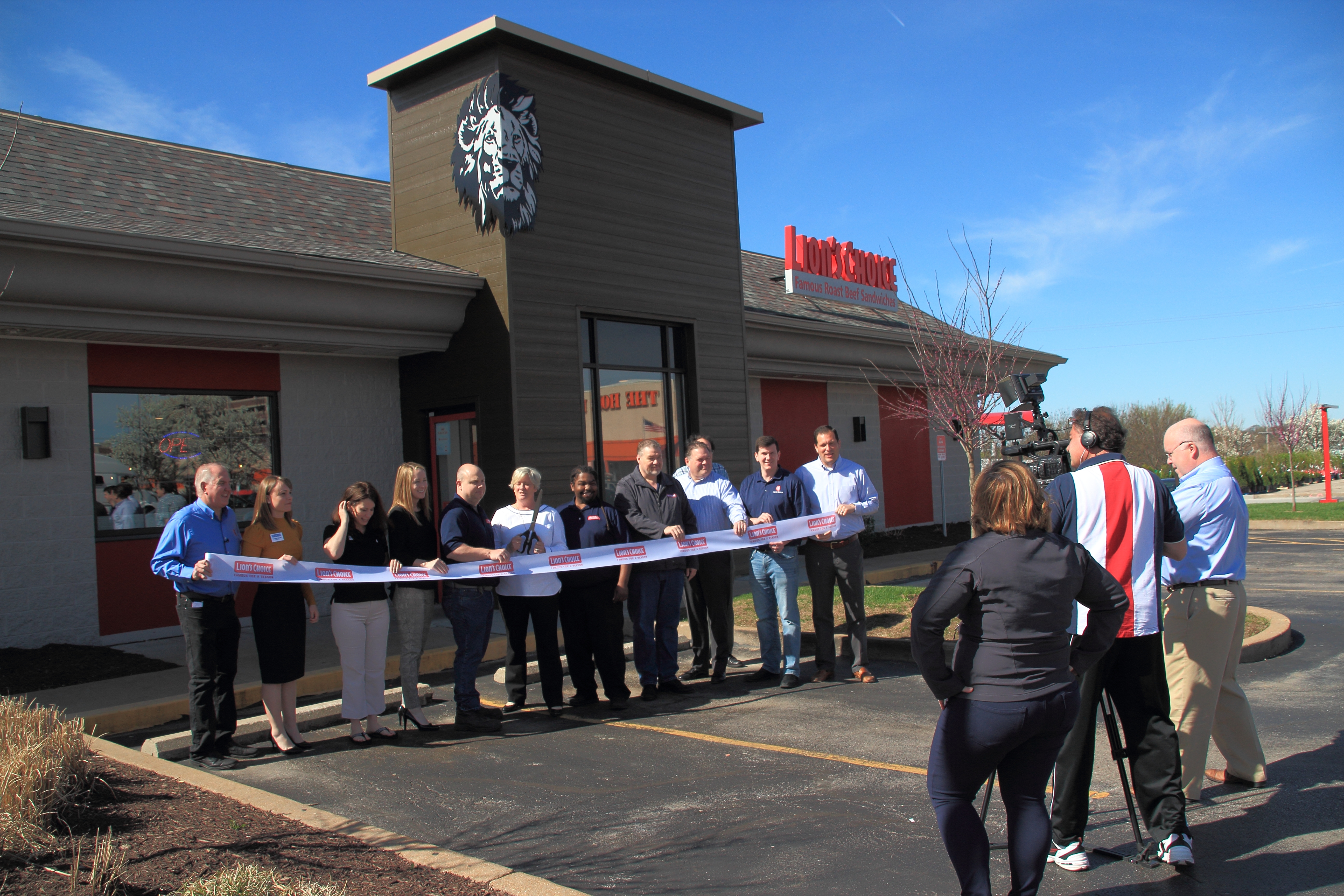
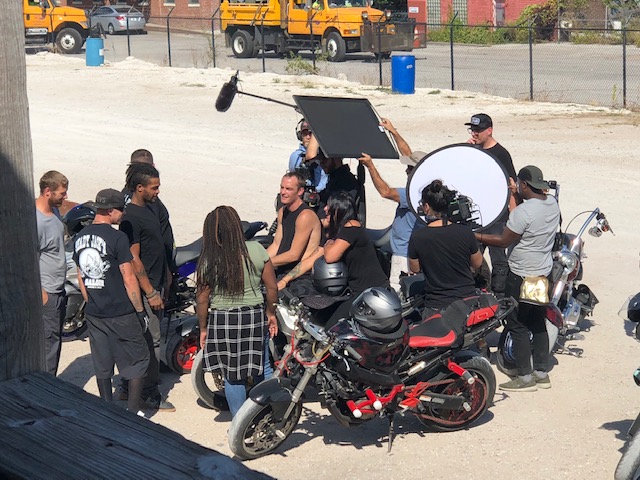
Event Video Expands Reach
While photography captures individual moments, video tells the larger story.
Professional event video allows organizations to share experiences with audiences who could not attend.
Event video content can become:
- Event recap videos
- Executive messages
- Customer testimonials
- Recruitment campaigns
- Social media reels
- Training materials
- Promotional content
- Investor communications
- Internal updates
Professional Services Require Headshots and Video Clips for Social Media
For professional service firms, the marketplace often forms an opinion before a conversation ever begins. A prospective client may first encounter your firm through a LinkedIn profile, a short video clip, a website bio, a Google search result, a referral page, or a social media post. In that moment, your visual presence is doing part of the selling.
Professional headshots and short video clips are no longer simply “nice to have” marketing materials. They are essential credibility tools for attorneys, financial advisors, consultants, physicians, accountants, executives, architects, engineers, real estate professionals, recruiters, and business leaders who rely on trust, reputation, and expertise.
At St Louis Photography Studio, we help professional service organizations create polished, consistent, and highly usable photography and video assets that support social media, websites, marketing campaigns, recruiting, public relations, and business development.
Your Online Image Is Often the First Interview
Professional services are built on confidence. Clients want to know who they are dealing with, what kind of expertise they can expect, and whether the person or firm feels credible.
A weak or outdated headshot can quietly work against that trust. So can inconsistent staff photos, low-quality phone images, poor lighting, distracting backgrounds, or video clips with bad audio. These issues may seem small, but they influence perception.
A clean, well-directed headshot communicates that your firm is organized, current, and serious about its professional image. A strong video clip adds another layer by allowing prospects to hear your tone, see your confidence, and understand your point of view.
Why Headshots Still Matter in a Video-Driven World
Even with the growth of short-form video, the professional headshot remains one of the most important brand assets a firm can own. It is used repeatedly across many platforms and often becomes the visual anchor of a professional’s identity.
Headshots are commonly used for:
Website biographies
LinkedIn profiles
Email signatures
Conference speaker profiles
Proposals and pitch decks
Press releases
Social media posts
Recruiting materials
Directory listings
Advertising campaigns
Internal communications
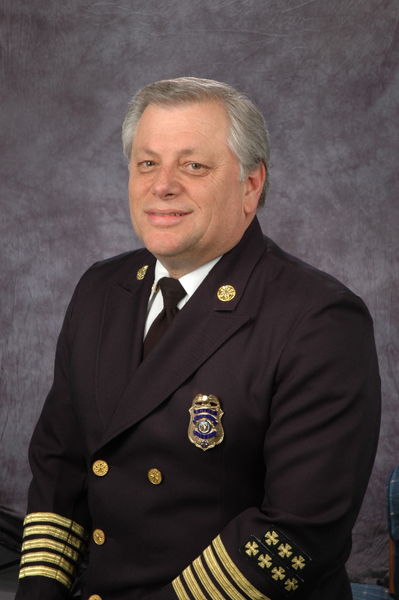
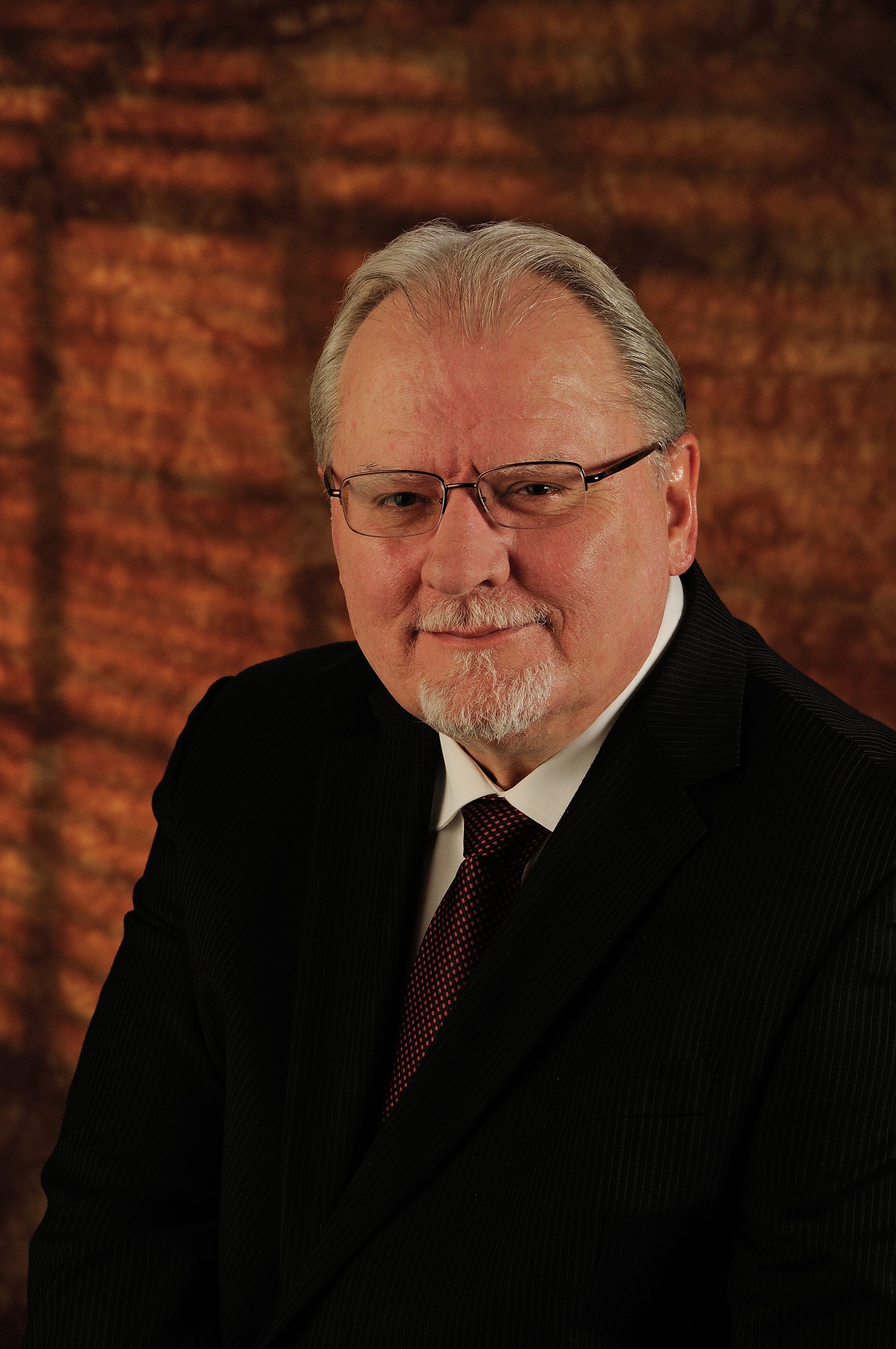
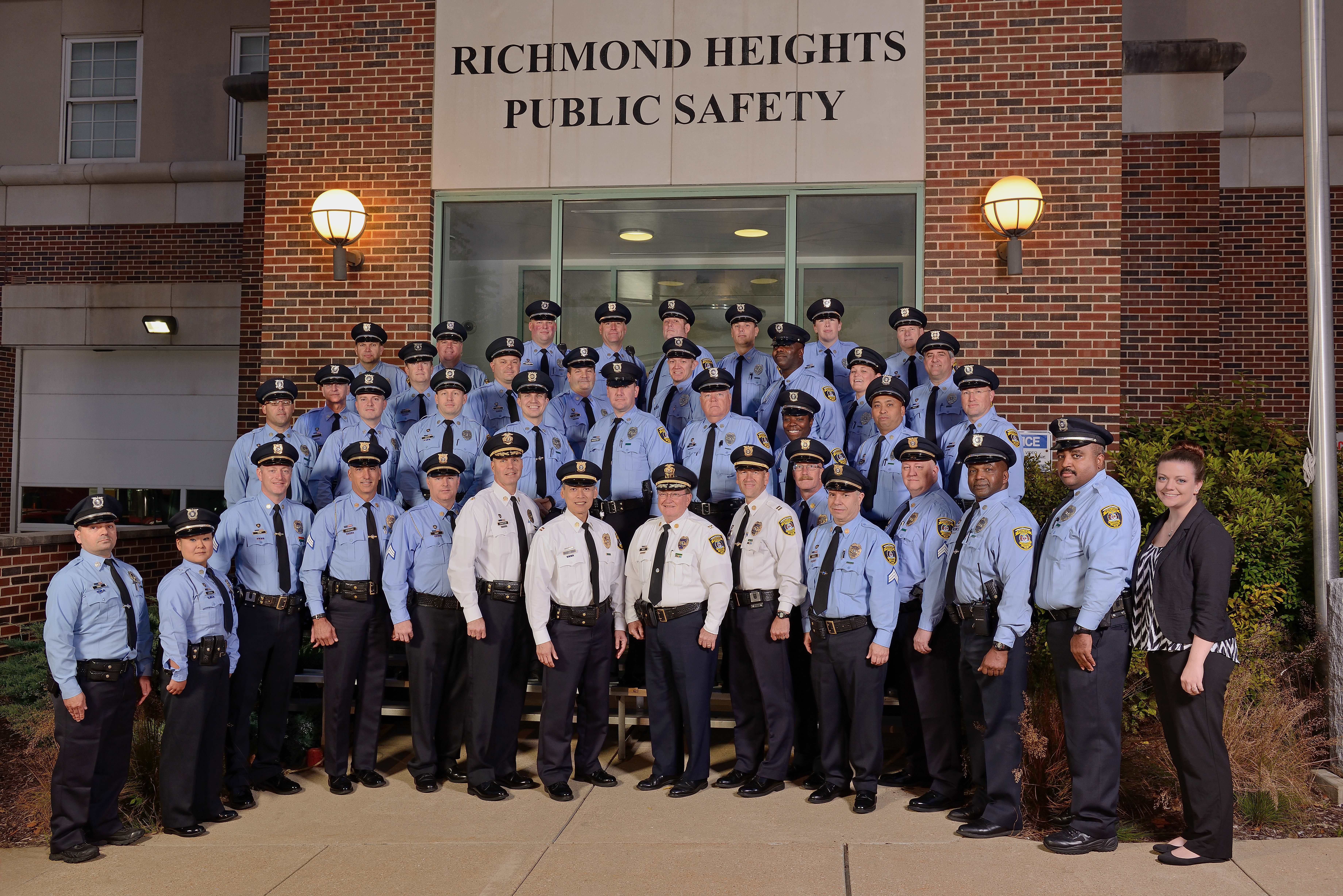
For a professional services firm, consistency is critical. When each team member has a different background, lighting style, crop, or image quality, the brand can feel disconnected. A planned headshot session creates a unified look while still allowing each person’s personality to come through.
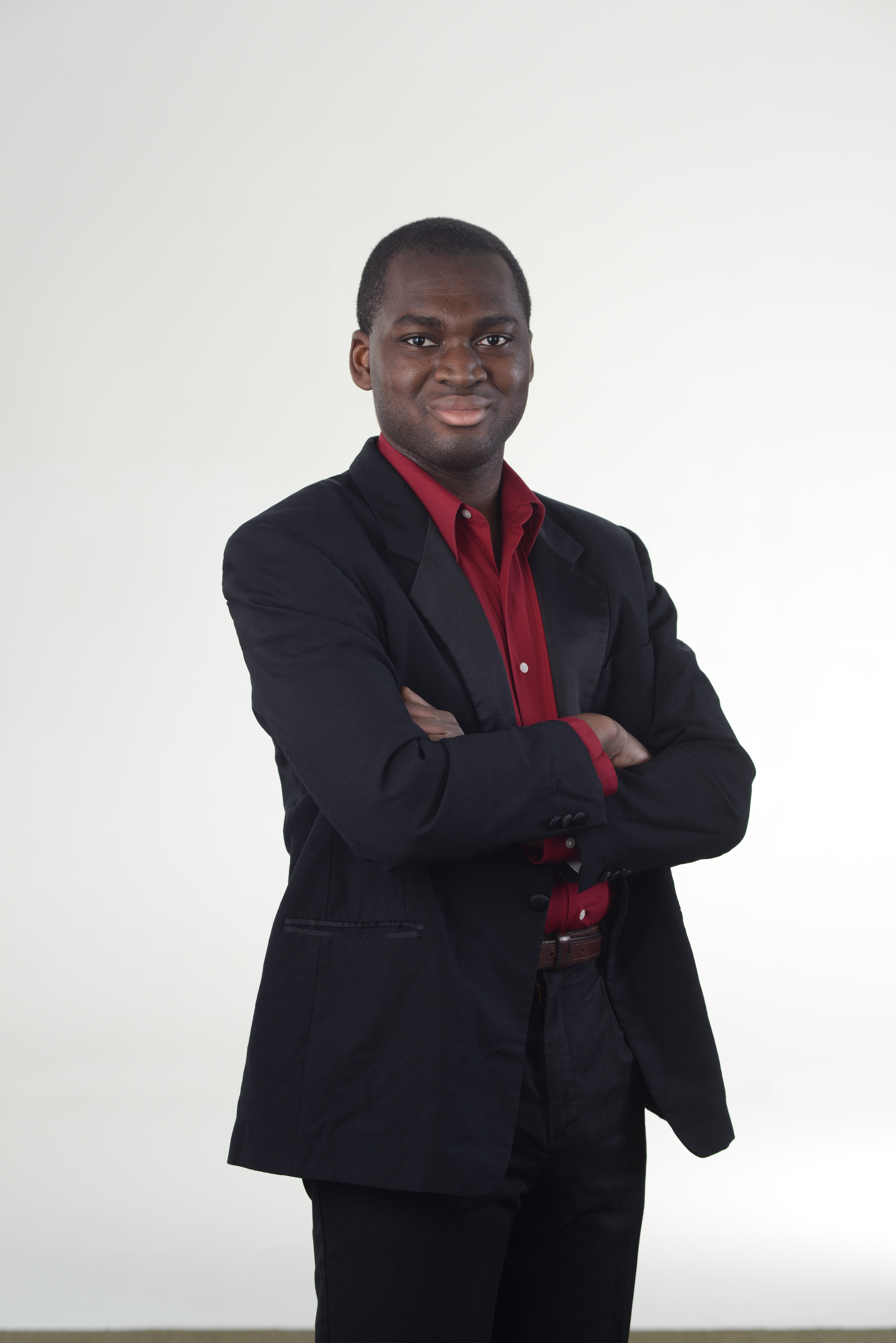
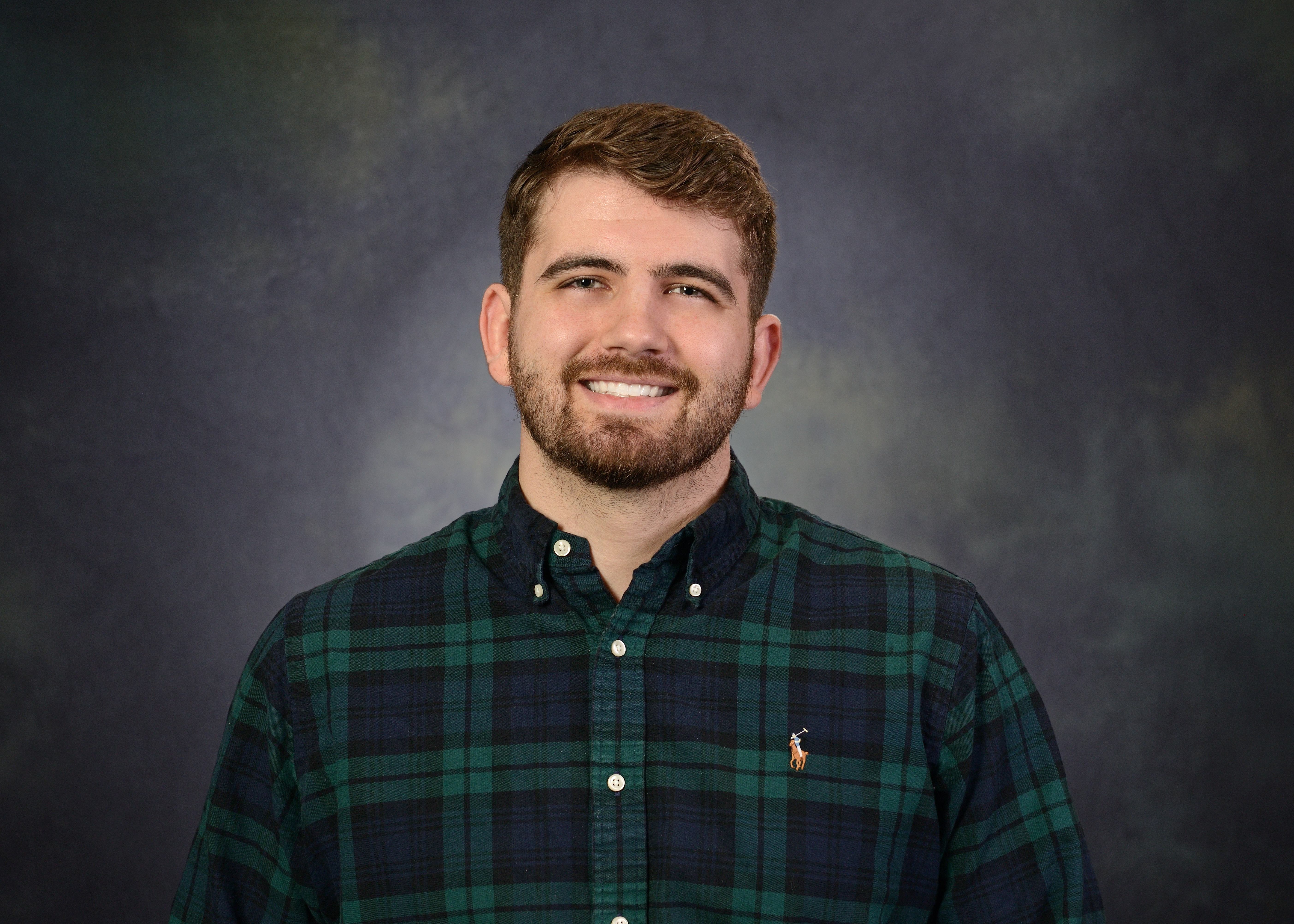
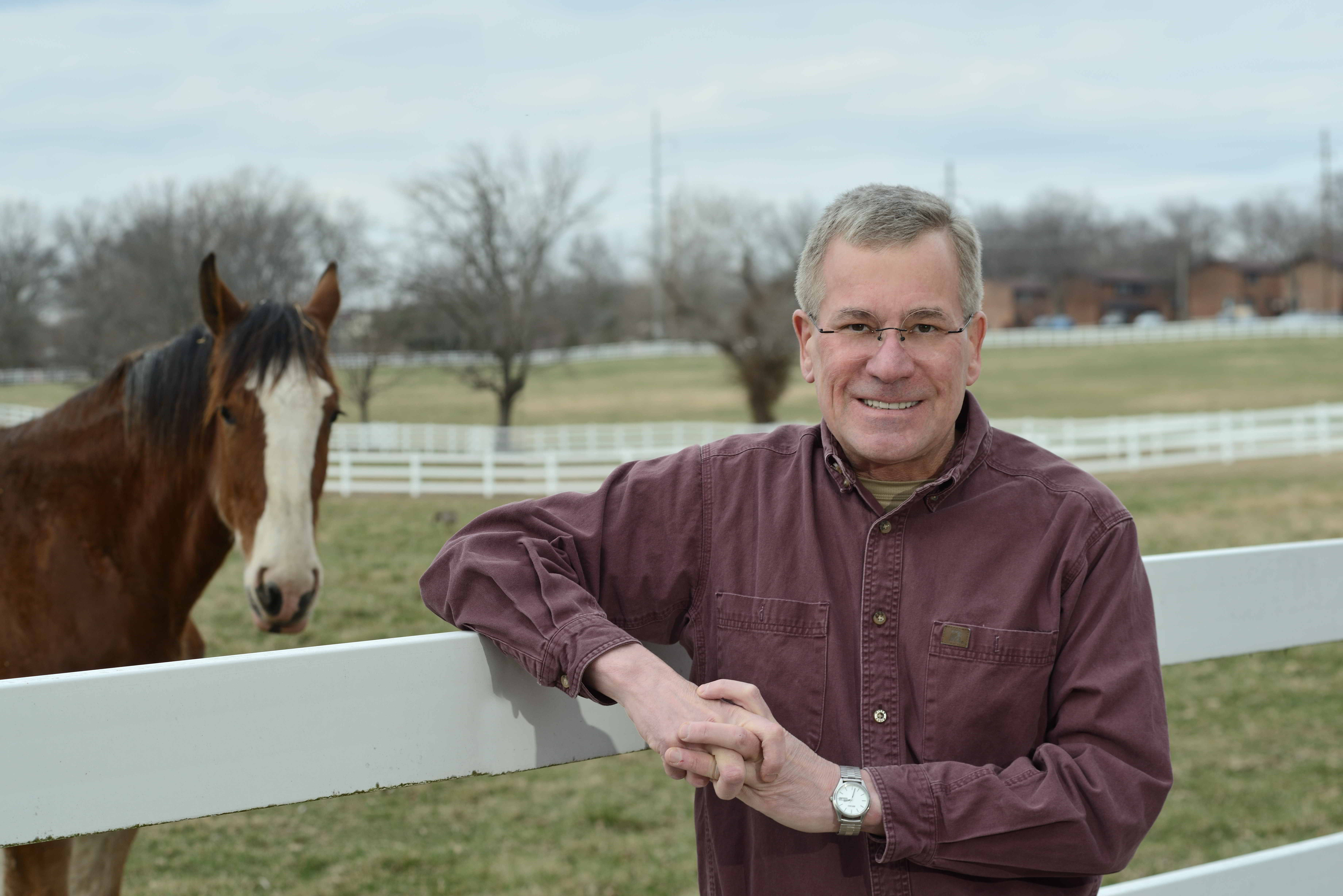
Social Media Rewards Familiarity and Visibility
Professional firms often rely on referrals, reputation, and long sales cycles. Social media helps keep your people visible between conversations.
A client may not need your service today, but they may remember your firm months later because they have seen your professionals consistently sharing insights, appearing in short clips, posting updates, or being featured in polished images.
Strong photography and video give marketing teams the raw material they need to stay active. Instead of struggling to find visuals for every post, your firm can build a content library that supports ongoing visibility.
That library may include formal headshots, relaxed portraits, office images, leadership photos, team shots, short educational videos, behind-the-scenes clips, and b-roll that can be repurposed again and again.
Short Video Clips Build Trust Faster
Video is especially valuable for professional services because it helps humanize expertise. A written bio can list credentials, but a video clip lets a prospect hear how someone explains an issue, answers a question, or introduces a service.
Short video clips work well because they fit how people consume content today. Decision makers are busy. They may not watch a long company video, but they will often watch a 30-second or 60-second clip that answers a specific question or introduces a relevant idea.
Professional service firms can use short video clips for:
LinkedIn thought leadership
Website bio pages
Service explanations
Frequently asked questions
Recruiting campaigns
Client education
Email marketing
YouTube Shorts
Instagram Reels
Conference promotions
New hire announcements
Practice area updates
The goal is not to make every professional sound scripted. The goal is to capture clear, confident, useful communication in a polished format.
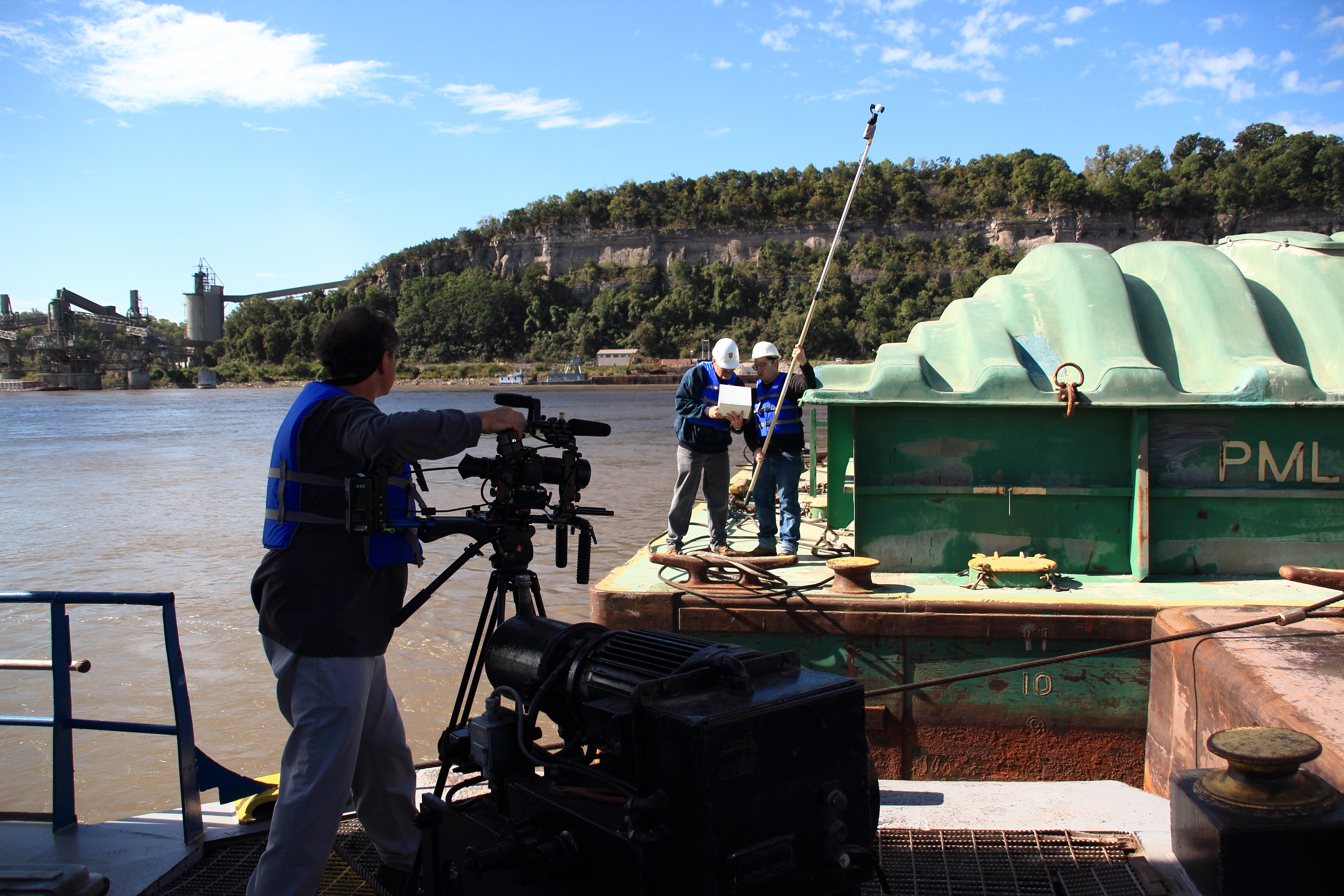
The Best Content Comes From Planning Before Production
A successful headshot and video session starts before the cameras are set up. The strongest results come from knowing how the images and clips will be used.
Before production, professional service firms should consider:
Who needs to be photographed or filmed
Which platforms will use the content
Whether the tone should be formal, approachable, modern, editorial, or conversational
What backgrounds best support the brand
Whether the shoot should happen in studio, on location, or both
What key topics should be covered on video
Whether vertical video is needed for social platforms
How many final clips are required
What graphics, captions, music, or branding elements may be needed
This planning helps make the production more efficient and gives the final assets a longer marketing life.
One Production Can Create Months of Marketing Content
A common mistake is thinking of photography and video as separate one-time projects. A better approach is to design a production day around multiple deliverables.
For example, one well-organized session can capture:
Professional headshots
Environmental portraits
Team photos
Leadership images
Short interview clips
Scripted social media videos
Office b-roll
Meeting and collaboration footage
Website visuals
Vertical social media content
Still images pulled from video
Behind-the-scenes content
This approach is efficient because it respects the schedules of busy professionals while creating a broad set of usable marketing materials. The firm gets more value from the production, and the marketing team has more content to work with.
B-Roll Makes Professional Service Videos More Effective
B-roll is often what separates a basic talking-head video from a more engaging and polished piece of content. It gives editors visual options and helps tell the story with more depth.
For professional service firms, b-roll may include:
Team collaboration
Client meeting setups
Office activity
Professionals reviewing documents
Conference room discussions
Building exteriors
Reception areas
Technology in use
Hands-on work
Community involvement
Architectural details
Behind-the-scenes moments
B-roll can be used in website videos, social media posts, recruiting content, advertising, proposal videos, and internal communications. It also gives firms more flexibility when repurposing one production into many finished pieces.
Studio Photography Gives Brands Control
A professional studio environment offers consistency and control. Lighting, background, camera placement, sound, and visual style can all be managed carefully.
For headshots, this is especially important when multiple people need to be photographed in a consistent way. For video clips, studio production can eliminate many of the distractions that come with office environments, such as noise, inconsistent lighting, interruptions, and background clutter.
A studio is also useful when a firm wants a more polished interview setup, controlled branding, product or prop integration, or repeatable production style for future sessions.
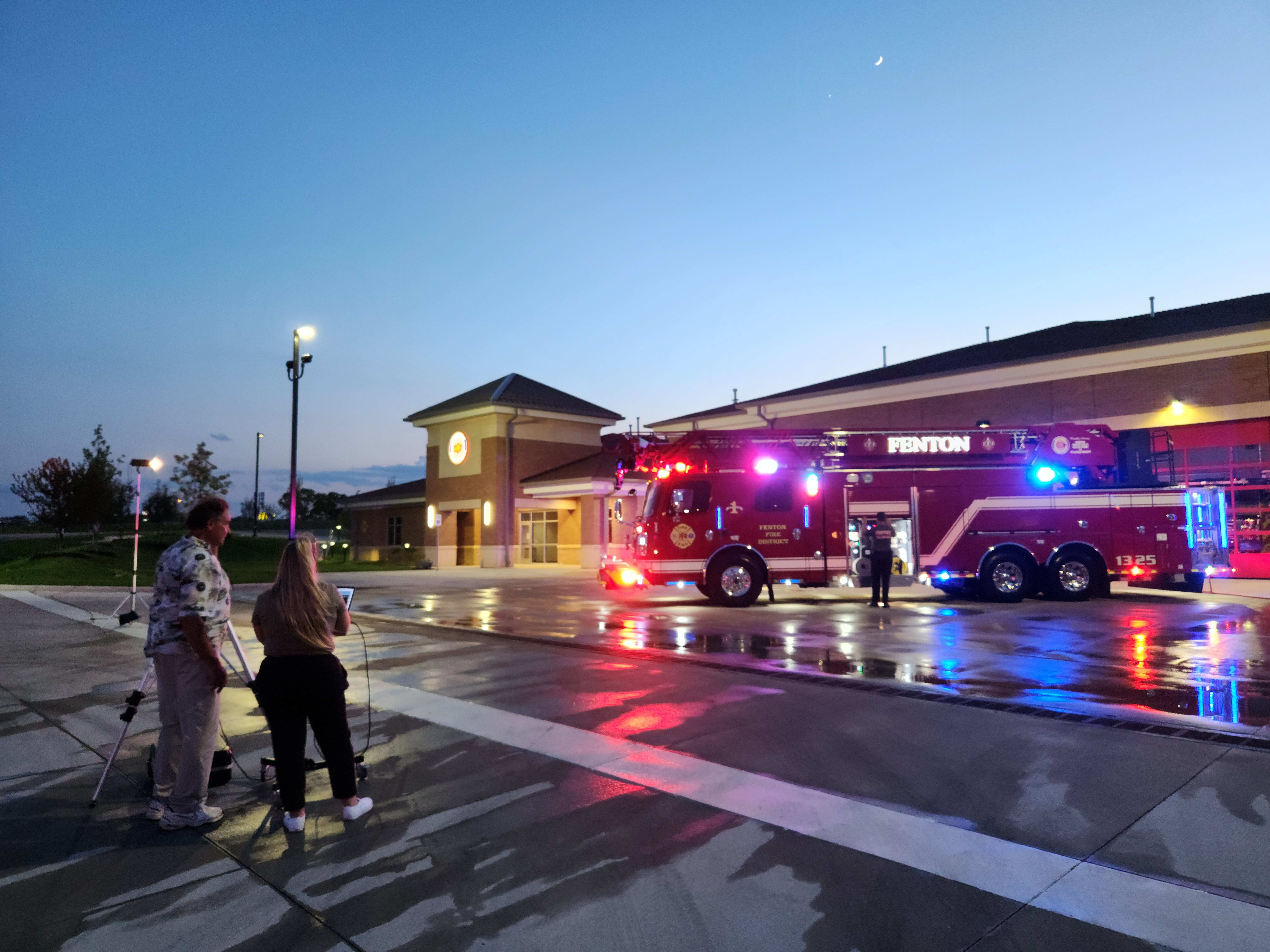
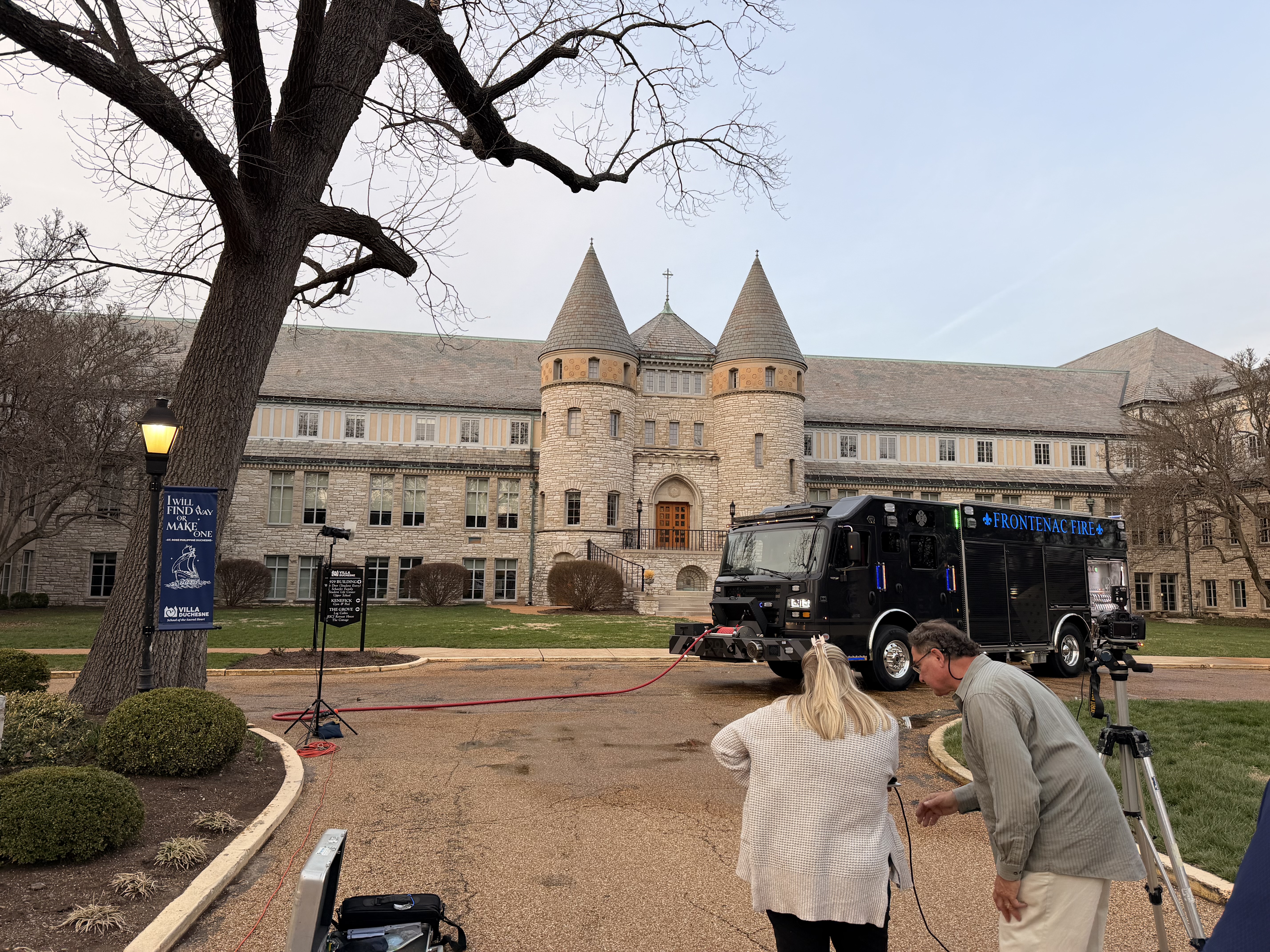
Location Photography Adds Context and Personality
While studio production offers control, location photography and video can provide context. For many professional service firms, the work environment is part of the brand.
An attorney may benefit from a formal office or conference room setting. A physician may need a clean clinical environment. A consultant may want a modern workspace. An architect or engineer may need project-related visuals. A financial advisor may want a setting that communicates stability and trust.
The right location can make the content feel more authentic and specific to the firm. The key is making sure the location is properly lit, composed, and directed so it enhances the message rather than distracting from it.
Consistency Helps Larger Teams Look More Professional
Professional service firms often grow over time, which can create a visual branding problem. New employees get added to the website, older headshots remain in place, different photographers are used, and the team page starts to look inconsistent.
A consistent photography system solves this problem. It establishes a repeatable style for lighting, background, cropping, wardrobe guidance, and final delivery. This makes future updates easier and keeps the firm’s visual identity organized.
For firms with multiple offices or changing staff, a documented visual approach can be especially valuable.
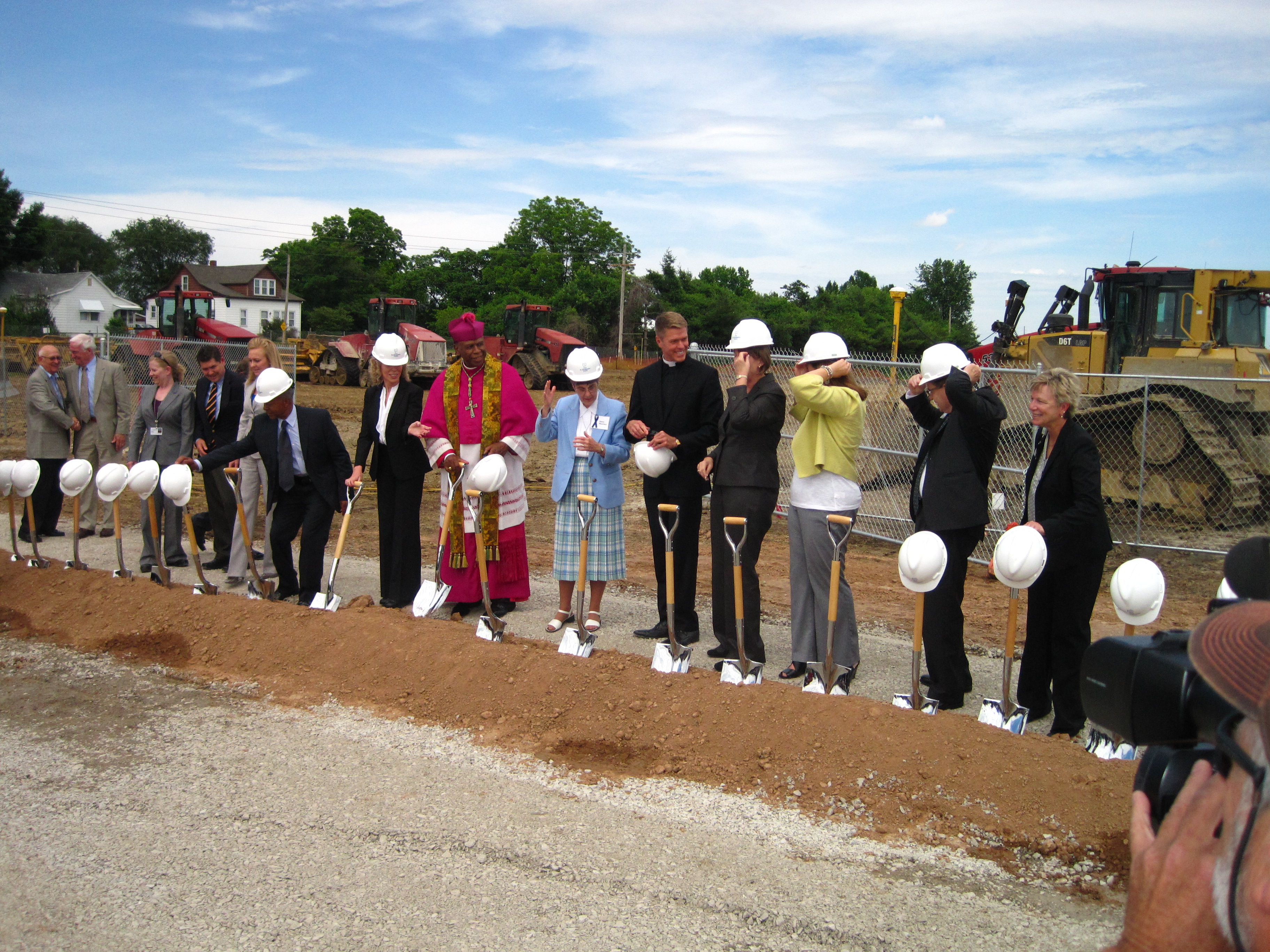
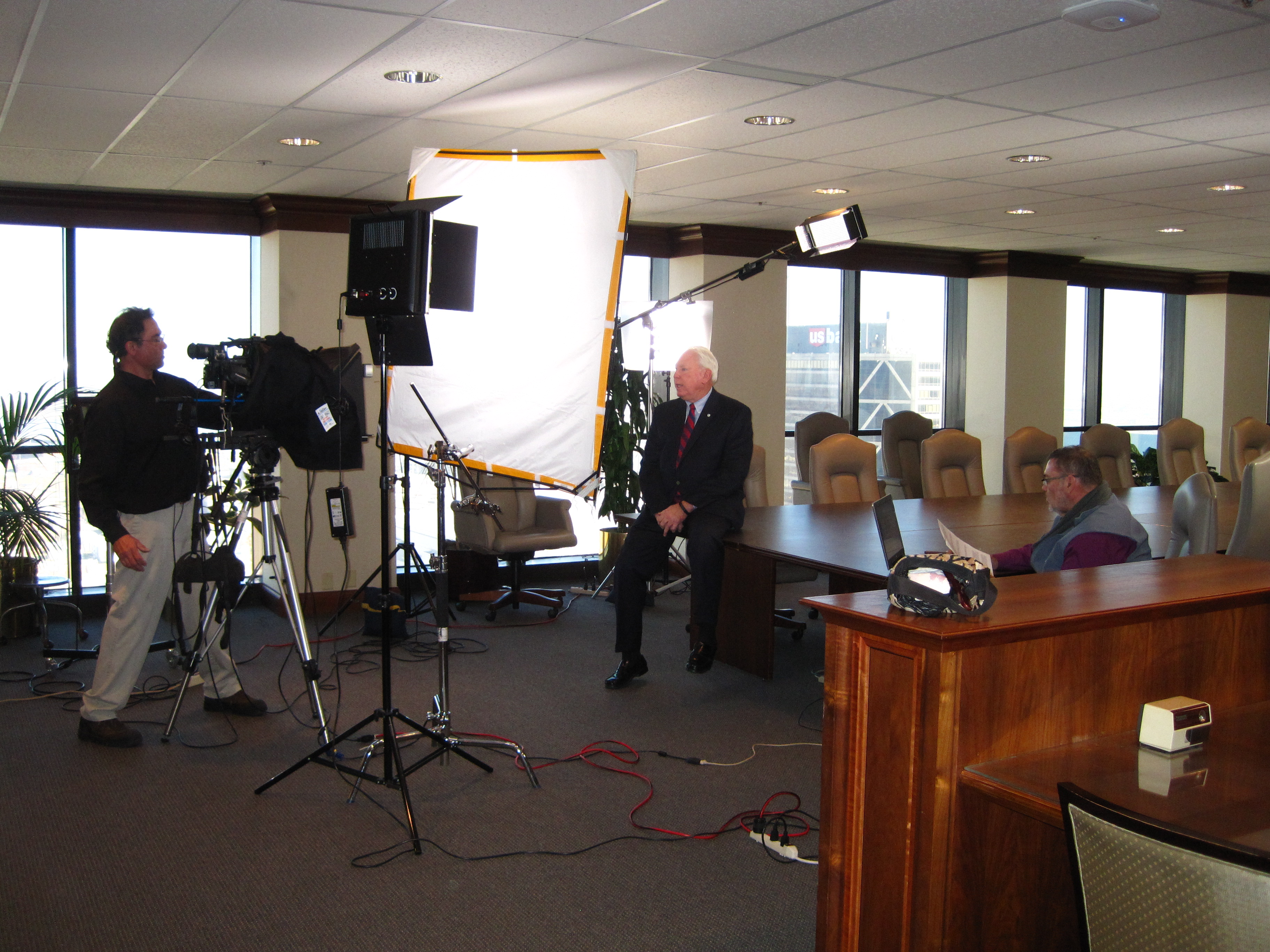
Video Clips Help Professionals Become More Visible Experts
Professional service providers often have deep knowledge, but that expertise is not always visible to the market. Short video clips can turn internal knowledge into public-facing authority.
A professional can answer common questions, explain a process, comment on industry changes, introduce a service, or provide a simple educational insight. These clips can then be shared across LinkedIn, websites, email campaigns, and social platforms.
This type of content supports thought leadership without requiring a full-scale commercial production every time. With the right production plan, one recording session can produce multiple short, polished clips.
Repurposing Increases the Return on Production
Repurposing is one of the smartest ways to get more value from professional photography and video.
A single headshot session may provide formal portraits, social media crops, website images, speaker photos, and press images. A single video interview may produce a website video, multiple short clips, vertical social media versions, quote graphics, captions, still frames, and written content based on the transcript.
For professional service firms, this means one production can support business development, recruiting, client education, public relations, and brand awareness.
The more intentional the shoot, the more useful the final content becomes.
What Professional Service Firms Should Capture
A strong media library for a professional services company should include a practical mix of still photography and video.
Recommended assets include:
Updated professional headshots
Consistent team portraits
Environmental portraits
Leadership images
Short-form video clips
Website introduction videos
FAQ videos
Office and workplace b-roll
Vertical video clips for social media
Recruiting visuals
Branded interview footage
Exterior and interior location shots
Edited clips with captions and graphics
These assets give your firm the flexibility to communicate consistently across every major platform.
Quality Matters Because Trust Matters
Professional service firms are asking clients to trust them with important decisions. The quality of your photography and video should support that trust.
Good production does not happen by accident. It requires lighting, composition, camera selection, sound control, direction, posing, editing, file preparation, and an understanding of how the content will actually be used.
A polished headshot and a well-produced video clip can help your firm look more credible, more approachable, and more prepared. In competitive professional markets, that matters.
How St Louis Photography Studio Helps Professional Service Firms
St Louis Photography Studio is an experienced full-service professional commercial photography and video production company with the right equipment, creative crew service experience, and production knowledge required for successful image acquisition. We provide full-service studio and location video and photography, along with editing, post-production, and licensed drone services.
St Louis Photography Studio can customize productions for diverse types of media requirements, whether your firm needs executive headshots, team portraits, website photography, short social media clips, interview videos, recruiting content, b-roll, or branded visual assets for ongoing campaigns. Repurposing your photography and video branding to gain more traction is another specialty, helping your firm get more value from every production.
We are well-versed in all file types, media styles, and accompanying software, and we use the latest in Artificial Intelligence for our media services where it supports better production, organization, editing, enhancement, and delivery. Our private studio lighting and visual setup is ideal for small productions, executive portraits, professional interviews, and controlled social media video sessions. Our studio is large enough to incorporate props, branded elements, furniture, and set pieces to round out your visual environment.
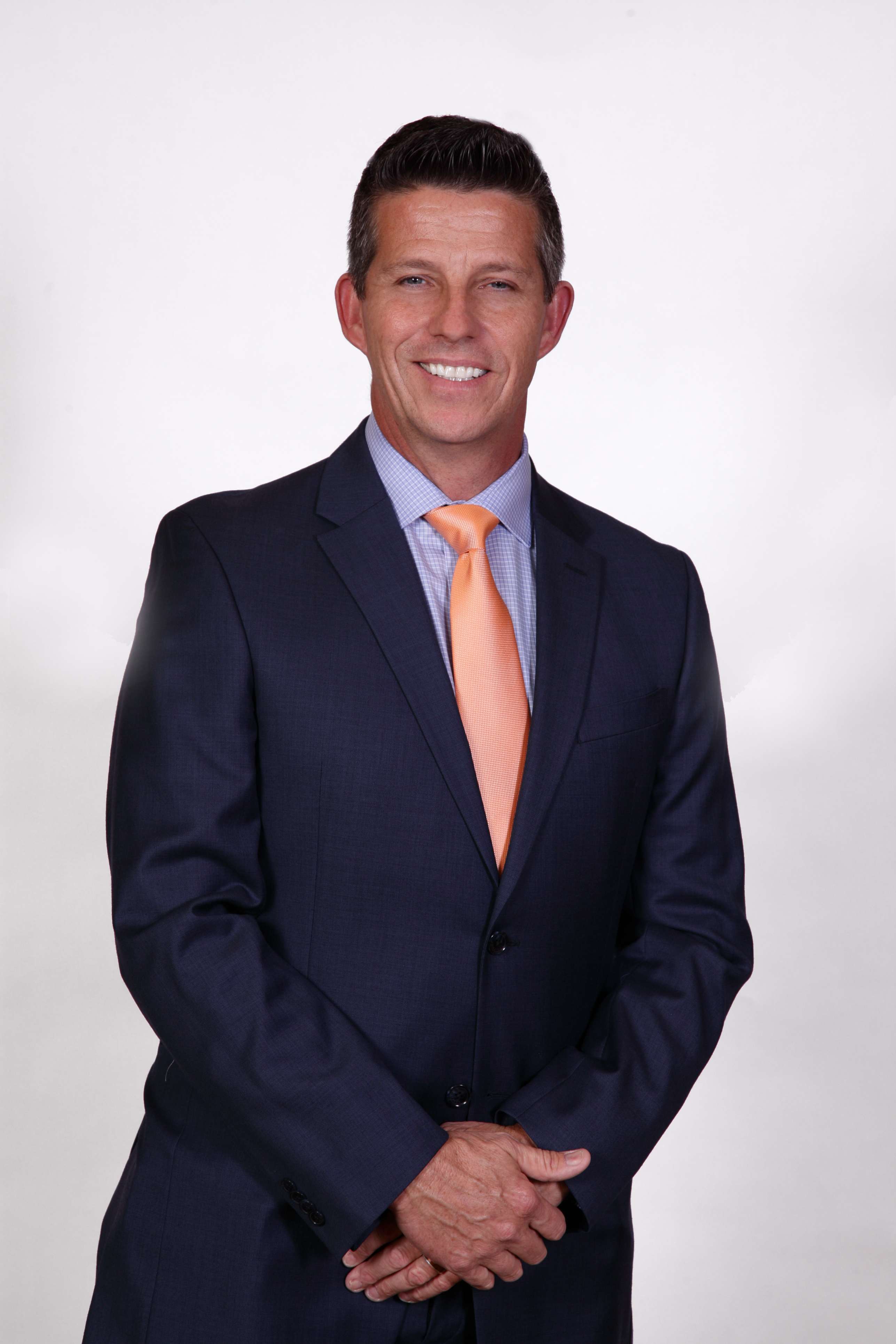
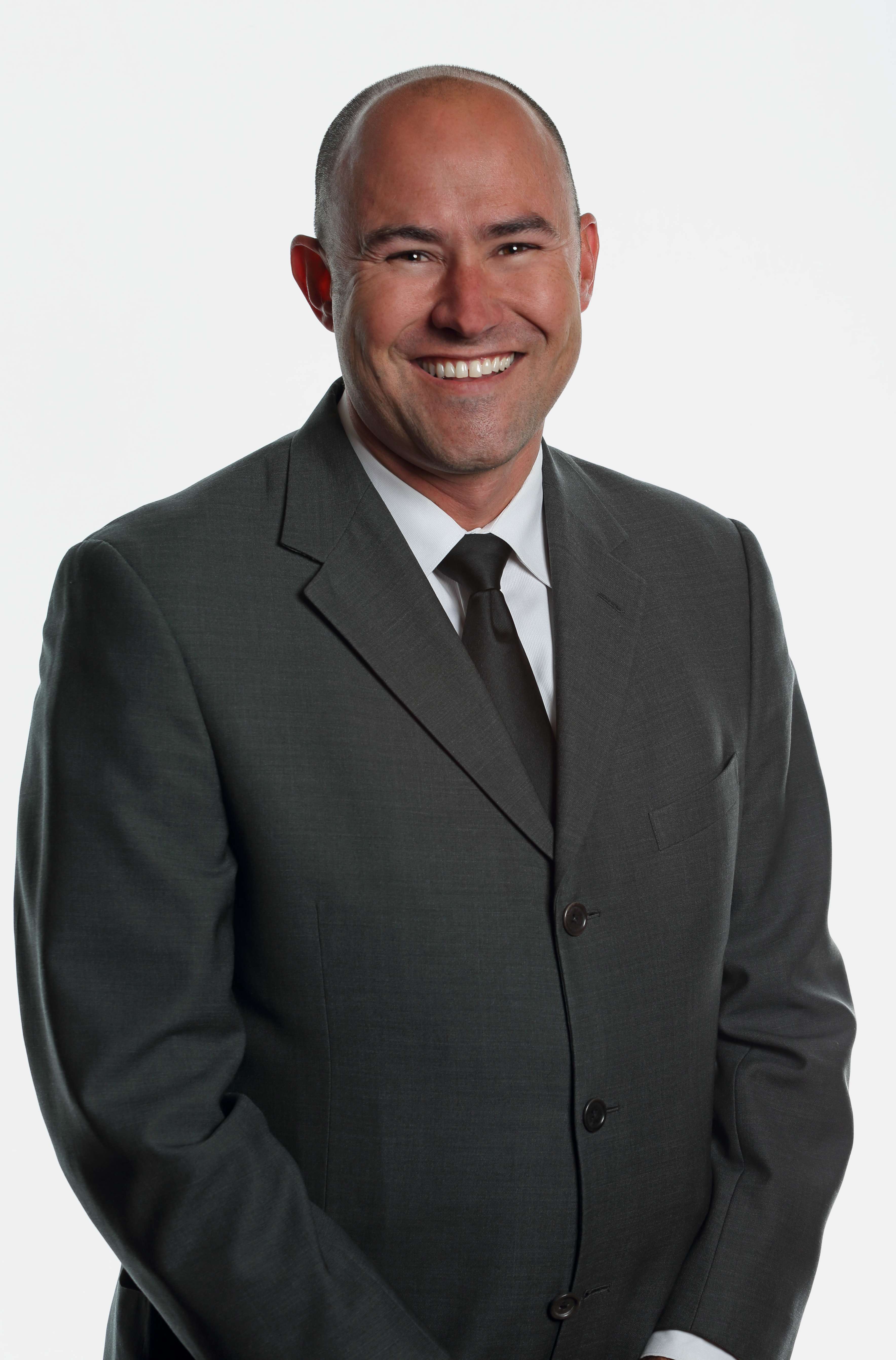
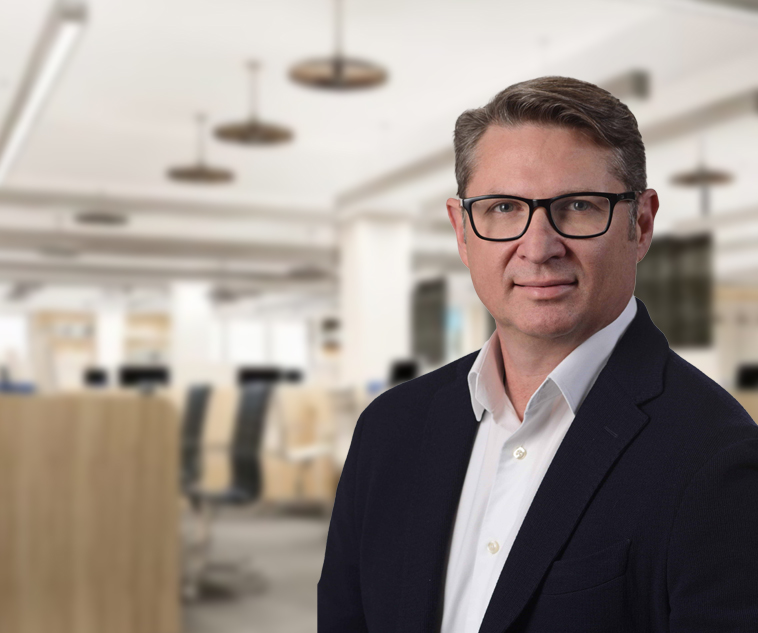

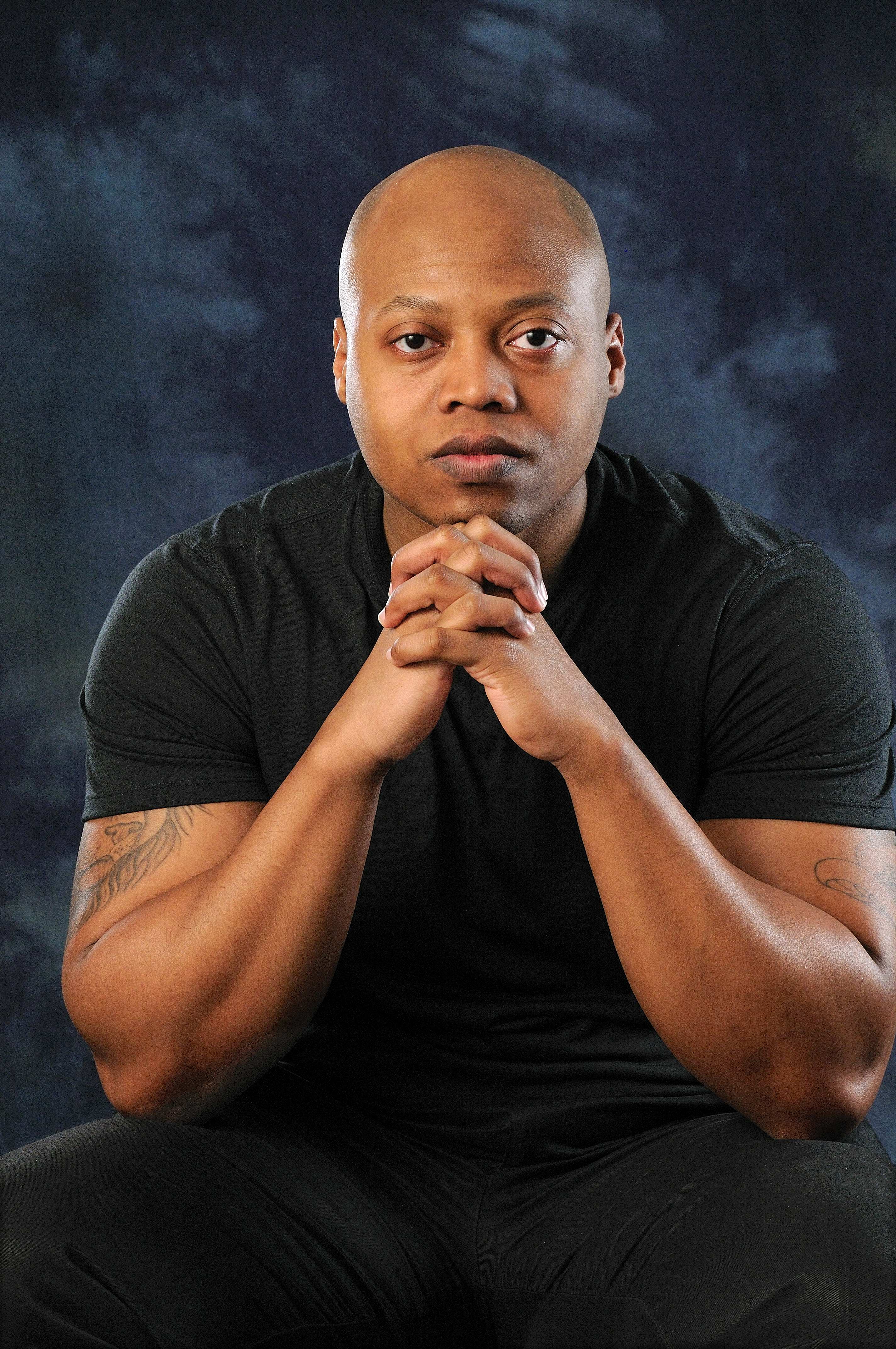
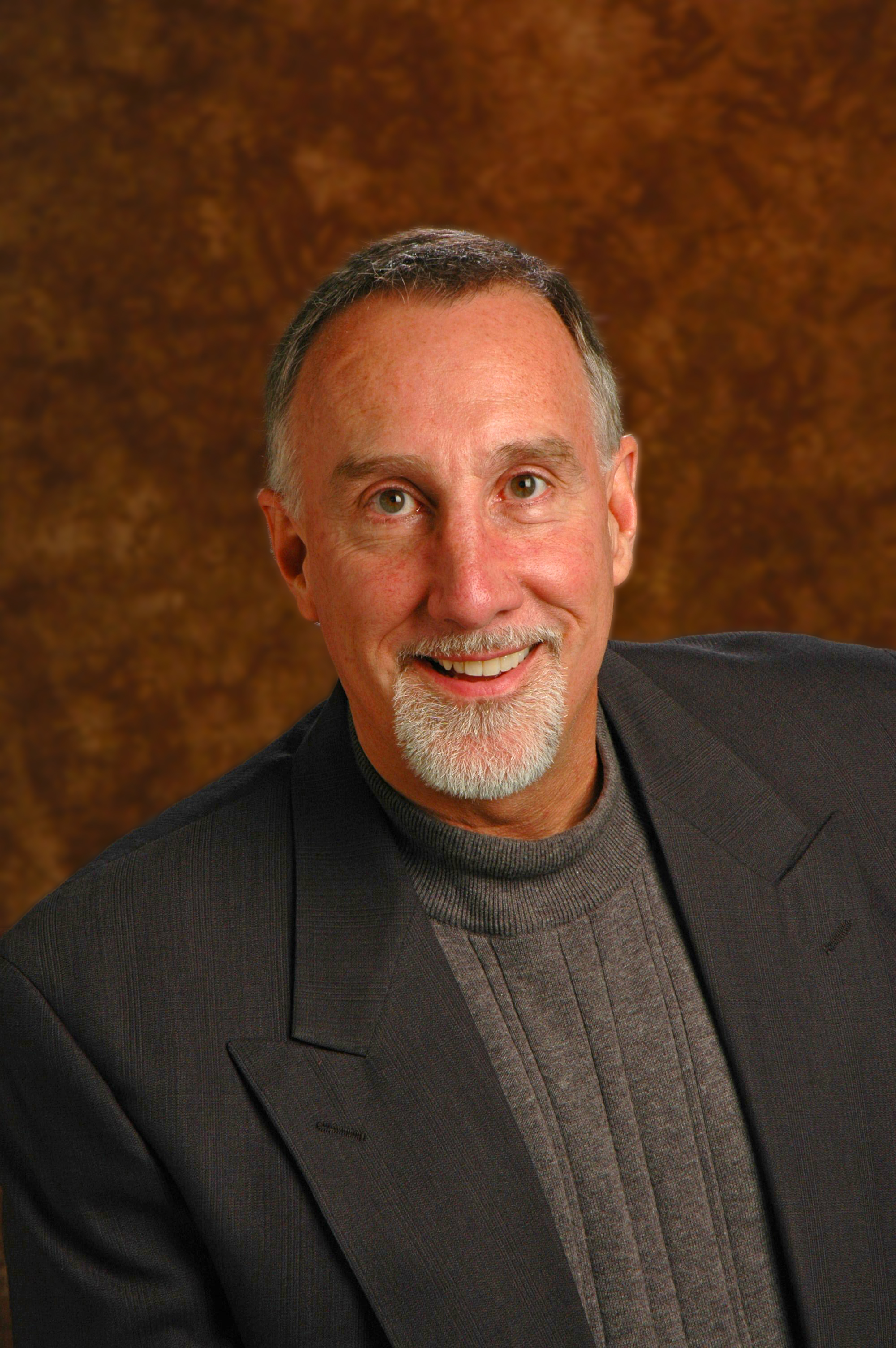
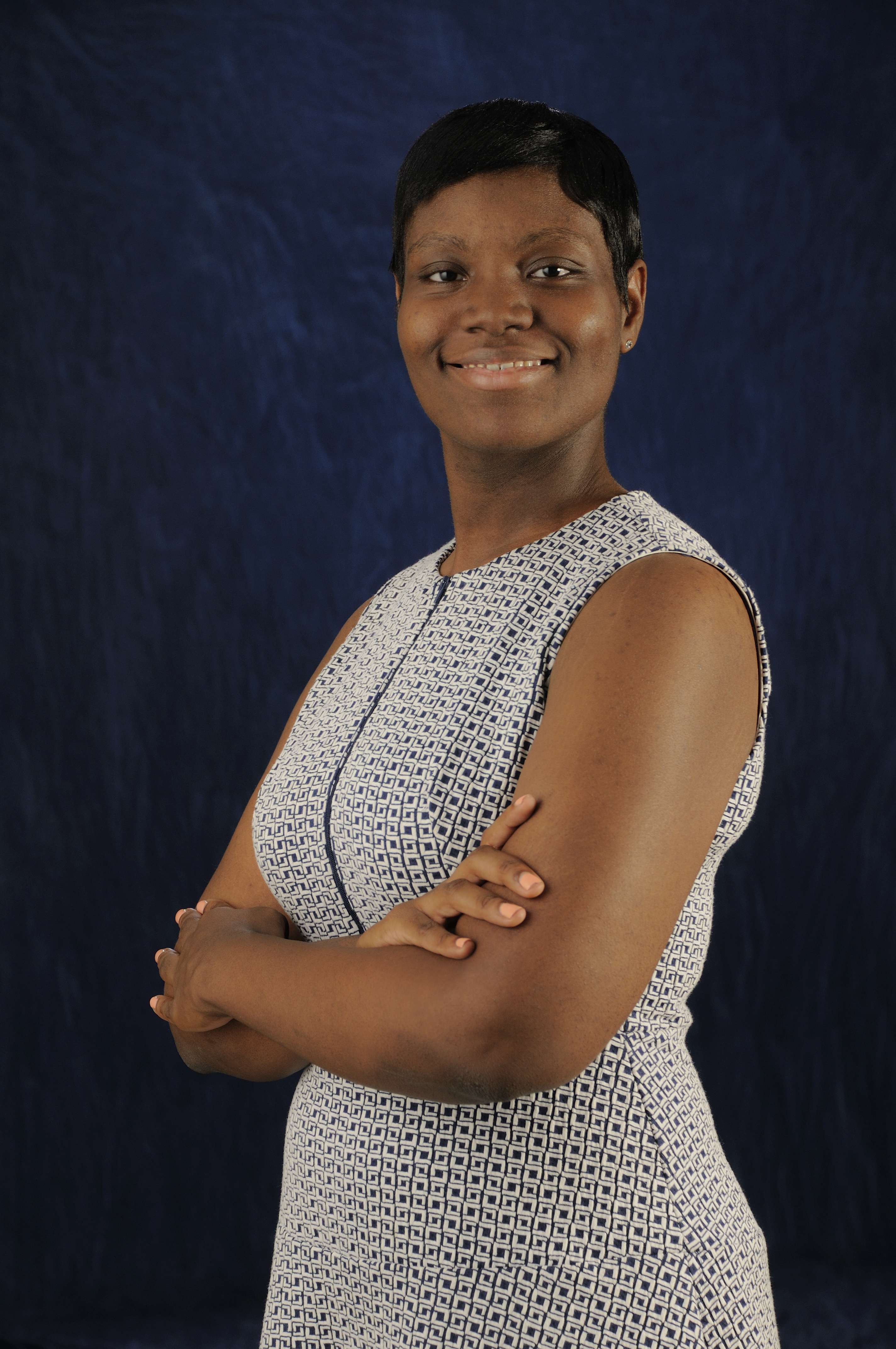
We support every aspect of your production, from setting up a private custom interview studio to supplying professional sound and camera operators, providing the right equipment, directing talent, capturing b-roll, and preparing polished deliverables for web, social media, advertising, internal communications, and presentations. We are location scouting and b-roll specialists, and we can also fly specialized FPV drones indoors when a project calls for dynamic movement and a distinctive visual perspective.
Additional drone special services include infrared thermal imaging, orthomosaics, and LiDAR for commercial, industrial, inspection, mapping, documentation, and specialized imaging needs.
As a full-service video and photography production corporation serving the St. Louis area since 1982, St Louis Photography Studio has worked with businesses, marketing firms, and creative agencies to produce professional marketing photography and video. For professional service firms, the right headshots and video clips can strengthen credibility, improve social media visibility, support recruiting, and give decision makers a stronger reason to trust your brand before the first conversation begins.
Economical Studio Photography in St. Louis
For businesses and organizations that need strong visuals without overspending, studio photography remains one of the most practical and efficient ways to create polished marketing assets. While location shoots often have their place, studio photography offers a level of control, consistency, and cost efficiency that can make it the smarter choice for many projects. For decision makers responsible for marketing, branding, recruiting, communications, and content production, understanding the real value of economical studio photography in St. Louis can help stretch budgets without sacrificing quality.
The idea of “economical” studio photography is sometimes misunderstood. It does not mean cheap-looking imagery or cutting corners. It means making smart production decisions, minimizing waste, reducing unnecessary variables, and creating assets that work harder across multiple platforms. Done well, economical studio photography is not just affordable. It is strategic.
Why Studio Photography Is Often the More Economical Choice
When organizations begin planning a photography project, the first impulse is often to shoot on location. There are certainly cases where this is appropriate, especially when the environment itself is central to the story. But many businesses discover that a studio setting can reduce costs in several important ways.
A studio environment removes many of the unpredictable factors that add time and expense to a production. Weather is not a concern. Changing natural light is not a concern. Background distractions, room availability, ambient noise, parking issues, and logistical delays are dramatically reduced. When those variables disappear, the production moves faster and more efficiently.
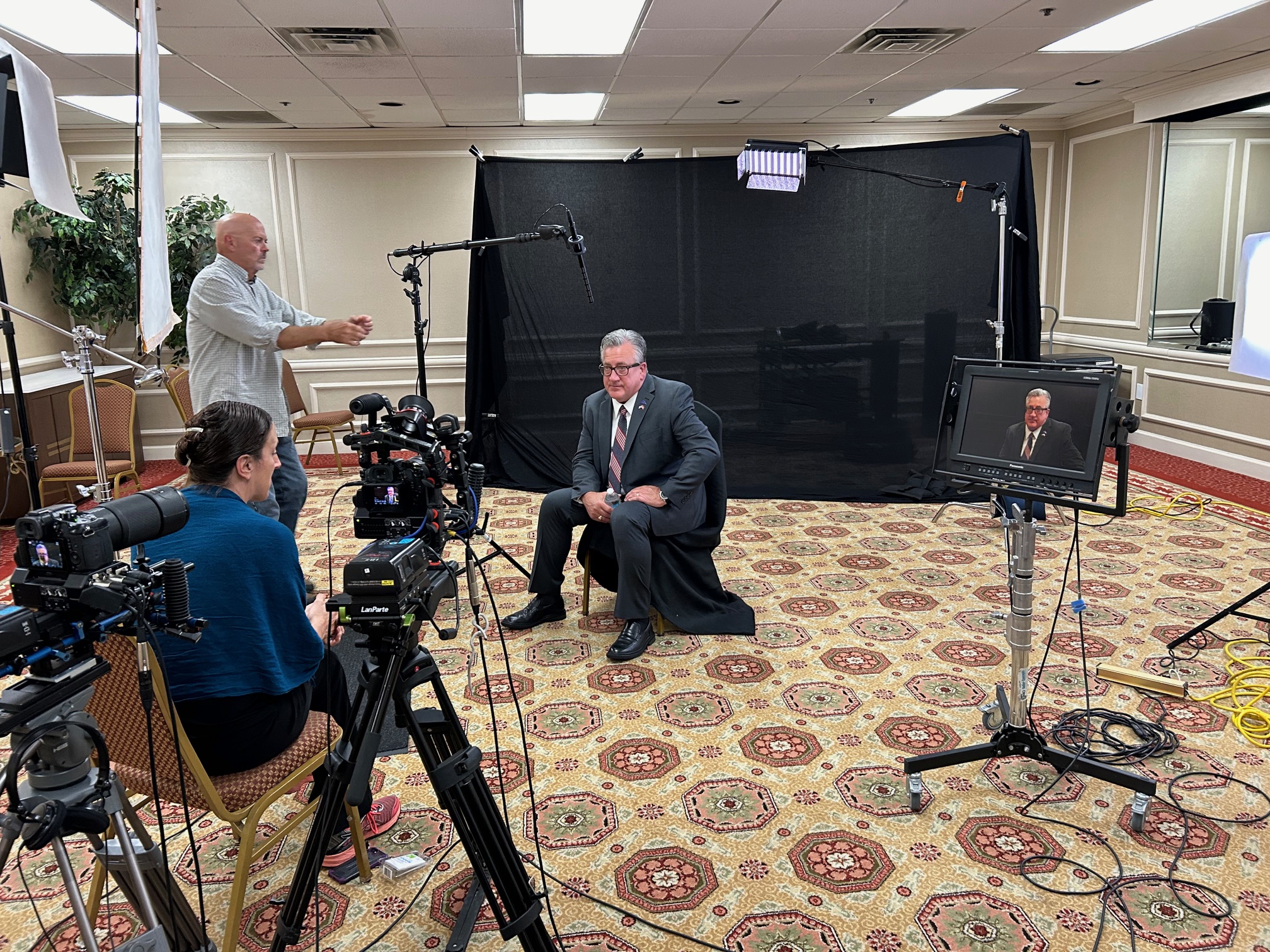
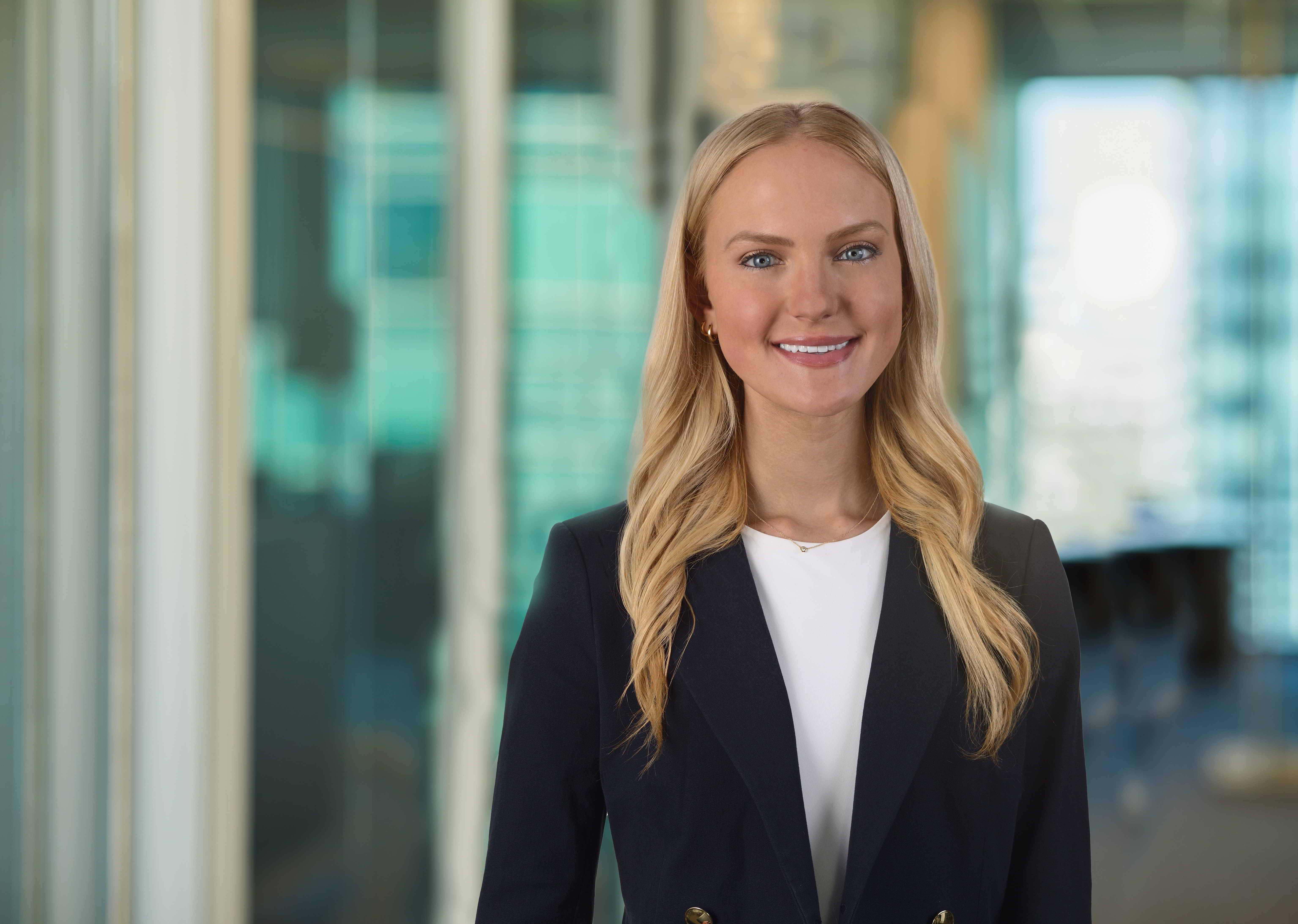
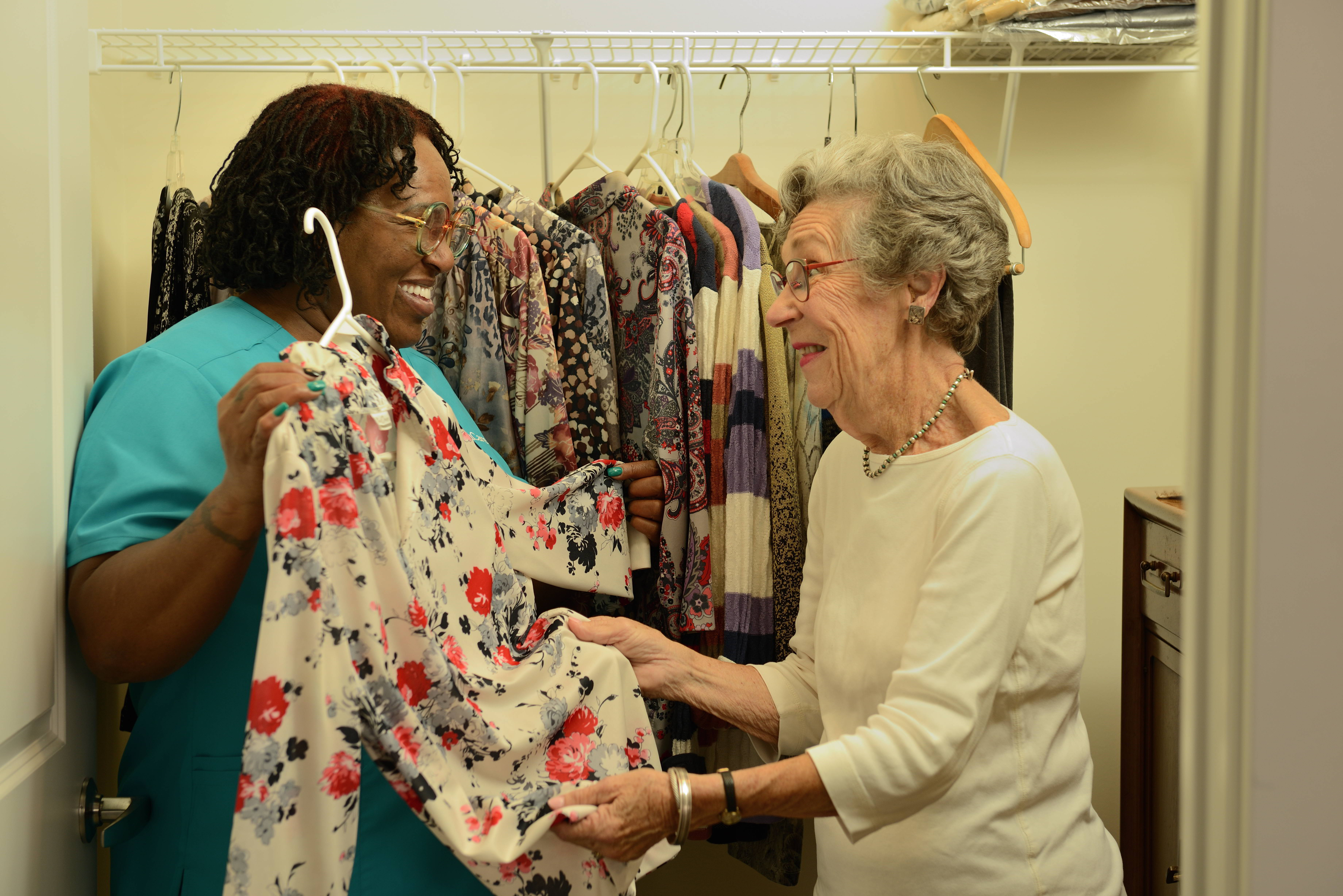
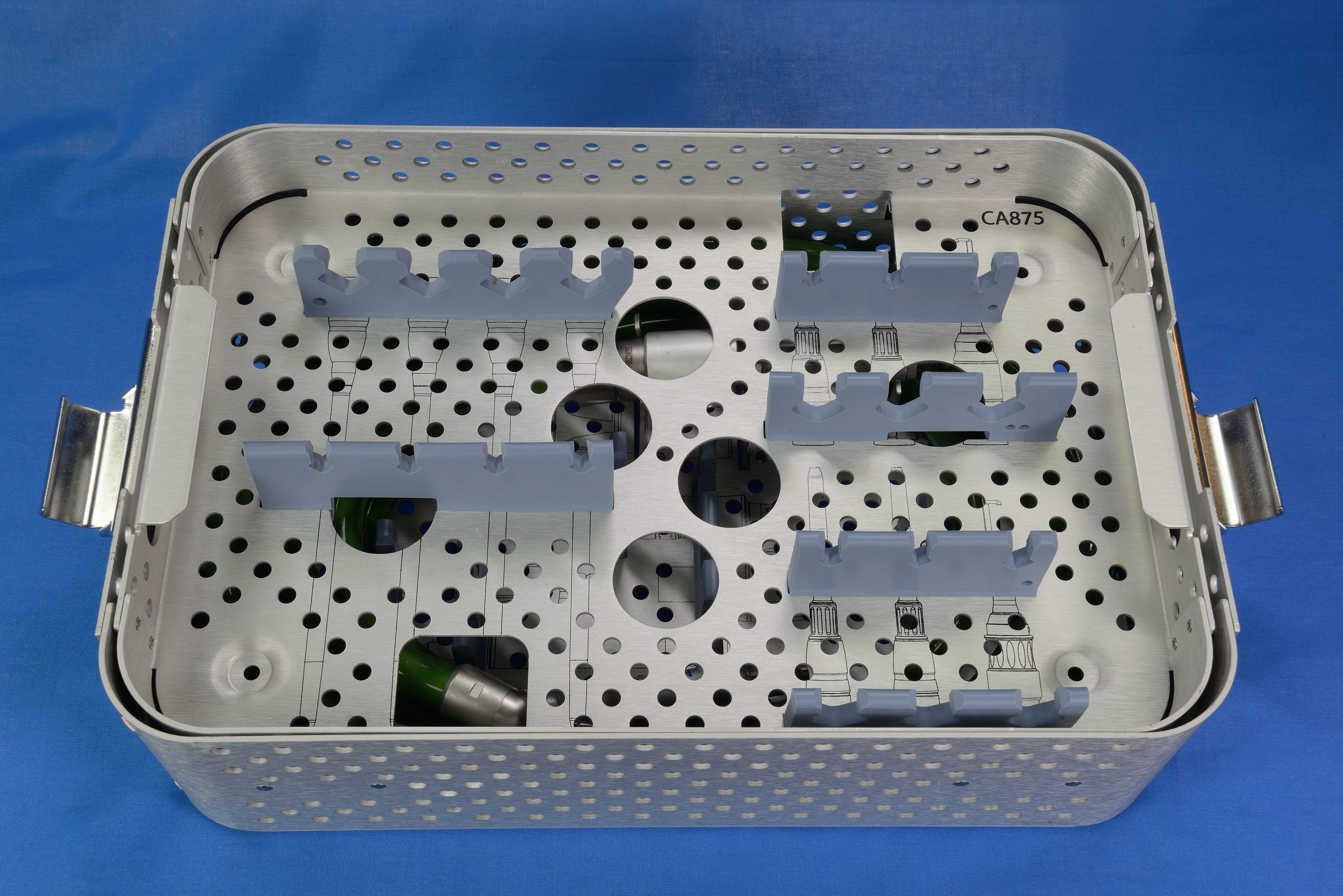
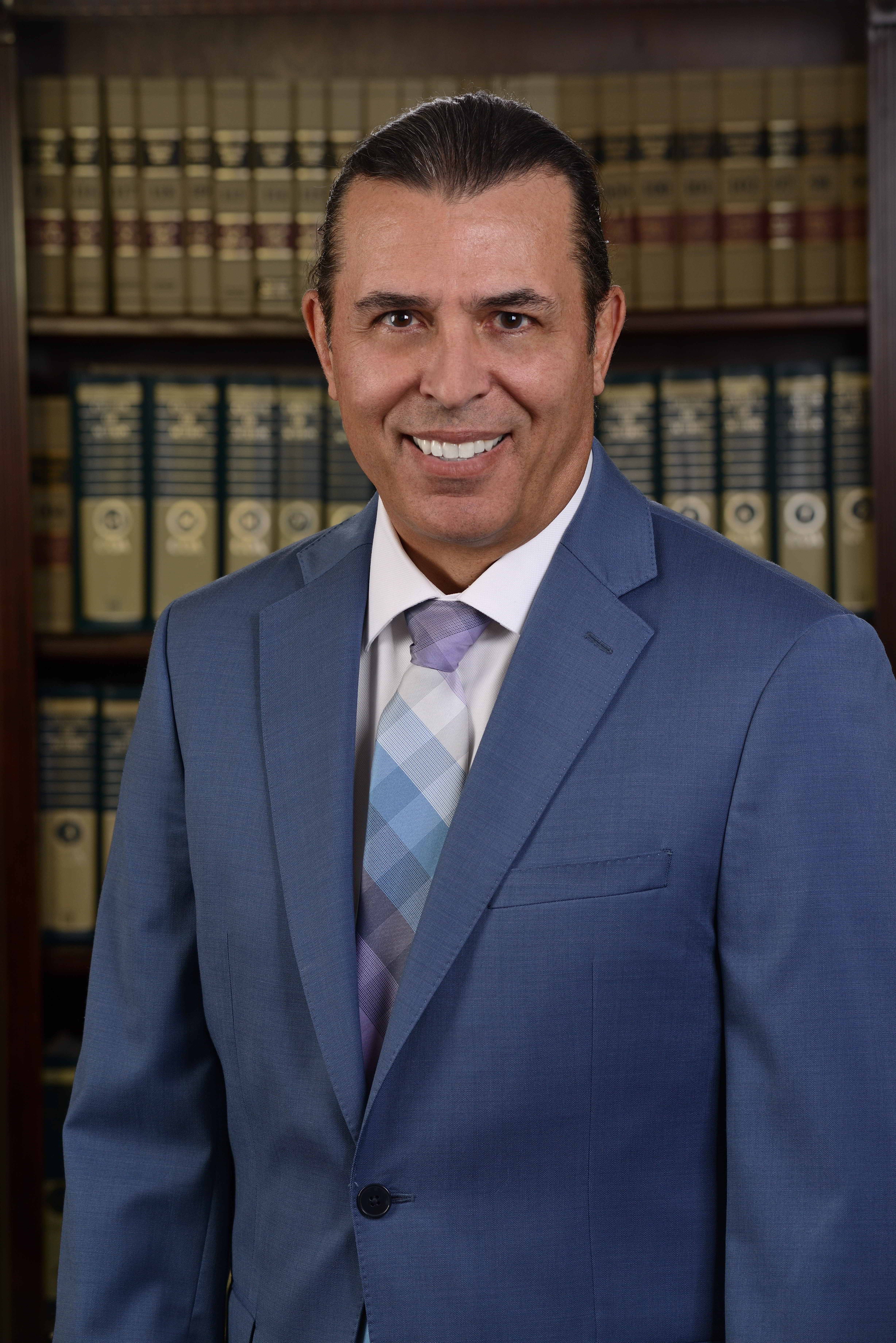
That efficiency matters. Time on set is one of the biggest cost drivers in any photo production. A well-equipped studio allows the crew to work with precision, maintain a consistent setup, and move from one subject or product to another with fewer interruptions. That translates into more useful final images within the same production window.
Controlled Lighting Means Better Results, Faster
Lighting is one of the biggest reasons studio photography delivers value. In a studio, lighting can be built intentionally for the subject rather than compromised by the environment. This gives businesses a cleaner, more refined final result while also speeding up the production process.
For example, executive portraits, team headshots, product photography, interview stills, thought leadership campaigns, and advertising visuals all benefit from repeatable lighting setups. Once the look is dialed in, it can be maintained from frame to frame and person to person. That consistency is difficult to achieve in many office or outdoor environments.
This matters for brand standards. Marketing departments often need imagery that looks unified across a website, brochure, digital ads, social media campaigns, internal communications, and sales collateral. A studio setup makes that consistency much easier to achieve, which reduces the need for corrective editing and reshoots later.

Studio Photography Helps Businesses Produce More in Less Time
An economical studio shoot is often about consolidation. Rather than planning multiple small shoots throughout the year, many organizations can save money by bundling content creation into one well-organized studio session.
A single production day may cover:
- executive portraits
- team headshots
- product photography
- marketing lifestyle scenes
- branded social content
- interview stills
- website banner imagery
- recruitment campaign visuals
This is where studio photography becomes especially economical. Instead of repeatedly coordinating schedules, setting up temporary shooting spaces, and solving the same production problems over and over, businesses can create a large volume of usable content in one streamlined session.
That approach also improves return on investment. The more ways a company can use the final assets, the more cost-effective the shoot becomes.
Economical Does Not Mean Generic
Some decision makers worry that studio photography may feel sterile or too plain. That only happens when the concept is underdeveloped. A strong studio shoot does not have to feel generic. In fact, a good studio team can create a surprising amount of visual variety while still keeping the production efficient.
Backdrop choices, lighting styles, lens selection, set design, props, brand colors, furniture elements, and composition all influence the final look. A studio can produce modern, corporate, dramatic, warm, minimal, high-key, low-key, editorial, or highly branded imagery depending on the creative direction.
This flexibility makes studio photography especially valuable for organizations that need a polished visual identity but also want to maintain budget discipline. The studio becomes a controlled creative space where the team can build exactly what the project needs.
Ideal Uses for Economical Studio Photography

Studio photography is especially effective for organizations that need high-quality images on a recurring basis. Some of the most common and cost-effective applications include the following.
Corporate Headshots and Team Portraits
Headshots are often one of the most efficient studio investments a company can make. Strong portraits elevate websites, proposals, speaker bios, press kits, recruiting materials, LinkedIn profiles, and internal communications. A studio environment keeps the look professional and consistent while allowing a large number of people to be photographed efficiently.
Product Photography
For businesses selling physical goods, studio product photography is essential. A controlled setting allows products to be lit properly, isolated cleanly, and photographed from multiple angles. This creates versatile assets for ecommerce, catalogs, trade show graphics, advertising, and packaging.
Thought Leadership and Brand Campaigns
Executives, founders, and key team members often need a deeper library of branded imagery than a basic headshot. Studio sessions can create polished environmental portraits, concept-driven visuals, speaking images, and editorial-style assets that support long-term content marketing.
Interview and Video Support Assets
Many video projects also need still photography. During a studio-based interview production, it is often highly economical to capture supporting stills at the same time. This gives marketing teams a consistent set of visuals for thumbnails, promotional graphics, blog headers, social media, and PR use.
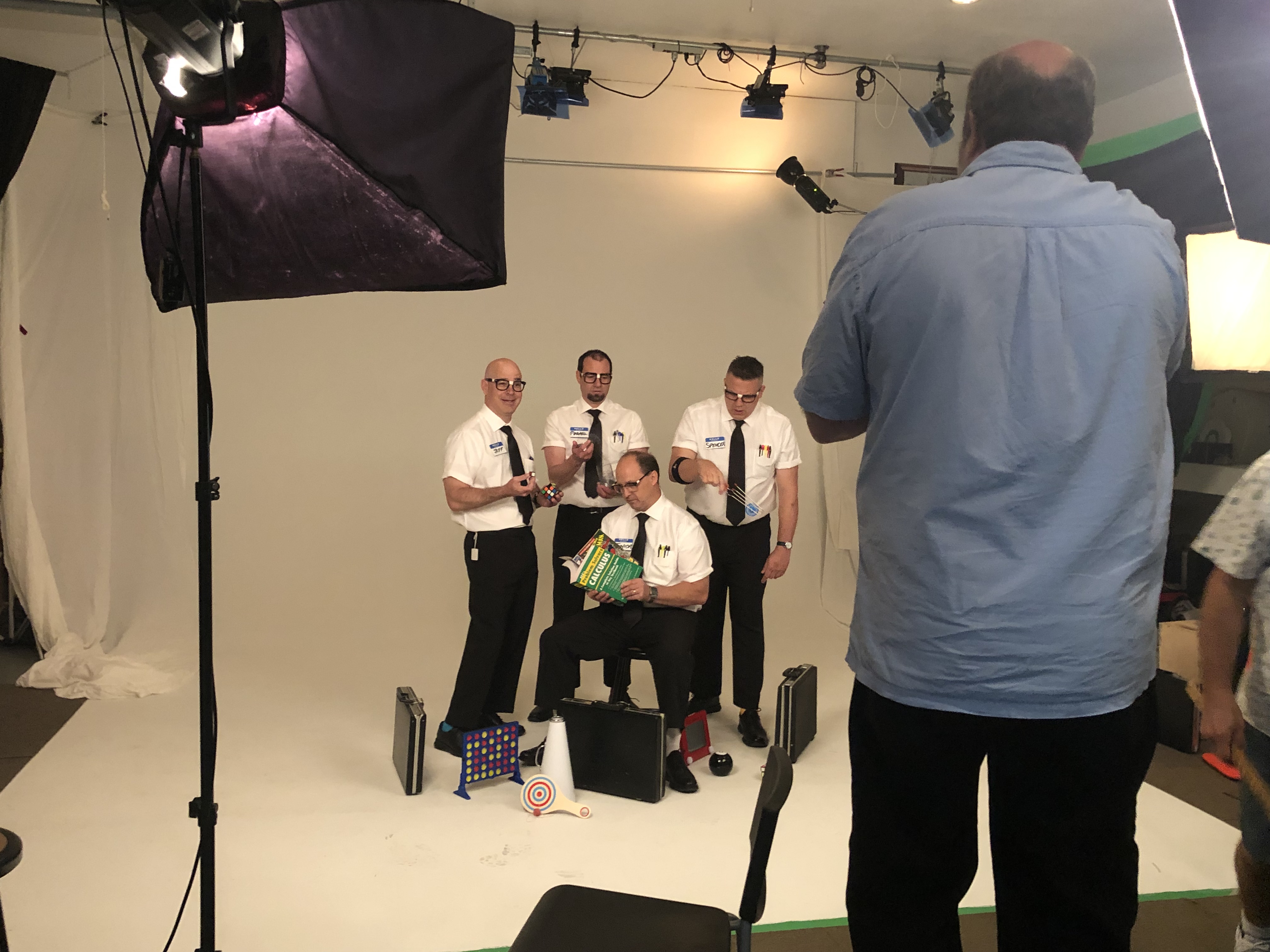
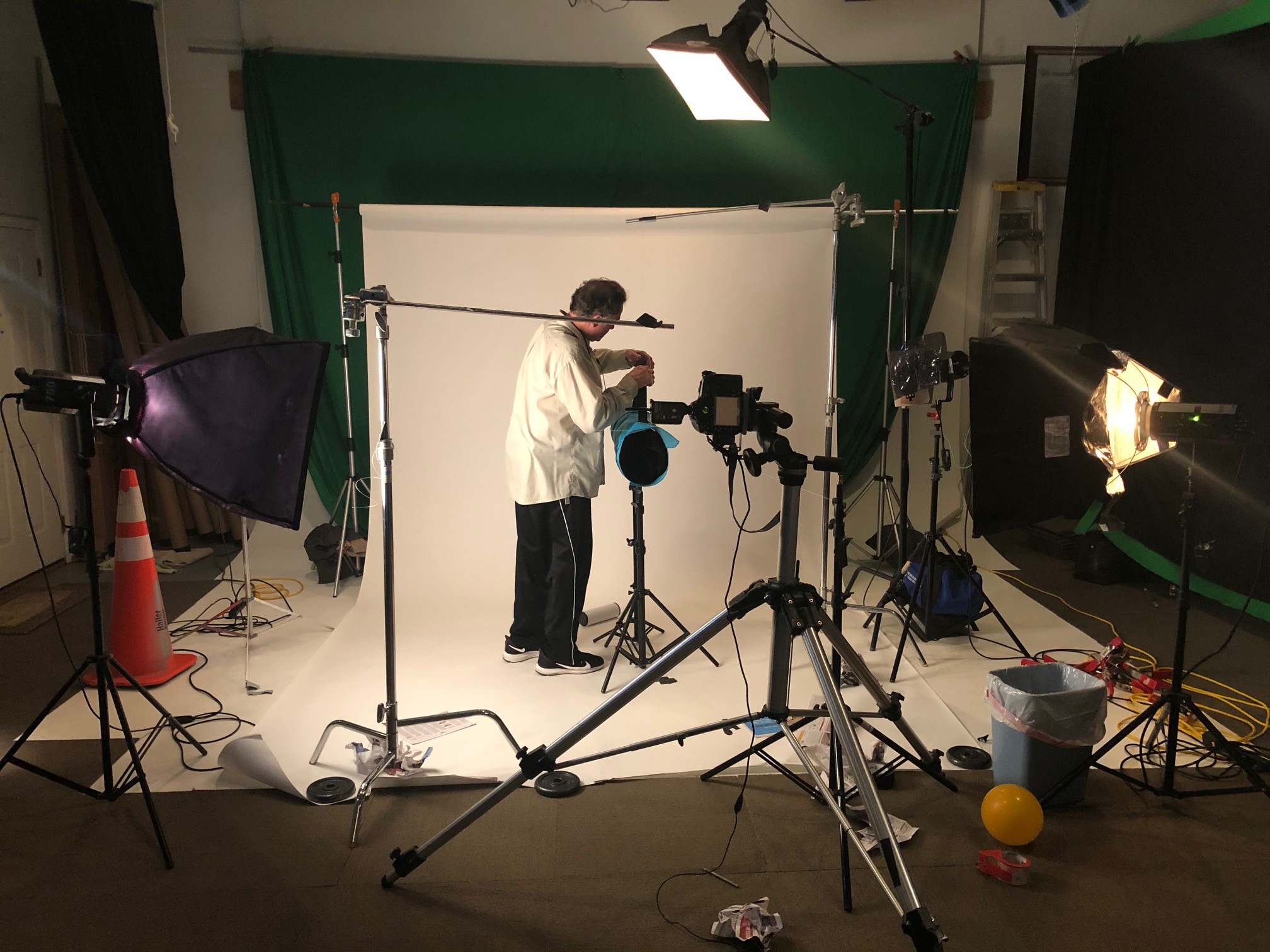
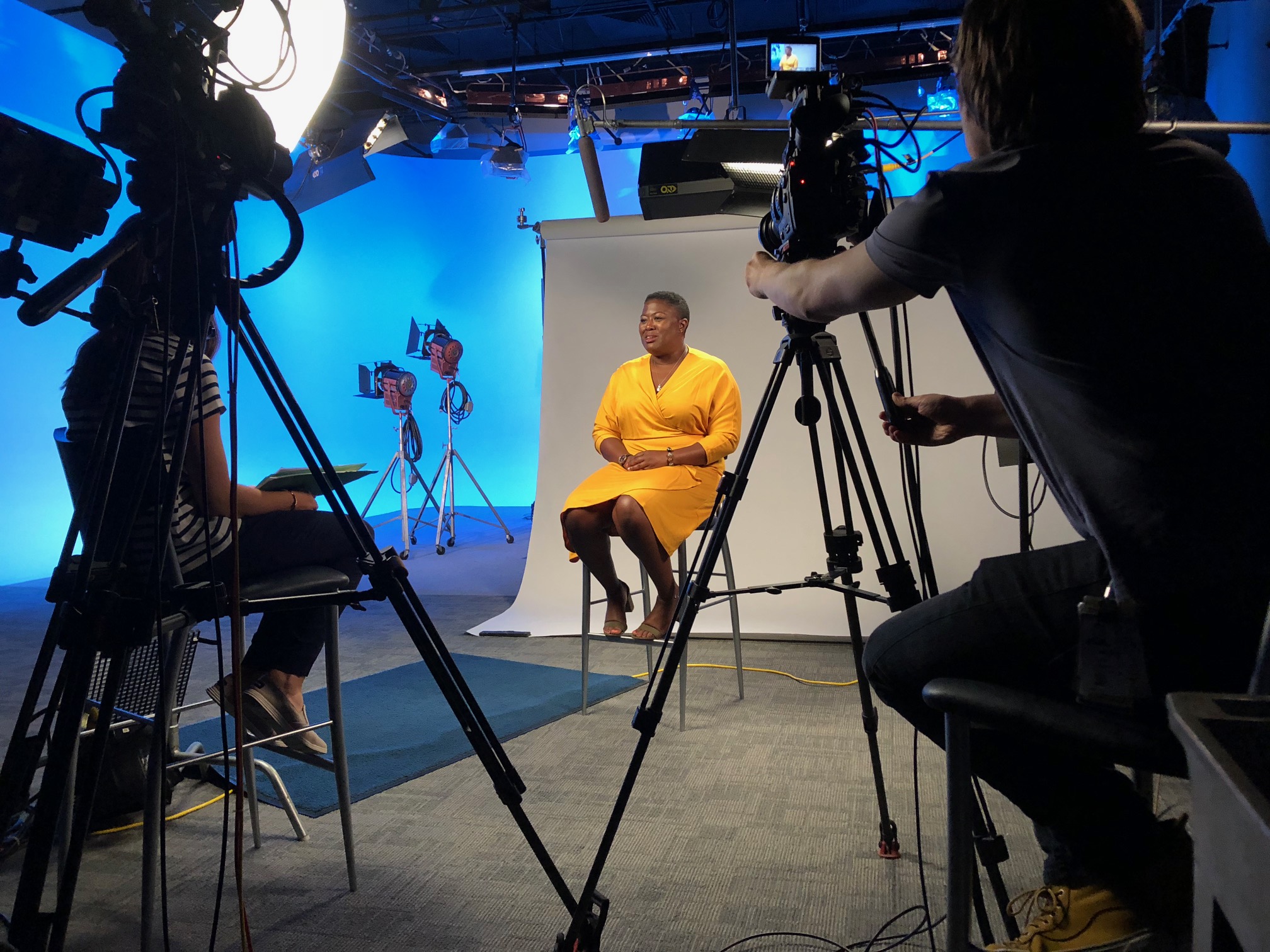
Recruitment and Culture Imagery
Studio photography can also help businesses shape how they present their culture. Even when a company wants a more authentic or approachable look, a studio offers a clean environment to create controlled lifestyle imagery that aligns with brand standards and recruiting goals.
Smart Planning Is What Makes Studio Photography Economical
The economics of studio photography depend heavily on pre-production. The more organized the shoot, the better the value. This is where experienced producers make a significant difference.
A well-planned studio project starts with clear goals. What does the organization need the images to accomplish? Who is the audience? Which platforms will the content support? What brand standards must be reflected? Which deliverables matter most?
From there, the production can be structured to avoid wasted time. Shot lists can be organized logically. Talent schedules can be staggered efficiently. Wardrobe changes can be limited to what adds real value. Sets can be designed to maximize variation without adding unnecessary complexity.
Economical photography is rarely about lowering standards. It is about making informed creative and logistical decisions that produce more useful assets with fewer inefficiencies.
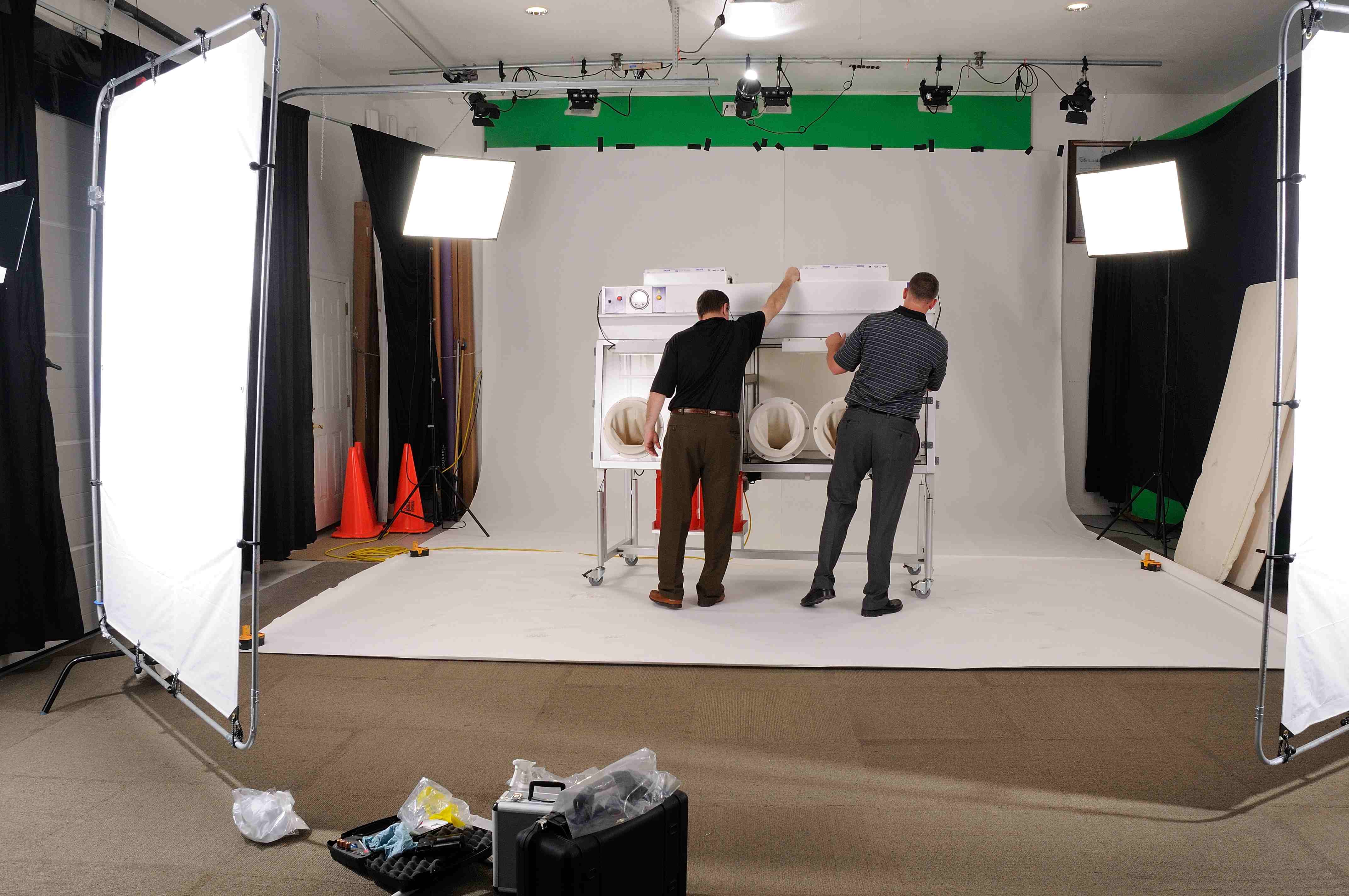

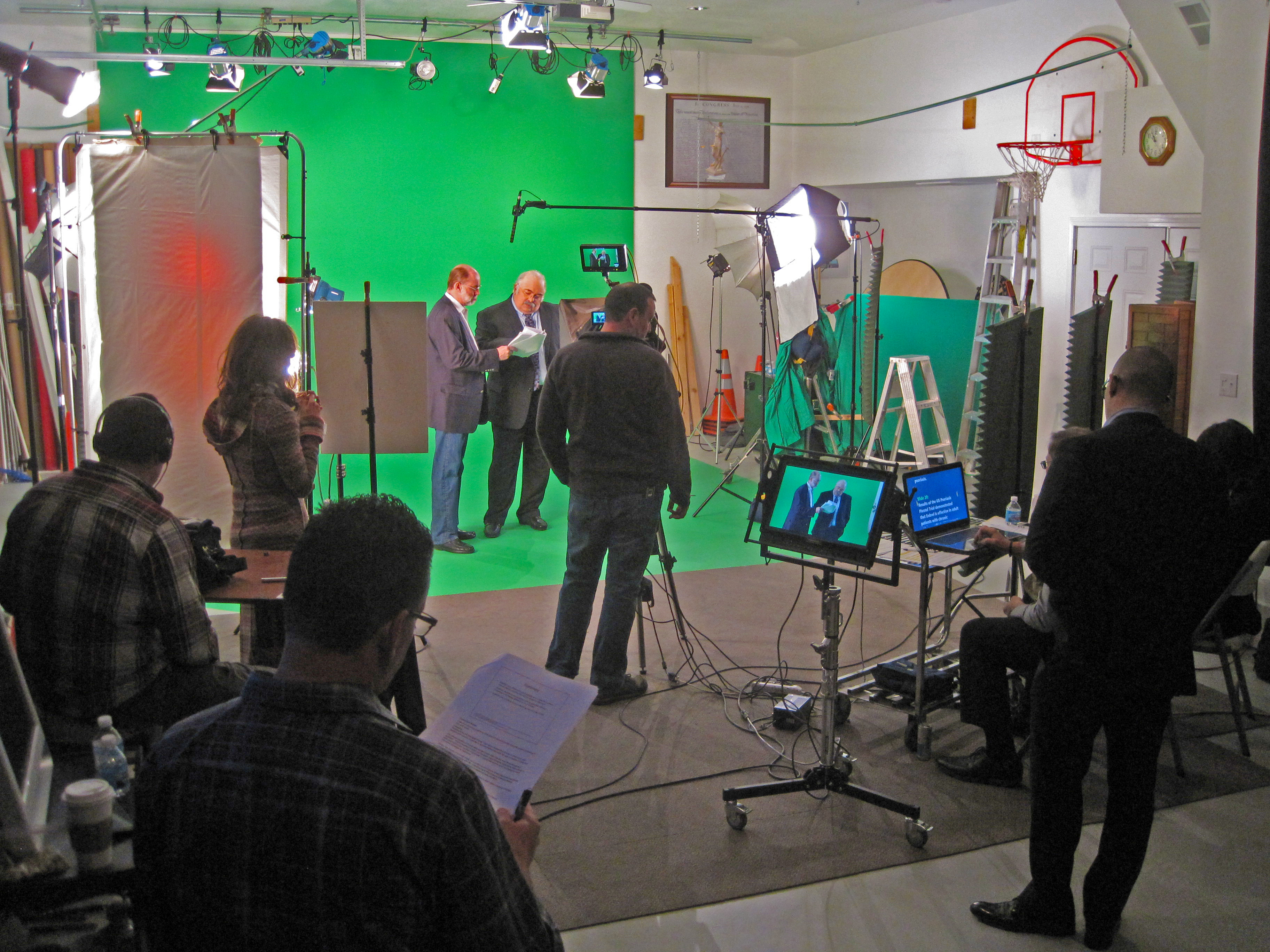
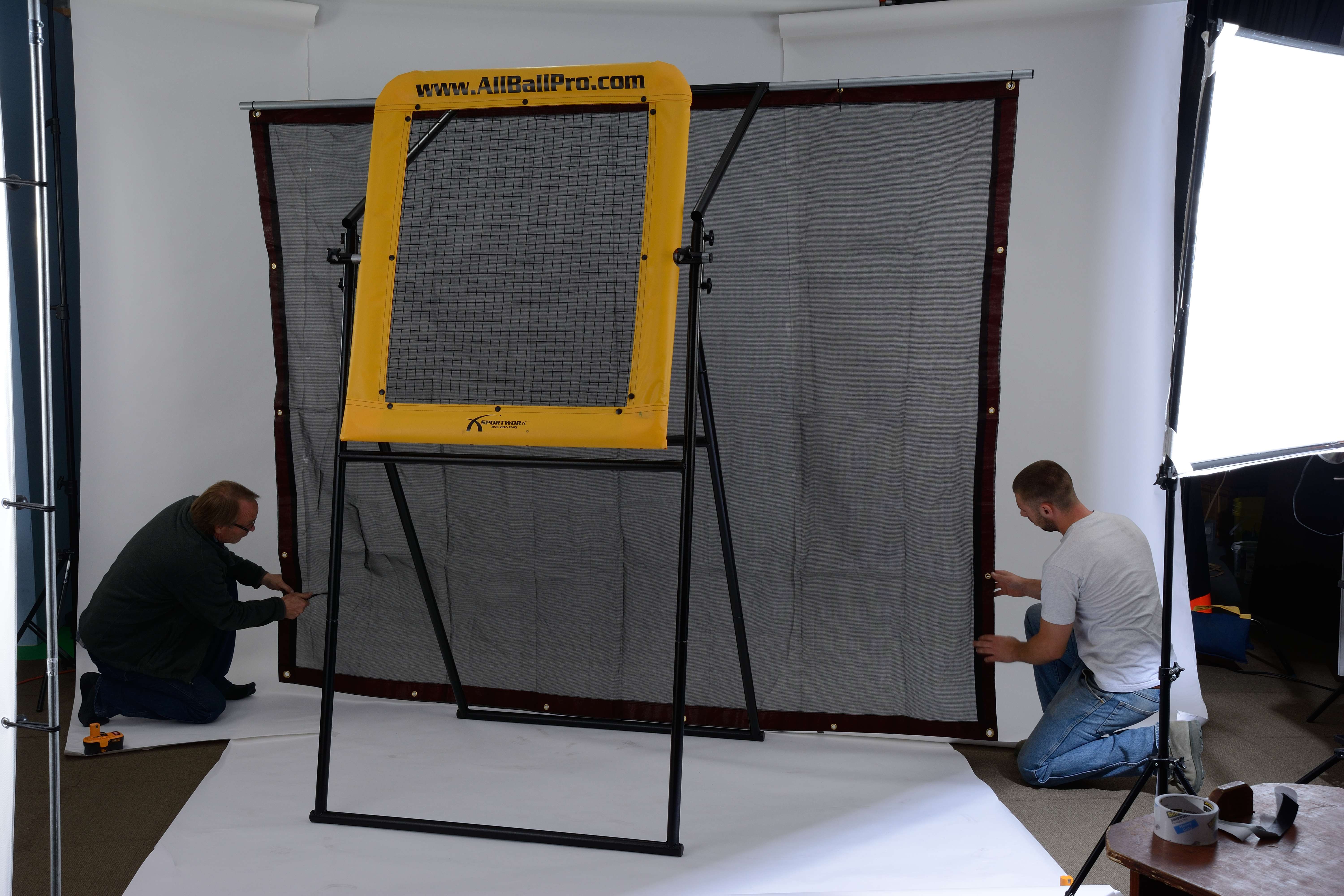
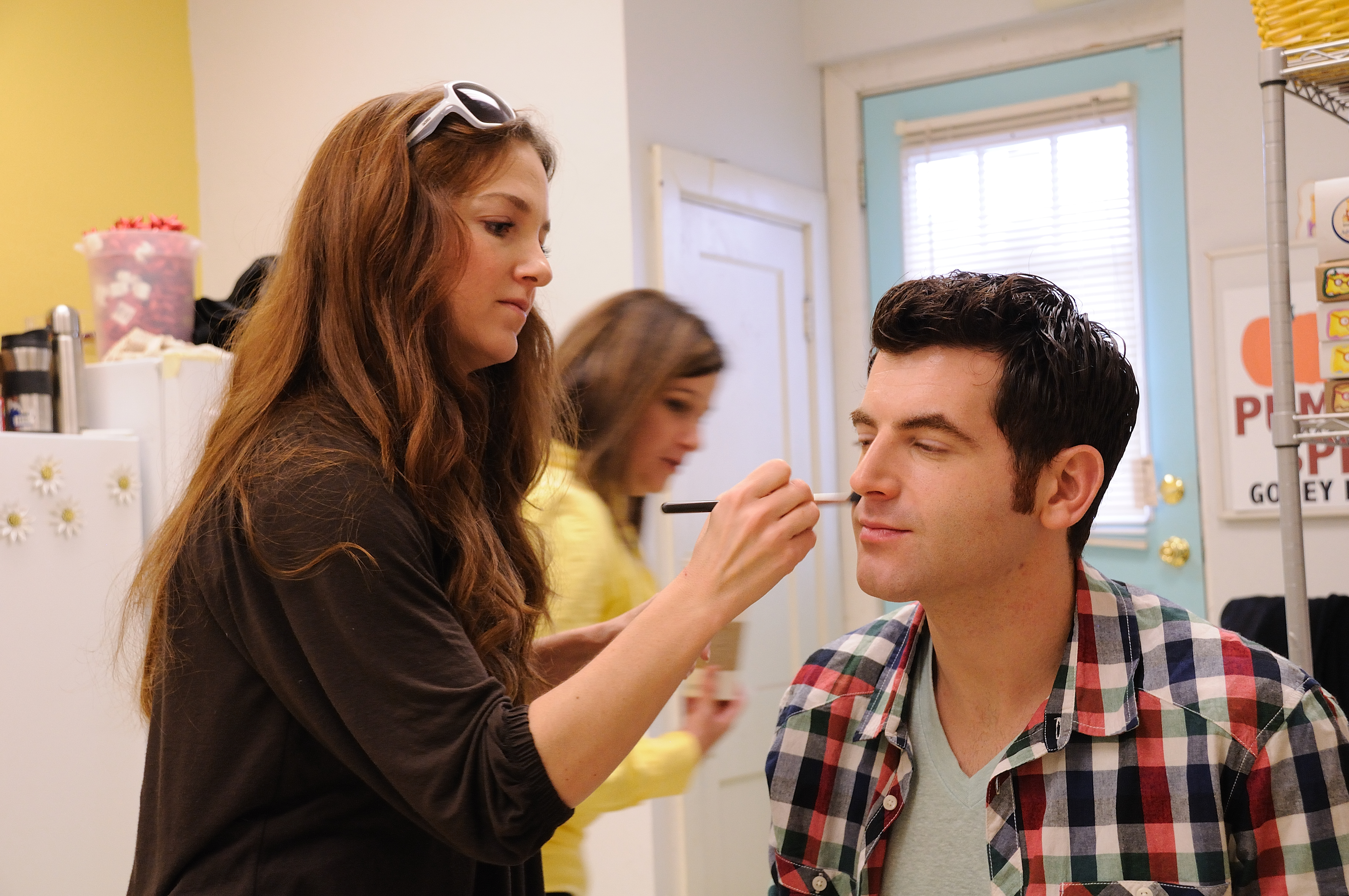
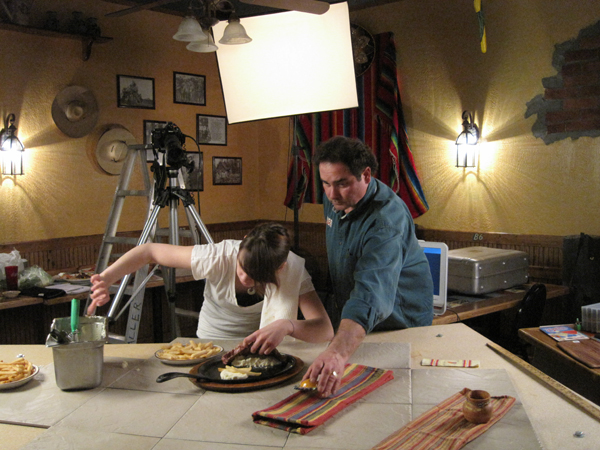
The Hidden Costs of “Do-It-Yourself” Photography
Some organizations try to save money by relying on improvised in-office photography, consumer equipment, or inconsistent freelance coverage. While this can appear less expensive upfront, it often produces hidden costs.
Common issues include:
- inconsistent lighting and image quality
- distracting or unflattering backgrounds
- poor color accuracy
- limited retouching flexibility
- weak composition
- lack of continuity across campaigns
- reshoots caused by preventable technical problems
These problems do not just affect aesthetics. They affect perception. Weak visuals can make a business appear less established, less detail-oriented, or less trustworthy. In marketing, those perception costs are real.
Professional studio photography avoids those problems and creates a library of assets that can be reused across campaigns, departments, and media channels. That long-term usefulness is one of the clearest reasons studio photography is often the most economical path.
Studio Photography Supports Brand Longevity
Another advantage of studio photography is its shelf life. Well-produced studio images are often more timeless than trend-driven environmental imagery. A clean executive portrait, a polished product image, or a versatile branded still can remain useful for years across multiple formats.
That durability matters to decision makers managing budget cycles and content calendars. When the photography is strategically planned, the business can continue drawing value from the images well after the shoot is over. This lowers the effective cost of the production over time.
The St. Louis Advantage
St. Louis businesses, agencies, and organizations often need a practical balance between quality and budget. They need visuals that compete professionally while still respecting real-world production constraints. Economical studio photography fits that need well.
Whether the project involves updated executive portraits, product imagery, branded marketing content, or a combination of photography and video, a studio-based workflow can help organizations produce strong assets efficiently. For agencies managing multiple clients, marketing teams supporting ongoing campaigns, or businesses preparing for growth, that efficiency is more than a convenience. It is a competitive advantage.
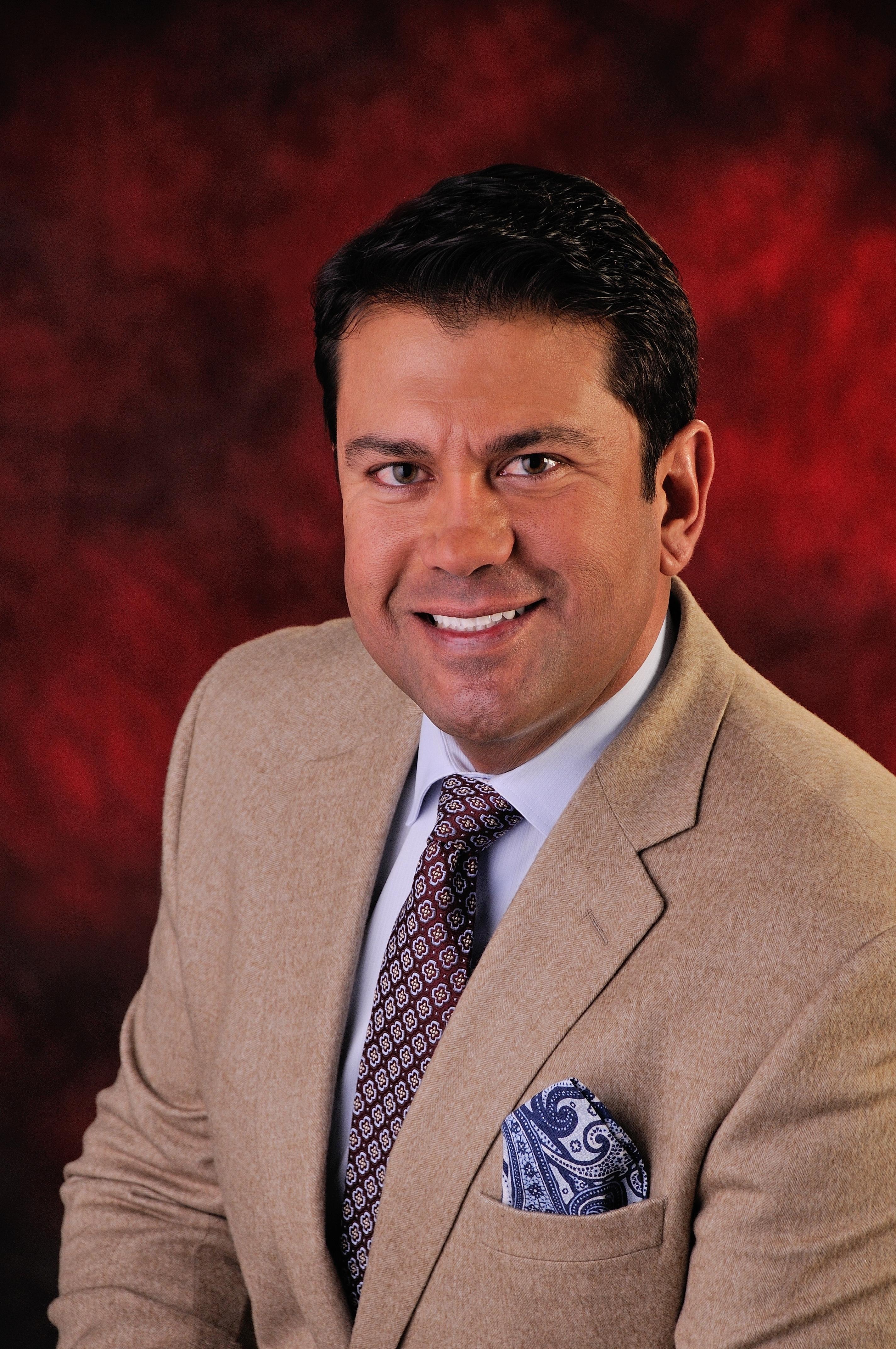
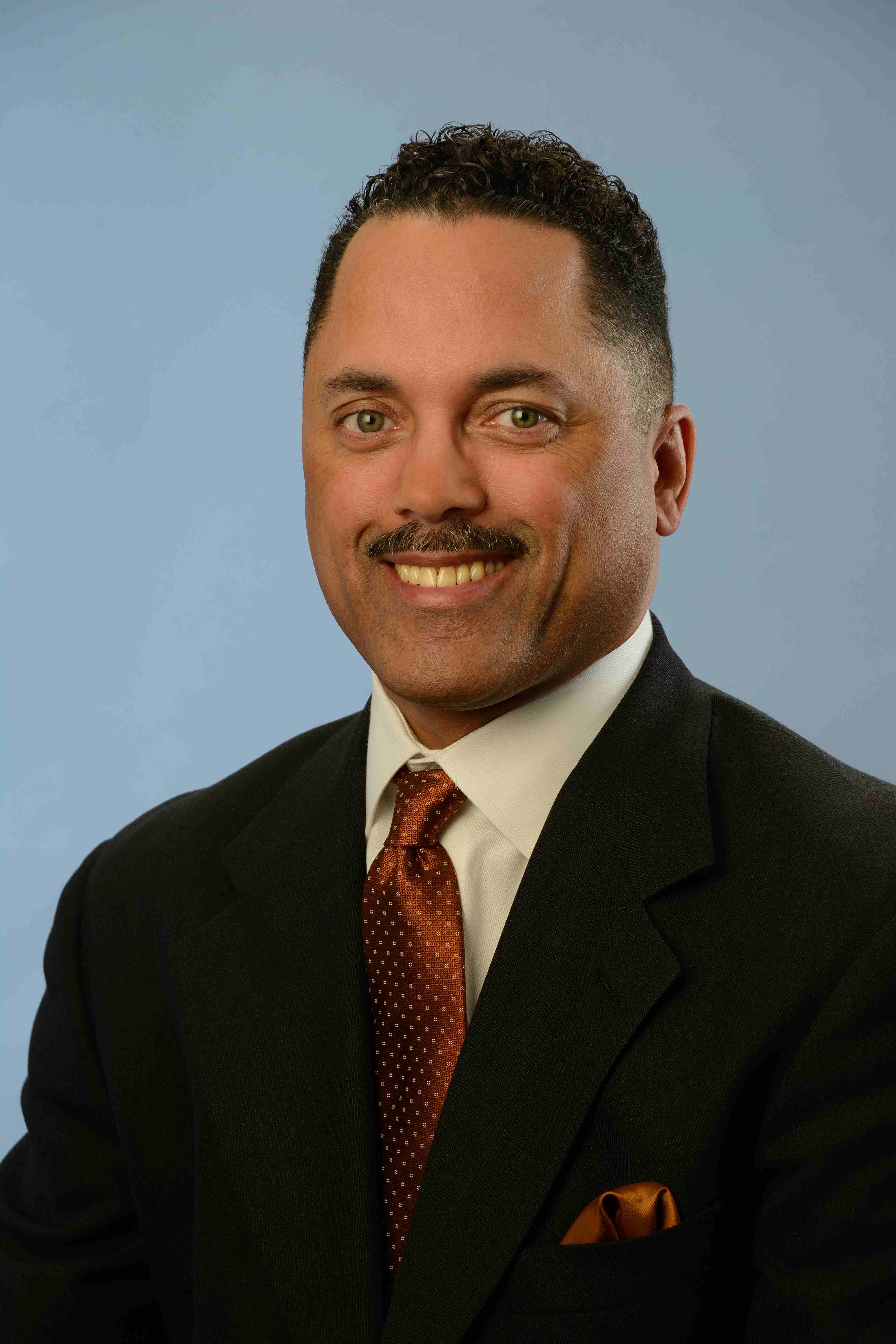
Choosing the Right Studio Partner
Not every studio offers the same level of value. Economical studio photography depends on more than renting a room and turning on lights. It depends on experience, planning, creative direction, technical execution, and the ability to create assets that serve multiple business purposes.
A strong studio partner should understand both aesthetics and production realities. They should know how to move efficiently, maintain quality, and guide the client toward decisions that improve results without inflating costs. They should also understand how photography fits into the larger communications and marketing picture.
That combination of creative skill and production discipline is what turns a studio shoot from a simple expense into a worthwhile investment.
Why St Louis Photography Studio Is a Smart Choice
St Louis Photography Studio brings decades of experience to the process of producing economical, high-quality studio photography for businesses and organizations. Since 1982, St Louis Photography Studio has worked with many businesses, marketing firms, and creative agencies in the St. Louis area for their marketing photography and video.
As a full-service professional commercial photography and video production company, St Louis Photography Studio has the right equipment and creative crew service experience for successful image acquisition. We offer full-service studio and location video and photography, as well as editing, post-production, and licensed drone services. St Louis Photography Studio can customize your productions for diverse types of media requirements.
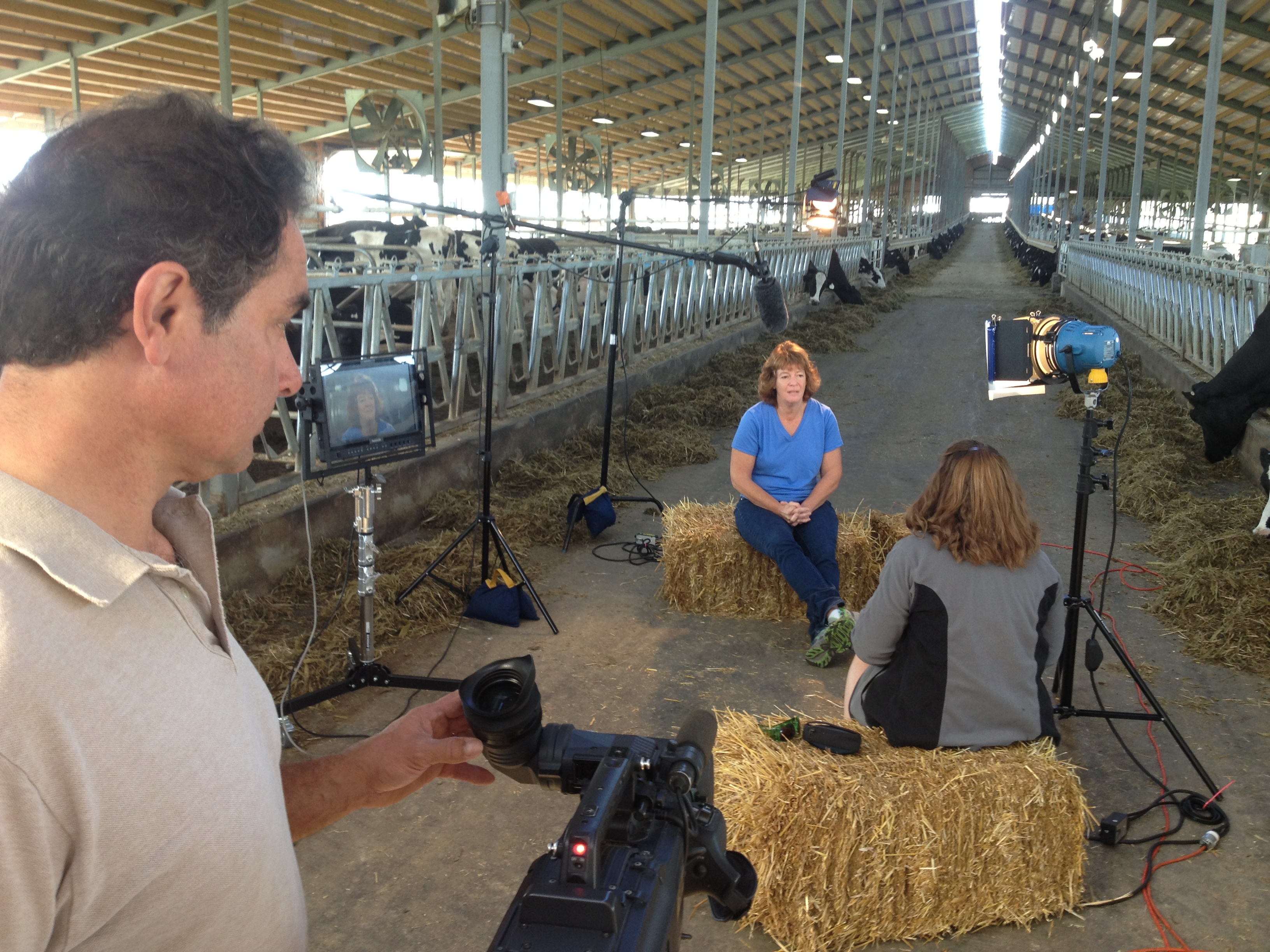
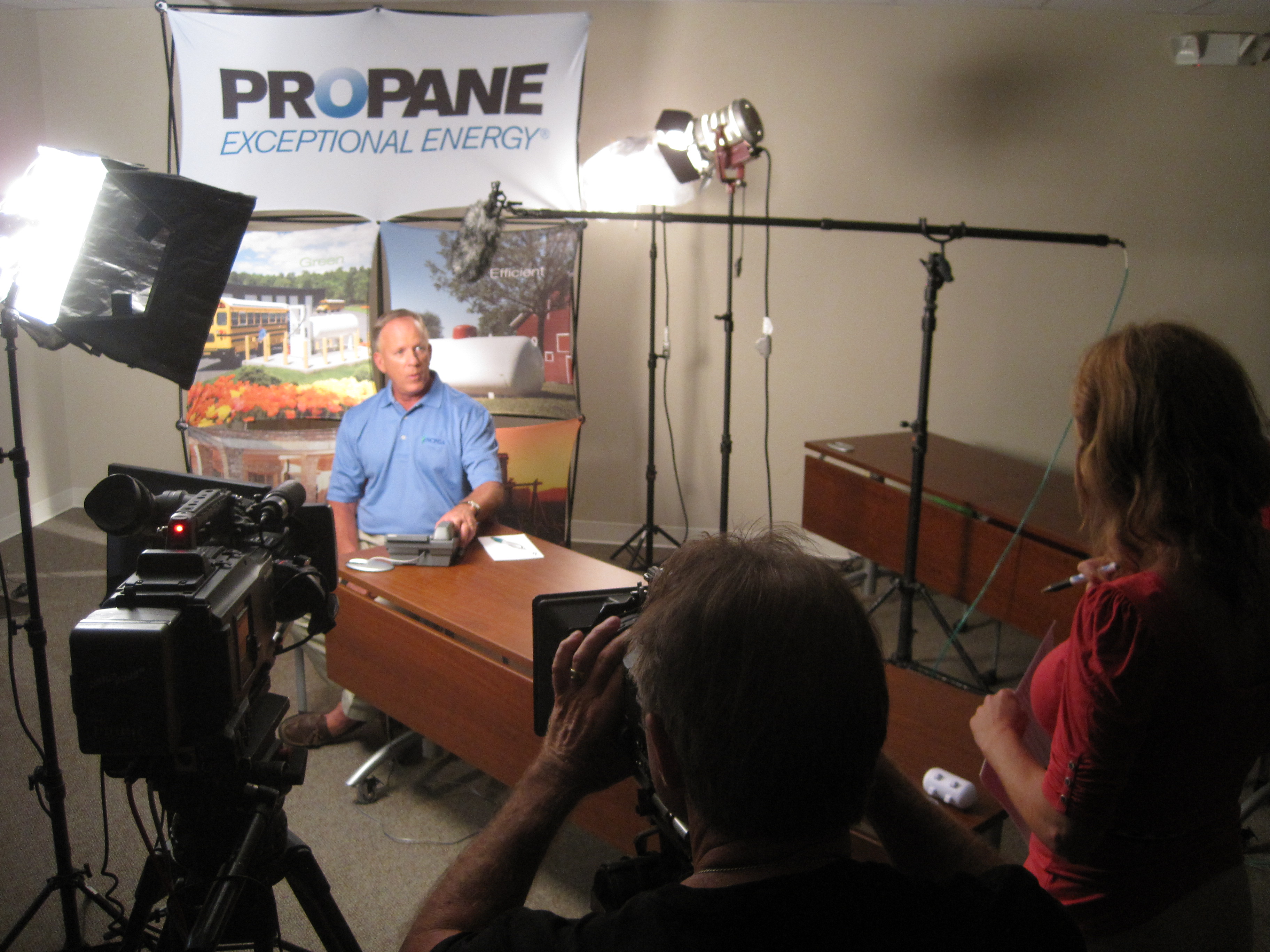
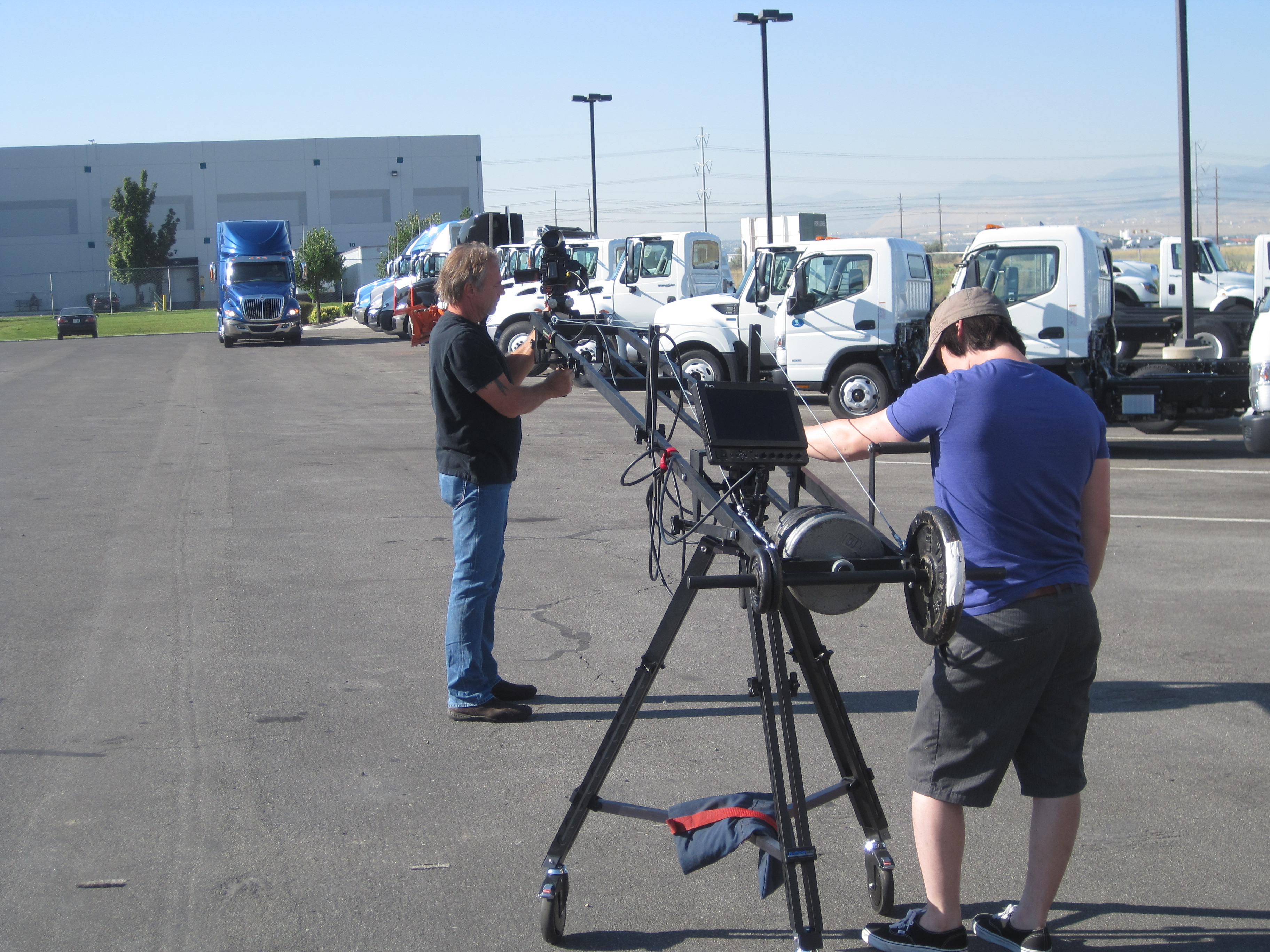
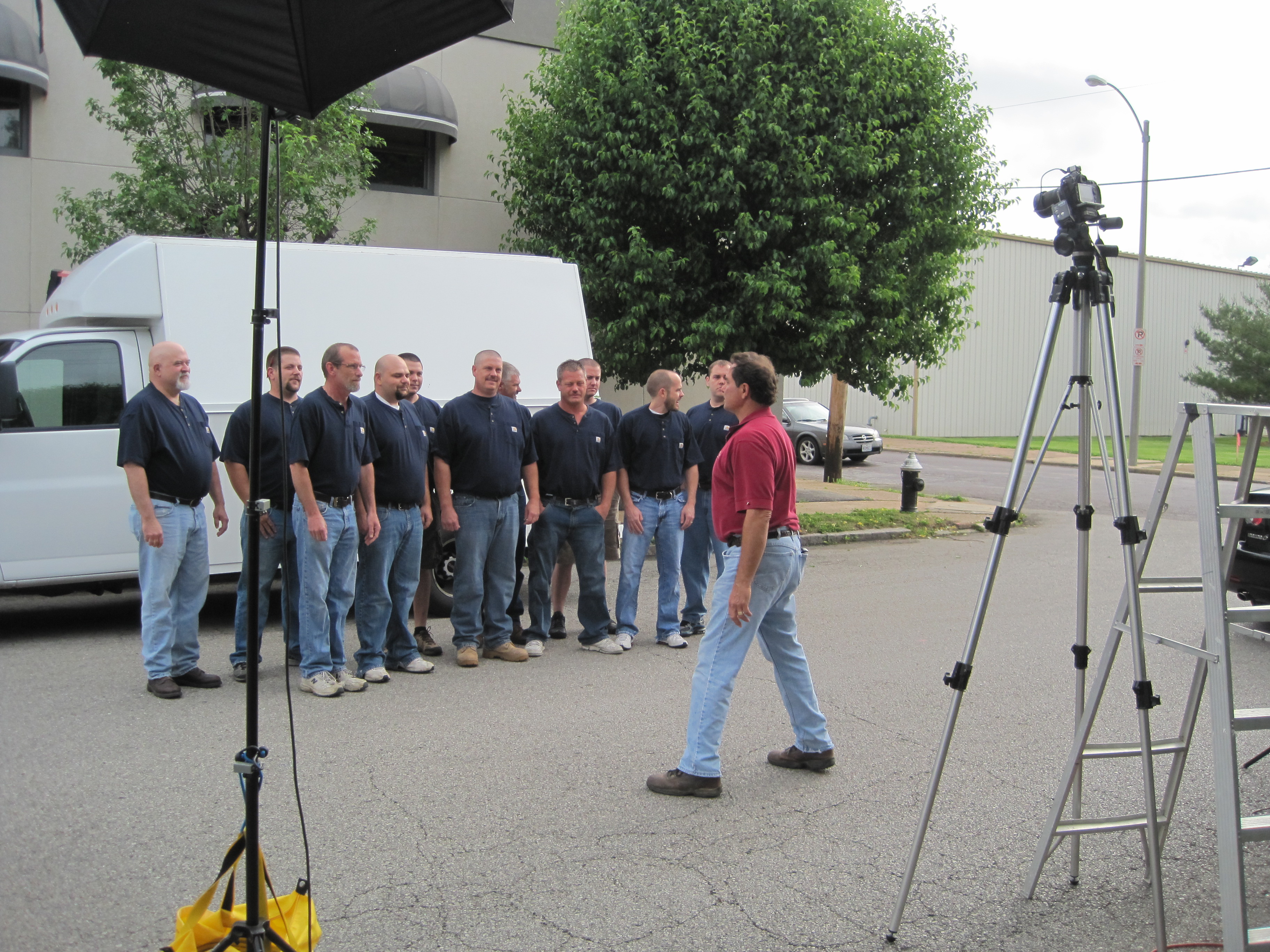
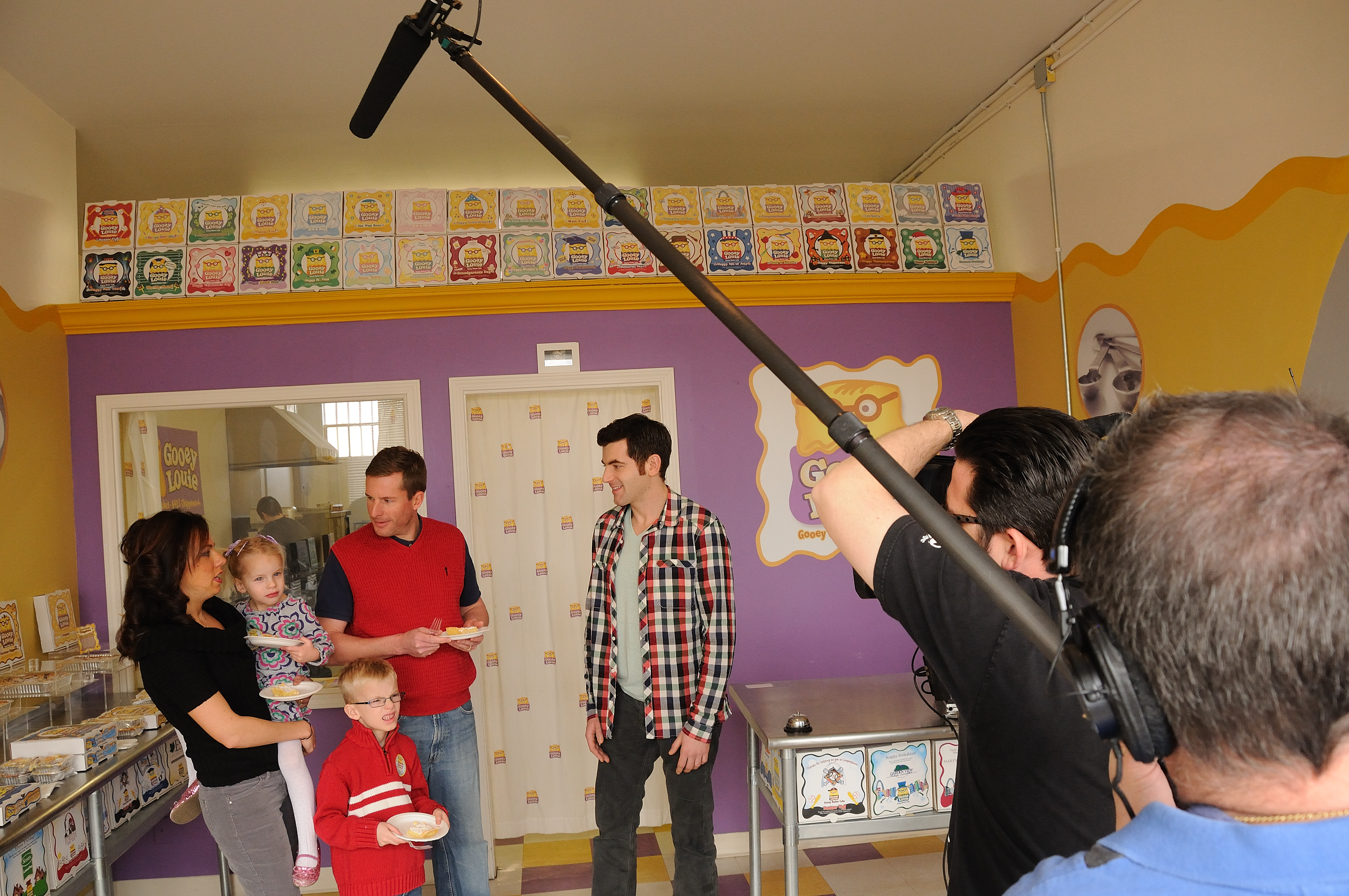
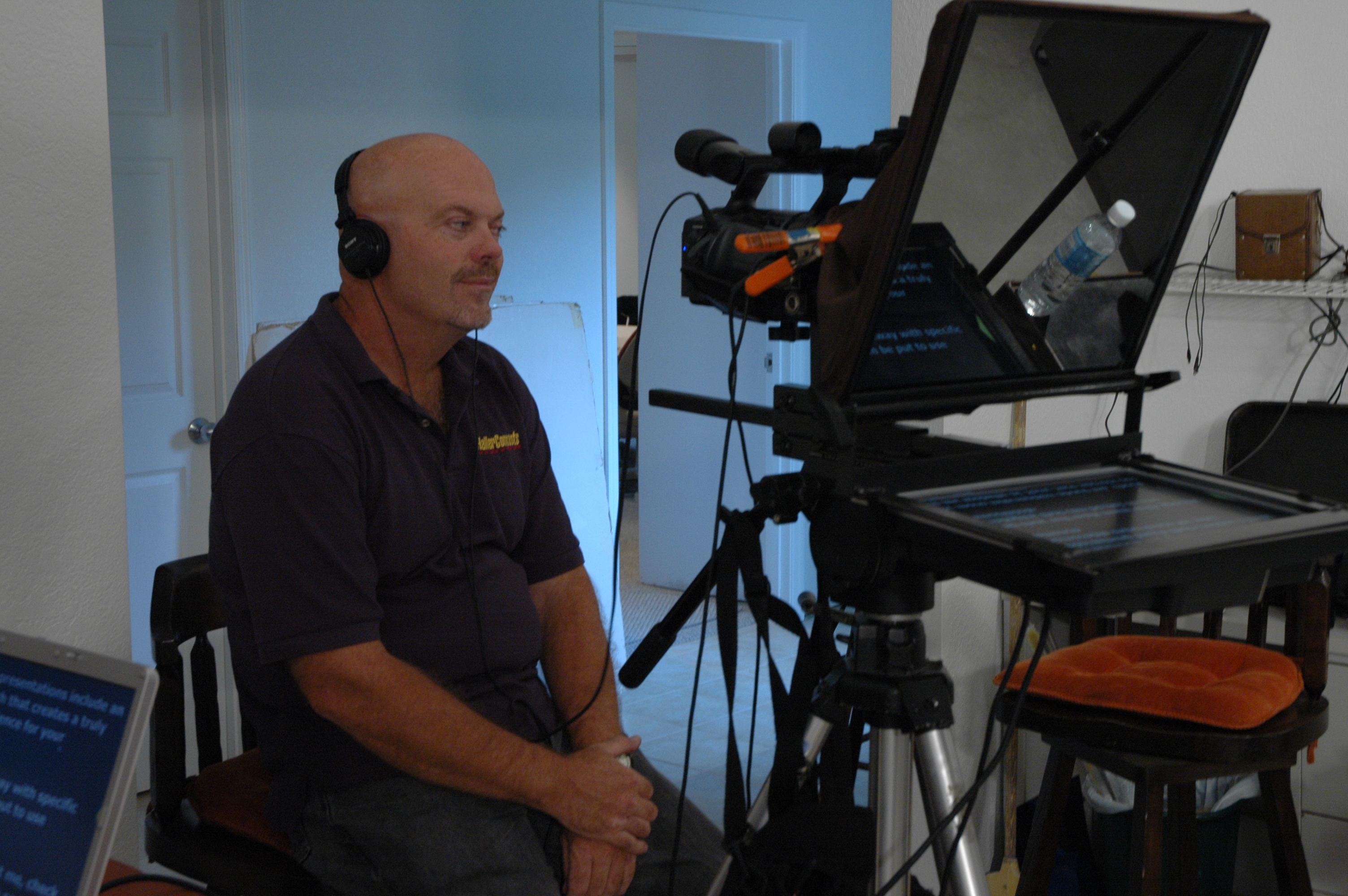
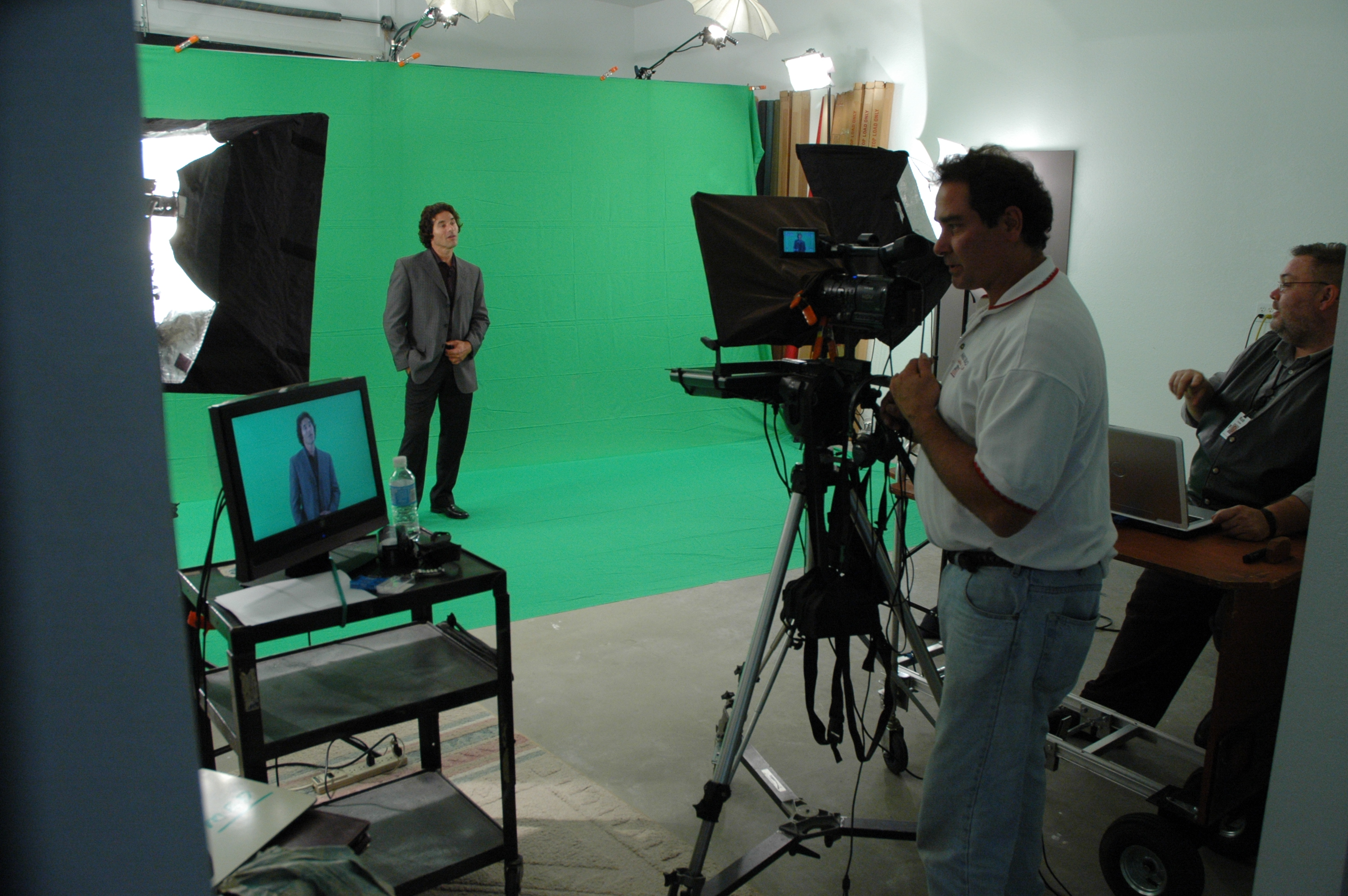
Repurposing your photography and video branding to gain more traction is another specialty. We are well-versed in all file types and styles of media and accompanying software. We use the latest in Artificial Intelligence for all our media services. Our private studio lighting and visual setup is perfect for small productions and interview scenes, and our studio is large enough to incorporate props to round out your set.
We support every aspect of your production, from setting up a private, custom interview studio to supplying professional sound and camera operators, as well as providing the right equipment, ensuring your next video production is seamless and successful. We can fly our specialized drones indoors.
For businesses seeking economical studio photography in St. Louis, the real goal is not simply to spend less. It is to produce better visual assets with greater efficiency, stronger consistency, and longer-term marketing value. That is where experience, planning, and the right studio environment make all the difference.
Call to make an appointment.
314-913-5626
Mike Haller
4501 Mattis Road 63128
St Louis Photographer
St Louis, Missouri, USA | Photography services
stlphotographystudio@gmail.com
Reveal Hidden Roof Moisture with Our Thermal Drone Services
For facility leaders, property managers, operations directors, and marketing teams responsible for large commercial properties, a roof is easy to overlook until it becomes an urgent problem. By the time water intrusion shows itself inside a building, moisture has often been spreading beneath the membrane or insulation for some time. What appears to be a minor issue can quietly become a major capital expense, disrupting operations, damaging interiors, affecting occupant comfort, and creating avoidable repair costs.
That is why thermal drone services have become such a valuable tool for modern building assessment. Instead of waiting for visible evidence of failure, organizations can use thermal imaging, radiometric data, and high-resolution roof mapping to detect hidden moisture patterns early, document conditions clearly, and make better-informed decisions about repair, maintenance, and capital planning.
At St Louis Photography Studio, we see this work as far more than capturing images. We build data-driven systems that give facility leaders real visibility into the health of their buildings. Our focus is on using thermal imaging, radiometric data, and high-resolution mapping to create timestamped, defensible records of roof and asset conditions for schools, healthcare facilities, manufacturers, and commercial portfolios. When decision makers need credible visual evidence and actionable documentation, thermal drone imaging offers a powerful advantage.
Why Hidden Roof Moisture Is So Difficult to Diagnose
Roof systems can fail slowly and invisibly. Water may enter through flashing details, seams, penetrations, drainage problems, or age-related membrane deterioration. Once it gets into the roofing assembly, moisture often migrates laterally and saturates insulation before there is any obvious staining or leakage inside the building.
Traditional inspections still matter, but they have limits. Spot checks, manual walkthroughs, and visual observations may identify surface defects, yet they do not always reveal the full extent of subsurface moisture. Even experienced maintenance teams can miss the hidden spread of trapped water, especially on large or complex roof systems.
This is where thermal drone services change the conversation. By surveying broad roof areas efficiently and capturing temperature differentials that may indicate moisture intrusion, a thermal inspection can reveal patterns invisible to the naked eye. It gives stakeholders a better starting point for targeted testing, repair prioritization, and budget planning.
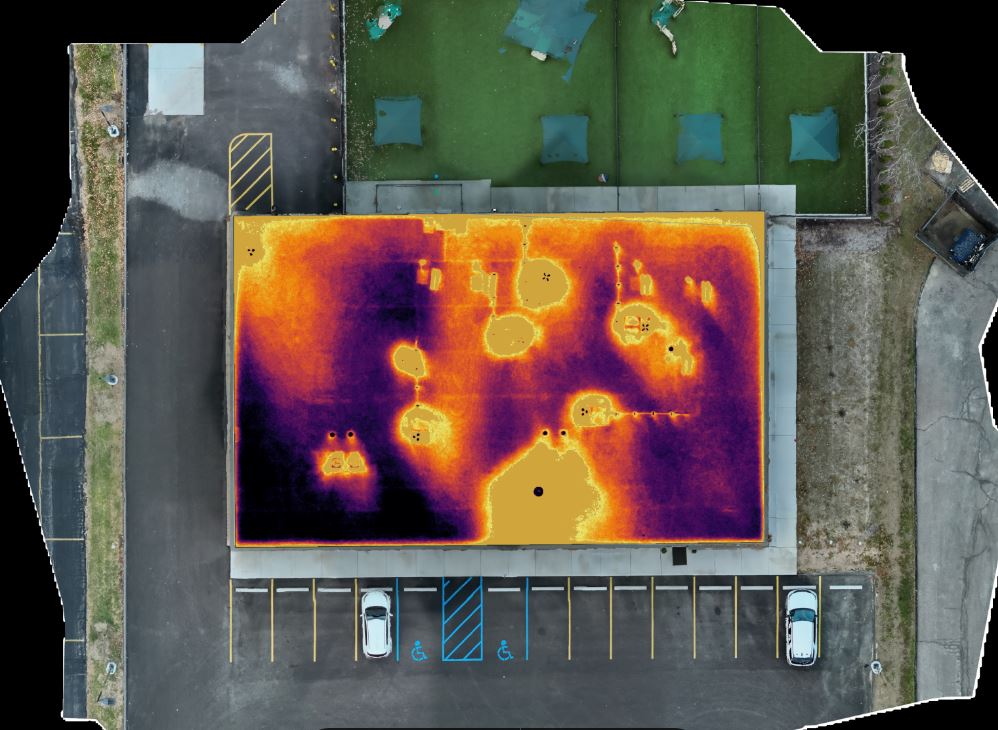
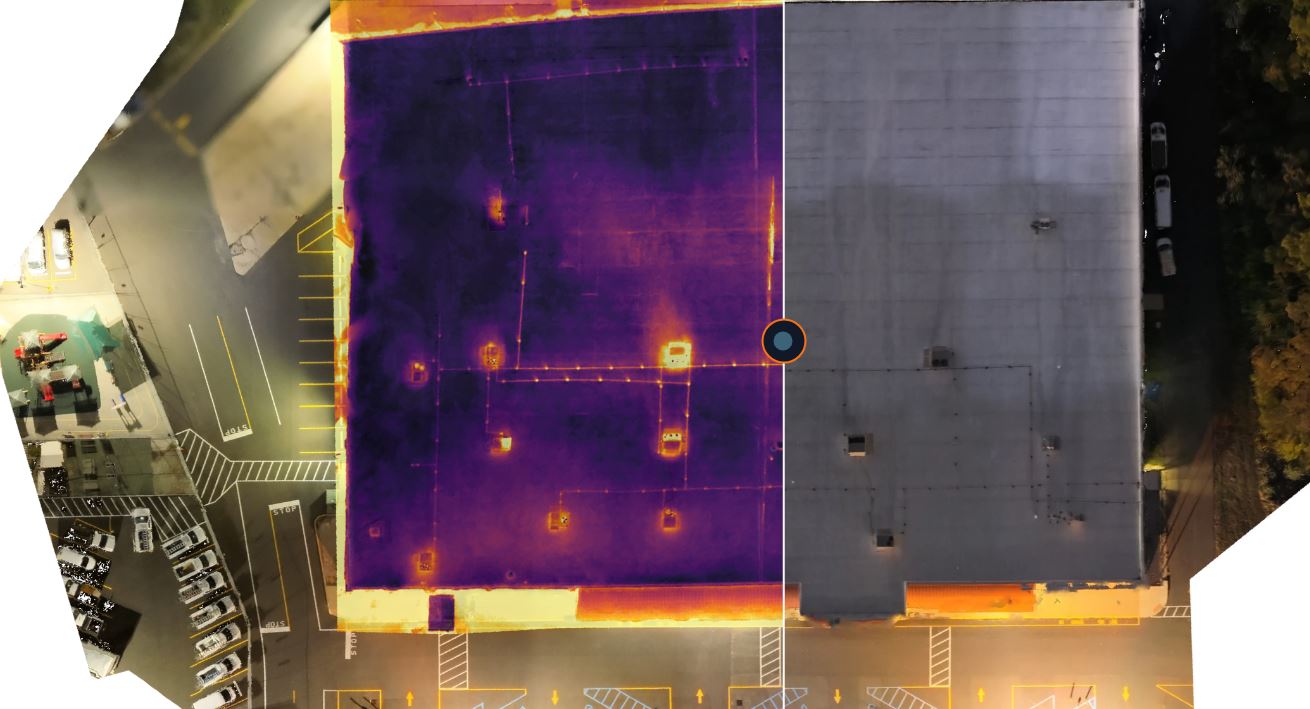
How Thermal Drone Roof Inspections Work
Thermal drone inspections rely on infrared sensors that detect surface temperature differences. Moisture-laden materials often heat and cool differently than dry materials. Under the right inspection conditions, these thermal differences can show up as anomalies that help identify areas of concern.
A professional workflow goes beyond simply flying a drone over a building and taking a few infrared pictures. Accurate thermal roof assessment depends on planning, timing, sensor quality, flight method, data capture discipline, and interpretation experience.
A typical thermal drone workflow may include:
- site and roof evaluation
- safe flight planning around the facility and surrounding structures
- thermal image capture under appropriate environmental conditions
- high-resolution visual image capture for context
- radiometric data collection
- orthomosaic or mapped roof deliverables
- annotated reporting that ties thermal anomalies to physical roof locations
- timestamped documentation for maintenance files, capital planning, or insurance support
The result is not just imagery. It is a documented record of conditions that can support more confident decision-making.
The Value of Radiometric Data
Not all thermal imagery is equal. One of the most important distinctions in professional thermal services is whether the data is radiometric. Radiometric thermal files retain temperature data for each pixel in the image, allowing deeper analysis after capture.
This matters because facility decisions should not rely on vague heat signatures alone. When inspections include radiometric data, analysts can evaluate thermal patterns with greater precision, compare areas of concern more carefully, and produce more defensible findings. That is especially useful when properties are large, when multiple stakeholders are involved, or when documentation may be reviewed months later.
For organizations managing multiple buildings, radiometric data also contributes to consistency. It supports a more systematic inspection process and helps establish a stronger record over time.
Why Timestamped, Defensible Records Matter
Facility management is increasingly data-driven. Whether an organization is planning maintenance, preparing for budget review, managing vendors, responding to board oversight, or documenting asset conditions for compliance and insurance purposes, good records matter.

A timestamped thermal inspection creates a clear snapshot of roof conditions at a specific moment. That documentation can be invaluable when:
- comparing current conditions to future inspections
- supporting repair recommendations
- tracking changes in problem areas over time
- justifying maintenance expenditures
- documenting due diligence
- improving communication between facilities teams, leadership, consultants, and contractors
Defensible records are especially important for organizations with complex approval processes. A visual, mapped, and timestamped inspection helps move conversations away from assumptions and toward evidence.
Why Schools, Healthcare Facilities, Manufacturers, and Commercial Portfolios Benefit
Different property types face different operational risks, but all benefit from better roof intelligence.
Schools and Campuses
Educational facilities often have aging buildings, limited maintenance windows, and tight budget cycles. Roof failures can interrupt classes, damage equipment, and create costly emergency responses. Thermal drone services help school administrators and facilities teams identify areas of concern before they escalate, allowing more strategic maintenance planning during breaks or scheduled project windows.
Healthcare Facilities
Healthcare environments have very little tolerance for disruption. Roof leaks over clinical, administrative, or sensitive support areas can affect operations and patient experience. Thermal inspections offer a non-invasive way to assess broad roof areas while supporting proactive maintenance decisions in facilities where reliability matters.
Manufacturing and Industrial Sites
Manufacturers depend on uninterrupted operations. Water intrusion can threaten production zones, storage areas, electrical systems, and interior assets. Thermal drone imaging can help maintenance and plant leaders identify developing roof issues before they impact productivity or lead to larger structural and equipment concerns.
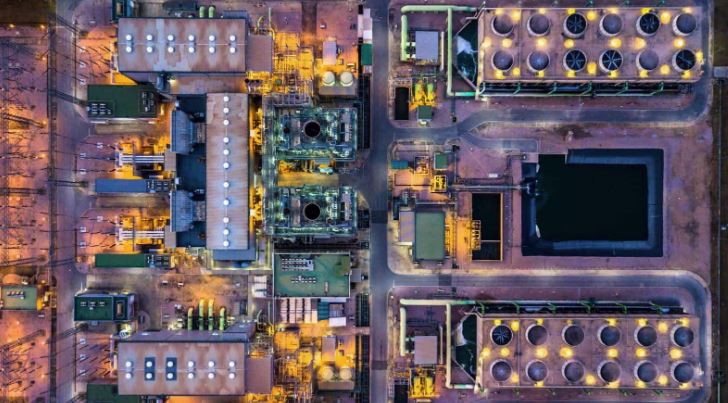
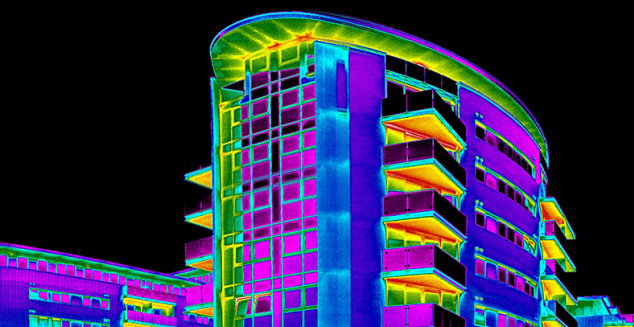
Commercial Real Estate Portfolios
For owners and managers of multi-site properties, consistency is essential. Thermal drone inspections can help standardize roof condition documentation across multiple assets, making it easier to prioritize repairs, compare building needs, support capital planning, and communicate with investors or internal leadership teams.
More Than Inspection: A Strategic Asset Management Tool
Thermal roof inspections should not be viewed only as a reactive troubleshooting service. They are increasingly part of a broader asset management strategy.
When organizations establish a routine inspection cadence, they gain better long-term visibility into roof performance. Instead of relying solely on crisis response or scattered service calls, they can develop a building record that supports lifecycle planning. That shifts the conversation from emergency expense to informed stewardship.
This matters to decision makers because better visibility often leads to:
- more targeted repairs
- fewer unnecessary tear-offs
- clearer capital forecasting
- improved vendor accountability
- stronger maintenance documentation
- reduced operational surprises
A roof is one of the most important protective systems on any facility. Managing it with better data is simply good business.
The Role of High-Resolution Mapping
Thermal data becomes even more useful when paired with high-resolution visual mapping. Context matters. It is not enough to know that a thermal anomaly exists. Decision makers need to know exactly where it is, how large the area appears to be, how it relates to penetrations or drainage features, and how to communicate that location to internal teams or roofing contractors.
That is why high-resolution mapping and roof mosaics are such an important part of a professional deliverable set. They turn raw image capture into practical information. Facilities teams can mark up reports, compare roof sections, reference exact locations, and coordinate repairs more efficiently.
For marketing and communications professionals working in facilities-related industries, this type of visual clarity also has value. It helps organizations communicate competence, diligence, and modernization to stakeholders, boards, donors, or clients.
Why Professional Interpretation Matters
Thermal imaging is powerful, but it must be handled carefully. Temperature anomalies do not automatically equal moisture. Surface materials, weather conditions, reflected heat, rooftop equipment, shading, and other variables can influence readings. That is why trained capture methods and disciplined interpretation are critical.
Professional thermal drone services are not just about owning equipment. They require understanding building surfaces, environmental timing, image context, and the relationship between thermal signatures and likely roof conditions. The best results come from combining strong imaging practices with practical production discipline and reporting clarity.
For organizations that need reliable documentation rather than guesswork, that difference matters.
Integrating Thermal Data into Broader Facility Communication
One overlooked advantage of thermal drone inspections is how effectively they support internal communication. Facilities personnel may understand the urgency of a roofing issue, but leadership teams, boards, insurance contacts, or outside stakeholders often need clear visual evidence to appreciate the scope and timing of action required.
Thermal imagery and mapped reports help bridge that communication gap. A decision maker can see where the issue is, how it relates to the building, and why it deserves attention. That improves alignment across departments and reduces ambiguity when discussing repairs, proposals, or funding priorities.
In that sense, visual documentation is not just technical. It is operationally persuasive.
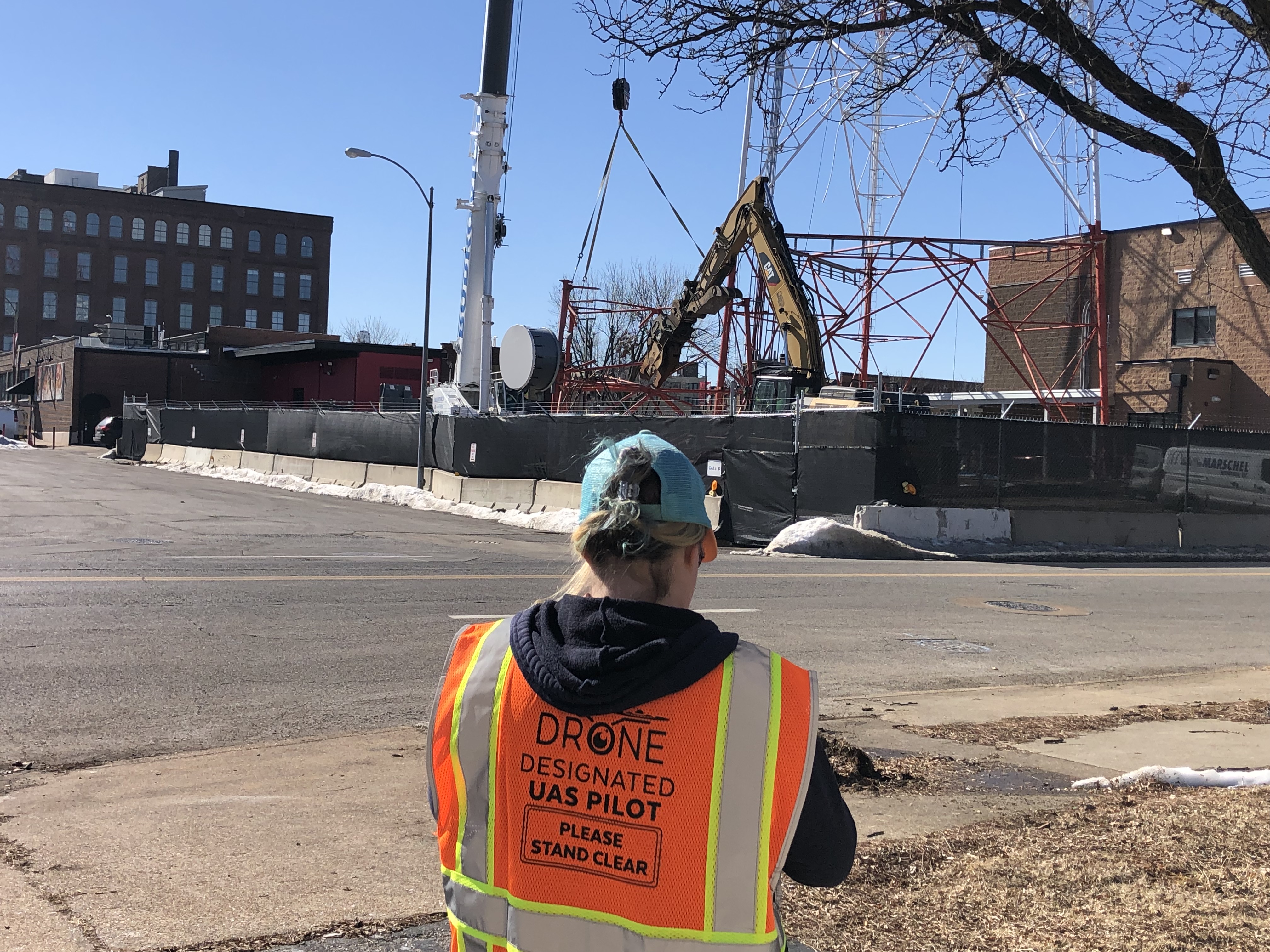
What to Look for in a Thermal Drone Partner
When selecting a provider for thermal roof imaging, organizations should look beyond simple drone ownership. The right partner should understand both image acquisition and the real-world communication needs of facility decision makers.
Important considerations include:
- experience working with commercial properties
- professional thermal imaging workflow
- radiometric capture capability
- high-resolution visual documentation
- mapped and annotated deliverables
- clear reporting structure
- safe, legal drone operations
- ability to support repeat inspections and long-term recordkeeping
A strong provider helps transform captured data into useful information. That is the real value.
A Smarter Way to See the Health of Your Building
Facility management increasingly depends on visibility, documentation, and defensible information. Hidden roof moisture is one of the most costly examples of a problem that can remain unseen until it becomes disruptive. Thermal drone services offer a smarter path forward by identifying likely problem areas earlier, documenting them more clearly, and supporting better decisions across maintenance, operations, and capital planning.
For schools, healthcare systems, manufacturers, and commercial property owners, this is not just about technology. It is about reducing uncertainty. It is about gaining a clearer understanding of building conditions before problems grow. It is about replacing assumptions with mapped, timestamped visual evidence.
That is exactly why thermal drone inspections have become such a valuable part of modern facility management.
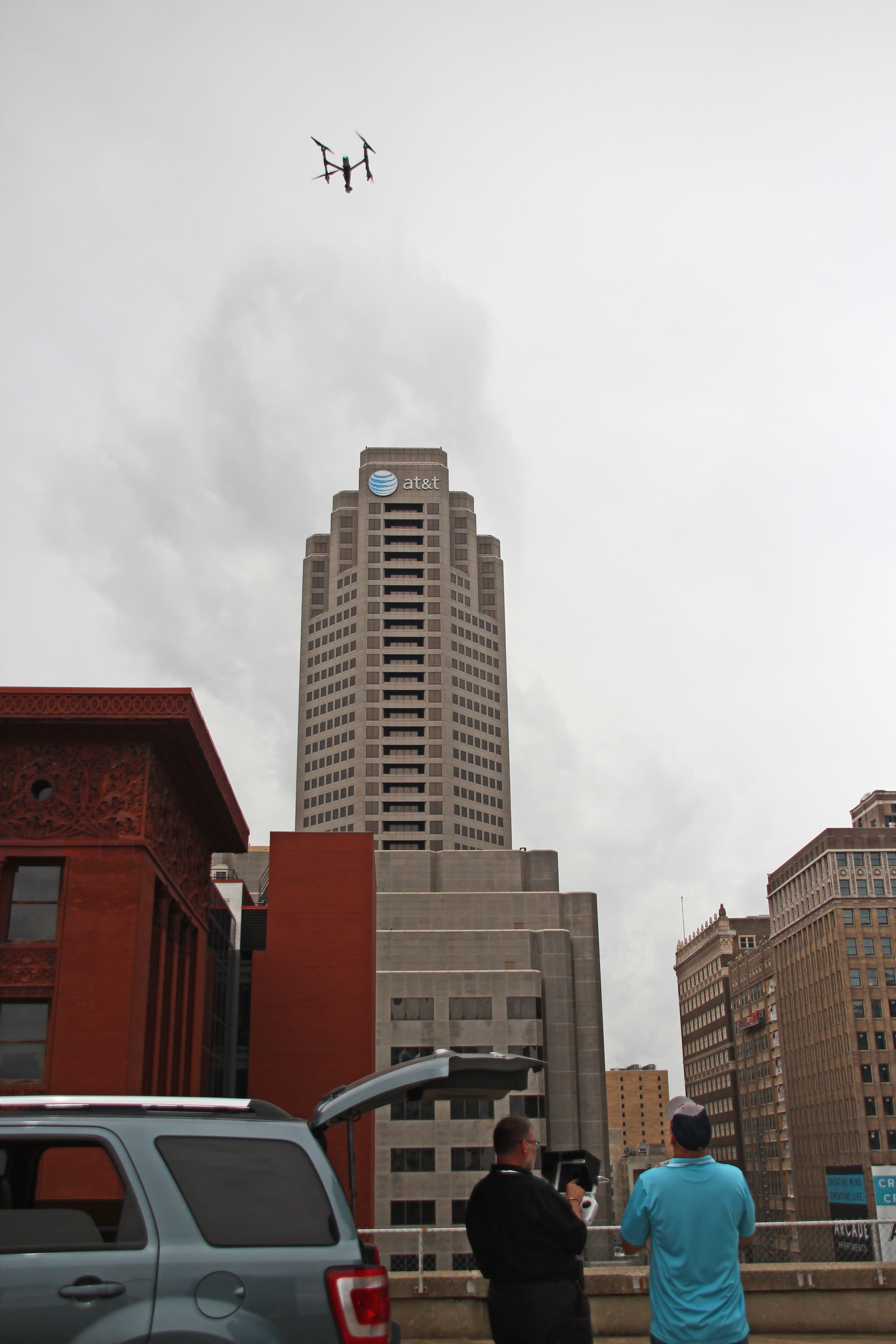
Experienced Thermal Imaging and Production Support from St Louis Photography Studio
At St Louis Photography Studio, we bring decades of real-world production experience to every assignment. Since 1982, we have worked with many businesses, marketing firms, and creative agencies throughout the St. Louis area for their marketing photography and video needs. We are a full-service professional commercial photography and video production company with the right equipment and creative crew service experience for successful image acquisition. We offer full-service studio and location video and photography, as well as editing, post-production, and licensed drone services. St Louis Photography Studio can customize your productions for diverse types of media requirements. Repurposing your photography and video branding to gain more traction is another specialty. We are well-versed in all file types, styles of media, and accompanying software. We use the latest in Artificial Intelligence for all our media services. Our private studio lighting and visual setup is perfect for small productions and interview scenes, and our studio is large enough to incorporate props to round out your set. We support every aspect of your production, from setting up a private, custom interview studio to supplying professional sound and camera operators, as well as providing the right equipment, ensuring your next video production is seamless and successful. We can fly our specialized drones indoors. Whether your goal is thermal roof assessment, branded visual communication, or a broader content strategy built around photography and video, St Louis Photography Studio delivers experienced, data-informed production support designed to help organizations see more clearly and communicate more effectively.


 S
S


-




-




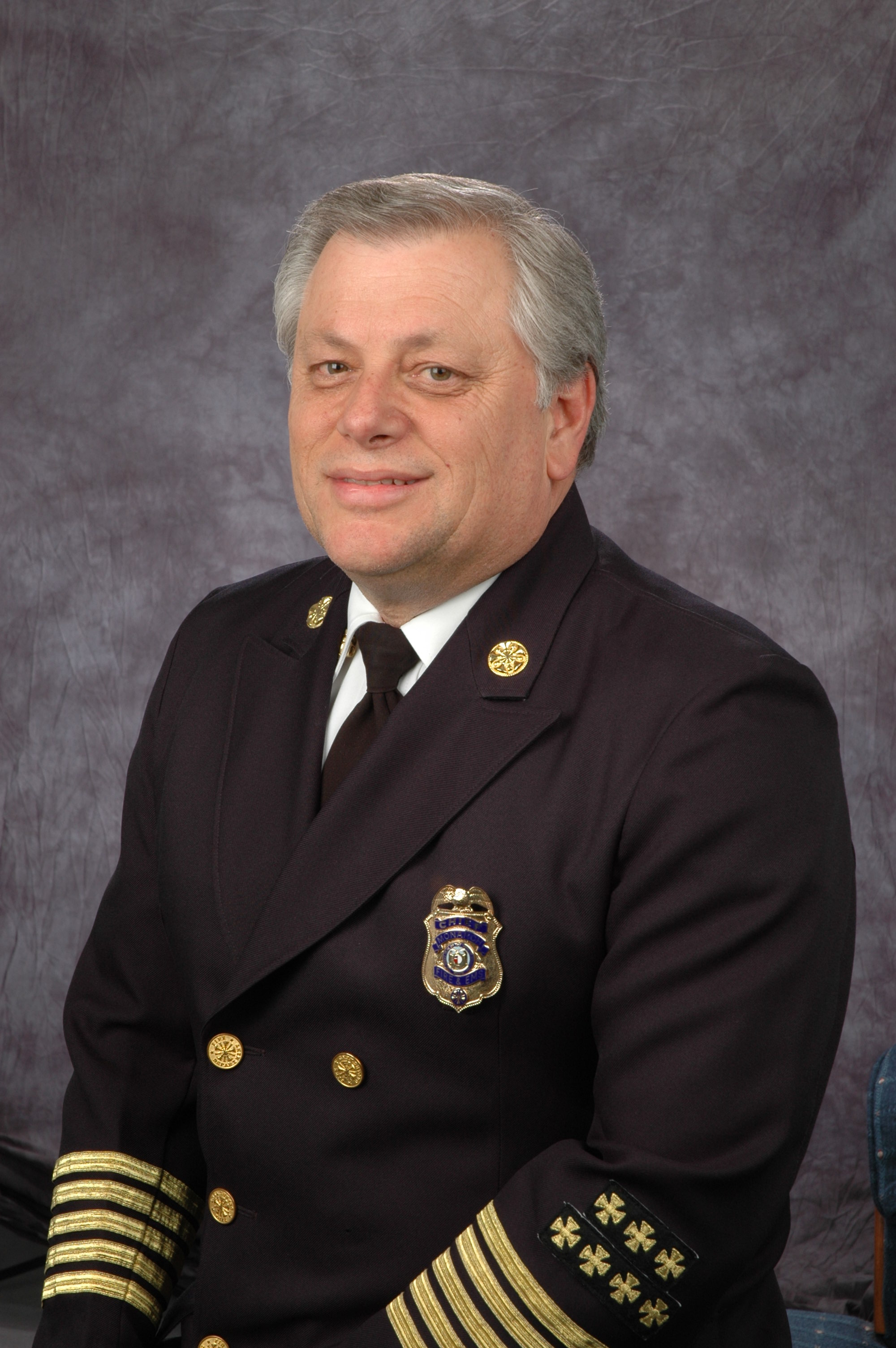



-
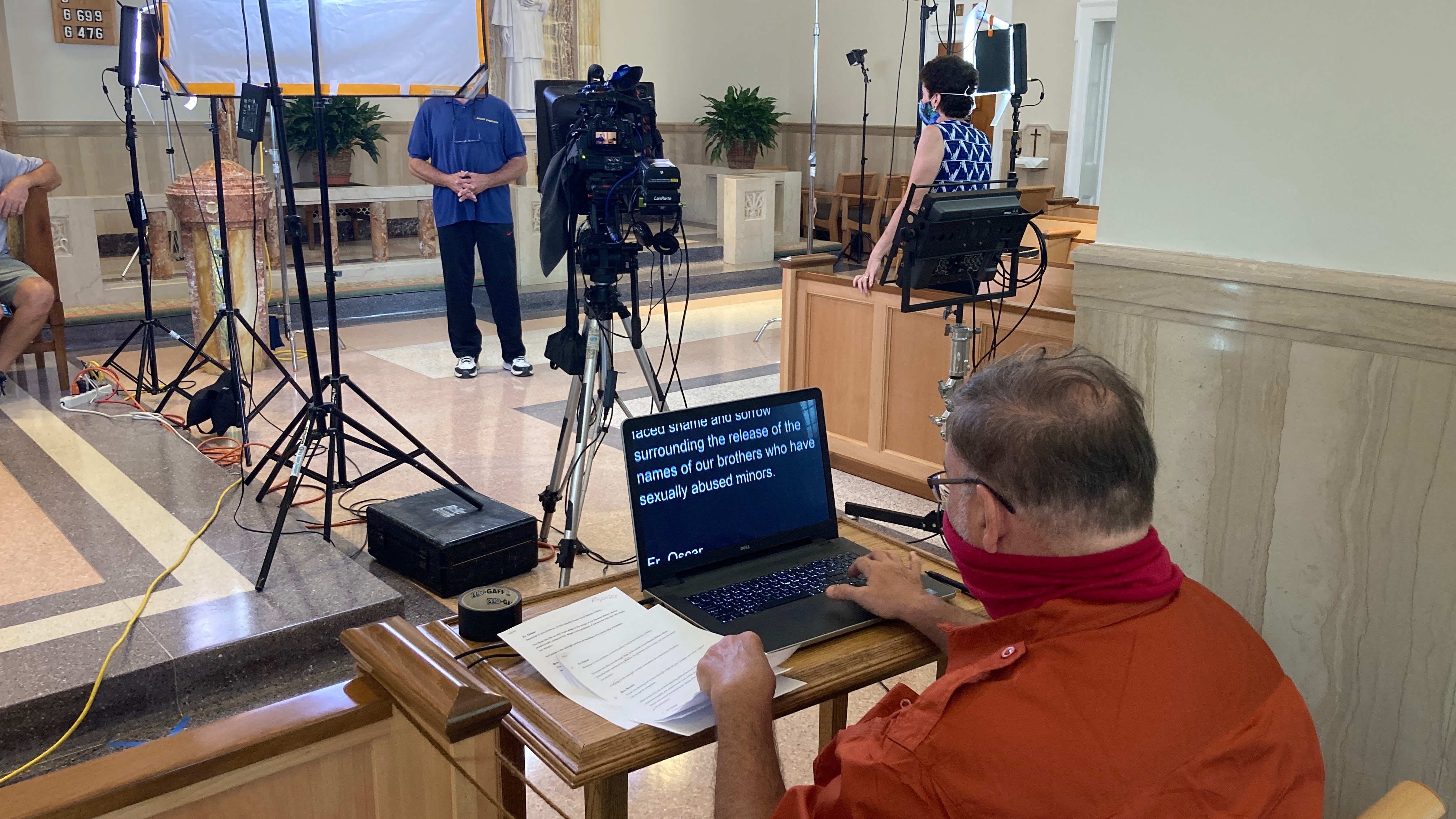


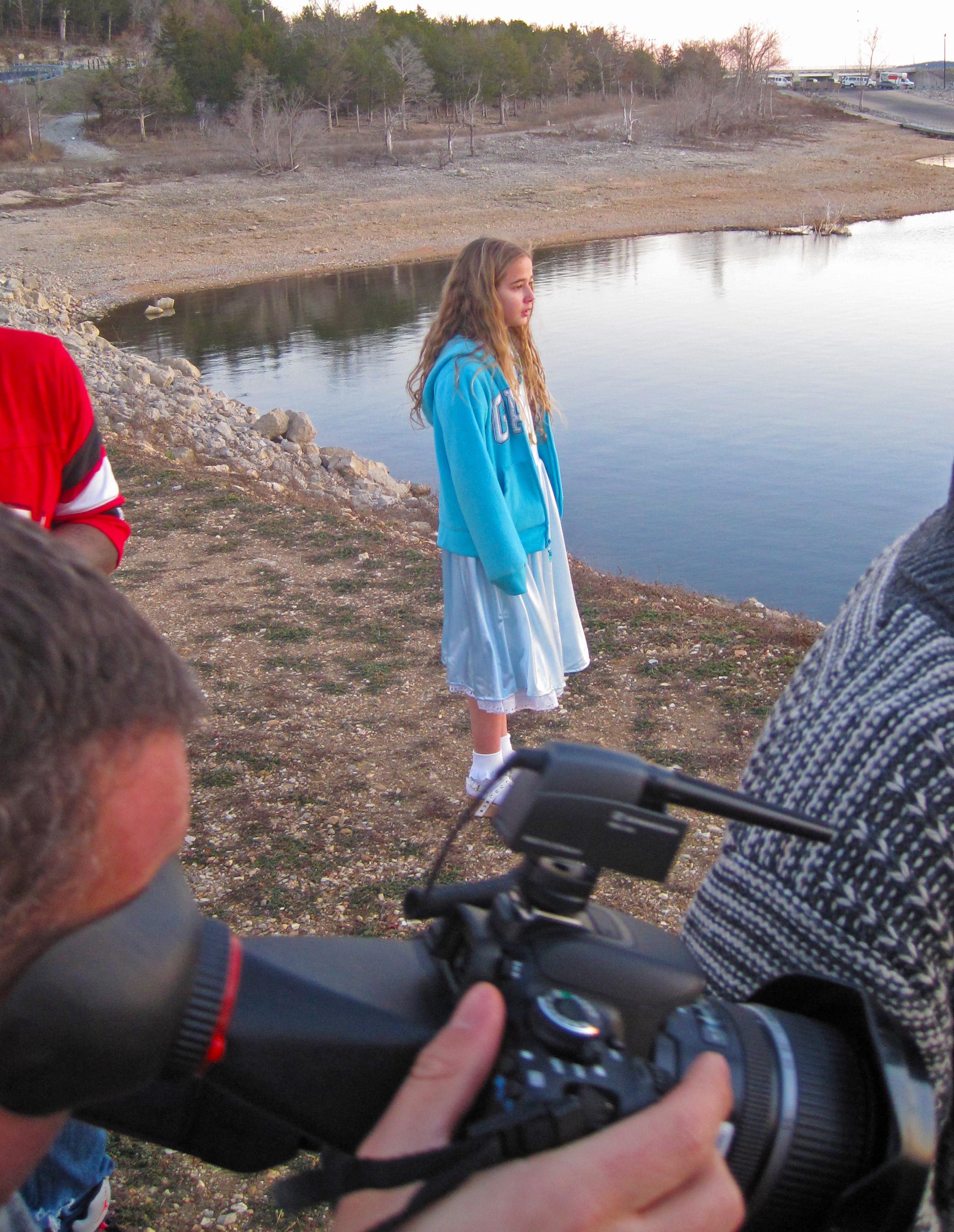


-


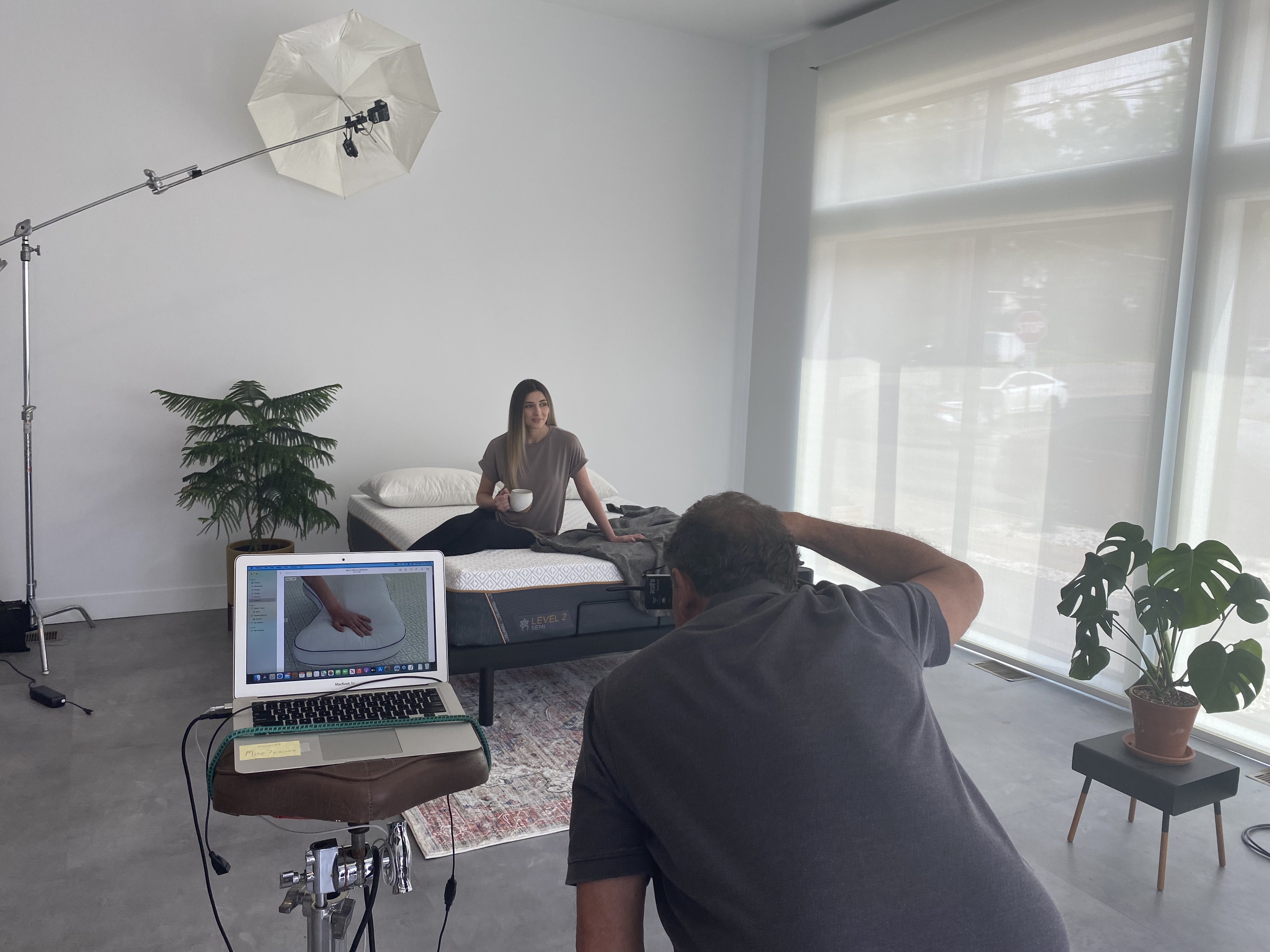



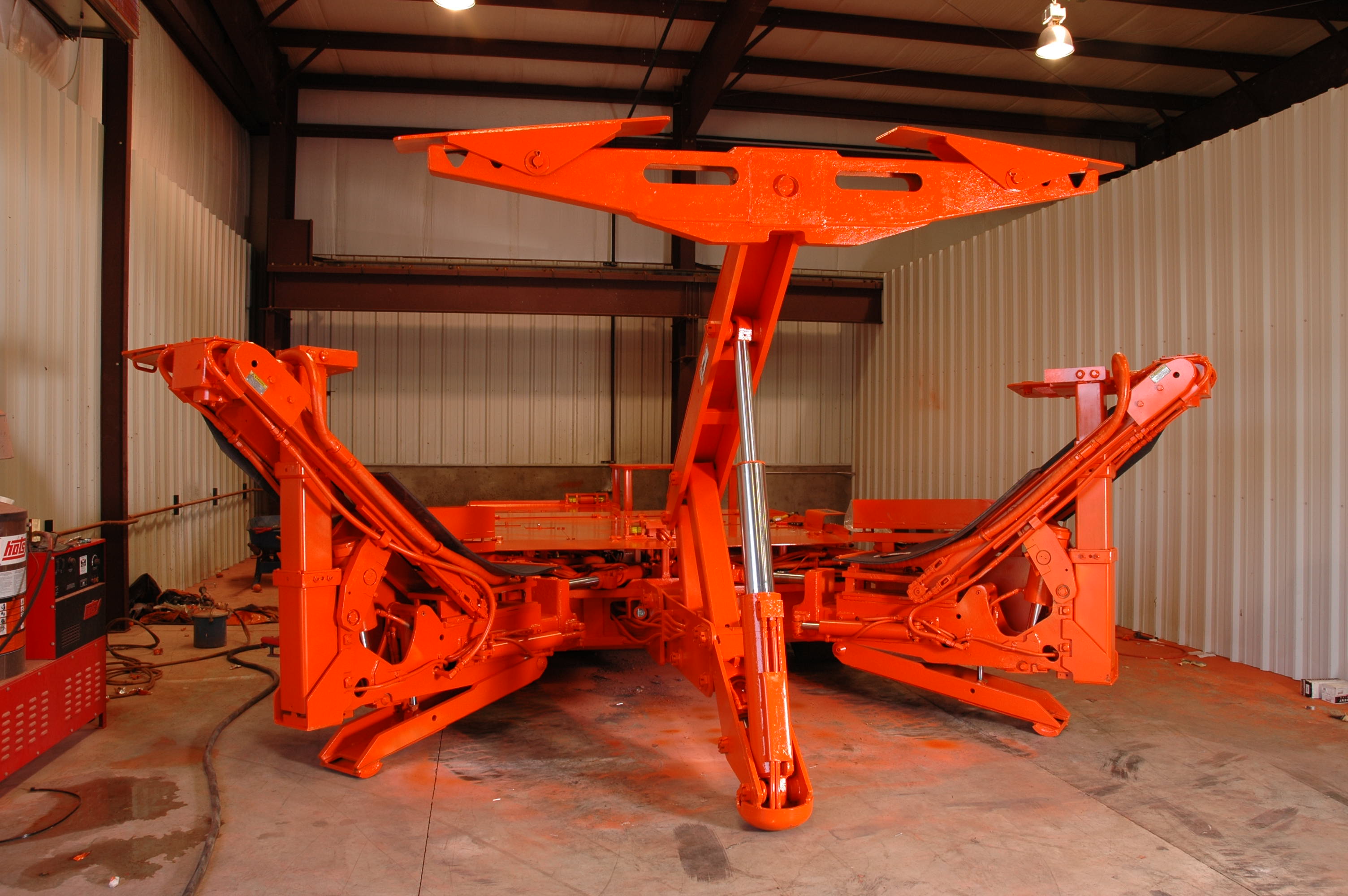



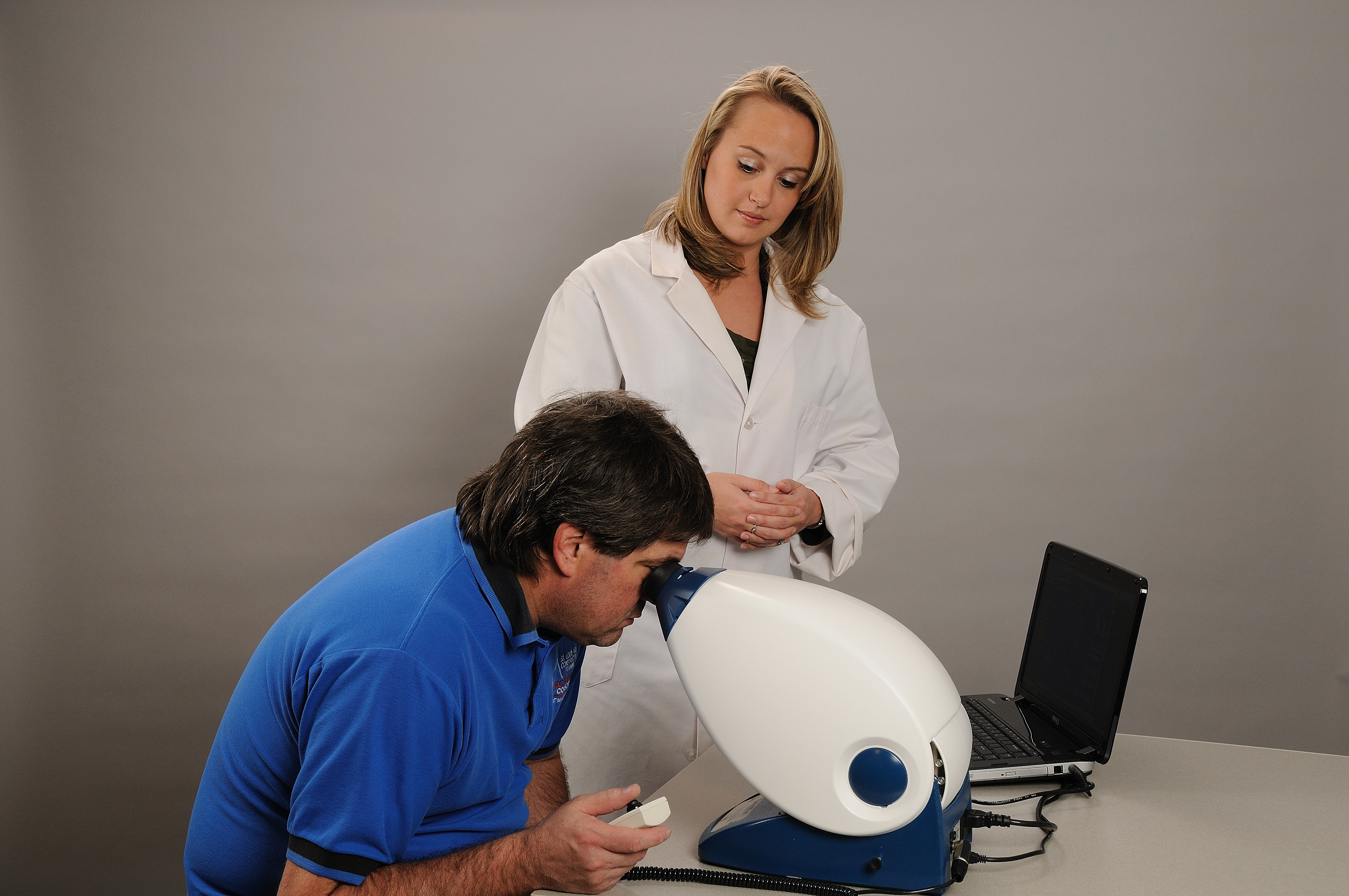


-