Safer, Quicker, Cheaper: How Drone Imaging is Transforming Building & Roof Inspections
Commercial roofs and building envelopes are some of your most expensive assets—and some of the hardest to inspect safely and consistently. Traditionally, verifying conditions meant sending people up ladders and lifts, walking aging membranes, navigating parapets, and working around HVAC units and skylights. It’s slow, it’s risky, and it’s expensive.
Professional drone inspections change that equation.
At St Louis Photography Studio, we’ve been behind cameras and on rooftops for decades. Today, we’re applying that experience to drone-based building and roof inspections that are safer, quicker, and more cost-effective for owners, facility managers, and marketing and communications teams who need credible visuals to inform decisions and tell the story around capital investments.
Why Traditional Roof & Building Inspections Struggle
If you manage multiple facilities or large square footage, you already know the pain points:
- Safety risk: Falls from height, unstable surfaces, trip hazards, and weather exposure.
- Access issues: Steep pitches, fragile sections, aging membranes, tight parapets, and areas shielded by mechanical equipment.
- Cost and disruption: Lifts, scaffolding, and multi-person crews—plus interruptions to parking, entries, or operations.
- Inconsistent documentation: Phone snapshots from the field rarely produce a repeatable, high-quality visual record you’re comfortable sharing with executives, insurers, or auditors.
Drone-based inspections address each of these challenges by taking people off the roof and putting high-resolution sensors over it.
How a Professional Drone Inspection Works
A serious drone inspection is more than “just flying a drone.” For building and roof work, our process typically includes:
- Pre-production planning
- Reviewing site plans or prior documentation
- Identifying potential hazards, sensitive areas, and no-fly zones
- Defining what matters most: ponding, flashing, penetrations, seams, masonry, facades, or post-storm damage
- Flight design
- Planning efficient flight paths and altitudes
- Setting up consistent overlap for detailed stills, mapping, or orthomosaic imagery
- Determining when to use visual cameras vs. thermal tools for potential moisture or insulation issues
- On-site operations
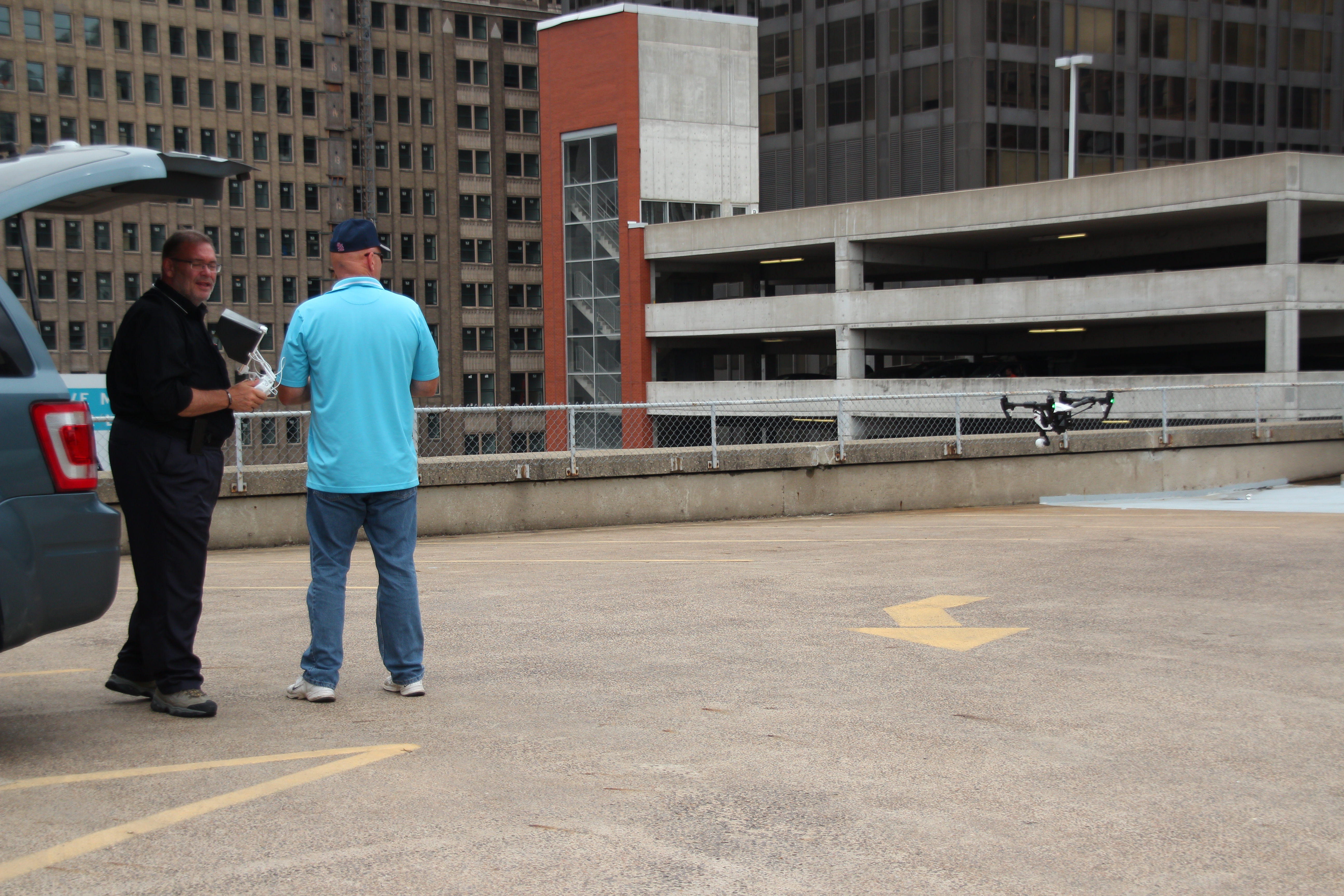
- Controlled takeoffs and landings away from pedestrian traffic
- Systematic passes that cover the entire roof and building envelope
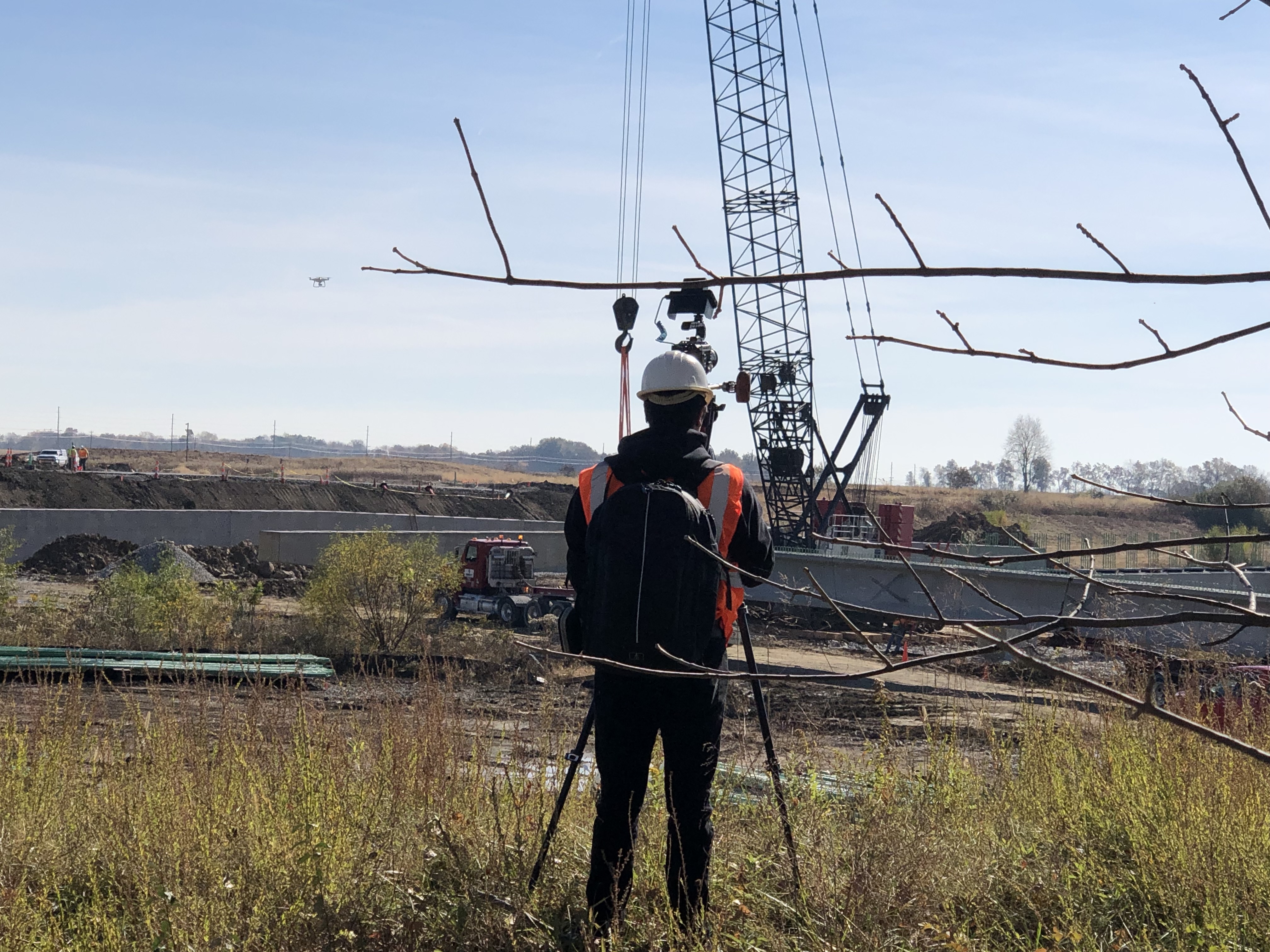
- In many cases, capturing supplemental video for context and future communication needs
- Data review and delivery
- Curating the best stills for technical review
- Creating clear image sets organized by building, elevation, or issue type
- Providing ready-to-use assets in formats your facilities, engineering, and marketing teams can all work with
The result is a consistent, repeatable visual record of roof and building conditions—without the risk and downtime of traditional methods.
Safety: Keeping People on the Ground
From a risk management perspective, drone inspections are a straightforward win:
- Minimal time at height: In many cases, your only human exposure is a quick ladder check or controlled access to the drone takeoff area—if that.
- Reduced fall and trip hazards: Nobody is walking near skylights, soft spots, loose ballast, or saturated sections.
- Less interaction with mechanical areas: Drones navigate around HVAC units, vents, and antennas without putting a person in that tangle of obstructions.
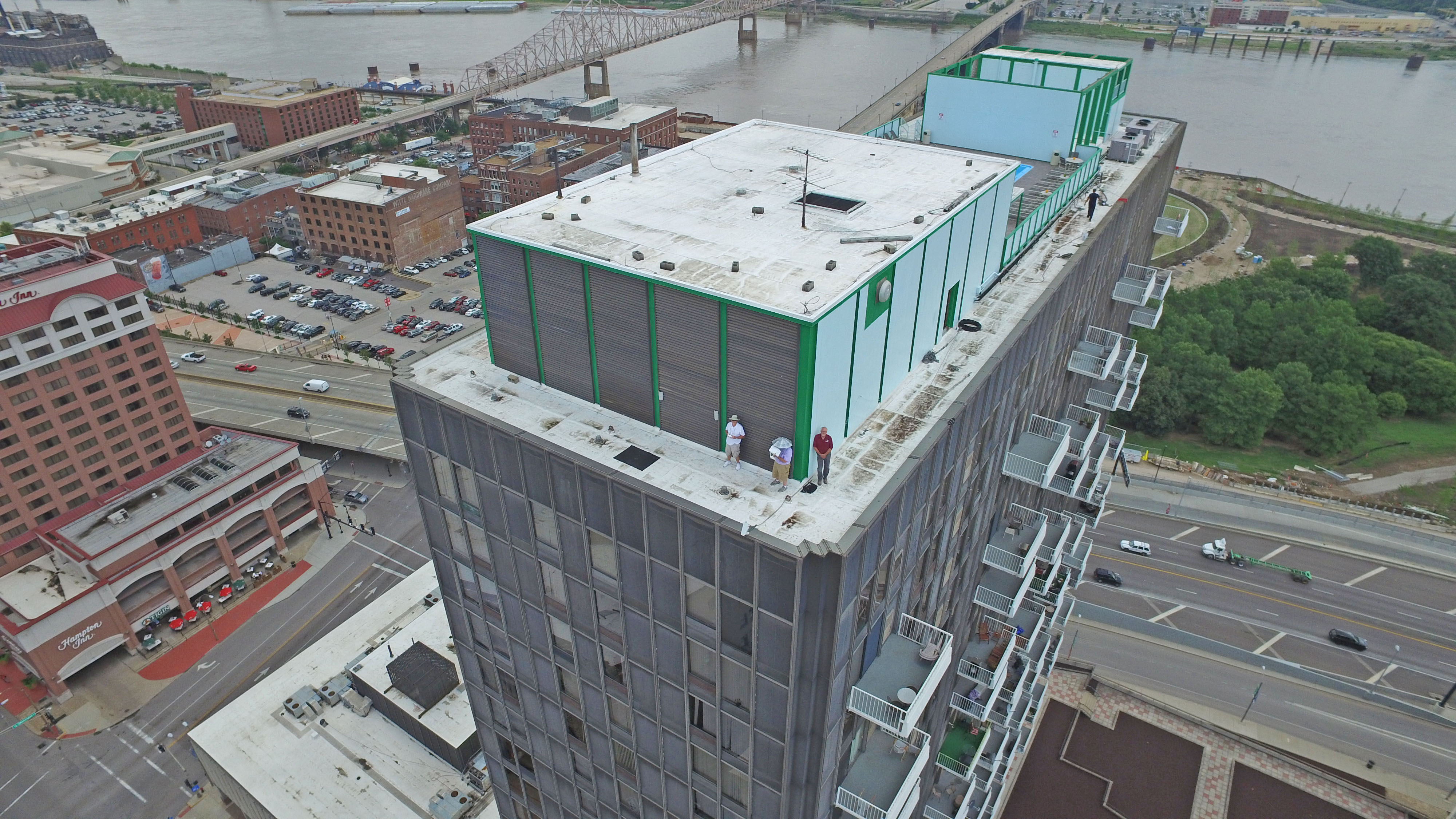
- Better visual reach: Drones can safely view steep elevations, upper facades, penthouses, and architectural features that are impractical—or dangerous—to reach manually.
For organizations concerned about safety metrics, workers’ comp exposure, and liability, this alone can justify a shift to drone-based inspection.
Speed & Operational Efficiency
Drone inspection isn’t just safer—it’s faster:
- More square footage per hour: A properly planned drone flight can capture an entire distribution center roof, office complex, or campus structure in a fraction of the time a manual crew would require.
- Less disruption to your operations: Parking lots, entries, and dock doors often stay open. We work around your business, not the other way around.
- Rapid post-storm assessment: After major weather events, drones can quickly document damage and conditions so you can prioritize which sites need physical follow-up first.
For portfolio owners, property managers, and facility teams, that speed translates into quicker decisions, faster claims, and tighter project schedules.
Cost Savings: Direct and Indirect
When you remove lifts, scaffolding, and extended labor from the equation, the costs begin to fall quickly:
- Reduced equipment rental: Fewer lifts, scaffolds, and fall protection systems.
- Targeted follow-up: Use drone imagery to identify where you really need a crew to open up the roof or perform invasive testing.
- Better planning: Visuals help you bundle repairs, plan phased work, and avoid emergency mobilizations.
- Negotiation leverage: Credible imagery supports better discussions with roofing contractors, insurers, and internal stakeholders.
When you spread those savings across multiple sites or recurring annual inspections, the ROI becomes substantial.
Better Data: High-Resolution Visuals and Thermal Insight
Because we’re approaching inspections as image specialists—not just “drone operators”—we prioritize data quality:
- High-resolution still photography for detailed review of seams, flashing, penetrations, coping, masonry joints, and more.
- Precision video passes that provide context for decision-makers less familiar with the building.
- Orthomosaic views (top-down composites) for understanding drainage patterns, ponding areas, and roof system layout.
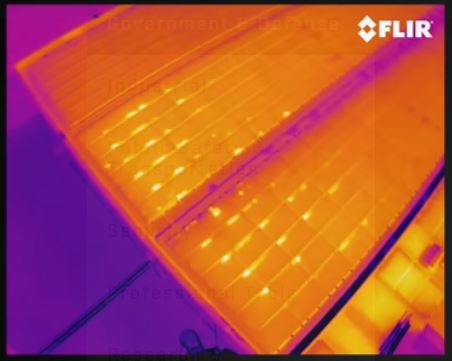
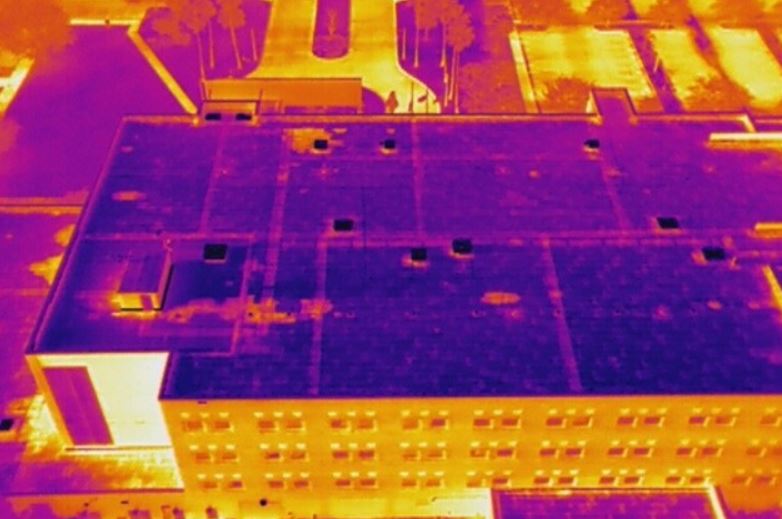
- Thermal imaging (when appropriate) to flag potential moisture intrusion, insulation loss, or atypical heat signatures around mechanical equipment.
On the back end, we use the latest Artificial Intelligence tools to assist in classifying conditions, noting repeated issues, and helping your teams compare changes from one inspection cycle to the next.
Use Cases Beyond Maintenance
For marketing, communications, and leadership teams, drone inspection visuals are valuable far beyond facility maintenance:
- Capital planning presentations: Clean aerial imagery and annotated visuals help justify roof replacements, facade repairs, and energy upgrades.
- Stakeholder updates: Photos and video clips show progress during large renovation or re-roofing projects.
- ESG and sustainability reporting: Aerial views can help communicate investments in solar arrays, green roofs, and envelope improvements.
- Training content: Real-world images from your own facilities are far more compelling than stock photos in training modules.
Because St Louis Photography Studio is a full-service production company, we think ahead about how each flight can create both technical documentation and communication-ready imagery.
Why Professional Operators Matter
Drones are accessible. Professional building and roof inspections are not.
Working with an experienced visual production team offers clear advantages:
- Licensed pilots and compliance: We operate within current regulations and understand how to plan flights safely around active workplaces and urban environments.
- Redundancy and reliability: Multiple batteries, backup aircraft, and tested workflows keep the work moving.
- Production-level image quality: We match camera settings, lenses, flight paths, and lighting conditions to your specific goals—inspection, documentation, or marketing content.
- End-to-end support: From planning and capture through editing, color management, motion graphics, and final delivery, everything stays within one team.
That’s the difference between “someone flying a drone” and a production partner who understands that every image may end up in a board packet, insurance file, or public-facing presentation.
How St Louis Photography Studio Supports Your Building & Roof Inspection Program
When you engage St Louis Photography Studio for drone-based building and roof inspections, you gain more than aerial footage—you gain a structured, repeatable visual program:
- Discovery & objectives
- Confirm your locations, building types, and inspection priorities
- Align on safety protocols, access requirements, and scheduling
- Visual strategy
- Determine which mix of stills, video, mapping, and (when needed) thermal imagery will serve facilities and leadership best
- On-site capture
- Deploy licensed drone pilots, camera operators, and support crew as needed
- Capture redundant coverage to ensure you have options in post-production
- AI-assisted review & editing
- Use AI to quickly sort, tag, and pre-screen imagery, and then apply expert human review
- Edit and color-correct key visuals for use in reports, decks, and marketing pieces
- Deliverables built for multiple teams
- Organized image libraries by site and building
- Ready-to-drop content for internal reports, presentations, and communications
- Assets that can be repurposed into web content, training modules, and stakeholder updates
You end up with a single, comprehensive visual record that serves facilities, risk management, marketing, and leadership—without forcing each department to start from scratch.
Why Partner with St Louis Photography Studio
Experienced St Louis Photography Studio is a full-service professional commercial photography and video production company with the right equipment and creative crew service experience for successful image acquisition. We offer full-service studio and location video and photography, as well as editing, post-production and licensed drone pilots. St Louis Photography Studio can customize your productions for diverse types of media requirements. Repurposing your photography and video branding to gain more traction is another specialty. We are well-versed in all file types and styles of media and accompanying software. We use the latest in Artificial Intelligence for all our media services. Our private studio lighting and visual setup is perfect for small productions and interview scenes, and our studio is large enough to incorporate props to round out your set. We support every aspect of your production—from setting up a private, custom interview studio to supplying professional sound and camera operators, as well as providing the right equipment—ensuring your next video production is seamless and successful. We can even fly our specialized drones indoors for atriums, warehouses and other challenging spaces. As a full-service video and photography production corporation, since 1982, St Louis Photography Studio has worked with many businesses, marketing firms and creative agencies in the St. Louis area for their marketing photography and video.
If you’re ready to make your building and roof inspections safer, quicker, and cheaper—while also creating better visual documentation for your organization—St Louis Photography Studio is ready to help.





























 St Louis Photography Studio