10 Tips for Pro-Level Event & Conference Photography
Looking to elevate your event and conference photography? Learn more here.
We’ve compiled ten tips that will empower you to take your conference photos to new heights. From ensuring you’re equipped with the right gear to tricks for capturing those candid, authentic moments, we’ve got you covered.
Conference photography isn’t just about creating record shots; it’s about capturing the essence of knowledge exchange, the thrill of networking, and the stories that unfold in these vibrant settings. So join us as we uncover the techniques that will enable you to create visually engaging and impactful images. Get ready to immortalize those remarkable conference moments like never before!
- Prepare for the Shoot: Bring Extra Batteries, Memory Cards, Cables, and Chargers
To ensure a smooth and successful conference photography experience, it’s crucial to come prepared with the necessary equipment. Bring extra batteries to avoid running out of power during crucial moments. For DSLR or mirrorless camera users, invest in spare batteries or carry your charger to avoid any battery-related emergencies. Don’t forget to have backup memory cards in case one gets lost or stops working. Additionally, bring a card reader for convenience. Lastly, be equipped with the right cables to facilitate easy photo transfer and storage.
- Step Up Your Photography Game: Get off Auto Mode
To elevate your conference photography and add a personal touch, break free from the limitations of Auto mode on your camera. Explore manual settings like aperture priority (Aperture Priority mode) or shutter priority (Shutter Priority mode) to gain more control over your shots. Aperture Priority mode allows you to adjust the aperture and ISO to fine-tune exposure, while Shutter Priority mode empowers you to freeze or blur motion as desired. While it may feel intimidating at first, practicing and familiarizing yourself with these modes will yield remarkable results.
- Be Discreet: Blend In for Authentic Shots
To capture genuine and authentic moments at conferences, it’s crucial to blend in seamlessly and avoid attracting unnecessary attention. Use a telephoto lens to take close-up shots from a distance without disturbing the event’s flow. Shoot from the hip or waist level to appear more inconspicuous and natural. Disable flash and sound to minimize distractions. Dress appropriately to blend in with the attendees and avoid flashy attire. By being unobtrusive, you can capture the true essence of the conference.
- Tell the Story: Capture Emotions and Interactions
Conferences are not just about speakers and presentations; they’re also about the emotions, interactions, and connections that transpire among attendees. As a conference photographer, your task is to document these moments and tell a compelling story through your images. Anticipate significant moments, focus on capturing candid expressions and interactions, and pay attention to body language. Patience is key in capturing authentic moments. These techniques will help you create a narrative that resonates with viewers.
- Explore Unique Perspectives: Diversify Your Angles
To create visually engaging conference photos, it’s essential to explore different perspectives and angles. Avoid shooting everything at eye level and challenge yourself to find unique viewpoints. Shoot from low angles to add drama, find elevated positions for bird’s-eye views, experiment with wide-angle and fisheye lenses for diverse compositions, and play with depth of field to highlight specific elements. Additionally, capture details, utilize reflections and mirrors, experiment with unconventional framing, and incorporate environmental elements to add depth and interest to your photos.
- Master Lighting: Adapt to Various Conditions
Lighting is a critical factor in conference photography, as venues can have varying lighting conditions. Adaptability is key to making the most of available light. Utilize natural light sources whenever possible, use flash sparingly to avoid disruption, adjust white balance to ensure accurate colors, and be mindful of backlighting to maintain subject and background details. Embrace the mood of low-light environments and experiment with slower shutter speeds or tripods. Understanding and adapting to lighting conditions will enhance the quality and mood of your photos.
- Polish Your Work: Edit and Deliver Your Photos
Once you’ve captured a wide range of conference photos, the final step is to edit and deliver them to your client or attendees. Import and organize your photos, select the best shots that represent key moments, adjust exposure and white balance, crop and straighten images, enhance details and colors, remove distractions, and establish a consistent look.
- Engage with the Attendees
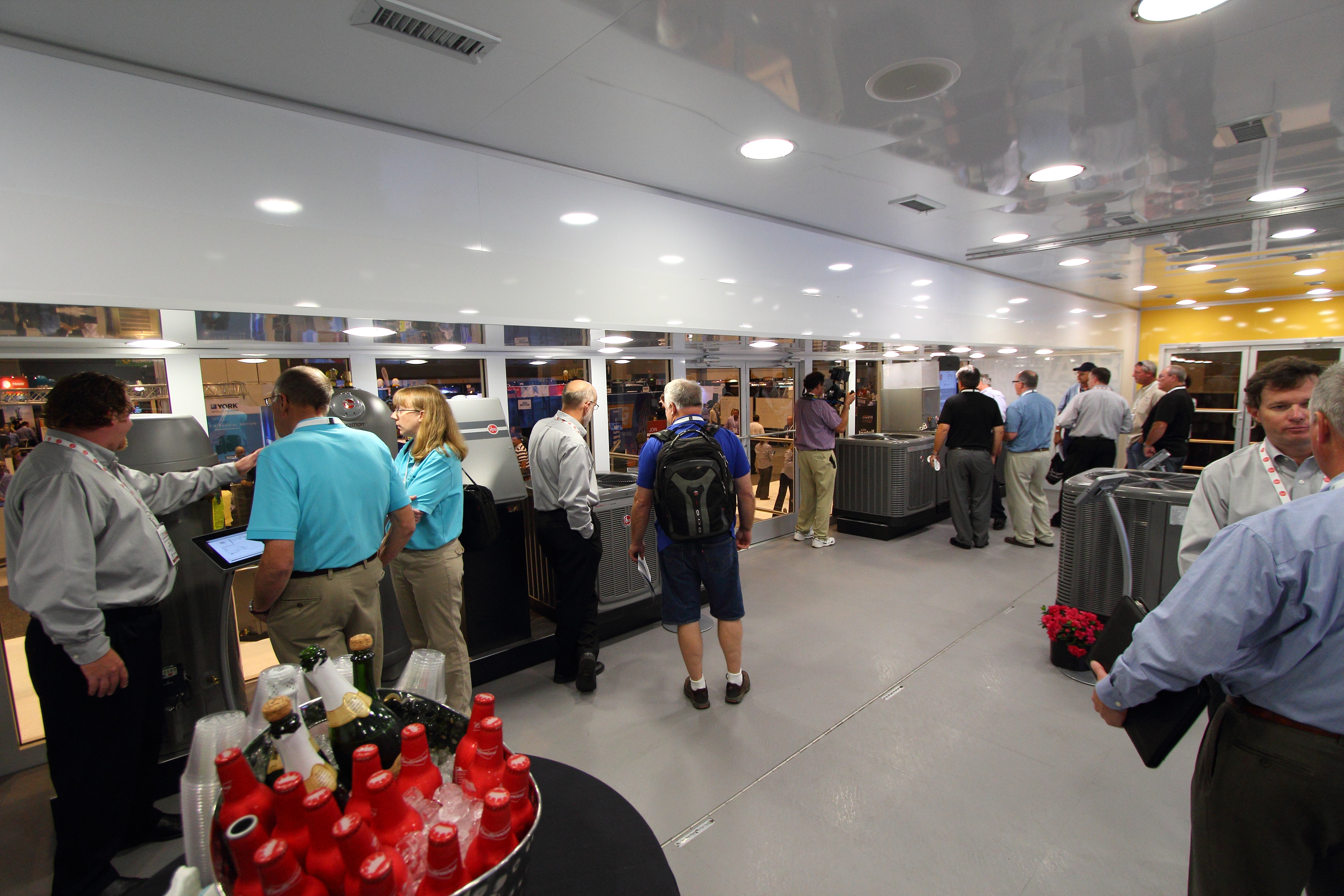

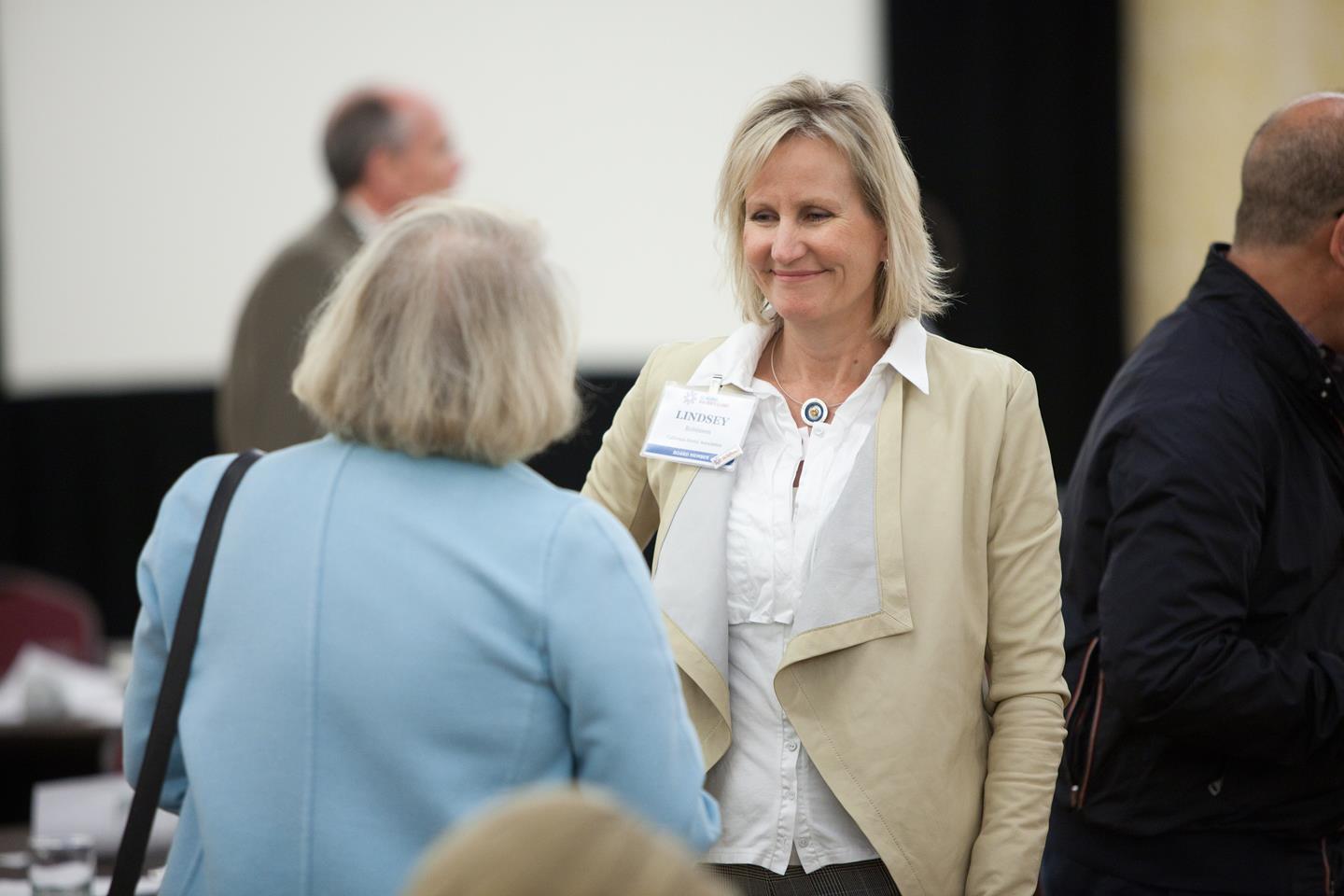
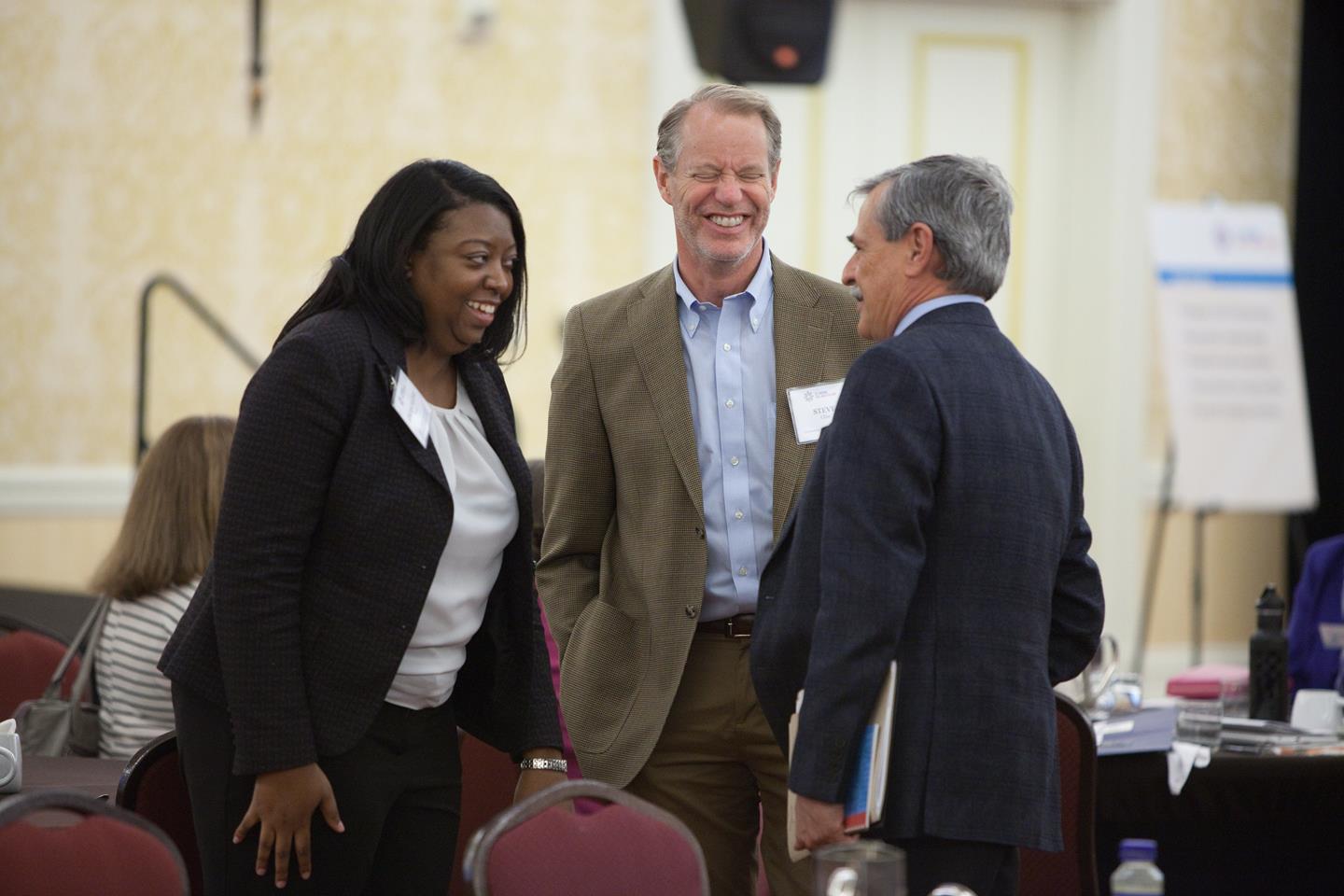
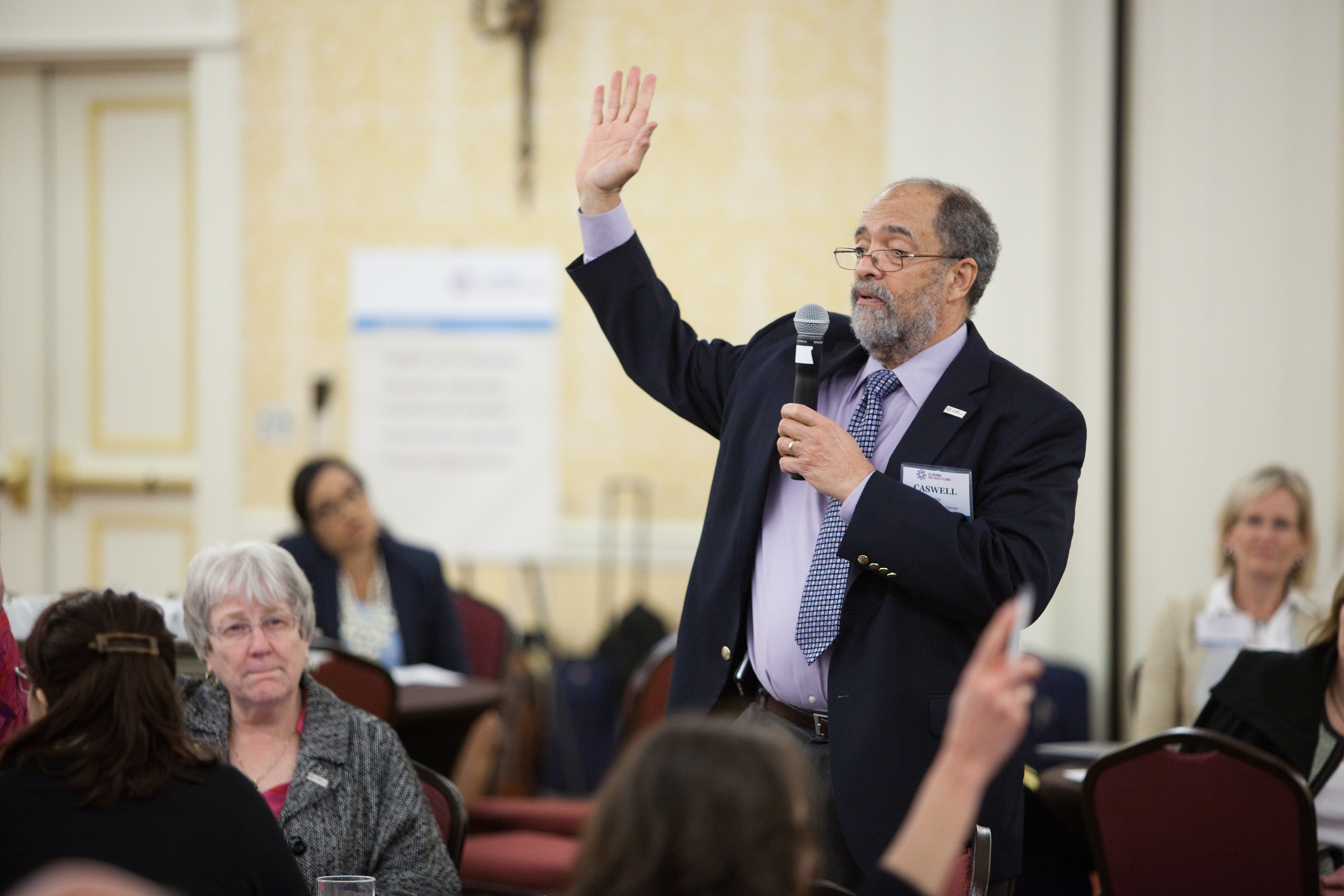
As a conference photographer, it’s not just about capturing moments from a distance. Engaging with the attendees can provide valuable opportunities to capture authentic interactions and create a more personal connection with your subjects.
Here are some ways to engage with the attendees:
Introduce yourself: Approach people politely and introduce yourself as the event photographer. Let them know that you’re there to capture the essence of the conference and ask if they’re comfortable being photographed. Building rapport and establishing a friendly atmosphere will make people more relaxed and natural in front of the camera.
Strike up conversations: Take the time to chat with attendees during breaks or networking sessions. Show genuine interest in their experiences, thoughts, and takeaways from the conference. These conversations can provide insights and help you capture meaningful moments later on.
Capture posed and candid shots: While candid shots often capture the most genuine emotions, don’t shy away from taking posed photos when requested. Attendees may appreciate having a professional photo taken with a speaker, fellow attendee, or even yourself. These posed shots can serve as cherished mementos of their conference experience.
Share your work: As you capture and edit photos throughout the event, consider sharing a few selected images on social media or through a live photo slideshow. This gives attendees a glimpse of your work and allows them to engage with and share the conference experience.
By engaging with the attendees, you not only enhance their experience but also create opportunities for capturing more meaningful and relatable photos. Remember to be respectful of people’s boundaries and privacy, and always seek consent before photographing someone in a more personal context.
- Document the Details
While the focus of conference photography is often on the speakers and attendees, documenting the smaller details can add depth and context to your photo collection. These details provide a comprehensive visual narrative and help tell the complete story of the event.
Pay attention to the following details:
Signage and branding: Capture the conference’s branding elements, such as banners, posters, and logos. These images can be used to promote future events or as part of the event’s marketing materials.
Venue and setup: Take photos of the conference venue, stage setup, and any unique or eye-catching features. Showcasing the environment helps transport viewers back to the event and provides a sense of place.
Networking and socializing: Photograph attendees engaging in conversations, exchanging business cards, or participating in networking activities. These images highlight the networking aspect of the conference and capture the connections being formed.
Presentations and workshops: Document speakers in action, capturing their expressions, gestures, and engagement with the audience. Include shots of slides, handouts, and interactive elements to showcase the educational aspect of the event.
Food and refreshments: If the conference includes meals or refreshments, photograph the food setup, attendees enjoying their meals, or any unique culinary offerings. These images contribute to the overall experience and add a touch of enjoyment and relaxation to the collection.
By documenting the details, you create a well-rounded representation of the conference, showcasing not only the people but also the atmosphere, branding, and overall ambiance. These images serve as valuable assets for the event organizers and can be used for marketing, promotional materials, and future event planning.
- Continuous Learning and Improvement
Conference photography is a dynamic field that requires continuous learning and improvement. Each event presents unique challenges and opportunities to refine your skills and expand your repertoire. Embrace the learning process and strive for growth as a conference photographer.
Here are some ways to continuously improve your conference photography:
Attend conferences as an observer: Take the opportunity to attend conferences or events as an observer or participant. Observe other photographers in action, learn from their techniques, and gather inspiration for your own work.
Seek feedback: Reach out to clients, event organizers, or fellow photographers for constructive feedback on your conference photography work. Feedback can provide valuable insights into areas for improvement and help you refine your skills.
Experiment with different techniques: Don’t be afraid to try new techniques and experiment with different styles of photography. Play with composition, lighting, angles, and post-processing to add variety and creativity to your images.
Stay updated with industry trends: Keep up with the latest trends and developments in conference photography. Follow industry blogs, websites, and social media accounts to stay informed about new techniques, equipment, and best practices.
Invest in professional development: Consider attending workshops, seminars, or online courses specifically geared towards conference photography. These opportunities can provide valuable insights, practical tips, and networking opportunities with fellow photographers.
Build a portfolio: Create a portfolio of your best conference photography work to showcase your skills and attract potential clients. Update it regularly with your latest and most compelling images.
Build relationships with event organizers: Cultivate relationships with event organizers and clients in the conference industry. This can lead to repeat bookings and referrals, as well as insights into upcoming events.
Keep your gear in top condition: Regularly clean and maintain your photography equipment to ensure optimal performance. Familiarize yourself with the features and capabilities of your gear to maximize its potential.
Stay organized and backup your work: Develop a system for organizing and storing your conference photography files. Implement a reliable backup strategy to protect your images from loss or damage.
By continuously learning and improving, you can elevate your conference photography skills and deliver exceptional results. Remember, each event is an opportunity to grow and expand your expertise, so embrace the challenges and enjoy the process of becoming a better conference photographer.
As experienced event photographers, St Louis Photography Studio understands the importance of high-quality visuals in branding and business marketing communications. Our company is a full-service commercial photographer based in St. Louis, ready to meet all your photography requirements.
With over 40 years of experience in the industry, St Louis Photography Studio has established a solid reputation for delivering exceptional photography services. We have a team of skilled and experienced photographers who specialize in various areas, including conference photography. Our photographers have the expertise to capture the essence of knowledge exchange, networking, and the vibrant atmosphere of conferences.
When you choose St Louis Photography Studio for your conference photography needs, you can expect:
- Professionalism: Our team conducts themselves with the utmost professionalism, ensuring a smooth and seamless photography experience. We understand the importance of blending in seamlessly and capturing authentic moments without being obtrusive.
- High-Quality Images: We use top-of-the-line equipment and techniques to produce high-quality, visually engaging images. Whether it’s capturing keynote speakers, networking sessions, or candid moments, we strive for excellence in every shot.
- Attention to Detail: We pay close attention to the details that make a difference in conference photography. From ensuring proper lighting and composition to minimizing distractions in the background, we go the extra mile to deliver polished and impactful images.
- Timely Delivery: We understand the time-sensitive nature of conferences and the need for prompt delivery of the final images. Our efficient workflow and post-processing techniques allow us to deliver the edited photos quickly, ensuring you can utilize them for your branding and marketing needs promptly.
- Customized Solutions: We work closely with our clients to understand their specific branding and marketing requirements. Whether you need images for promotional materials, social media campaigns, or website content, we tailor our services to meet your unique needs.
- Experience and Expertise: With over four decades of experience in the industry, St Louis Photography Studio has the expertise to handle a wide range of conference photography requirements. We have successfully covered numerous conferences, understanding the dynamics and challenges involved in capturing the essence of such events.
At St Louis Photography Studio, our goal is to exceed your expectations and deliver images that not only showcase the conference but also contribute to your overall branding and business marketing communications. We take pride in our professionalism, technical expertise, and commitment to client satisfaction.
Whether you’re organizing a corporate conference, industry event, or trade show, we are here to provide you with exceptional conference photography services. Contact St Louis Photography Studio today to discuss your conference photography needs and let us help you elevate your branding and business marketing communications through stunning visual content.






























 St Louis Photography Studio